
Meaning of the Name Ádám
Origin and History of Ádám
Gender of the Name Ádám
Popularity of Ádám
Global Usage of Ádám
Personality Traits of People Named Ádám
Grounded
Often seen as practical and realistic, staying connected to everyday life.
Dependable
Tends to be reliable, someone others can count on in challenging times.
Thoughtful
Frequently reflective and considerate, weighing options before acting.
Warm
Known for a friendly and approachable attitude in social situations.
Resilient
Able to recover from setbacks and adapt to new circumstances with strength.
Careers and Professional Orientation for Ádám
Engineer
Combines analytical thinking with practical problem-solving skills.
Teacher
Shares knowledge patiently and connects well with students.
Researcher
Enjoys exploring ideas in depth and uncovering new insights.
Entrepreneur
Uses initiative and determination to build projects from the ground up.
Healthcare Professional
Brings reliability and empathy to roles that support others’ wellbeing.
Unique and Interesting Facts About the Name Ádám
Name Day Traditions
In Hungary, Ádám has a celebrated name day, often linked with festive gatherings.
Biblical Resonance
Shares deep roots with one of the most recognizable figures in religious texts.
Accent Mark Distinction
The acute accent in Ádám sets it apart from Adam, signaling specific Hungarian pronunciation.
Literary Appearances
Appears in Central European literature and poetry as a symbol of humanity and origins.
Famous People Named Ádám
- Ádám Szalai: Hungarian professional footballer who has played for top European clubs and the national team.
- Ádám Bogdán: Hungarian football goalkeeper known for his career in both domestic and international leagues.
- Ádám György: Hungarian pianist acclaimed for his classical performances and interpretations.
- Ádám Fischer: Hungarian conductor recognized for his work with major European orchestras and opera houses.
How to Pronounce Ádám in Hungarian
/ˈaː.daːm/ — Ádám
- /aː/: long “a” sound, like the “a” in “father” but held slightly longer.
- /d/: a clear “d” as in “dog.”
- /aːm/: another long “a” followed by a soft “m,” ending smoothly.
AH-dahm (both vowels long, with stress on the first syllable)
Tattoo Design Ideas Featuring the Name Ádám
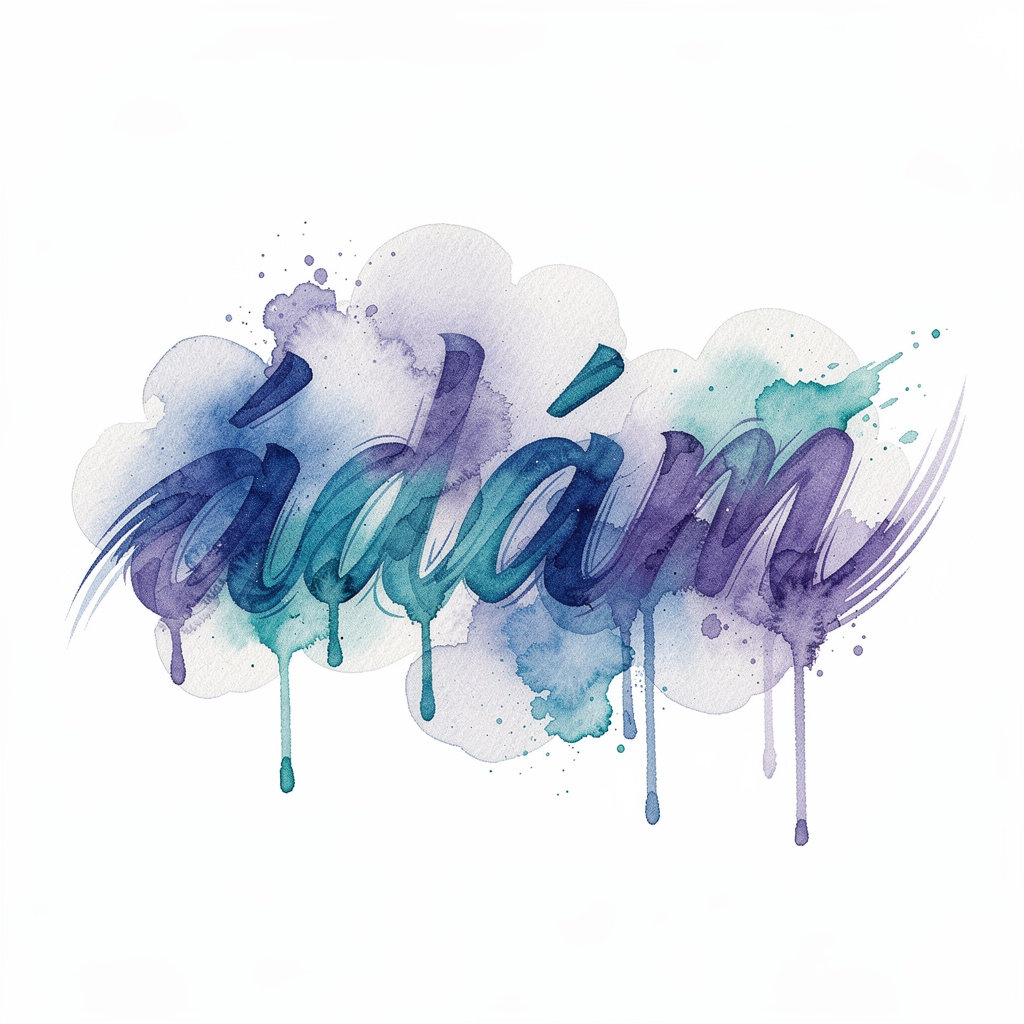
Watercolor Ádám Tattoo Design
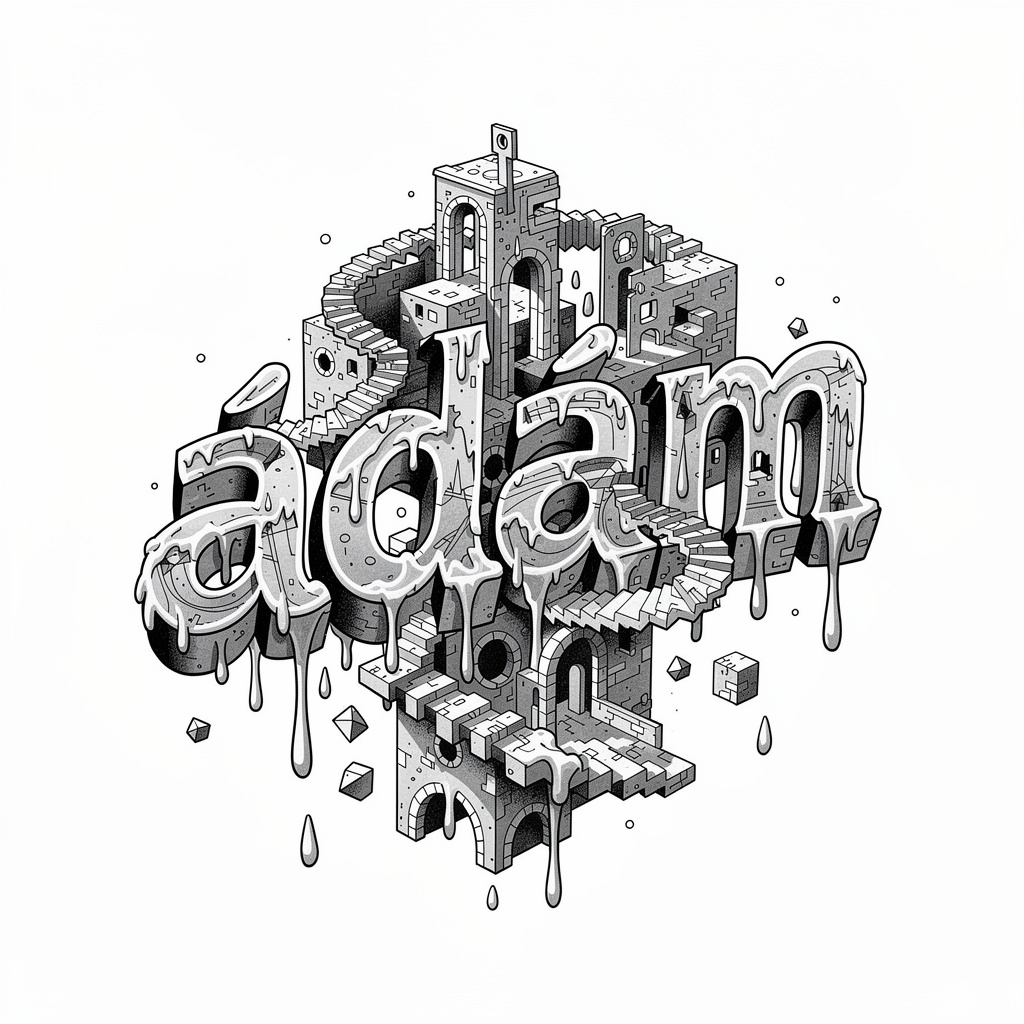
Surrealist Ádám Tattoo Artwork
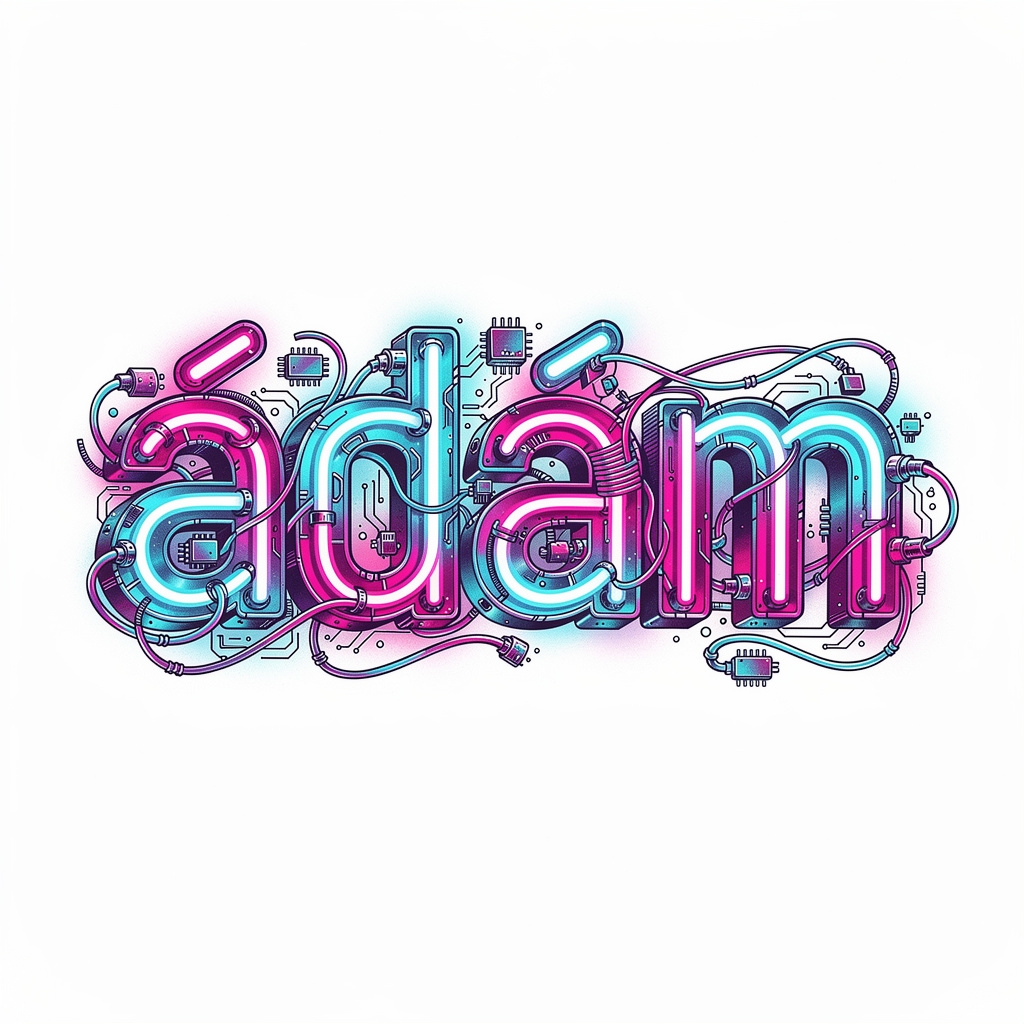
NeonFlux Ádám Tattoo Style
Global distribution & gender ratio
Hungary
89.01% of recorded usage
Female: 0.42% · Male: 99.58%
Slovakia
1.49% of recorded usage
Female: 0.00% · Male: 100.00%
Germany
1.30% of recorded usage
Female: 0.00% · Male: 100.00%
Netherlands
1.12% of recorded usage
Female: 0.00% · Male: 100.00%
United Kingdom
1.12% of recorded usage
Female: 0.00% · Male: 100.00%
You may also like
Similar names
Adam
International form closely related in sound and rooted in the biblical first man, often interpreted as man, earth, or human.Adámek
Diminutive or variant in some Slavic languages, carrying the same core ideas of man and humanity.Adan
Spanish and sometimes Arabic-influenced variant connected to the same earth- and man-related meanings.Adem
Turkish and Bosnian form, similarly derived from the biblical figure and evoking creation and human life.Ademir
Name found in Portuguese and Slavic contexts, sometimes interpreted with nuances of noble or famous origins.Edom
Biblical-related name possibly linked etymologically, associated with red or earthy shades of meaning.Ademar
Germanic-rooted name whose interpretations include famous or renowned, echoing strong traditional connotations.Adriel
Biblical name often understood as flock of God or God’s helper, sharing spiritual and scriptural resonance.Adaniel
Modern elaboration combining elements that suggest God, justice, or grace-related meanings.Aram
Ancient name with Semitic roots, variously connected to notions of heights, exalted, or ancestral regions.
Frequently asked questions about ádám
What does the name Ádám mean?
Ádám is closely related to the biblical name Adam and is traditionally interpreted as "man," "human," or "earth-born," symbolizing life, humanity, and connection to the earth.
What is the origin of the name Ádám?
The name Ádám originates from the Hebrew word "adamah" meaning "earth" or "ground." It became established in Hungary and other Central European countries as the local form of the biblical Adam.
Is Ádám a boy or girl name?
Ádám is primarily a male given name, especially in Hungary and neighboring countries, and is rarely used as a unisex name.
How popular is the name Ádám?
Ádám is a well-established and popular male name in Hungary, regularly appearing in national baby-name rankings, while the accented form is less common outside Central Europe.
How do you pronounce Ádám?
In Hungarian, Ádám is pronounced approximately as AH-dahm, with long "a" sounds in both syllables and stress on the first syllable.