
Meaning of the Name Bing
Cultural and Historical Origins of Bing
Gender and Use of the Name Bing
Popularity of the Name Bing
Global Usage and Pronunciation of Bing
Personality Traits Associated with Bing
Calm
Often perceived as cool-headed and composed, reflecting the "ice" meaning in some cultures.
Bright
Associated with clarity of thought and quick intelligence.
Disciplined
Suggests focus and reliability, echoing the “soldier” interpretation.
Cheerful
Hints of playfulness and spontaneity, tied to lively sound associations.
Independent
The short, distinctive form suggests a self-reliant, individualistic nature.
Careers and Vocations Linked to the Name Bing
Artist or Performer
Inspired by historic entertainers bearing the name.
Strategist or Analyst
Matching the disciplined and clear-thinking connotations.
Scientist or Engineer
Reflecting precision and structured problem-solving.
Entrepreneur
The distinctive, brandable sound aligns well with business innovation.
Educator or Mentor
Suits a calm, steady personality who guides others thoughtfully.
Unique and Interesting Facts About Bing
Cross-Cultural Appeal
Common in Chinese contexts yet recognizable in the West, giving it global versatility.
Short and Memorable
Its single syllable makes it stand out in conversation and branding.
Pop-Culture Presence
Known through entertainers and digital products, adding a modern edge.
Multiple Meanings
Different written characters allow personalized interpretations in Chinese usage.
Famous People Named Bing
- Bing Crosby: American singer and actor, one of the best-selling recording artists of the 20th century.
- Bing Xin: Pen name of Chinese writer Xie Wanying, celebrated for her modern literature and children’s works.
- Bing Russell: American character actor and minor league baseball club owner.
- Bing Gordon: American venture capitalist and former chief creative officer at Electronic Arts.
How to Pronounce Bing in Chinese (Mandarin) and English
/bɪŋ/ — 冰 / 兵 / 炳 (common variants)
- /b/: voiced "b" sound as in "bat"
- /ɪ/: short vowel as in "sit"
- /ŋ/: "ng" sound as in "sing"
bing (rhymes with "ring" and "sing")
Tattoo Design Ideas Featuring the Name Bing
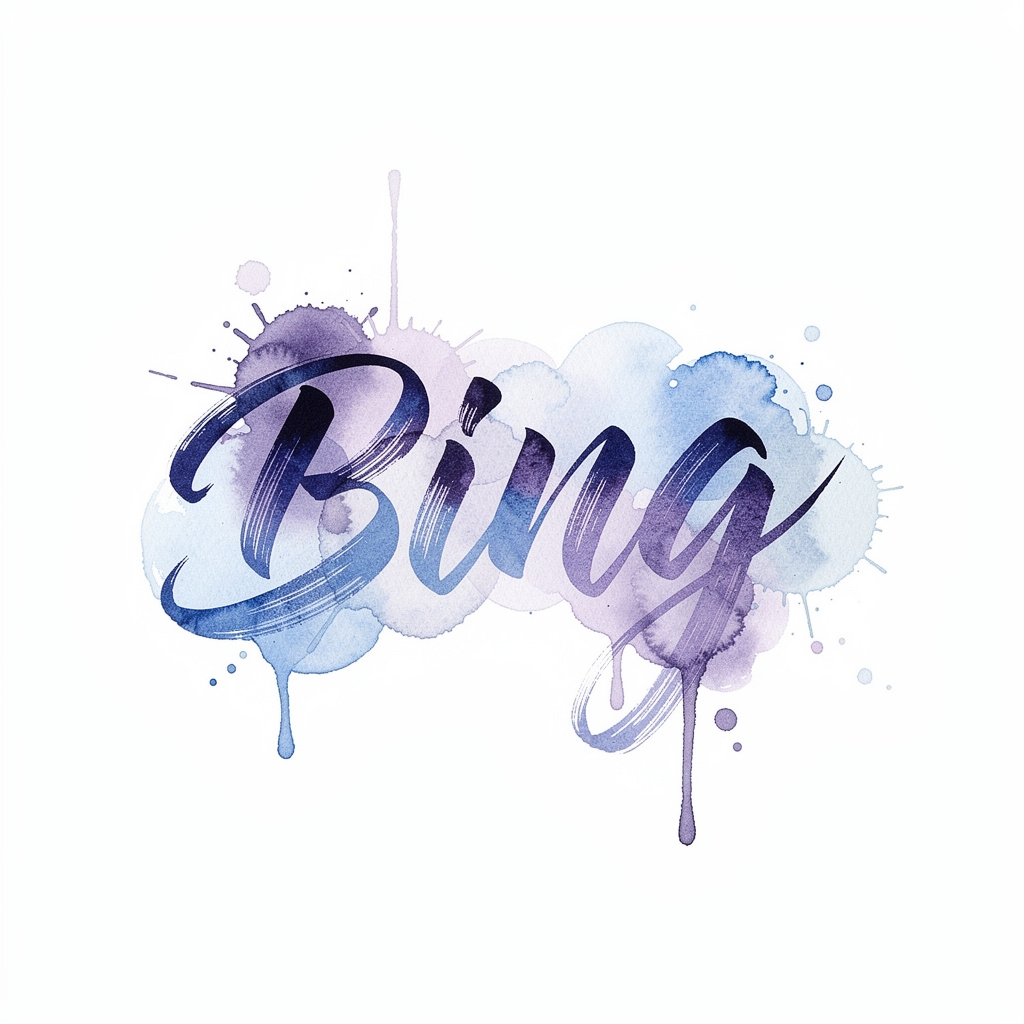
Watercolor "Bing" Tattoo Design

Surrealist "Bing" Tattoo Concept

Trash Polka "Bing" Tattoo Artwork
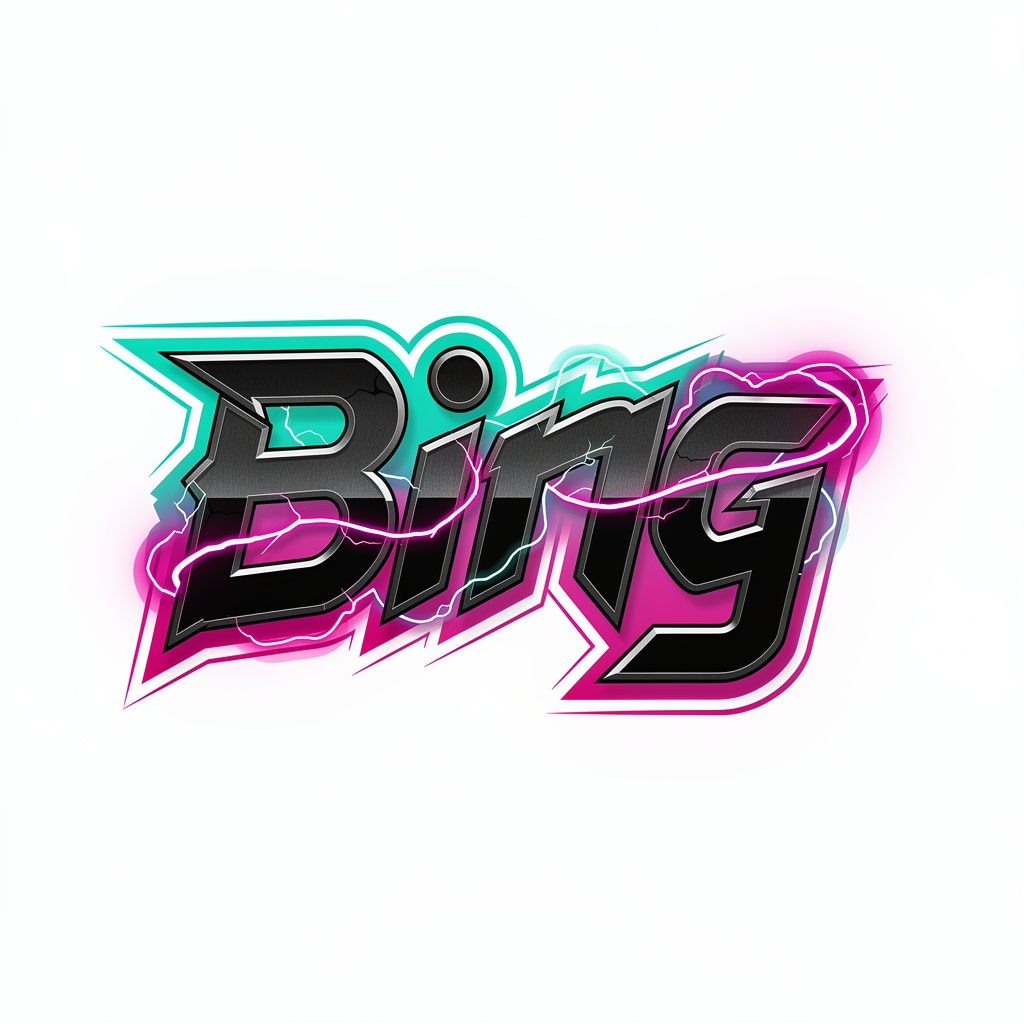
LuminEdge – AI-Original-Style "Bing" Tattoo
Global distribution & gender ratio
United States
20.22% of recorded usage
Female: 35.78% · Male: 64.22%
Philippines
18.55% of recorded usage
Female: 78.00% · Male: 22.00%
Malaysia
16.88% of recorded usage
Female: 27.47% · Male: 72.53%
Singapore
7.98% of recorded usage
Female: 25.58% · Male: 74.42%
China
7.24% of recorded usage
Female: 25.64% · Male: 74.36%
You may also like
Similar names
Bin
Similar in sound; in Chinese it can mean refined or cultured depending on the character.Ping
Phonetically close; in Chinese may mean peaceful or level.Ming
Another short Chinese given name often meaning bright or clear.Jing
Can mean quiet, pure, or essence in Chinese, sharing a crisp one-syllable style.Ling
A soft-sounding name that may mean spirit, bell, or delicate.Qing
Often carries meanings like clear or blue-green, echoing fresh, cool imagery.Bingwen
A compound name where "Bing" combines with "wen" meaning literature or culture.Bingyan
Another compound use, where "yan" can mean beautiful or swallow (bird) depending on characters.Brynn
An English and Welsh name with a similar crisp sound, linked to the meaning hill.Bliss
English name emphasizing joy and happiness, echoing Bing’s cheerful associations.
Frequently asked questions about bing
What does the name Bing mean?
Bing can mean ice, brightness, or soldier in Chinese contexts, and also carries cheerful, lively associations in English usage.
What is the origin of the name Bing?
The name Bing is primarily of Chinese origin, where it appears in different written characters, and it has also been used as a nickname and surname in American and British contexts.
Is Bing a boy or girl name?
Bing is generally considered a gender-neutral name. It is used for both boys and girls in Chinese-speaking regions and can be given to any gender in Western countries.
How popular is the name Bing?
Bing is relatively rare in most English-speaking countries but more familiar in Chinese-speaking regions, especially as part of compound given names.
How do you pronounce Bing?
Bing is pronounced /bɪŋ/, similar to the English word 'bing', rhyming with 'ring' and 'sing'.