
Meaning of the Name Caesar
Origin and History of Caesar
Gender of the Name Caesar
Popularity of the Name Caesar
Global Usage of Caesar
Personality Traits of People Named Caesar
Confident Leader
Often seen as naturally authoritative and comfortable taking charge in groups.
Strategic Thinker
Tends to analyze situations carefully and plan several steps ahead.
Charismatic
Possesses a magnetic presence that draws others in socially or professionally.
Determined
Shows persistence in pursuing long-term goals despite obstacles.
Ambitious
Inspired to reach high positions, recognition, or influence.
Career Paths Suited to the Name Caesar
Leader & Executive
Roles in management, corporate leadership, or entrepreneurship that demand vision and authority.
Politics & Public Service
Positions in government, diplomacy, or civic leadership where influence and strategy matter.
Military & Security
Careers that value discipline, planning, and command structures.
Law & Advocacy
Legal professions that call for persuasive speech and strong reasoning.
Academia & History
Scholarly paths in history, classics, or political science connected to the name’s legacy.
Unique and Interesting Facts About the Name Caesar
From Name to Title
"Caesar" evolved from a family name into a ruler’s title, influencing words like "Kaiser" and "Tsar."
Literary Icon
The figure of Julius Caesar appears prominently in Shakespeare’s play "Julius Caesar" and countless historical novels.
Cinematic Presence
The name often appears in films and television to signal power, leadership, or imperial themes.
Calendar Legacy
Julius Caesar’s calendar reforms led to the Julian calendar, shaping how much of the world tracks time.
Famous People Named Caesar
- Gaius Julius Caesar: Roman general, statesman, and pivotal figure in Roman history.
- Caesar Rodney: American lawyer and signer of the U.S. Declaration of Independence.
- Caesar Cardini: Italian-American restaurateur often credited with creating the Caesar salad.
- Caesar Augustus: Common reference to Augustus, the first Roman emperor, who adopted the title "Caesar."
How to Pronounce Caesar in Latin and English
/ˈsiːzər/ — Caesar
- /ˈsiː/: long "see" sound at the beginning.
- /z/: voiced "z" consonant linking the syllables.
- /ər/: reduced "er" sound as in "teacher."
SEE-zər
Tattoo Design Ideas Featuring the Name Caesar
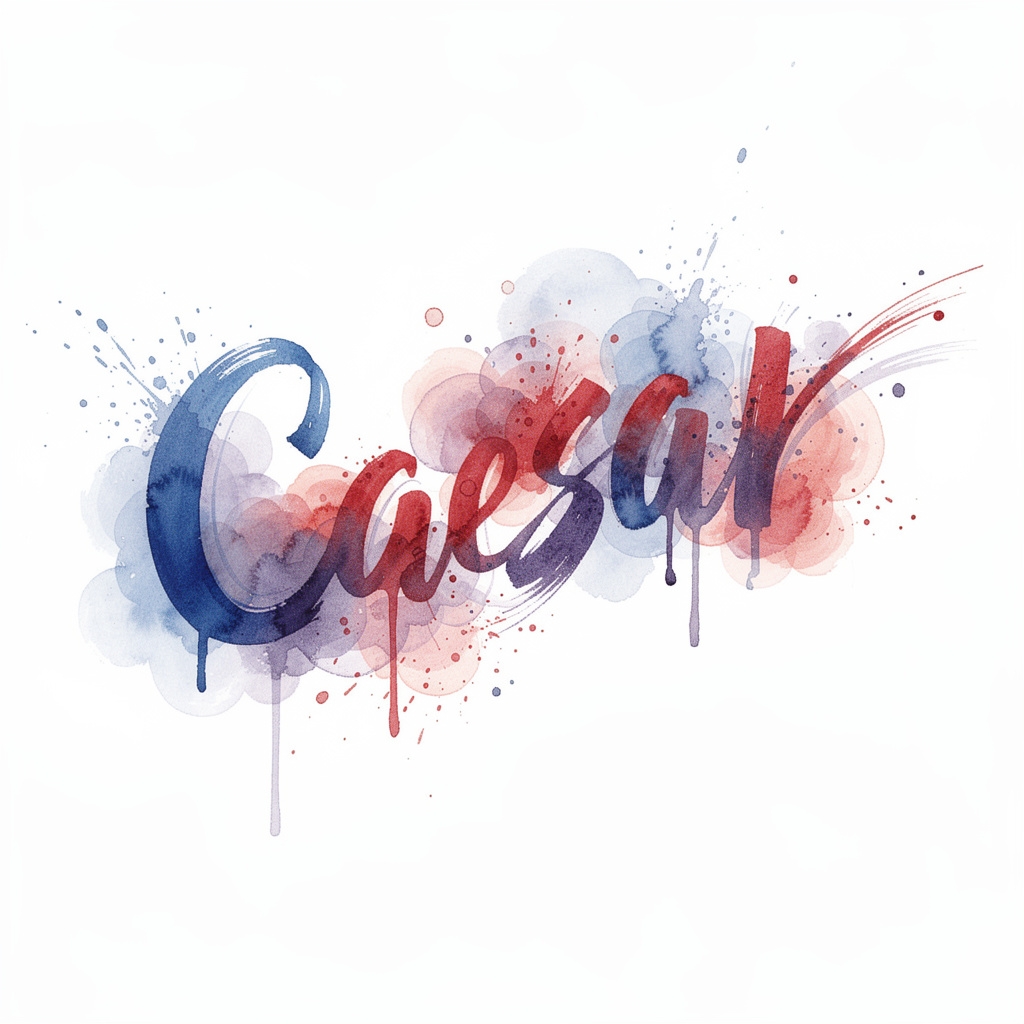
Watercolor Caesar Name Tattoo Design

Surrealism Caesar Name Tattoo Design
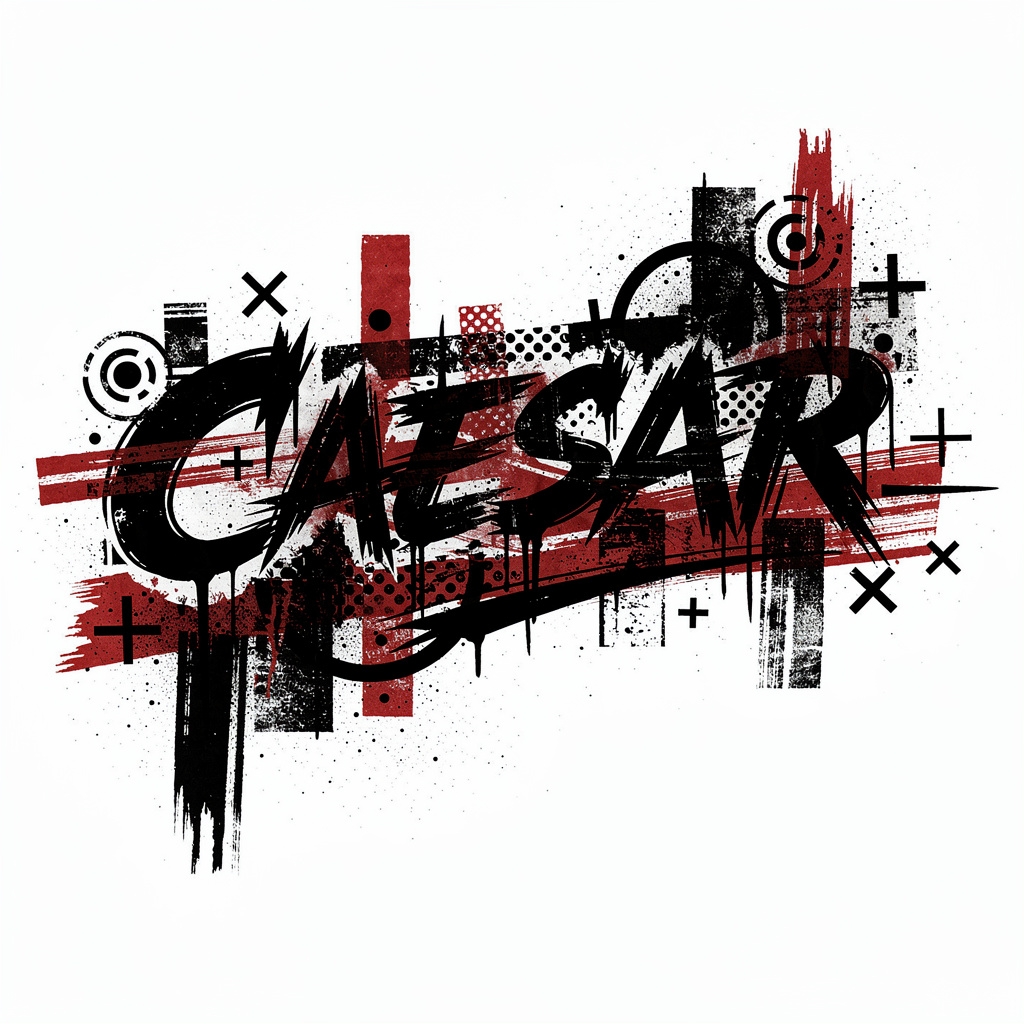
Trash Polka Caesar Name Tattoo Design
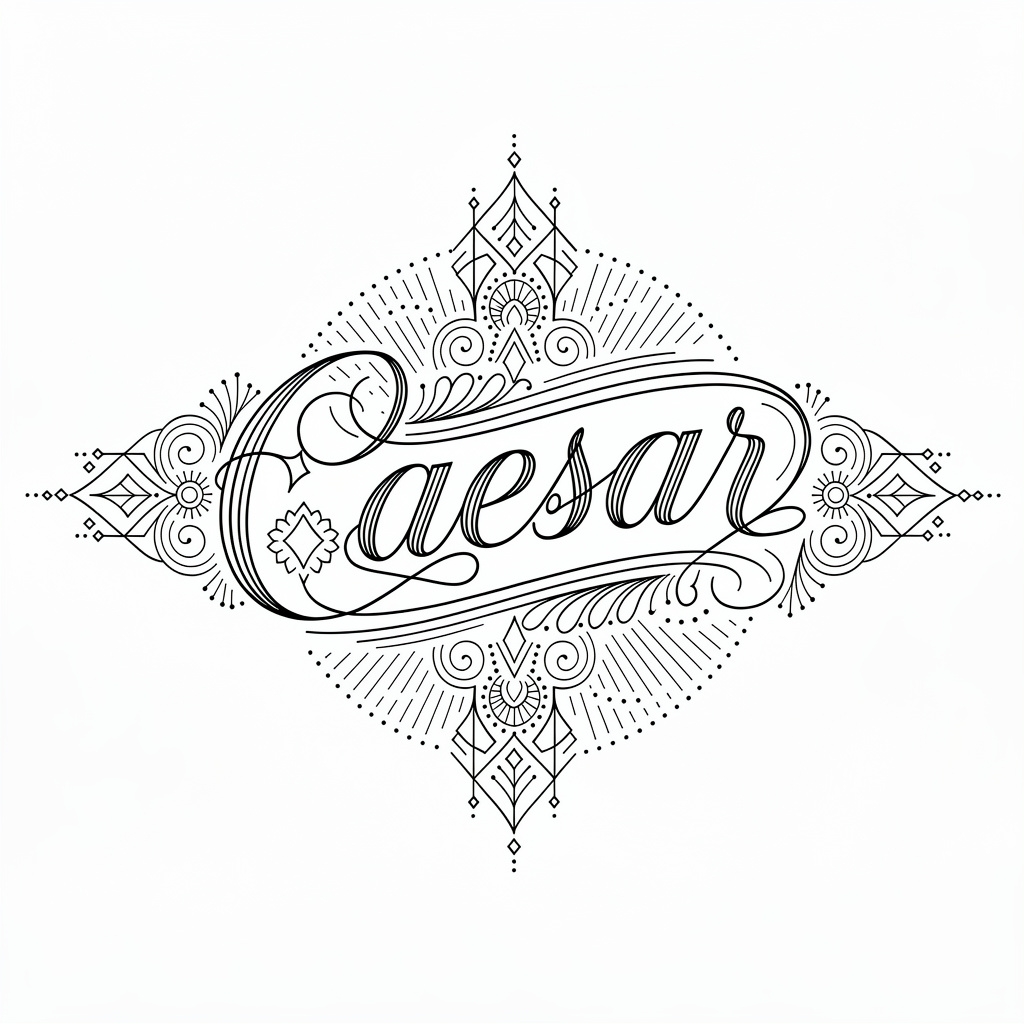
Aetherline Caesar Name Tattoo Design (AI-Original-Style)
Global distribution & gender ratio
Indonesia
38.88% of recorded usage
Female: 6.05% · Male: 93.95%
United States
21.88% of recorded usage
Female: 2.48% · Male: 97.52%
Philippines
9.40% of recorded usage
Female: 0.00% · Male: 100.00%
Mexico
4.52% of recorded usage
Female: 0.00% · Male: 100.00%
Malaysia
2.71% of recorded usage
Female: 6.67% · Male: 93.33%
You may also like
Similar names
Cesar
Spanish and Portuguese form associated with leader and imperial power.César
French and Spanish accented variant linked to emperor-like authority.Cesare
Italian version tied to noble heritage and strength.Kaiser
German title-name meaning emperor or imperial ruler.Tsar
Slavic-derived title signifying an emperor or supreme sovereign.Augustus
Roman name suggesting majestic, venerable status.Maximus
Latin name denoting greatest or supreme strength.Rex
Latin word-name meaning king or royal ruler.Imperio
Modern-style name inspired by empire and commanding power.Regulus
Latin-rooted name associated with a little king or prince.
Frequently asked questions about caesar
What does the name Caesar mean?
The name Caesar is commonly associated with leadership, nobility, and power. Historically it became linked to emperors of ancient Rome, so it often evokes images of authority and victory.
What is the origin of the name Caesar?
Caesar comes from ancient Roman history and the Latin language. It was originally a family cognomen, most famously borne by Gaius Julius Caesar, and later evolved into an imperial title adopted by Roman and Byzantine emperors.
Is Caesar a boy or girl name?
Caesar is traditionally used as a masculine given name. While modern naming trends can be more flexible, it is still overwhelmingly chosen for boys in most cultures.
How popular is the name Caesar?
Caesar is not a highly common name in most English-speaking countries and usually appears outside the top-ranking baby names. It has modest use in parts of Southern Europe and Latin America, often alongside variants like Cesar or César.
How do you pronounce Caesar?
In modern English, Caesar is typically pronounced SEE-zər, with the stress on the first syllable. In classical Latin, it is often reconstructed closer to KAI-sar, which influenced words like Kaiser and Tsar.