
Meaning of the Name Dominick
Cultural and Historical Origin of Dominick
Gender Use of Dominick
Popularity of the Name Dominick
Global Usage and Pronunciation of Dominick
Personality Traits Associated with Dominick
Confident Leader
Often seen as decisive and willing to take initiative in groups.
Loyal
Values long-term friendships and stands by loved ones in difficult times.
Disciplined
Tends to approach goals with focus, structure, and persistence.
Protective
Has a strong sense of responsibility toward family and close friends.
Thoughtful
Balances strength with empathy, considering how actions affect others.
Professional Paths for People Named Dominick
Leader & Manager
Drawn to roles where strategic thinking and decision-making are key, such as business or project management.
Legal Professional
Apt for careers in law, advocacy, or public policy, where justice and structure matter.
Entrepreneur
Comfortable taking calculated risks and building something of their own.
Educator
May excel in teaching or mentoring, guiding others with authority and care.
Public Service Officer
Suited to roles in government, law enforcement, or the military that involve duty and leadership.
Unique and Interesting Facts About Dominick
Sunday Connection
Historically linked to children born on Sunday, reflecting its meaning "of the Lord."
Variant Richness
Related to many forms worldwide, including Dominic, Dominik, Domenico, and Domingo.
Saintly Heritage
Connected to several Christian saints and religious figures through its Latin root Dominicus.
Flexible Spelling
The "-ick" ending gives it a distinctive twist that sets it apart from more common variants.
Famous People Named Dominick
- Dominick Cruz: American mixed martial artist and former UFC Bantamweight Champion.
- Dominick Dunne: American writer, journalist, and producer known for his work on crime and society.
- Dominick Cobb (Dom Cobb): Fictional protagonist from the film "Inception," often associated with the name.
- Dominick Argento: Pulitzer Prize–winning American composer of classical music and opera.
Pronunciation of Dominick in Latin and English
/ˈdɒmɪnɪk/ — Dominicus
- /ˈdɒm/: like "dom" in "domino," stressed first syllable.
- /ɪ/: short "i" sound as in "bit" or "ship."
- /nɪk/: rhymes with "nick," with a clear "n" and hard "k" ending.
DOM-uh-nik
Tattoo Design Ideas for the Name Dominick

Watercolor Dominick Name Tattoo Design
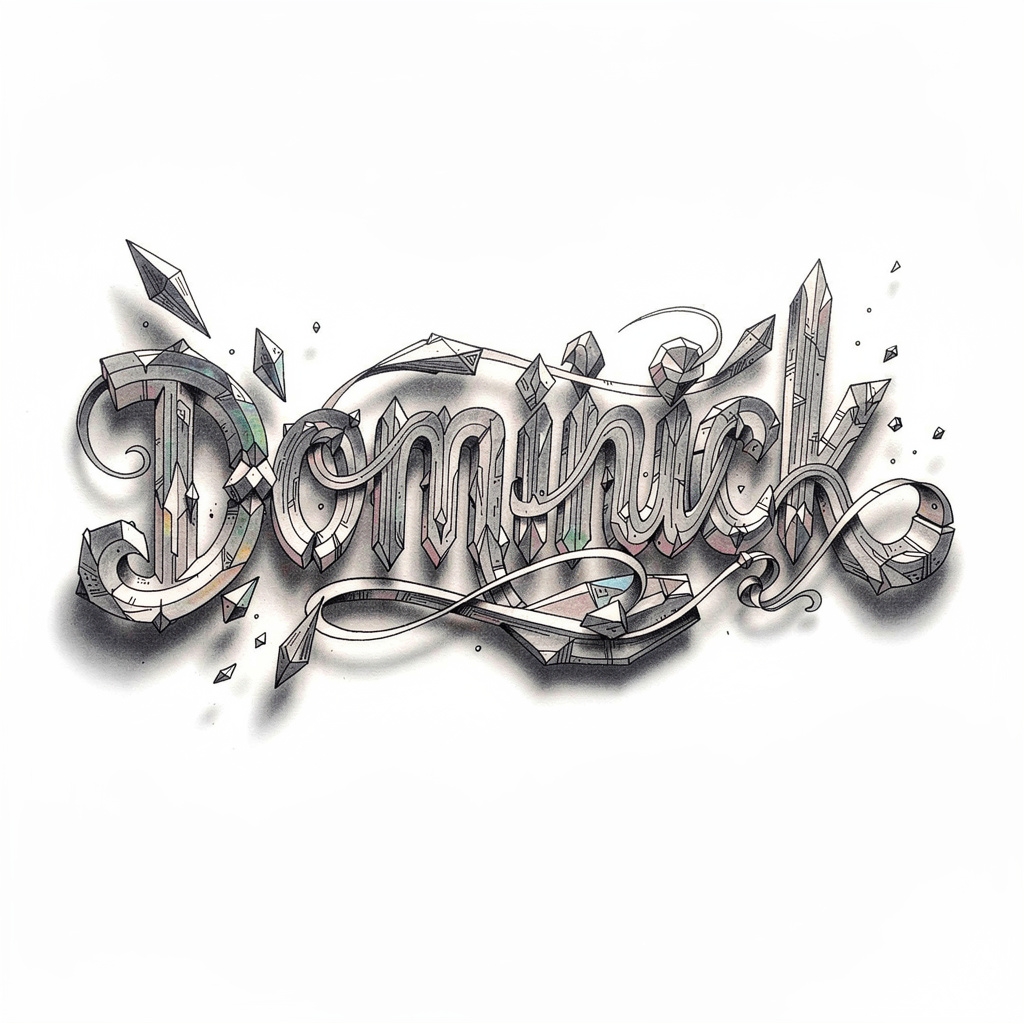
Surreal Dominick Name Tattoo Concept
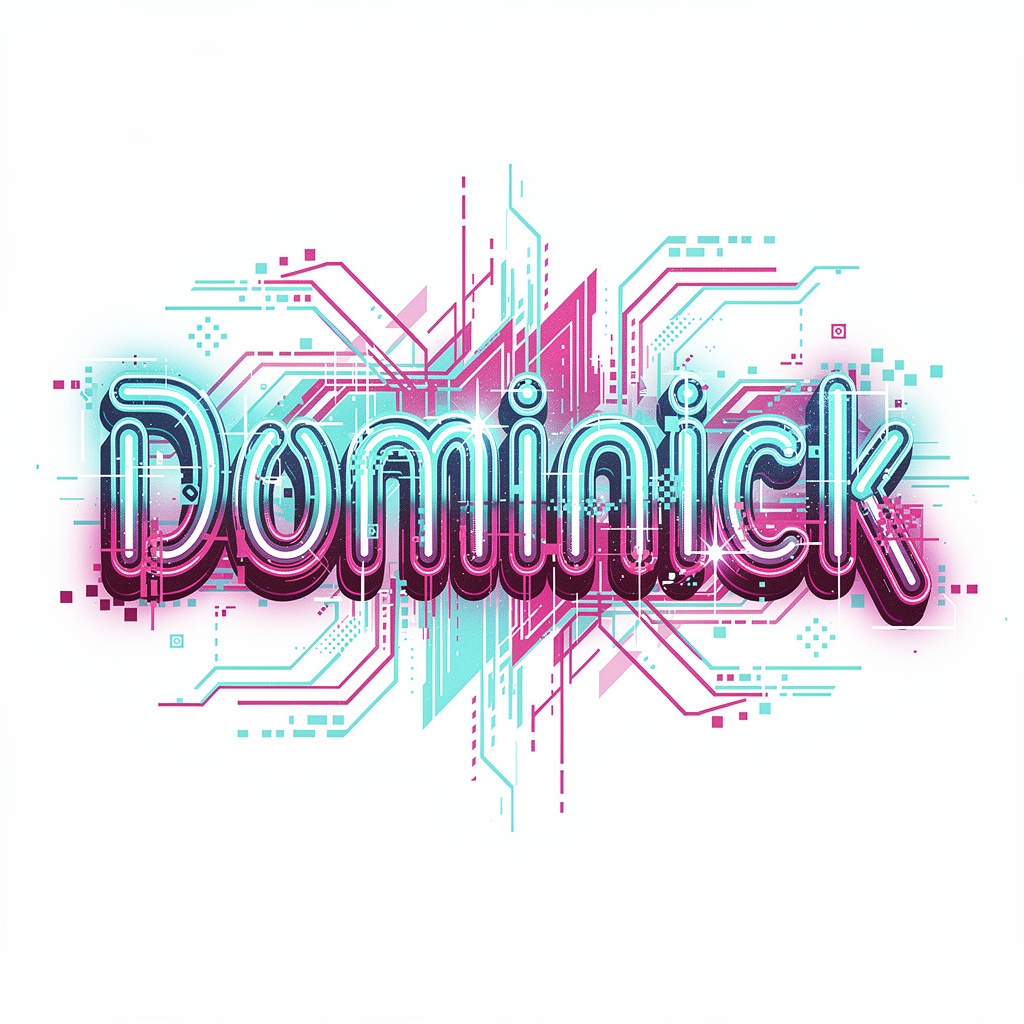
NeonFlux Dominick Name Tattoo Style
Global distribution & gender ratio
United States
80.44% of recorded usage
Female: 1.15% · Male: 98.85%
Brazil
4.06% of recorded usage
Female: 77.27% · Male: 22.73%
Philippines
3.32% of recorded usage
Female: 5.56% · Male: 94.44%
Belgium
2.03% of recorded usage
Female: 0.00% · Male: 100.00%
Canada
1.48% of recorded usage
Female: 12.50% · Male: 87.50%
You may also like
Similar names
Dominic
A classic variant meaning of the Lord, widely used in English-speaking countries.Domenic
An alternative spelling that still carries the meaning belonging to the Lord.Domingo
A Spanish and Portuguese form meaning born on the Lord’s Day or of the Lord.Domenico
An Italian version with the same root meaning of the Lord and strong religious ties.Damian
Though different in origin, often associated with strength and devotion, loosely echoing noble and steadfast qualities.Donovan
An Irish name suggesting dark warrior, chosen by parents seeking a bold, powerful feel.Dominik
Central and Eastern European spelling that shares the meaning of the Lord.Dorian
A refined name linked with nobility and artistic flair, favored for its sophisticated sound.Damien
Variant of Damian, evoking strength and determination in many cultural contexts.Donato
An Italian and Spanish name meaning given or gift, attractive to those who like meaningful, faith-linked names.
Frequently asked questions about dominick
What does the name Dominick mean?
Dominick is derived from the Latin Dominicus and generally means 'of the Lord' or 'belonging to the Lord,' carrying connotations of nobility, honor, and spiritual devotion.
What is the origin of the name Dominick?
The name Dominick comes from the Latin name Dominicus, historically given to children born on Sunday, the Lord's Day. It spread through Christian Europe and appears in many forms such as Dominic, Dominik, Domenico, and Domingo.
Is Dominick a boy or girl name?
Dominick is primarily used as a boy name in most countries, though some parents adapt it or its variants for gender-neutral or creative naming styles.
How popular is the name Dominick?
Dominick has maintained steady use in the United States and other English-speaking countries, peaking in the late 20th and early 21st centuries. It is less common than the variant Dominic but remains familiar and well-recognized.
How do you pronounce Dominick?
Dominick is typically pronounced 'DOM-uh-nik,' with the stress on the first syllable.