
Meaning of the Name Elizabeth
Origin of the Name Elizabeth
Gender Association of the Name Elizabeth
Popularity of the Name Elizabeth
Global Usage of the Name Elizabeth
Characteristic Features of People Named Elizabeth
Intelligent
Individuals named Elizabeth often exhibit a keen intellect, appreciating knowledge and learning. They are considered wise decision-makers.
Graceful
Known for their poise and elegance, Elizabeths tend to have a graceful presence, attracting admiration for their demeanor.
Empathetic
The name often aligns with attributes of empathy and compassion, making them caring individuals who deeply understand others.
Resilient
Elizabeths are marked by their resilience. They can face challenges with a steadfast attitude, often inspiring others with their courage.
Creative
Many Elizabeths are creatively inclined, bringing imagination and artistic flair into their work and personal life.
Loyal
Strongly committed, they are recognized for their loyalty towards family and friends, cherishing relationships deeply.
Dignified
A sense of dignity and pride accompanies people named Elizabeth, allowing them to carry themselves with integrity.
Common Career Paths for People Named Elizabeth
Artists
With a nod to their creativity, Elizabeths often pursue careers in the arts, whether in writing, music, or visual arts.
Leaders
Courage and integrity make many suited for leadership roles, excelling in business, politics, or non-profit sectors.
Educators
Their intelligence and nurturing nature might lead them to careers in teaching, guiding the next generation.
Healthcare Professionals
Empathy draws Elizabeths to healing professions as doctors, nurses, or mental health therapists.
Social Workers
Many find fulfillment in aiding others, pursuing careers in social services or community organizations.
Lawyers
With a sense of justice, Elizabeths may pursue careers in law, advocating for fairness and truth.
Entrepreneurs
Business acumen and creativity often lead them into successful entrepreneurial ventures, building brands and companies.
Unique and Interesting Characteristics of the Name Elizabeth
Royal Association
Many queens share this name, like Queen Elizabeth I and II, cementing its status in history and culture.
Literary Presence
The name is a staple within classic literature, appearing in works like 'Pride and Prejudice' as Elizabeth Bennet.
Adaptability
Across languages, its variations show its versatility—'Elisabeth' in Germany, 'Isabelle' in France.
Religious Significance
This name is the title bearer of biblical figures, seen in Hebrew texts as well as the New Testament.
Historical Figures
Queen Elizabeth I of England, known for her powerful rule and influence during the Elizabethan era.
Symbol of Feminism
Figures like Elizabeth Cady Stanton, who campaigned for women's rights, showcased the strength of the name.
Pop Culture Influence
Featured in several movies and television series, further enhancing its modern appeal and timeless relevance.
Famous People Named Elizabeth
- Queen Elizabeth II: Queen of the United Kingdom
- Elizabeth Taylor: Acclaimed Actress
- Elizabeth Warren: U.S. Senator
- Elizabeth Cady Stanton: Early Women's Rights Activist
- Elizabeth Gilbert: Author, known for 'Eat, Pray, Love'
Elizabeth Name Tattoo Design Collection

Elizabeth Watercolor Bloom Tattoo Concept
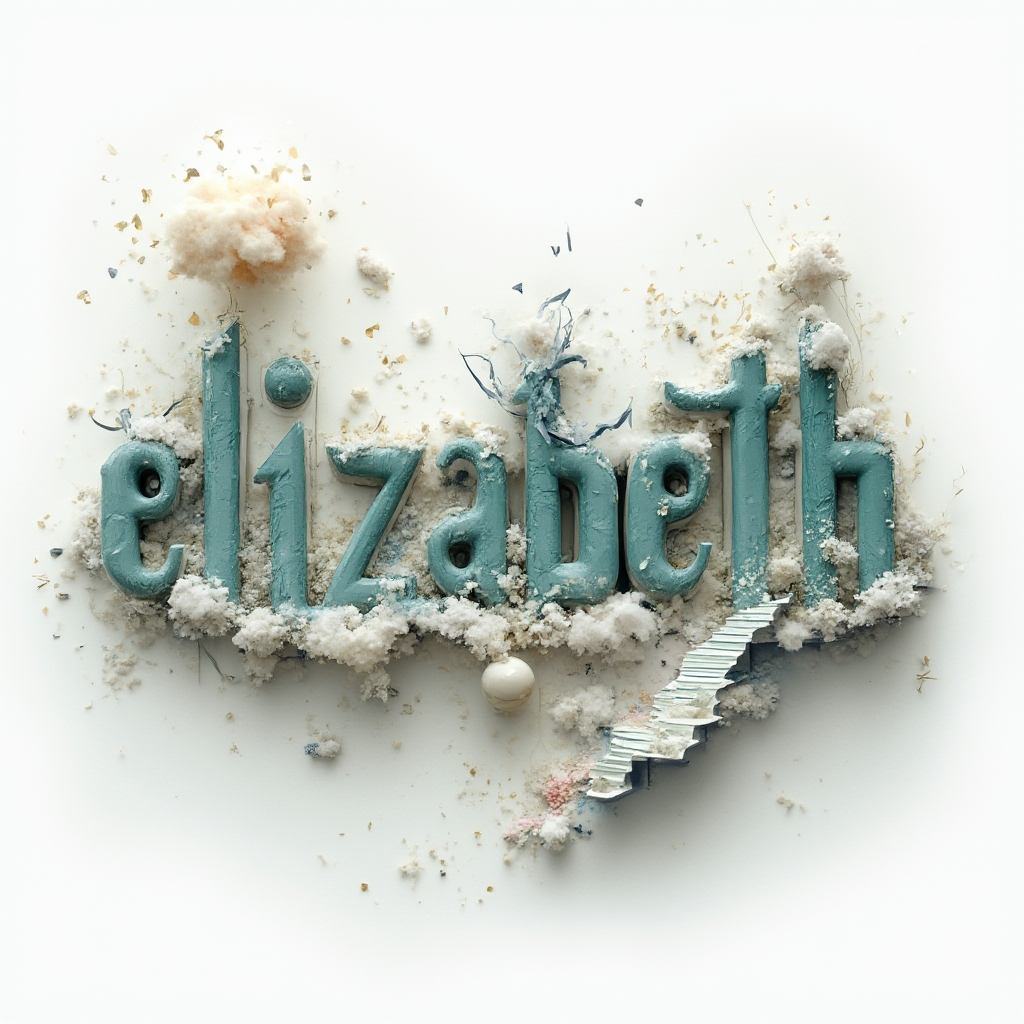
Elizabeth Surreal Dreamscape Name Tattoo
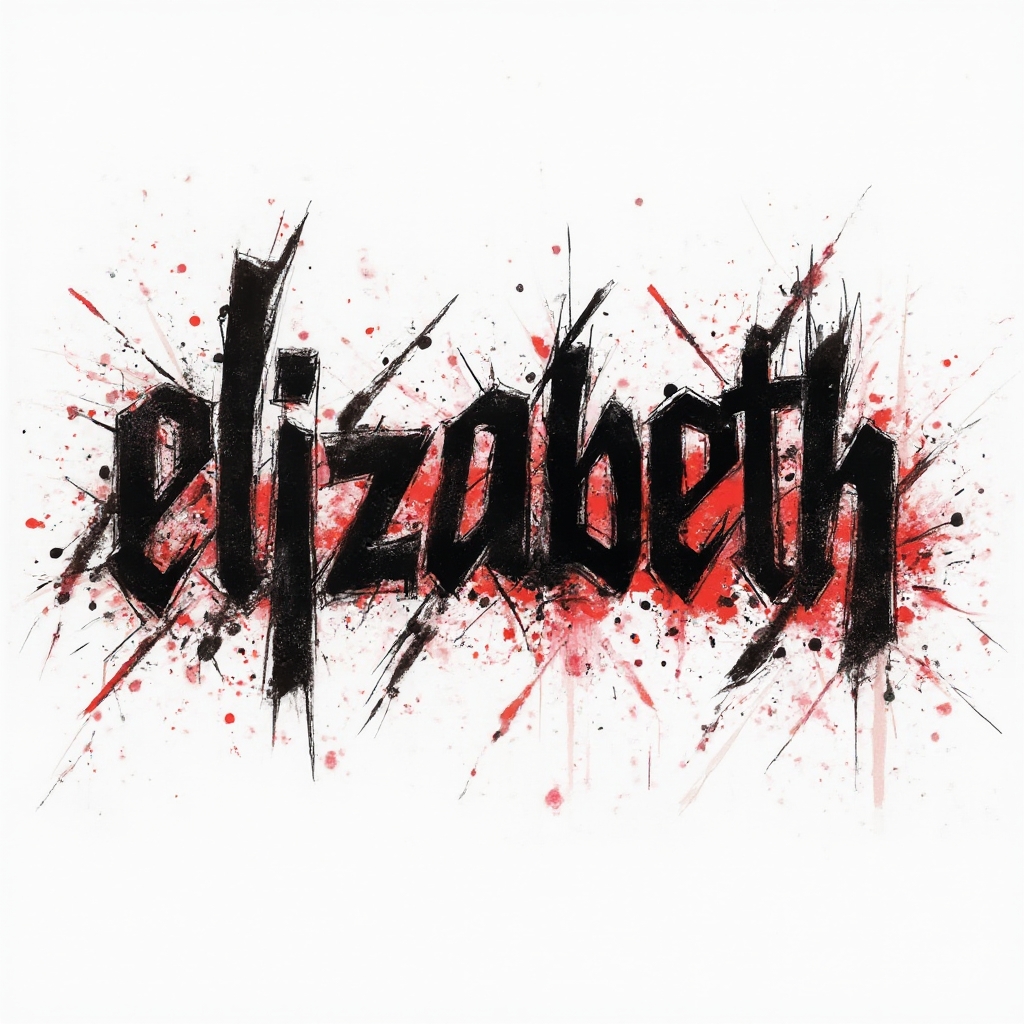
Elizabeth Trash Polka Contrast Name Tattoo
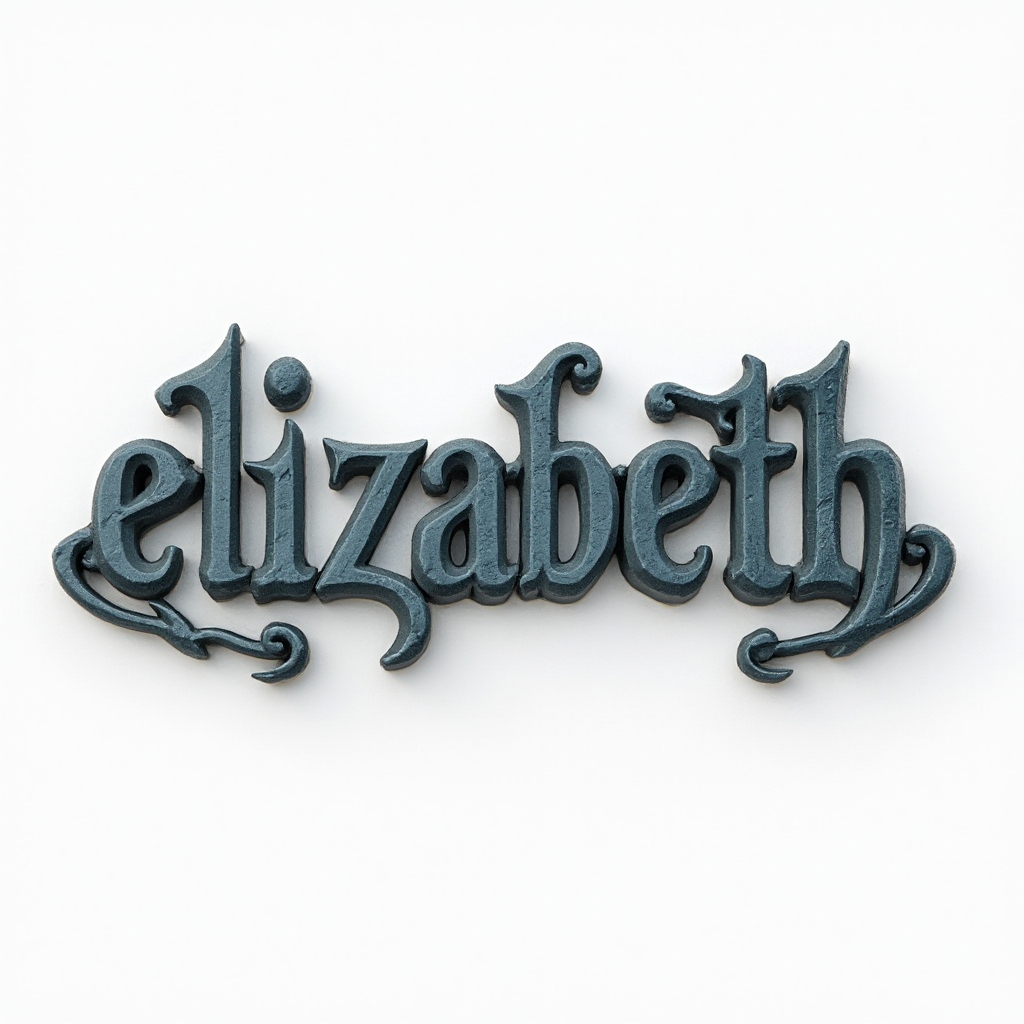
Elizabeth AI-Original-Style Dimensional Name Tattoo
Global distribution & gender ratio
United States
56.16% of recorded usage
Female: 99.86% · Male: 0.14%
Mexico
13.89% of recorded usage
Female: 99.77% · Male: 0.23%
Brazil
7.03% of recorded usage
Female: 99.14% · Male: 0.86%
Indonesia
3.32% of recorded usage
Female: 99.86% · Male: 0.14%
Russia
1.78% of recorded usage
Female: 99.22% · Male: 0.78%
You may also like
Similar names
Isabella
God is my oath, closely resembling Elizabeth, popular in Spanish and Italian culture.Eliza
A variant of Elizabeth, it holds a sophisticated charm, God is my oath.Bethany
Meaning house of figs, often used as a diminutive of Elizabeth.Elsie
A diminutive of Elizabeth, noble and beloved in English-speaking regions.Lisbeth
A form of Elizabeth, commonly used in Scandinavian countries.Elisabeth
The German and French variant, holding the same rich meaning of God is my oath.Isabel
Meaning God is my oath, embracing a more Iberian flavor.Izzy
A modern derivative of Elizabeth, embodying spirited and lively attributes.Liza
Short for Elizabeth, often used in creative and performing arts sectors.Beth
An approachable and friendly iteration of Elizabeth, meaning God is my oath.
Frequently asked questions about elizabeth
What does the name Elizabeth mean?
<strong>Elizabeth</strong> means <strong>Gift-from-God</strong> and <strong>God is Gracious</strong>, often associated with dignity.
What is the origin of the name Elizabeth?
The name <strong>Elizabeth</strong> has its roots in <strong>Hebrew</strong>, from the name Elisheba, widely adopted in Christian times.
What gender is the name Elizabeth associated with?
<strong>Elizabeth</strong> is traditionally <strong>female</strong>, though male variants exist. Its legacy spans queens and cultural icons.
How popular is the name Elizabeth?
<strong>Elizabeth</strong> remains a top choice in the <strong>United States</strong>, <strong>United Kingdom</strong>, and <strong>Canada</strong>.
Where is the name Elizabeth most commonly used?
It enjoys popularity in regions like <strong>Europe</strong> and <strong>North America</strong>, adapting subtlety across languages.
What professions are typical for Elizabeth?
Elizabeths often excel in <b>creative</b> and <b>leadership</b> roles like artists, leaders, educators, and healthcare professionals.
What are the characteristic features of people named Elizabeth?
Intelligent and graceful, Elizabeths are marked by empathy, resilience, and creativity.
What are similar names to Elizabeth?
Names such as Isabella, Eliza, and Isabelle resemble Elizabeth in origin and meaning.
Who are some famous people named Elizabeth?
Notables include <strong>Queen Elizabeth II</strong>, <strong>Elizabeth Taylor</strong>, and <strong>Elizabeth Warren</strong>.