
Meaning of the Name Essam
Origin and Background of Essam
Gender Usage of Essam
Popularity of the Name Essam
Global Usage and Cultural Context of Essam
Personality Traits Associated with Essam
Protective
Essam is often seen as a natural guardian who looks out for loved ones.
Reliable
Essam is valued for consistency, keeping promises, and being dependable.
Responsible
Essam tends to take duties seriously and follows through with care.
Calm
Essam approaches challenges with composure and measured thinking.
Loyal
Essam demonstrates strong commitment to family, friends, and principles.
Professional Paths That Suit the Name Essam
Engineer
Combines analytical thinking with a steady and reliable approach to solving complex problems.
Doctor
Reflects a protective and caring nature focused on safeguarding the health of others.
Lawyer
Advocates for justice and the protection of clients’ rights with determination.
Police Officer
Embodies service, security, and responsibility toward the community.
Teacher
Supports and guides others with patience, structure, and dedication.
Unique and Interesting Facts About Essam
Cultural Heritage
Essam is strongly associated with Arabic-speaking cultures, particularly Egypt, giving the name a clear regional identity.
Meaningful Symbolism
Essam is connected to ideas of protection and safeguarding, making it popular in families that value responsibility and strength.
Transliterations
Essam is sometimes spelled as Isam, Issam, or Esam in Latin scripts, reflecting different dialects and pronunciation habits.
Modern Yet Traditional
Essam balances a classic Arabic origin with a sound that feels accessible and contemporary worldwide.
Famous People Named Essam
- Essam El-Hadary: Legendary Egyptian football goalkeeper, celebrated for his long international career.
- Essam Sharaf: Egyptian academic and politician, former Prime Minister of Egypt.
- Essam Heggy: Egyptian space scientist known for his planetary exploration research.
How to Pronounce Essam in Arabic and Other Languages
/ʕɪˈsˤɑːm/ — عصام
- /ʕ/: Voiced pharyngeal fricative, a deep throat sound common in Arabic.
- /ɪ/: Short vowel, similar to the "i" in "sit."
- /sˤ/: Emphatic "s" sound, pronounced with the back of the tongue raised.
- /ɑː/: Long open "a" sound, like "a" in "father" but held longer.
- /m/: Bilabial nasal, as in the English "m" in "man."
Eh-SAHM
Essam Name Tattoo Ideas in Artistic Styles
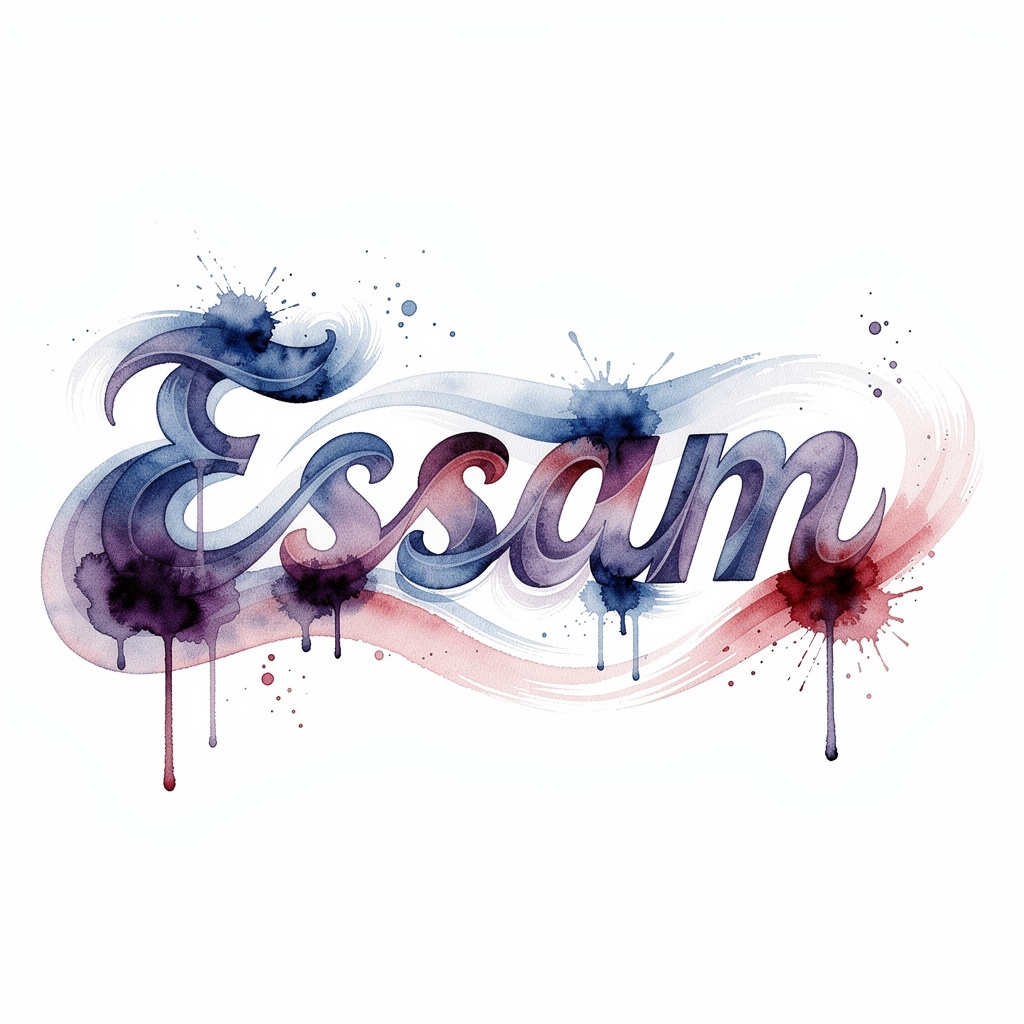
Essam Watercolor Tattoo Design
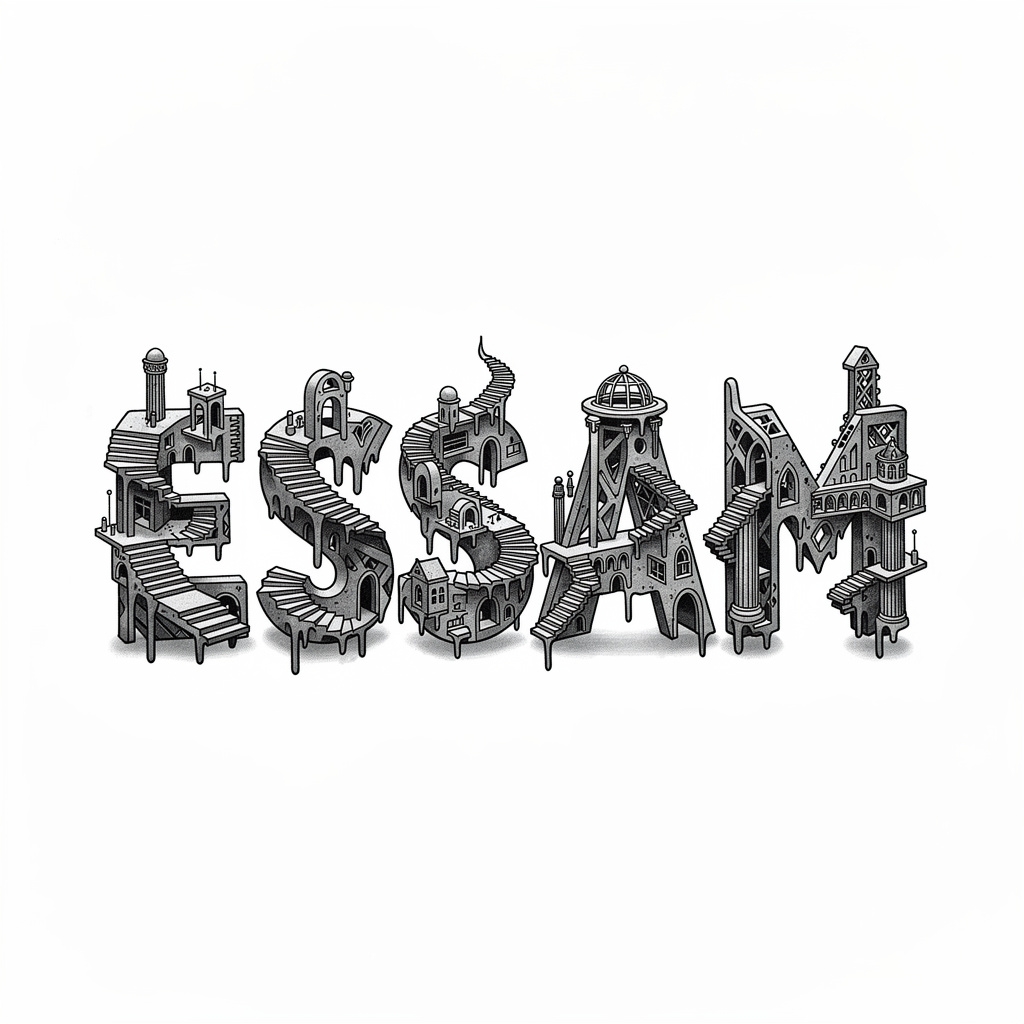
Essam Surrealist Tattoo Concept
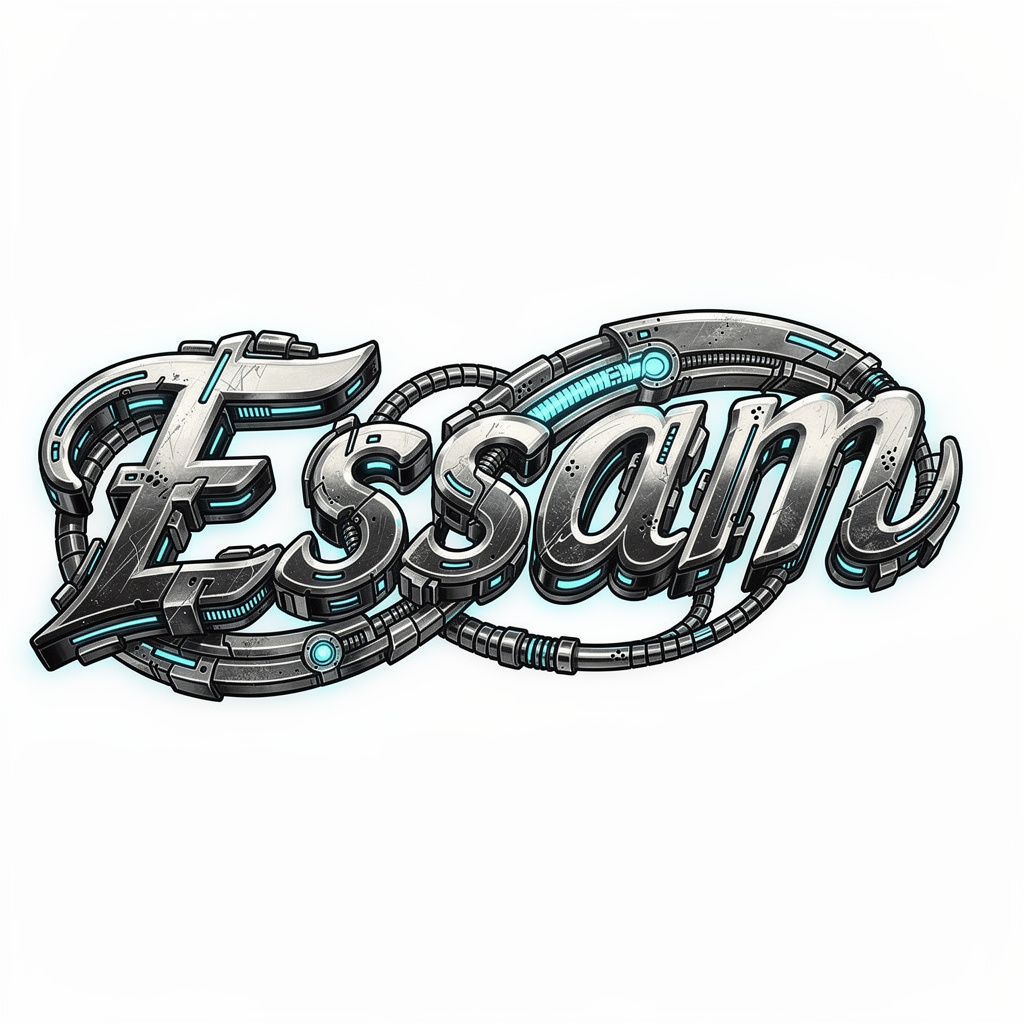
Essam Luminarc Fusion Tattoo Style
Global distribution & gender ratio
Saudi Arabia
52.05% of recorded usage
Female: 1.79% · Male: 98.21%
Egypt
21.46% of recorded usage
Female: 0.00% · Male: 100.00%
Kuwait
4.85% of recorded usage
Female: 3.85% · Male: 96.15%
United States
3.17% of recorded usage
Female: 0.00% · Male: 100.00%
United Arab Emirates
2.80% of recorded usage
Female: 0.00% · Male: 100.00%
You may also like
Similar names
Issam
A close variant with the same Arabic origin and protective meaning, widely used across the Arab world.Isam
Another transliteration that preserves the core protection meaning while offering a simpler spelling.Esam
A spelling variant often used in English contexts, still tied to the same guardian-oriented sense.Bassam
An Arabic name with a distinct root, linked to a smiling or cheerful personality.Hossam
A popular Arabic name associated with strength and sometimes a sharp, decisive character.Ossama
Common in the Arab world, often interpreted with nuances of lion-like courage and bravery.Imad
An Arabic name signifying a pillar or support, echoing themes of stability and reliability.Anwar
Name rooted in the idea of light and brightness, symbolizing guidance and positivity.Khaled
A time-honored name meaning eternal or immortal, conveying lasting impact and legacy.Samir
An Arabic name tied to a companion in evening conversation, evoking friendliness and warmth.
Frequently asked questions about essam
What does the name Essam mean?
Essam is an Arabic male given name associated with protection, safeguarding, and reliability, often linked to someone who acts as a guardian or defender.
What is the origin of the name Essam?
The name Essam originates from classical Arabic, with strong cultural connections to Egypt and the wider Arab world, where it has been used for generations.
Is Essam a boy or girl name?
Essam is primarily used as a male name in Arabic-speaking countries and among global Arab communities.
How do you pronounce Essam?
Essam is commonly pronounced as Eh-SAHM or i-SAM in English, while in Arabic its pronunciation can be represented by the IPA /ʕɪˈsˤɑːm/.
How popular is the name Essam?
Essam is generally considered uncommon globally, but it remains more familiar and consistently used in Egypt, the Middle East, and North African countries.