
Meaning of the Name France
Cultural and Historical Origins of France
Gender Usage of the Name France
Popularity and Trend of the Name France
Global Usage and Pronunciation of France
Personality Traits Associated with France
Independent
Often seen as self-reliant and confident, valuing personal freedom.
Cultured
Associated with art, history, and refinement, reflecting the name’s geographic roots.
Dignified
Carries a calm, composed presence and a sense of inner nobility.
Cosmopolitan
Comfortable in international or multicultural environments.
Resilient
Linked to endurance and the ability to adapt through changing times.
Professional Paths Linked to the Name France
Diplomat
A natural fit for someone whose name evokes a nation and international ties.
Historian
Drawn to studying cultures, events, and stories from the past.
Artist or Designer
Expresses aesthetic sensitivity and a flair for style.
Writer or Journalist
Communicates ideas across borders and audiences.
Professor or Academic
Shares knowledge in humanities, languages, or social sciences.
Unique and Interesting Facts About the Name France
Place-Name as Given Name
France is part of the trend of using countries and cities as first names.
Cross-Cultural Variants
Closely related to Francis, François, Francesco, and other classic names.
Literary and Artistic Resonance
Frequently appears in literature, poetry, and art as a symbol of culture.
Surname Connection
In some regions, France began as a surname referring to someone from the country.
Famous People Named France
- France Prešeren: Revered 19th-century Slovene Romantic poet, considered the greatest Slovenian poet.
- France Bevk: Slovenian writer, translator, and politician known for his novels and children’s literature.
- France A. Córdova: American astrophysicist and former director of the U.S. National Science Foundation.
- France Gélinas: Canadian politician and member of the Ontario Provincial Parliament.
How to Pronounce the Name France (Latin & French Roots)
/fʁɑ̃s/ (French), /fræns/ or /frɑːns/ (English) — France
- /f/: voiceless "f" sound as in "fine"
- /ʁ/: French uvular "r" produced at the back of the throat
- /ɑ̃/: nasal "ah" vowel, similar to "an" in French "sans"
- /s/: clear "s" sound as in "sun"
FRAHNSS (French); FRANS or FRAHNS (English)
Tattoo Design Ideas Featuring the Name France
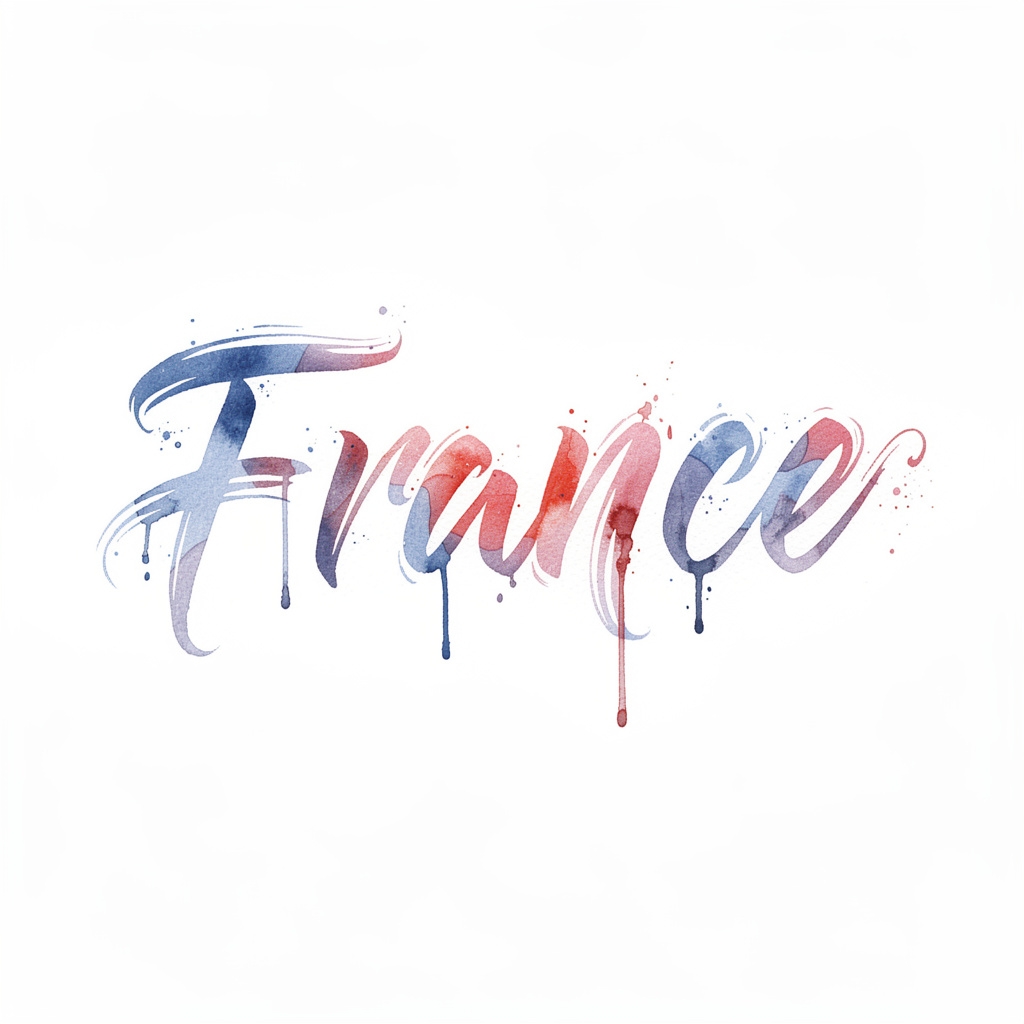
Watercolor France Name Tattoo Design
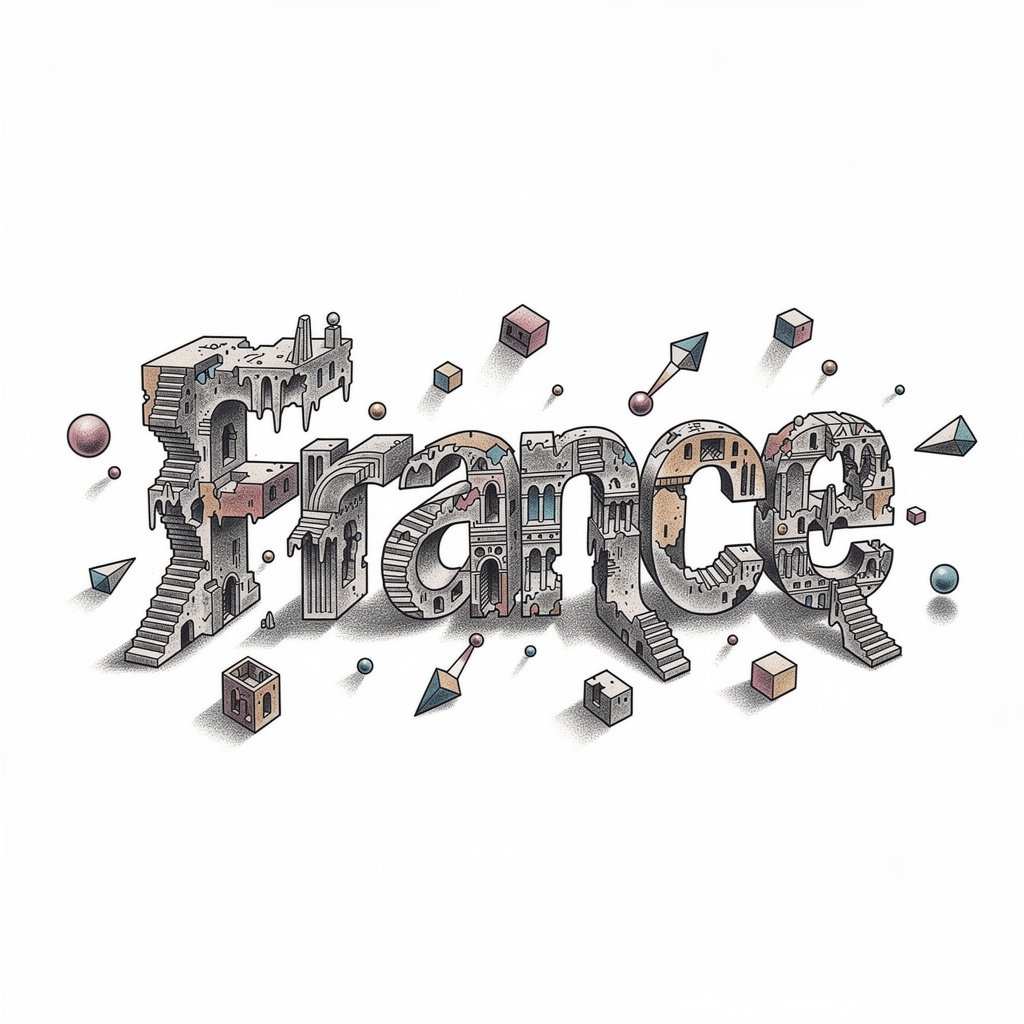
Surrealist France Name Tattoo Concept
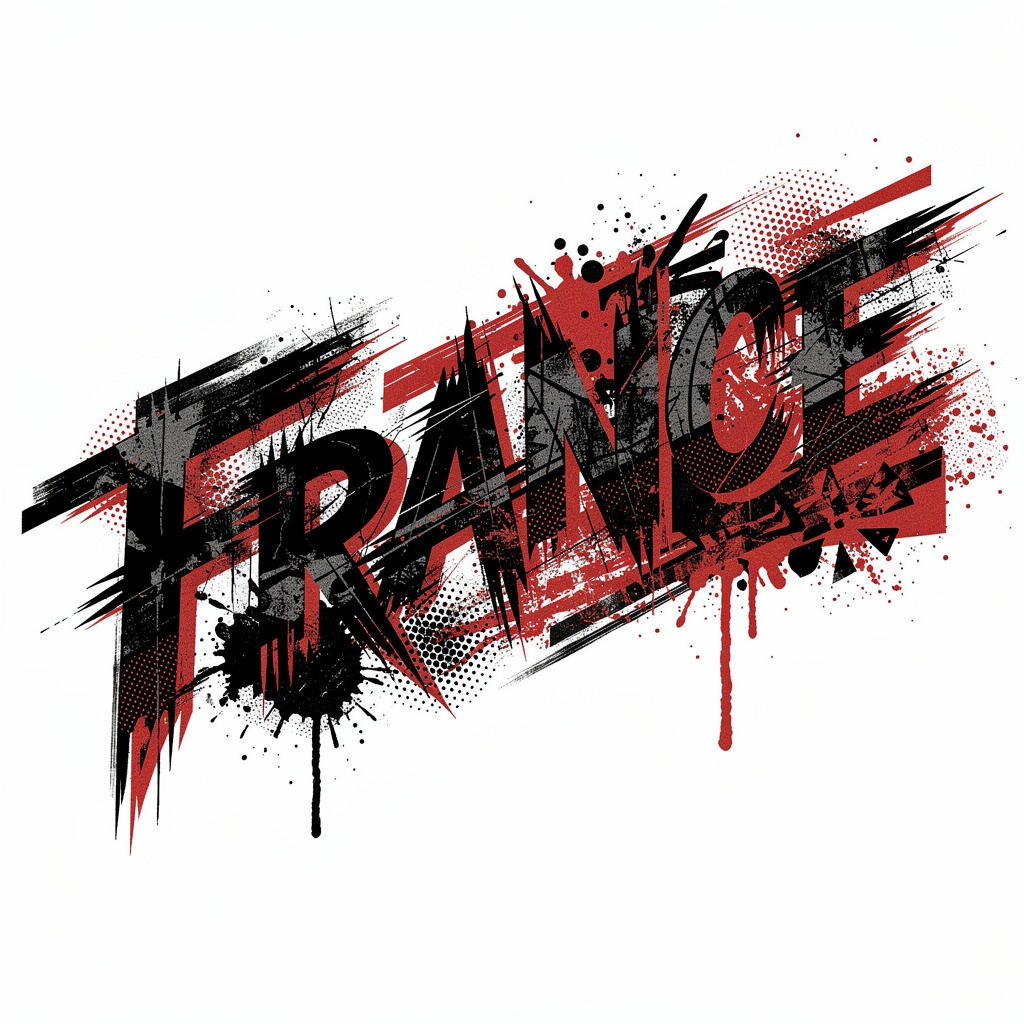
Trash Polka France Name Tattoo Artwork
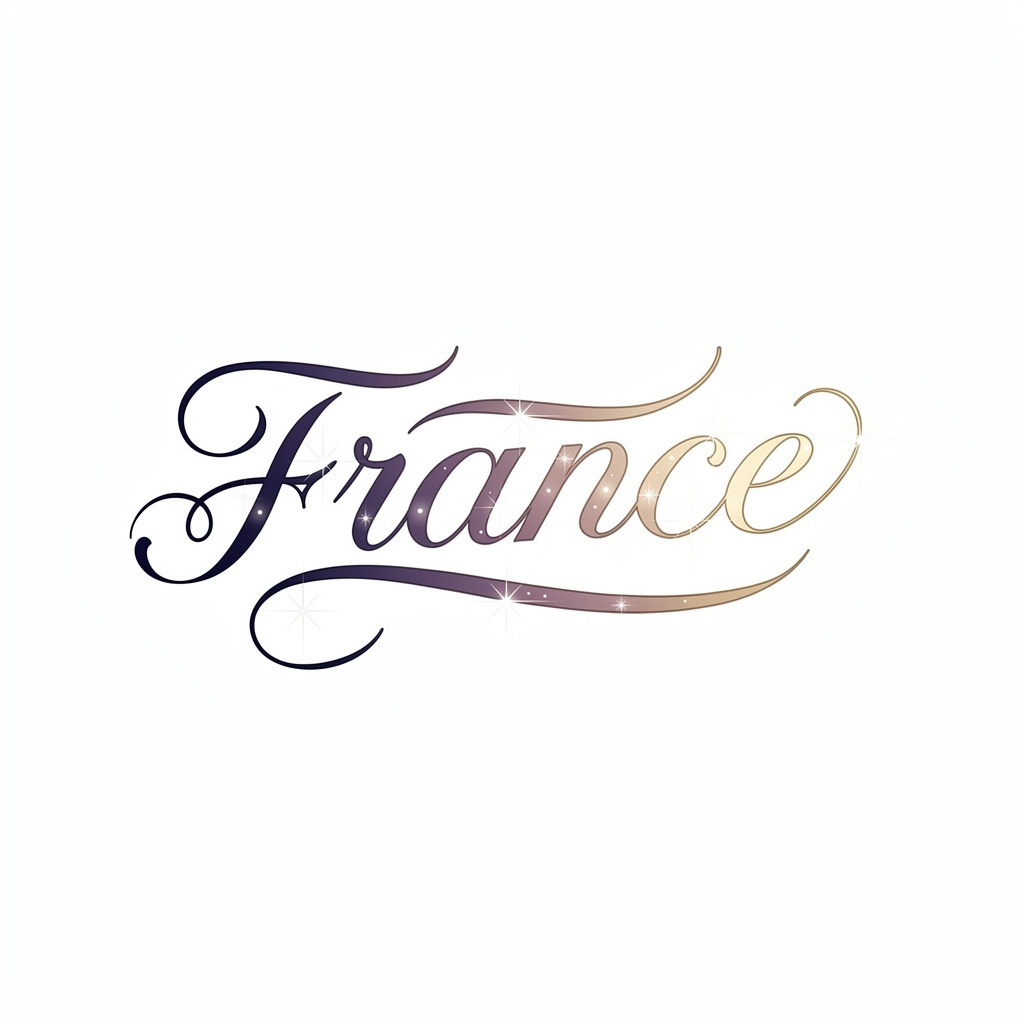
Luminis Script – AI-Original France Name Tattoo Style
Global distribution & gender ratio
Philippines
24.22% of recorded usage
Female: 78.79% · Male: 21.21%
Canada
13.03% of recorded usage
Female: 97.18% · Male: 2.82%
Brazil
12.11% of recorded usage
Female: 81.82% · Male: 18.18%
Belgium
8.26% of recorded usage
Female: 100.00% · Male: 0.00%
France
7.34% of recorded usage
Female: 80.00% · Male: 20.00%
You may also like
Similar names
Francis
Classic name linked to freedom and often associated with religious and historical figures.Frances
Feminine English form traditionally tied to freedom and grace.François
French masculine form connected with the idea of a free person and cultural refinement.Francesca
Romantic Italian form evoking freedom and elegance.Francine
Soft French-influenced name suggesting grace and freedom.Franco
Short, strong form implying free man and bold character.Franz
Germanic variant associated with tradition, art, and freedom.Franka
Slavic and Germanic feminine name tied to freedom and strength.Frank</name>,
Frannie
Informal, friendly diminutive that still carries the root sense of freedom.
Frequently asked questions about france
What does the name France mean?
France as a given name is linked to the idea of a 'free person' and to the historic region associated with the Franks, often symbolizing freedom, nobility, and cultural identity.
What is the origin of the name France?
The name France comes from the Latin 'Francia', meaning the land of the Franks. It is historically tied to the European kingdom and nation of France and is related to names like Francis, François, and Francesco.
Is France a boy or girl name?
France is used for all genders. It is traditionally masculine in Slovene usage, can be feminine or gender-neutral in French and English contexts, and is sometimes chosen as a unisex, place-inspired name.
How popular is the name France?
France is relatively rare as a first name in most countries today, though it has historical usage in parts of Europe and remains familiar as a surname and as the name of a country.
How do you pronounce the name France?
In French, France is typically pronounced /fʁɑ̃s/ (FRAHNSS). In English, common pronunciations are /fræns/ (FRANS) or /frɑːns/ (FRAHNS), similar to the country name.