
Meaning of the Name Ludmilla
Origin and History of Ludmilla
Gender of the Name Ludmilla
Popularity of Ludmilla
Global Usage and Pronunciation of Ludmilla
Personality Traits of People Named Ludmilla
Warm-hearted
Often seen as compassionate and nurturing, drawn to caring for others.
Diplomatic
Naturally inclined to mediate conflicts and seek harmony in relationships.
Intuitive
Possesses strong emotional insight, sensing the needs and feelings of those around them.
Resilient
Able to withstand challenges with quiet strength and determination.
Cultured
Frequently interested in arts, languages, and cross-cultural experiences.
Career Paths Suited to the Name Ludmilla
Counselor or Psychologist
A natural fit for someone empathetic and people-focused.
Diplomat or International Relations Specialist
Ideal for bridging cultures and fostering understanding.
Teacher or Professor
Sharing knowledge and mentoring others in a supportive way.
Artist or Performer
Expressing creativity through music, theatre, or visual arts.
Nonprofit or Social Worker
Advocating for communities and vulnerable groups.
Unique and Interesting Facts About the Name Ludmilla
Saintly Heritage
Linked to Saint Ludmila of Bohemia, a revered figure in Christian history.
Multiple Spellings
Common variants include Ludmila, Lyudmila, and Ludmyla, each tied to different languages.
Literary Presence
Appears in Slavic literature and poetry, symbolizing devotion and inner strength.
Cross-Cultural Appeal
Used both in Eastern Europe and Latin America, giving it a broad international feel.
Vintage Revival
Considered a charming, old-world name that fits modern trends for distinctive classics.
Famous People Named Ludmilla
- Ludmilla (Ludmila Oliveira da Silva): Brazilian singer and songwriter known for funk carioca and pop music.
- Lyudmila Pavlichenko: Legendary Soviet World War II sniper, often called “Lady Death.”
- Lyudmila Ulitskaya: Award-winning Russian novelist and short story writer.
- Lyudmila Pakhomova: Soviet ice dancer and Olympic champion.
- Lyudmila Zykina: Celebrated Russian folk and traditional singer.
How to Pronounce Ludmilla in Slavic Languages
/lʊdˈmiːlə/ — Людмила
- /lʊd/: “lud” with a short, rounded “u,” like in “book.”
- /ˈmiː/: stressed “mee,” a long clear “ee” sound.
- /lə/: soft “lə,” similar to the final “a” in “sofa.”
lood-MEE-luh
Tattoo Ideas Featuring the Name Ludmilla
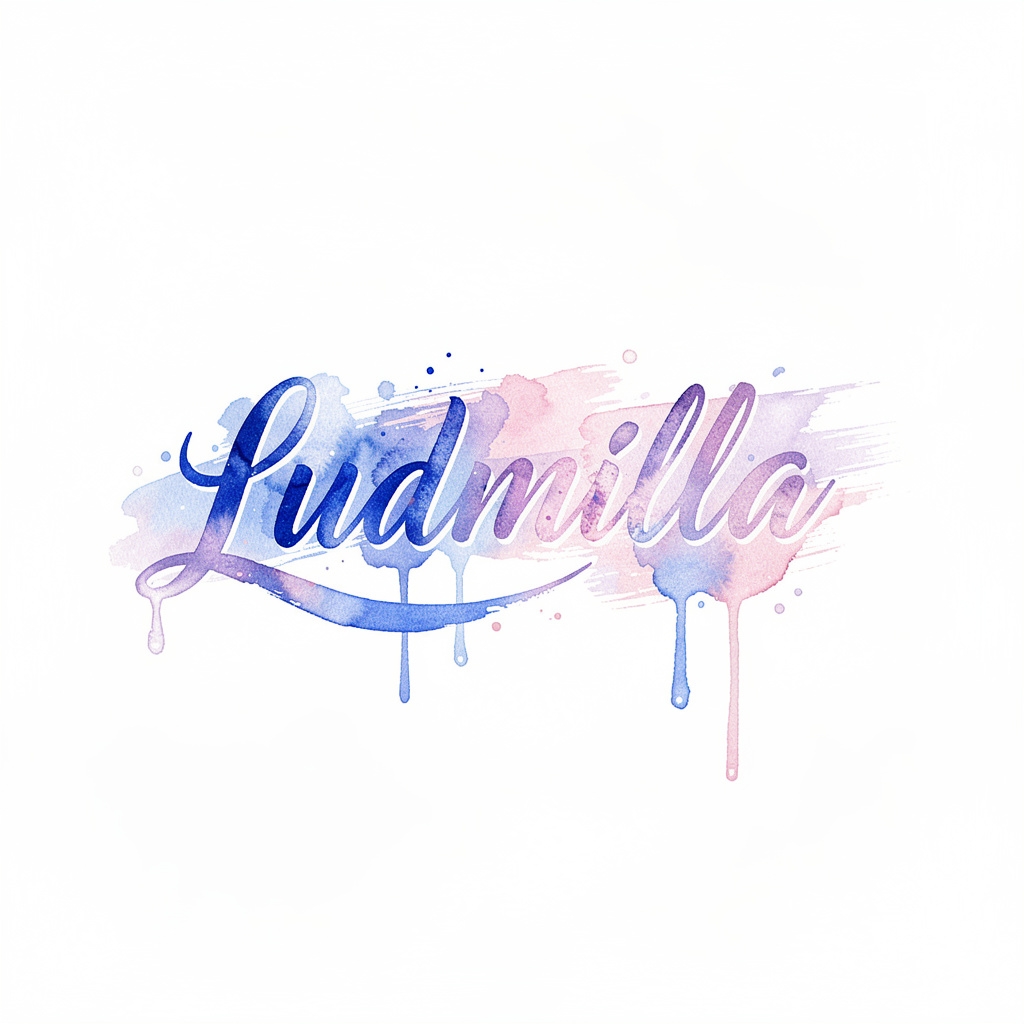
Watercolor Ludmilla Tattoo Design
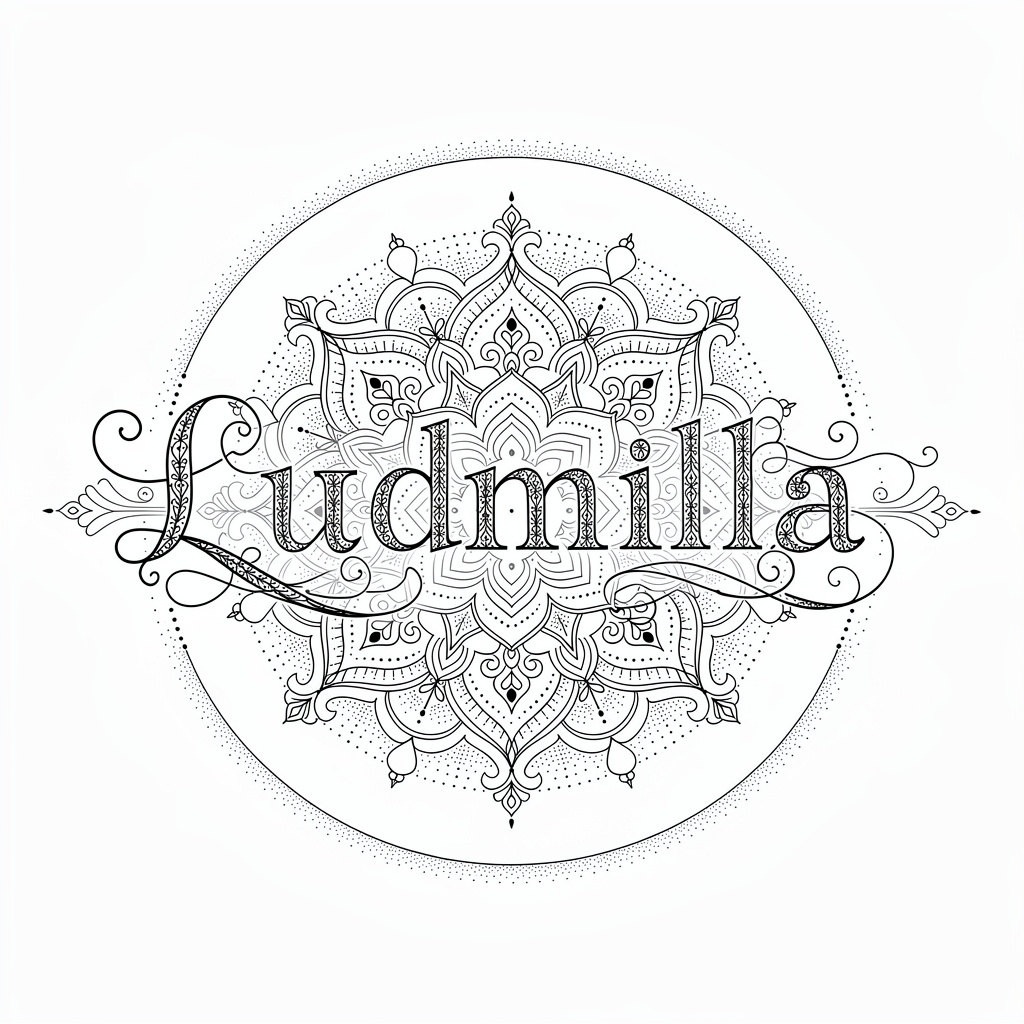
AI-Original-Style Ludmilla Tattoo Design
Global distribution & gender ratio
Brazil
88.85% of recorded usage
Female: 98.77% · Male: 1.23%
United States
2.74% of recorded usage
Female: 100.00% · Male: 0.00%
Indonesia
1.83% of recorded usage
Female: 100.00% · Male: 0.00%
Italy
0.73% of recorded usage
Female: 100.00% · Male: 0.00%
Belgium
0.73% of recorded usage
Female: 100.00% · Male: 0.00%
You may also like
Similar names
Ludmila
A close Slavic variant meaning dear to the people, widely used in Russia and Eastern Europe.Lyudmila
Russian transliteration with the same sense of beloved by the people and traditional Slavic charm.Milena
A Slavic name linked to grace and dear, sharing the same affectionate root elements.Mila
Short and modern, often interpreted as gracious or dear, popular across Europe and the Americas.Lydia
Greek-origin name associated with beauty and nobility, offering a similar elegant feel.Lumina
A lyrical name connected with light and inner radiance, echoing Ludmilla’s gentle tone.Ludivine
French name related to friend of the people or beloved, sharing the communal theme.Emilia
Latin-rooted name tied to striving and gentleness, stylistically similar and melodic.Camilla
Ancient Roman name associated with service and devotion, refined and international.Daniela
A popular international name, often linked to God is my judge, with a comparable feminine softness.
Frequently asked questions about ludmilla
What does the name Ludmilla mean?
Ludmilla is a Slavic female name commonly interpreted as ‘beloved of the people’ or ‘gracious to the people,’ combining elements meaning ‘people’ and ‘dear.’
What is the origin of the name Ludmilla?
The name Ludmilla has Slavic origins, especially in Czech and Russian cultures. It is historically linked to Saint Ludmila of Bohemia, an important early Christian figure in Central Europe.
Is Ludmilla a common baby name?
Ludmilla is moderately popular in Slavic regions and parts of Latin America, especially in its variant Ludmila. In English-speaking countries, it is rare, making it a distinctive and uncommon choice.
How do you pronounce Ludmilla?
In English, Ludmilla is typically pronounced as ‘lood-MEE-luh,’ with the stress on the second syllable. In Slavic languages, the pronunciation may be closer to ‘lyood-MEE-la.’
What are some similar names to Ludmilla?
Names similar to Ludmilla include Ludmila, Lyudmila, Milena, Mila, Lydia, Lumina, Ludivine, Emilia, Camilla, and Daniela, sharing either Slavic roots, melodic sound, or related meanings.