
Meaning of the Name Mao
Cultural and Linguistic Origins of Mao
Gender Usage of Mao
Popularity and Trends of Mao
Global Usage and Pronunciation of Mao
Personality Traits Associated with Mao
Creative
Often linked to artistry, people named Mao are imagined as naturally expressive and imaginative.
Independent
The concise, distinctive sound suggests a self-reliant personality who values personal freedom.
Graceful
Especially in Japanese contexts, Mao is associated with elegance, poise, and refined manners.
Curious
The name evokes an inquisitive mind, eager to explore ideas, cultures, and new experiences.
Resilient
Its strong, clear sound hints at inner strength and the ability to adapt to changing circumstances.
Career Paths and Professional Orientation for Mao
Artist or Designer
The name suits creative professions that rely on visual imagination and aesthetic sense.
Performer
Dancers, actors, or musicians named Mao may find their memorable name an asset on stage.
Writer or Journalist
Its concise signature looks striking in print, fitting careers in media and literature.
Entrepreneur
The distinctive sound of Mao can work well as a brand-friendly name in business and startups.
Academic or Researcher
The name’s global feel matches careers that cross borders and involve international collaboration.
Unique and Interesting Facts About Mao
Multiscript Name
Mao can be written in kanji, Chinese characters, or Latin letters, giving it visual versatility.
Cultural Bridge
It often serves as a connector between Japanese, Chinese, and international naming traditions.
Minimalist Appeal
With just three letters, Mao fits modern preferences for short, stylish names.
Memorable Sound
Its strong vowel ending and simple consonant make it easy to recall across languages.
Frequent in Pop Culture
Anime, manga, and entertainment media have helped bring Mao to wider global attention.
Famous People Named Mao
- Mao Asada: Japanese figure skater, multiple-time world champion and Olympic medalist.
- Mao Ichimichi (M·A·O): Japanese actress and voice actress known for roles in anime and television.
- Mao Abe: Japanese singer-songwriter recognized for her pop and rock-influenced music.
- Mao Inoue: Japanese actress famous for her work in television dramas and films.
- Mao Buyi: Chinese singer-songwriter known for his emotive lyrics and popular ballads.
How to Pronounce Mao in Japanese and Other Languages
/ma.oː/ (Japanese), /maʊ/ (English approximation) — 真央 (one common kanji form)
- /ma/: open "ma" sound, like "ma" in "mama".
- /oː/: a long "oh" sound, held slightly longer than in English "mop".
- /maʊ/: in English, a single syllable rhyming with "now," blending "a" and "u" sounds.
MAH-oh (Japanese), MOW (English, rhymes with “now”)
Tattoo Design Ideas Featuring the Name Mao

Watercolor Mao Name Tattoo Design
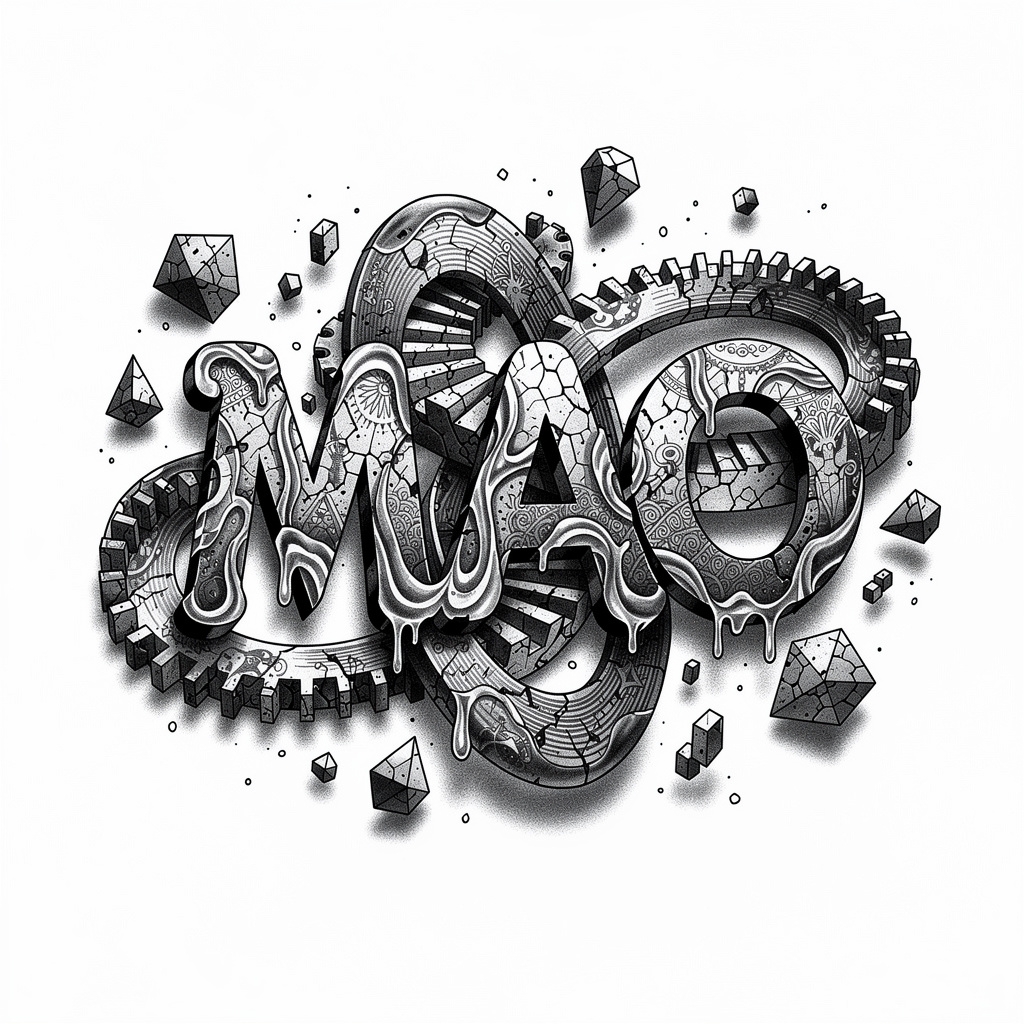
Surrealist Mao Name Tattoo Concept
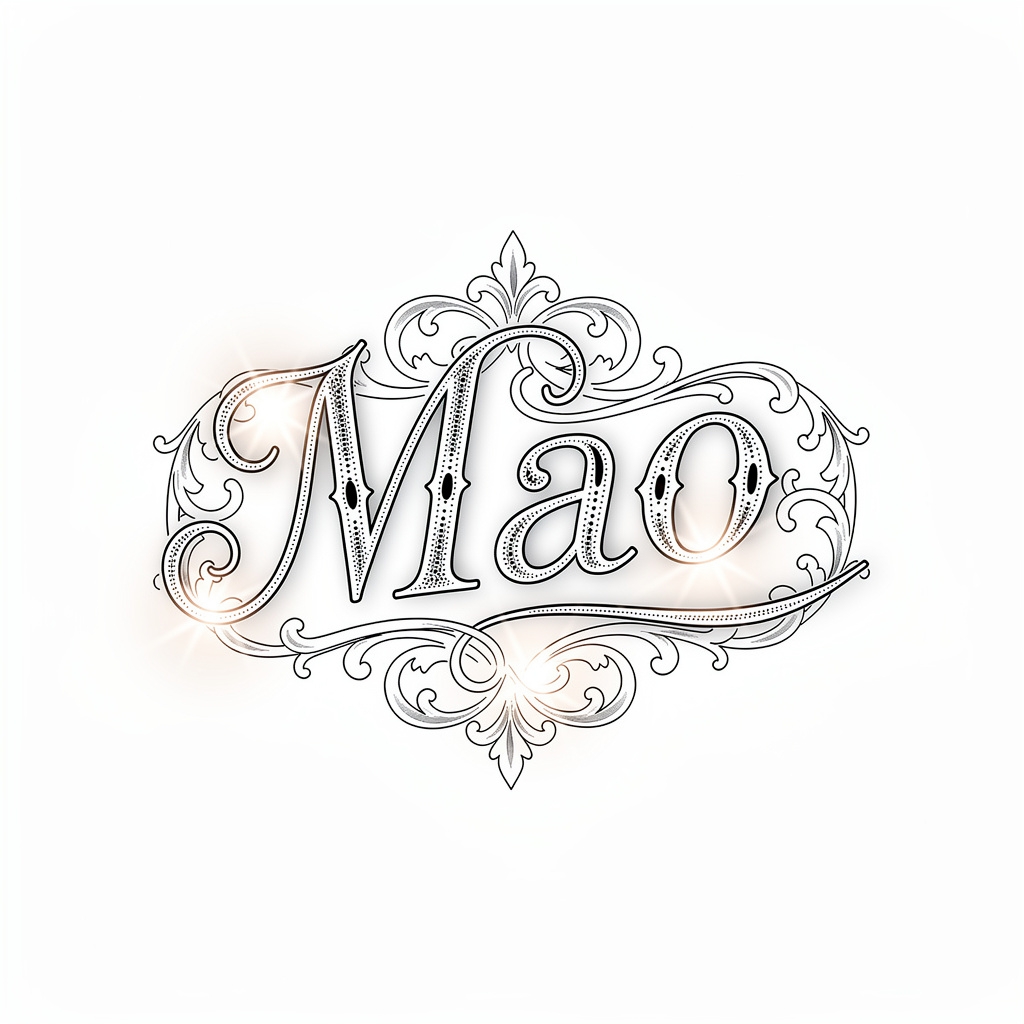
Luminara-Fusion Mao Name Tattoo Style
Global distribution & gender ratio
Japan
13.60% of recorded usage
Female: 68.92% · Male: 31.08%
Mexico
11.76% of recorded usage
Female: 3.13% · Male: 96.88%
Colombia
10.48% of recorded usage
Female: 1.75% · Male: 98.25%
United States
8.27% of recorded usage
Female: 15.56% · Male: 84.44%
Philippines
7.72% of recorded usage
Female: 47.62% · Male: 52.38%
You may also like
Similar names
Nao
Shares a short, modern sound and can carry meanings like honest or straight in Japanese.Mio
A Japanese name with melodic rhythm, often meaning beautiful cherry blossom or waterway depending on kanji.Maoa
A rare variant-style name with a soft flow, sometimes created to evoke gentleness or uniqueness.Maya
Used worldwide, with meanings such as illusion (Sanskrit), water (Hebrew via Maia), or beloved.Mika
An international name that can mean beautiful fragrance (Japanese) or is short for who is like God in some contexts.Mei
Common in Chinese, often meaning beautiful or plum blossom, sharing Mao’s brief, elegant style.Mai
Found in several cultures, with meanings like dancer, brightness, or spring, depending on origin.Miu
A Japanese name with a light, airy sound, sometimes meaning beautiful feather or gentle rain.Maoz
A Hebrew name meaning fortress or strength, phonetically similar but with a distinct heritage.Naoe
A Japanese name or surname that echoes Nao and Mao, often tied to meanings like straight or honest.
Frequently asked questions about mao
What is the meaning of the name Mao?
Mao is a short, multi-origin name whose meaning depends on the language and characters used. In Japanese, it can combine kanji for concepts like dance, truth, or center with blossoms or harmony, while in Chinese various characters can mean cat, luxuriant, or hair.
What is the origin of the name Mao?
The name Mao is most strongly associated with Japanese and Chinese origins. In Japan it is usually a given name written in kanji, whereas in Chinese it is well known as a surname but can also appear as a given name with different characters and tones.
Is Mao a boy's name, a girl's name, or unisex?
Mao is generally considered a gender-neutral or unisex name. In Japan it is especially common for girls, while in Chinese-speaking contexts it may be used for any gender depending on the specific characters chosen. Internationally, it is often chosen for its nonbinary, modern feel.
How do you pronounce Mao?
In Japanese, Mao is typically pronounced MAH-oh, often written in kanji such as 真央. In English contexts, it is commonly pronounced as a single syllable, MOW, rhyming with 'now'. In Mandarin Chinese, pronunciation and tone vary with the character used.
How popular is the name Mao?
Mao is relatively uncommon as a given name in Western countries, which makes it stand out as distinctive. It has periodic visibility in Japan and Chinese-speaking regions, particularly due to public figures and fictional characters, but it generally remains outside the very top baby-name rankings.