
Meaning of the Name Mary
Origin of the Name Mary
Gender Association of the Name Mary
Popularity of the Name Mary
Global Usage of the Name Mary
Characteristic Features of People Named Mary
Compassionate
Individuals named Mary are often warm-hearted and empathetic, well-known for their caring nature.
Intuitive
They have a strong intuitive understanding of situations, often relying on their instincts to guide them.
Resilient
Marys are perceived as strong and resilient, able to navigate life's challenges with grace.
Traditional
Many Marys possess a love for tradition, valuing historical roots and customs which brings a sense of continuity to their lives.
Spiritual
Often spiritually inclined, Marys show a propensity towards faith and belief systems that provide them with inner peace.
Artistic
A creative streak is common, with interests in art, music, and literature reflecting their inner world.
Diplomatic
They exhibit diplomatic skills, effectively mediating and communicating within complex social environments.
Common Career Paths for People Named Mary
Healthcare
Many named Mary are drawn to caregiving professions such as nurses, therapists, or doctors, embodying their nurturing spirit.
Education
Teaching and academic fields attract Marys, where they can pass on knowledge and wisdom.
Art and Design
Creativity finds expression as Marys often engage in careers in art, design, or as performers.
Business Leadership
Some Marys take to business and entrepreneurship, leveraging their strong organizational abilities.
Social Work
Driven by empathy, Marys participate in community and social services, advocating for welfare.
Religious Vocations
They find fulfillment in religious roles, contributing through church or spiritual leadership.
Literature
Writing and journalism appeal to many Marys, attracted by storytelling and communications.
Unique and Interesting Characteristics of the Name Mary
Pop Culture
Mary is embedded in popular songs and movies, like 'Mary Poppins' and 'Proud Mary', resonating in various entertainment forms.
Historical Figures
Historical figures like Mary, Queen of Scots and Mary Anning, lend the name historic prestige.
Religious Significance
Key biblical references, especially to the Virgin Mary, reinforce its sacred nature.
Cultural Resonance
In literature, modern takes like 'Mary Mallon' (Typhoid Mary) add intriguing layers.
Artistic Representation
Frequently depicted in art, from the Renaissance to contemporary works, reinforcing its solemn and visionary identity.
Literature Influence
Characters such as 'Mary Lennox' from 'The Secret Garden' highlight developmental and transformative arcs.
Language Variations
Across global languages, the representation of 'Mary' in linguistics illustrates its universal reach and adaptation.
Famous People Named Mary
- Mary Shelley: Author of 'Frankenstein'
- Mary Queen of Scots: Historical Monarch
- Mary J. Blige: Grammy Award-winning Singer
- Mary Anning: Pioneering Paleontologist
- Mary Kom: World Champion Boxer
Tattoo design prompts for the name 'mary'
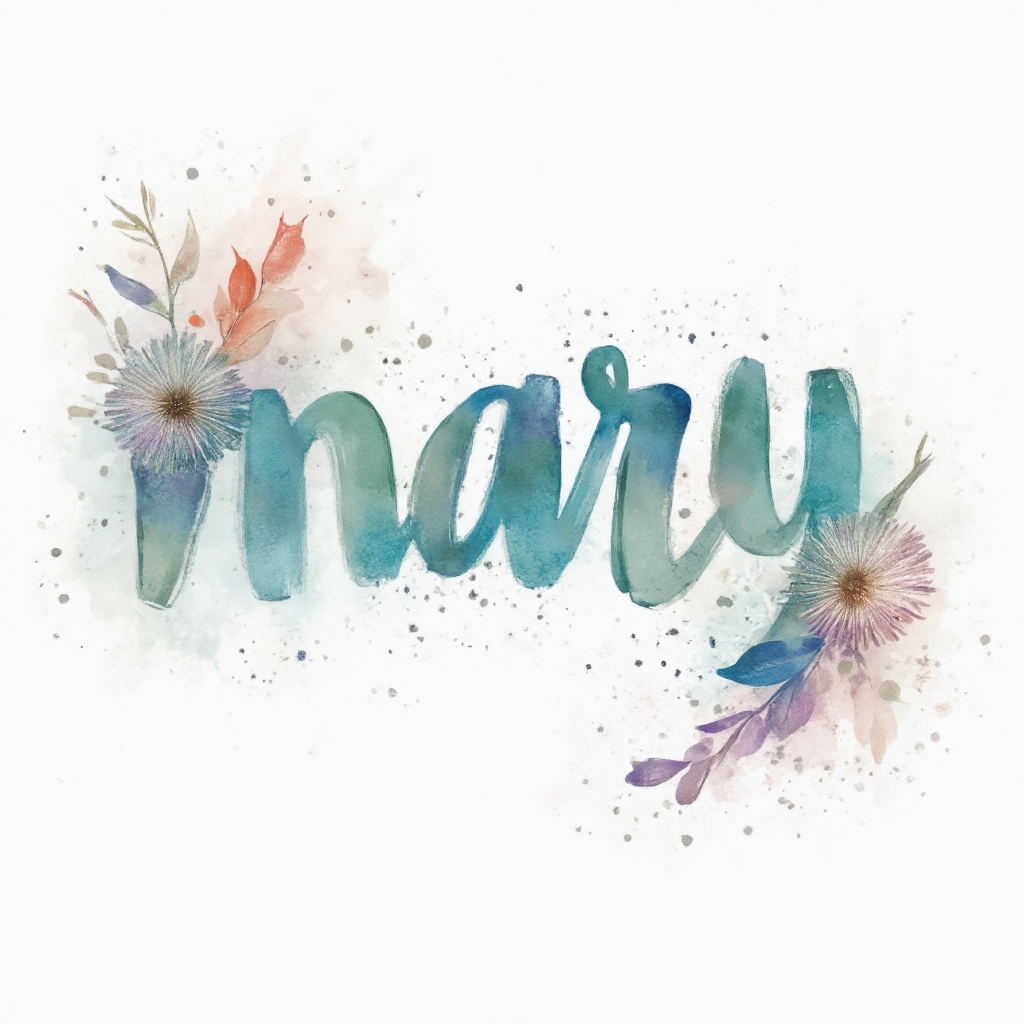
Watercolor Mary Bloom

Surreal Celestial Mary
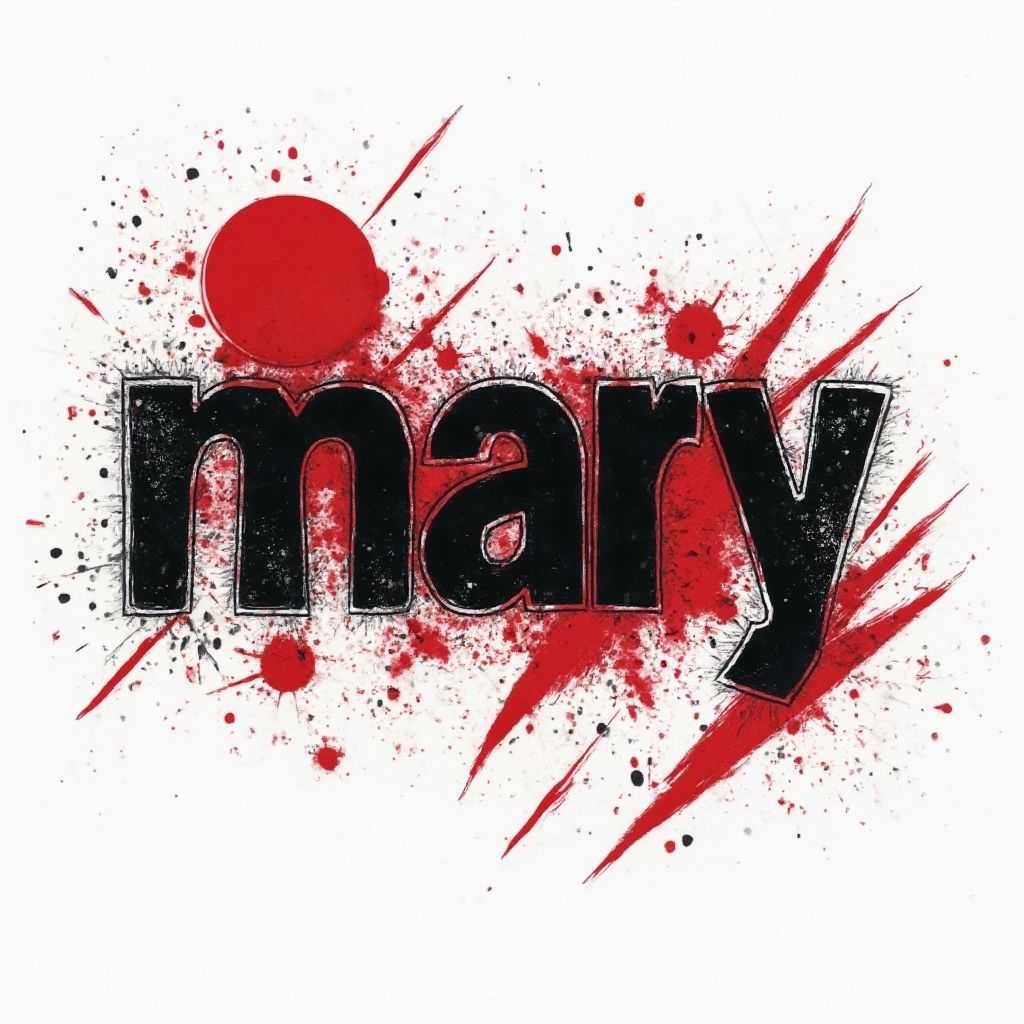
Trash Polka Mary Clash
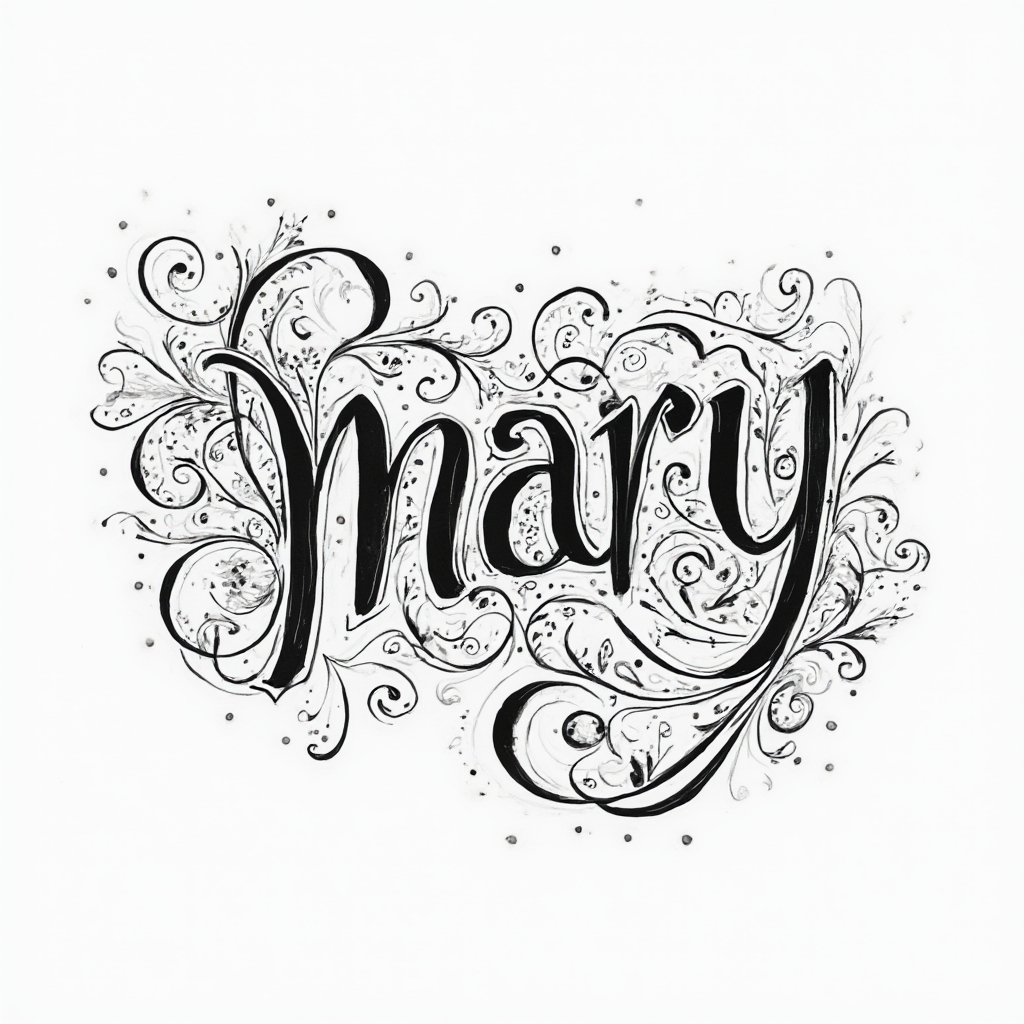
AI-Original-Style Mary Aura
Global distribution & gender ratio
United States
49.34% of recorded usage
Female: 99.71% · Male: 0.29%
Brazil
9.14% of recorded usage
Female: 98.60% · Male: 1.40%
Philippines
8.65% of recorded usage
Female: 99.59% · Male: 0.41%
Mexico
6.75% of recorded usage
Female: 99.53% · Male: 0.47%
Russia
4.84% of recorded usage
Female: 99.49% · Male: 0.51%
You may also like
Similar names
Maria
A common variant of Mary, Maria shares the meaning of “beloved” or “sea of bitterness” and is widely used in Spanish-speaking countries.Marie
The French form of Mary, Marie holds a similar endearing meaning, often denoting a “wished-for child”.Miriam
The original form in Hebrew, Miriam carries historical weight and means “wished-for child”.Mariah
An evolved version in English, Mariah shares the same essence, reflecting its strong musical association.Mara
A more modern, simplified name from the root Mary, still carrying the legacy of “sea of bitterness”.Molly
A diminutive of Mary, the name holds a playful note while retaining “beloved” connotations.Maire
An Irish variant, Maire is linked to the affectionate meaning of Mary and its spiritual resonance.Moira
The Scottish Gaelic form, offering a distinct phonetic twist while maintaining the original significance.Mair
In Welsh, Mair parallels Mary yet stands out for its unique linguistic texture.Maren
A potential offshoot, suggesting a mild form, resonating with a modern interpretation of “beloved”.