
Meaning of the Name Pınar
Cultural and Linguistic Origin of Pınar
Gender Usage of the Name Pınar
Popularity of the Name Pınar
Global Usage and Pronunciation of Pınar
Personality Traits Associated with Pınar
Refreshing
Brings new energy and perspective to people and situations, like a clear spring.
Empathetic
Sensitive to others’ feelings and able to offer emotional support.
Creative
Has a rich imagination and a talent for artistic or original expression.
Reliable
Seen as a steady source of help and stability for friends and family.
Optimistic
Tends to look for hope and possibility even in difficult circumstances.
Professional Paths Suited to the Name Pınar
Counselor or Psychologist
Supporting others emotionally and mentally, acting as a source of clarity.
Writer or Poet
Expressing depth and fluidity of thought through language and storytelling.
Environmental Scientist
Working with water resources, ecology, or conservation fields.
Designer or Artist
Turning imagination into visual or spatial creations with a flowing aesthetic.
Teacher or Academic
Sharing knowledge and guiding others’ personal or intellectual growth.
Unique and Interesting Facts About Pınar
Nature-Derived Name
Directly tied to a landscape feature, it reflects deep cultural admiration for natural beauty.
Common in Brand Names
Used by Turkish companies, especially in food and beverage, due to its association with freshness.
Literary Resonance
Appears in Turkish poems and songs as a symbol of purity, longing, and life.
Diacritic Distinction
The dotless “ı” makes it visually and phonetically unique in Latin-based scripts.
Famous People Named Pınar
- Pınar Deniz: Turkish actress known for her roles in popular TV series and films.
- Pınar Selek: Turkish sociologist, writer, and feminist activist.
- Pınar Kür: Turkish author and academic specializing in literature and criticism.
- Pınar Aylin: Turkish pop singer who rose to fame in the 1990s.
- Pınar Yıldırım: Turkish economist and academic working in marketing and media research.
How to Pronounce Pınar in Turkish
/pɯˈnaɾ/ — Pınar
- /p/: Like p in “spin,” a soft p sound at the beginning.
- /ɯ/: The Turkish dotless ı, a close back unrounded vowel with no direct English equivalent.
- /ˈna/: Stressed “nah” syllable, open and clear.
- /ɾ/: A quick, single tap r, similar to the r in some Spanish pronunciations.
puh-NAHR (with the first vowel like the second "a" in "sofa," but further back in the mouth).
Tattoo Design Ideas for the Name Pınar

Watercolor Pınar Name Tattoo Design
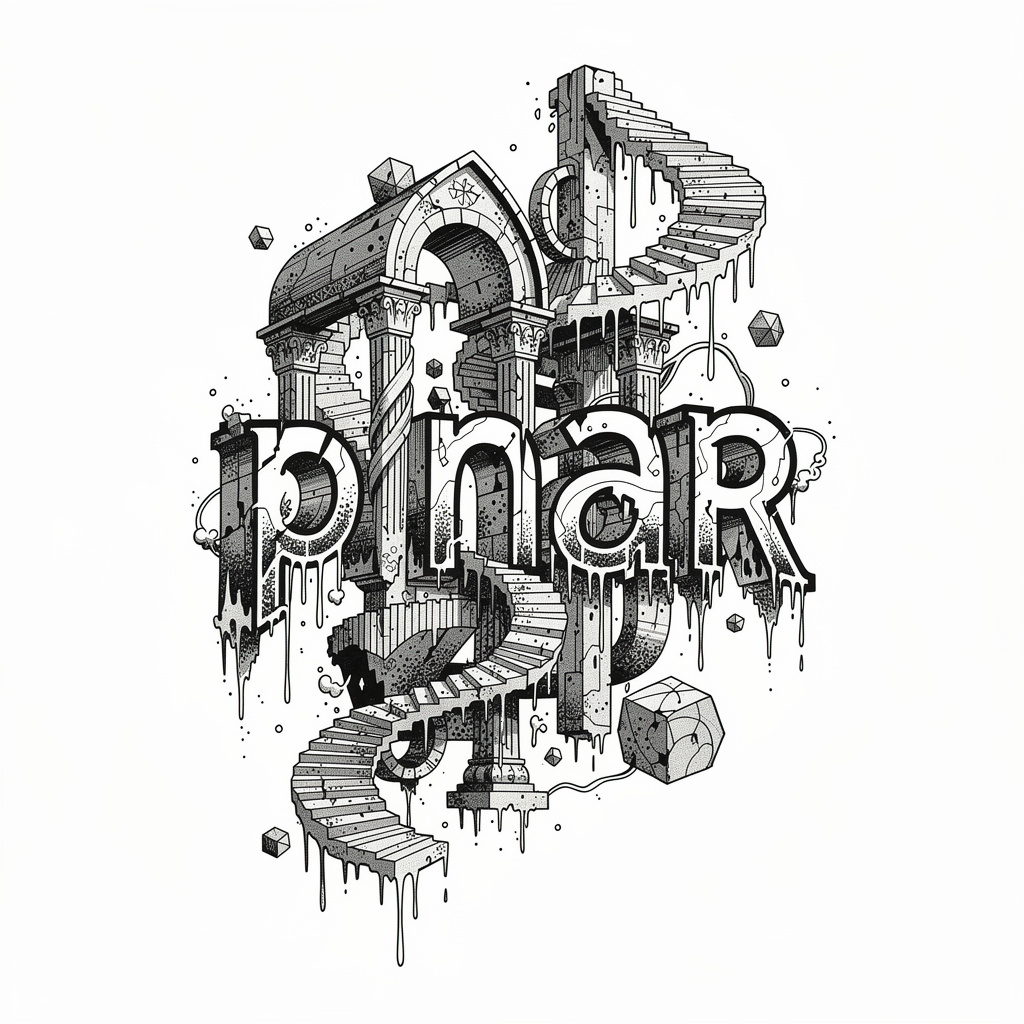
Surrealism Pınar Name Tattoo Design

Trash Polka Pınar Name Tattoo Design

AureaFlux (AI-Original-Style) Pınar Name Tattoo Design
Global distribution & gender ratio
Türkiye
98.23% of recorded usage
Female: 97.82% · Male: 2.18%
Cyprus
0.50% of recorded usage
Female: 95.65% · Male: 4.35%
Germany
0.24% of recorded usage
Female: 98.46% · Male: 1.54%
United States
0.18% of recorded usage
Female: 96.00% · Male: 4.00%
United Kingdom
0.10% of recorded usage
Female: 100.00% · Male: 0.00%
You may also like
Similar names
Kaynak
Turkish name and word meaning source or spring, similar in imagery to Pınar.Irmak
Turkish given name meaning river, evoking flowing water and natural beauty.Su
Short Turkish name meaning simply water, associated with clarity and purity.Defne
Turkish form of Daphne, meaning laurel tree and symbolizing victory and honor.Damla
Turkish name meaning drop (of water or rain), associated with delicacy and freshness.Beril
Turkish name derived from beryl, a gemstone, linked to clarity and brightness.Nazlı
Turkish name implying graceful or coquettish demeanor, common in traditional usage.Melis
Name used in Turkey, often linked to honey or sweetness through Greek roots.</Selin
Turkish name associated with a rushing stream or floodwater, echoing water imagery.Yağmur
Unisex Turkish name meaning rain, symbolizing fertility and renewal.
Frequently asked questions about pınar
What does the name Pınar mean?
Pınar is a Turkish name that literally means a natural spring, fountain, or source of water. It symbolizes freshness, purity, renewal, and the life-giving qualities of flowing water.
What is the origin of the name Pınar?
Pınar is of Turkish origin and comes directly from the common noun for a natural water spring. It has deep roots in Turkish language, literature, and place names, and became popular as a modern given name in the 20th century.
Is Pınar a girl’s or boy’s name?
Pınar is used overwhelmingly as a girl’s name, especially in Turkey and Turkish communities abroad. While it is technically a gender-neutral nature word, real-life usage is strongly feminine.
How do you pronounce Pınar?
In Turkish, Pınar is pronounced approximately as puh-NAHR, with stress on the second syllable and the special dotless ı sound in the first syllable. The IPA transcription is /pɯˈnaɾ/.
How popular is the name Pınar?
Pınar has been a familiar and well-liked feminine name in Turkey since the late 20th century, without being overly trendy. Internationally, it is relatively rare and mainly found within Turkish diaspora communities in Europe and North America.
What are some similar names to Pınar?
Names similar to Pınar in meaning or style include Irmak (river), Su (water), Damla (drop), Selin (rushing stream), Yağmur (rain), and Defne (laurel tree). Many of these are modern Turkish nature names with fresh, poetic imagery.