
Understanding the Meaning of Rebecca
Exploring the Origins of Rebecca
Gender Association of the Name Rebecca
Popularity of the Name Rebecca
Global Usage of the Name Rebecca
Characteristic Features of People Named Rebecca
Empathetic
Individuals named Rebecca are often known for their deep empathy and caring nature towards others.
Artistic
They tend to have an artistic flair, showing a keen interest in creative and cultural activities.
Resilient
Rebeccas possess an inner strength, allowing them to overcome challenges with poise and determination.
Social
They naturally excel in social environments, often acting as the cohesive force in group settings.
Intelligent
The name is commonly associated with keen intellect and the ability to analyze complex situations.
Intuitive
Many Rebeccas have a strong sense of intuition, helping them make sound decisions.
Graceful
Carrying themselves with an air of grace and elegance, they are admired for their poise.
Friendly
Known for their friendly demeanor, they tend to build long-lasting relationships effortlessly.
Leadership
Often they find themselves in roles requiring leadership, where their motivational traits shine.
Dependable
Reliability is a hallmark trait among those named Rebecca, making them trusted friends and colleagues.
Common Career Paths for People Named Rebecca
Arts and Design
Many Rebeccas are drawn to creative fields such as graphic design, interior decoration, and fashion.
Education
Their empathetic nature and intellect often guide them towards careers in teaching and academia.
Psychology
With strong intuitive abilities, they excel as psychologists or counselors, helping others navigate life's challenges.
Healthcare
Their caring nature leads many to pursue fulfilling careers in nursing, medicine, or healthcare management.
Public Relations
Rebeccas often thrive in roles requiring excellent communication and social interaction skills.
Leadership Roles
Many pursue leadership or management positions, thanks to their inherent organizational abilities.
Social Work
Driven by a deep sense of empathy, they are often attracted to community service and advocacy work.
Writing and Literature
Some channel their creativity into writing, becoming authors or editors.
Event Management
Their organizational skills and eye for detail make meeting planning and event management a perfect fit.
Corporate Strategy
With analytical minds, they excel in corporate roles, helping guide business strategy and innovations.
Unique and Interesting Characteristics of the Name Rebecca
Literary Fame
The name Rebecca gained fame through Daphne du Maurier's Gothic masterpiece "Rebecca," which further cemented its place in literature.
Religious Roots
In biblical traditions, Rebecca is revered as the wife of Isaac and mother of Jacob, reinforcing its religious importance.
Cultural Presence
The name has had high visibility in pop culture, appearing in movies, songs such as the classic "Rebecca" by Bert Kaempfert, and television series.
Historical Figures
Throughout history, notable figures such as Rebecca Nurse, a victim in the Salem witch trials, have borne the name, indicating its historical influence.
Versatile Nicknames
Rebeccas enjoy a range of charming nicknames, from "Becky" and "Becca" to more inventive options like "Ree".
Etymological Evolution
The evolution of Rebecca from 'Rivkah' illustrates its absorption and adaptation over centuries, showing the richness of its linguistical journey.
Influences in Art
The name has inspired artists across mediums, from Vincent van Gogh's "Young Girl in a Blue Dress" to music performed under its name.
Royal Associations
While not typically royal, Rebecca has been used by royalty in various lesser-known lineages worldwide.
Modern Adaptations
Recently, 'Rebecca' has adapted in contemporary languages, with alternate spellings to reflect modern diversity.
Symbolic Depth
Beyond its primary meaning, Rebecca is often linked to intellectual pursuit and grace, enriched through cultural storytelling.
Famous People Named Rebecca
- Rebecca Romijn: Actress and model known for her role in 'X-Men'.
- Rebecca Black: Singer known for her viral song 'Friday'.
- Rebecca Hall: Renowned British-American actress with performances acclamation in theatre and film.
- Rebecca Lobo: Retired WNBA professional basketball player and sports analyst.
- Rebecca Ferguson: Swedish actress known for her role in 'Mission: Impossible' movies.
- Rebecca West: Celebrated 20th-century British author and journalist.
- Rebecca Adlington: Acclaimed British swimmer and double Olympic gold medalist.
- Rebecca Mader: English actress known for her role in 'Once Upon a Time'.
Rebecca Stylized Name Tattoo Design Collection
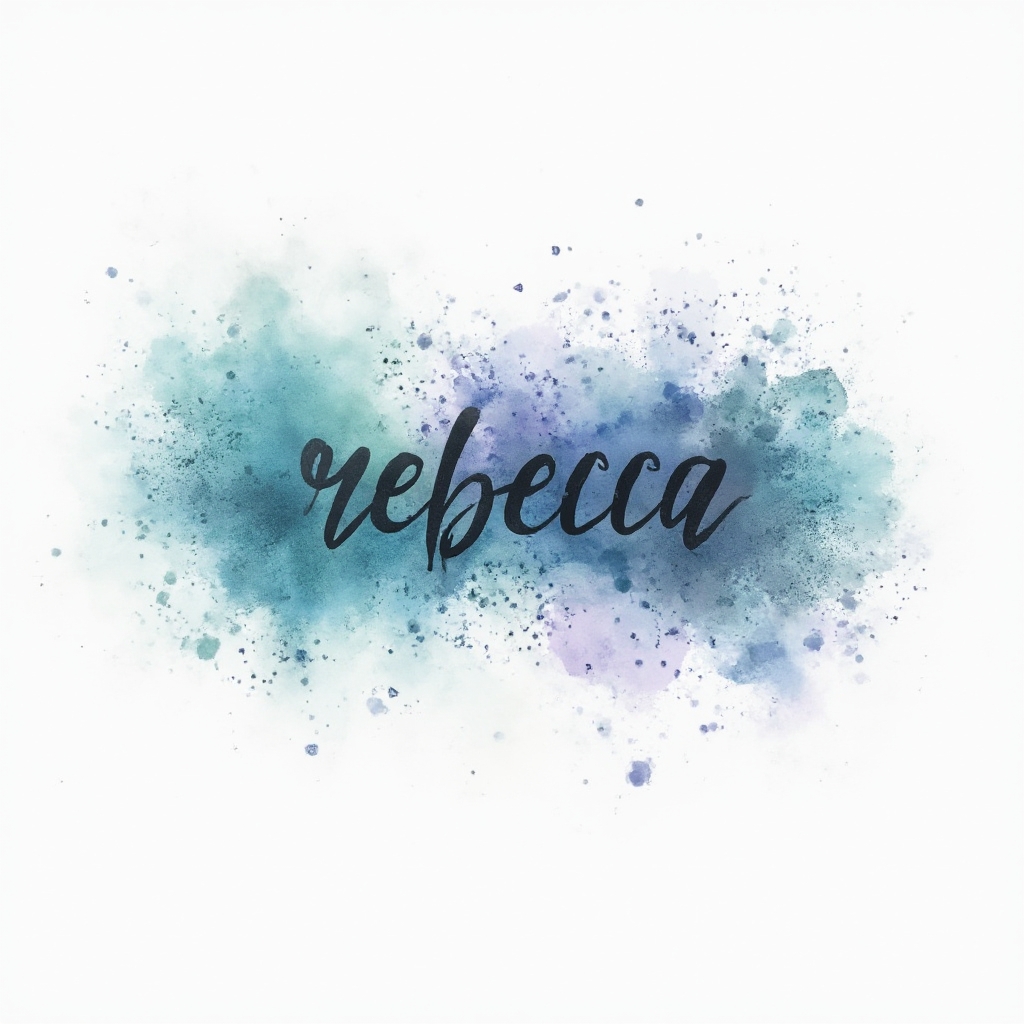
Rebecca Watercolor Dreamscript Tattoo Concept
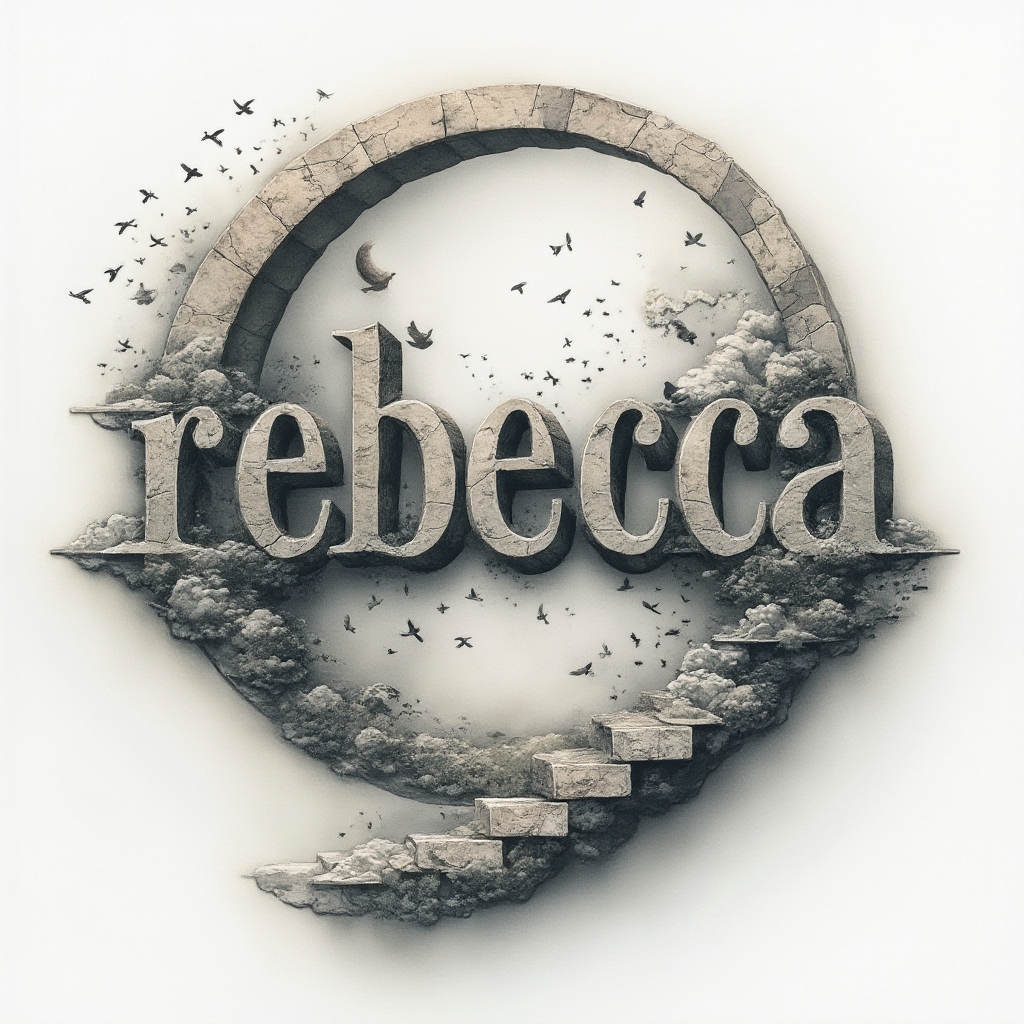
Rebecca Surrealism Name Portal Tattoo Design
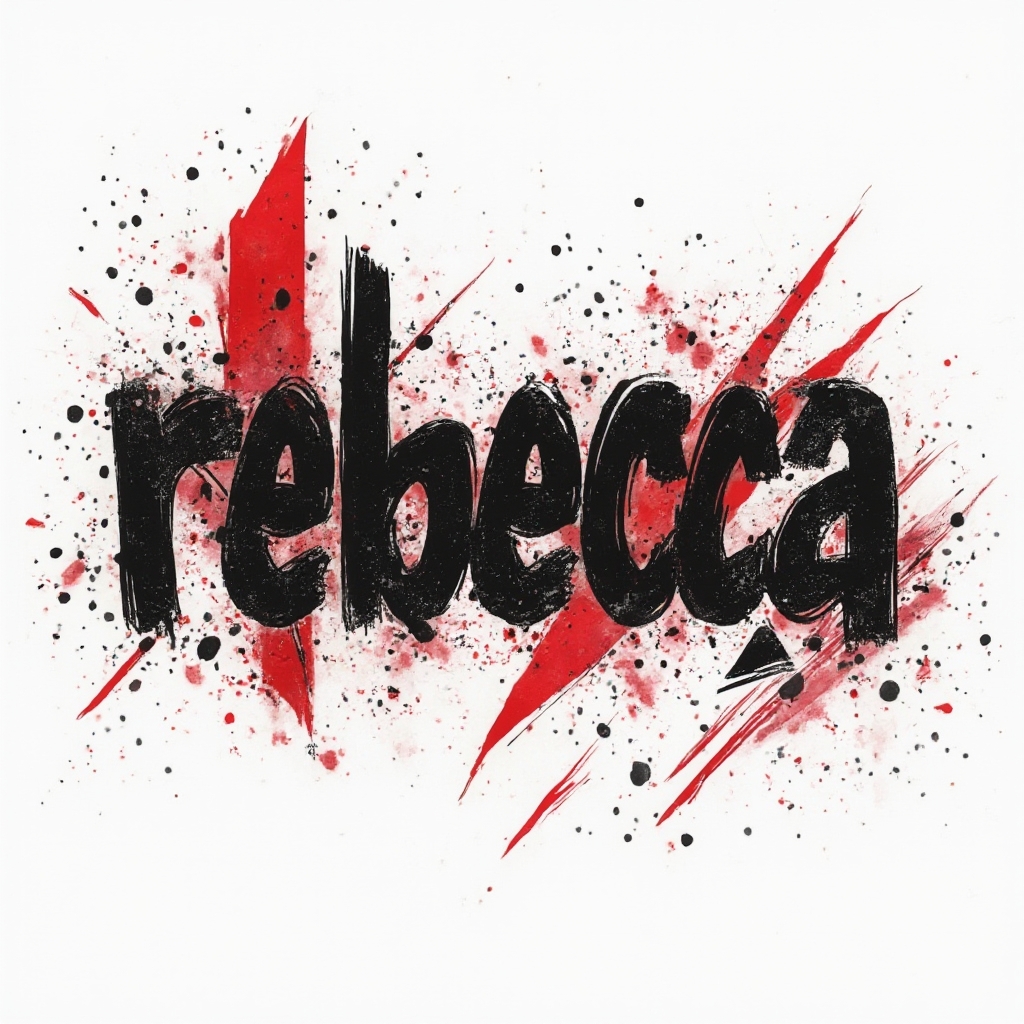
Rebecca Trash Polka Ink Clash Tattoo Concept
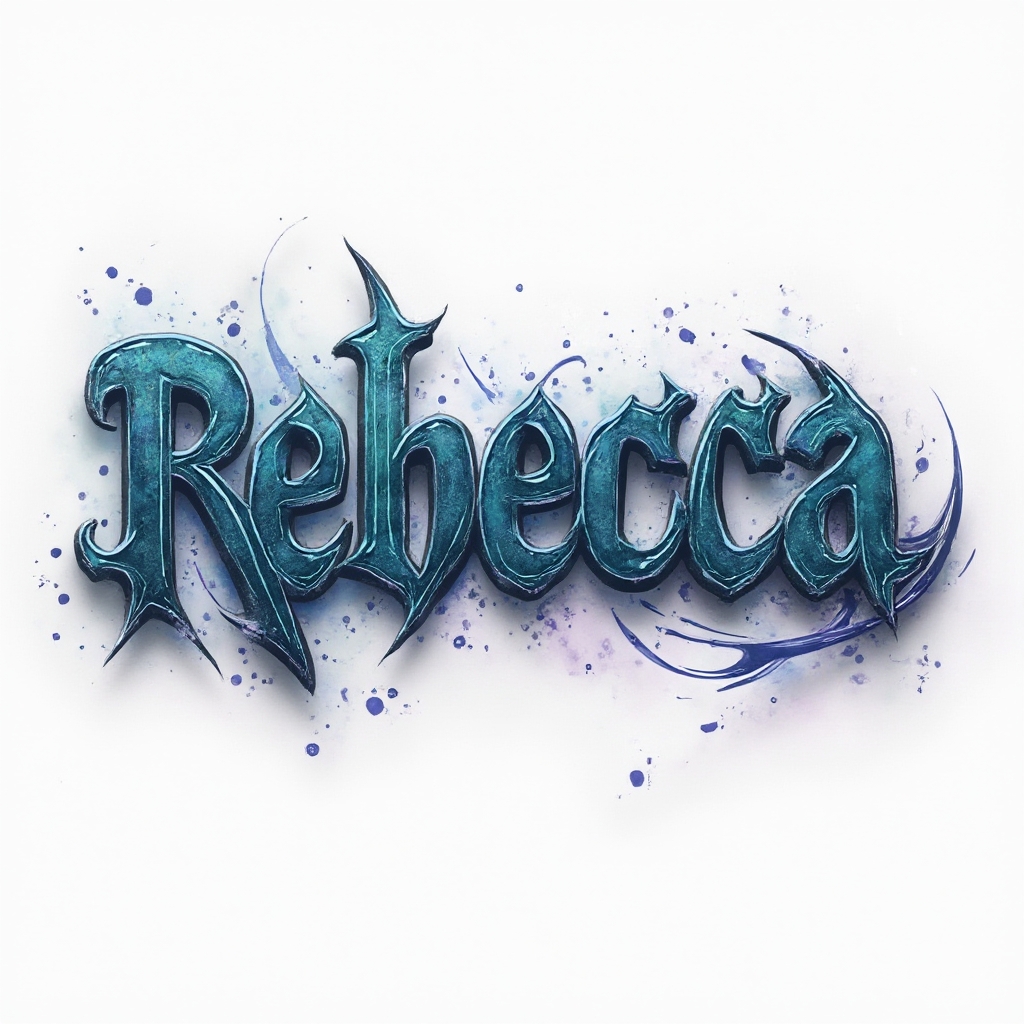
Rebecca AI-Original-Style Chromatic Depth Tattoo Design
Global distribution & gender ratio
United States
67.40% of recorded usage
Female: 99.85% · Male: 0.15%
Brazil
6.61% of recorded usage
Female: 99.34% · Male: 0.66%
United Kingdom
5.14% of recorded usage
Female: 99.86% · Male: 0.14%
Canada
2.20% of recorded usage
Female: 99.34% · Male: 0.66%
Australia
2.19% of recorded usage
Female: 99.67% · Male: 0.33%
You may also like
Similar names
Rivka
The original Hebrew form of Rebecca. It means captivating and shares the same roots in meaning.Rachel
A biblical name meaning ewe, and like Rebecca, it holds strong Hebrew cultural significance.Leah
Another popular Hebrew name meaning weary, often associated with biblical figures.Deborah
Meaning bee in Hebrew, this name shares cultural roots with Rebecca.Sarah
Meaning princess, Sarah is another prominent Hebrew name with close ties to biblical tradition.Miriam
This name means sea of bitterness yet is embraced for its religious ties and historical resonance.Hannah
Celebrated for its meaning grace, this name shares the Hebrew origins similar to Rebecca.Naomi
Associated with the idea of pleasantness, sharing historical roots with Rebecca.Abigail
Meaning source of joy, Abigail complements Rebecca's traditional essence.Elisheba
Related to both Hebrew heritage and meaning God is an oath, synonymous with Rebecca's faith-based connections.
Frequently asked questions about rebecca
What is the meaning of the name Rebecca?
The name Rebecca means 'captivating' or 'ensnaring', derived from the Hebrew word 'Rivkah'.
What is the origin of the name Rebecca?
Rebecca originates from the Hebrew tradition, defined as 'Rivkah', and has biblical significance.
What genders is the name Rebecca associated with?
Rebecca is primarily associated with the female gender, although it is occasionally used for males.
How popular is the name Rebecca?
Rebecca remains a popular name, consistently high in baby name ranks in countries like the United States and the United Kingdom.
How is the name Rebecca used globally?
Internationally, Rebecca is recognized with pronunciation variations such as 'Rebeca' in Italian and Spanish, attesting to its global adoption.
What are common career paths for people named Rebecca?
Common careers include arts, education, healthcare, public relations, psychology, leadership roles, and writing.
What are some characteristics of people named Rebecca?
Rebeccas are empathetic, artistic, resilient, social, intelligent, and often display leadership qualities.
What are some names similar to Rebecca?
Names similar to Rebecca include Rivka, Rachel, Leah, Deborah, Sarah, Miriam, Naomi, Hannah, Abigail, and Elisheba.