
Meaning of the Name Tatar
Cultural and Historical Origin of Tatar
Gender Use of the Name Tatar
Popularity of the Name Tatar
Global Usage and Pronunciation of Tatar
Personality Traits Associated with Tatar
Resilient
Tends to adapt well to change and overcome obstacles.
Independent
Values personal freedom and self-direction.
Adventurous
Drawn to exploration, travel, or new ideas.
Loyal
Deeply committed to family, friends, and community.
Strategic
Thinks ahead and plans carefully before acting.
Professional Paths for the Name Tatar
Historian
Engages with Eurasian, Turkic, or steppe history and cultures.
Diplomat
Works at the intersection of different countries and cultures.
Researcher
Excels in academic or scientific investigation and analysis.
Entrepreneur
Builds innovative projects that cross borders or markets.
Linguist
Studies languages, especially those of Eurasia or minority groups.
Unique and Interesting Facts About the Name Tatar
Ethnonym Origin
The name stems from an ethnonym referring to a large and historically influential people.
Geographical Spread
It appears in place names, historical states, and cultural regions across Eurasia.
Multilingual Presence
The name is recognized in various forms across Turkic, Slavic, and other languages.
Surname and Given Name
It can function as either a family name or, more rarely, a first name.
Notable People Named Tatar
- Tomas Tatar: Slovak professional ice hockey player in international leagues.
- Alexandru Tatar: Name shared by several Eastern European athletes and professionals.
- Ion Tatar: Appears as the name of various Romanian public figures and academics.
Pronunciation of Tatar in Tatar and Turkic Languages
/ˈtɑː.tɑːr/ — Татар
- /t/: as in “top.”
- /ɑː/: open "ah" sound, like in “father.”
- /r/: lightly rolled or tapped, depending on accent.
TAH-tar
Tattoo Design Ideas Featuring the Name Tatar
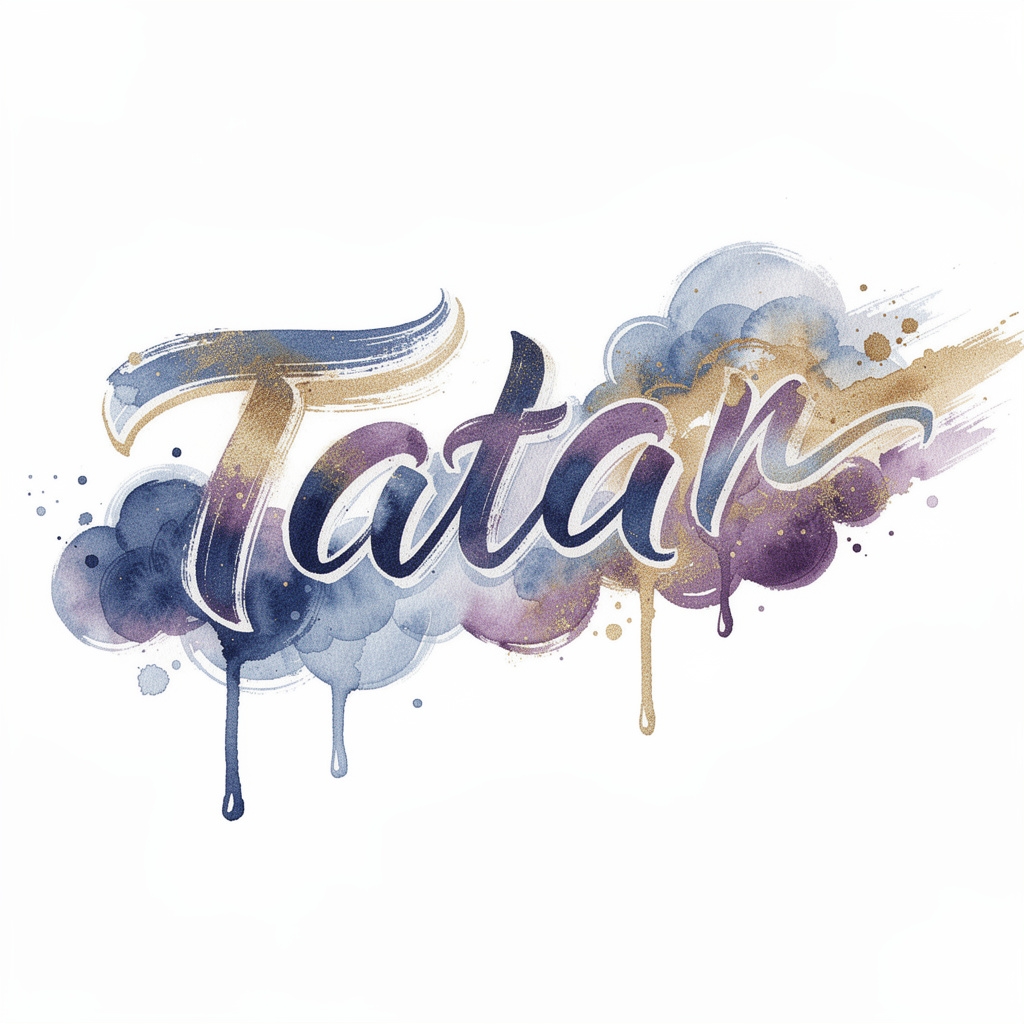
Watercolor Tattoo Design Featuring the Name Tatar
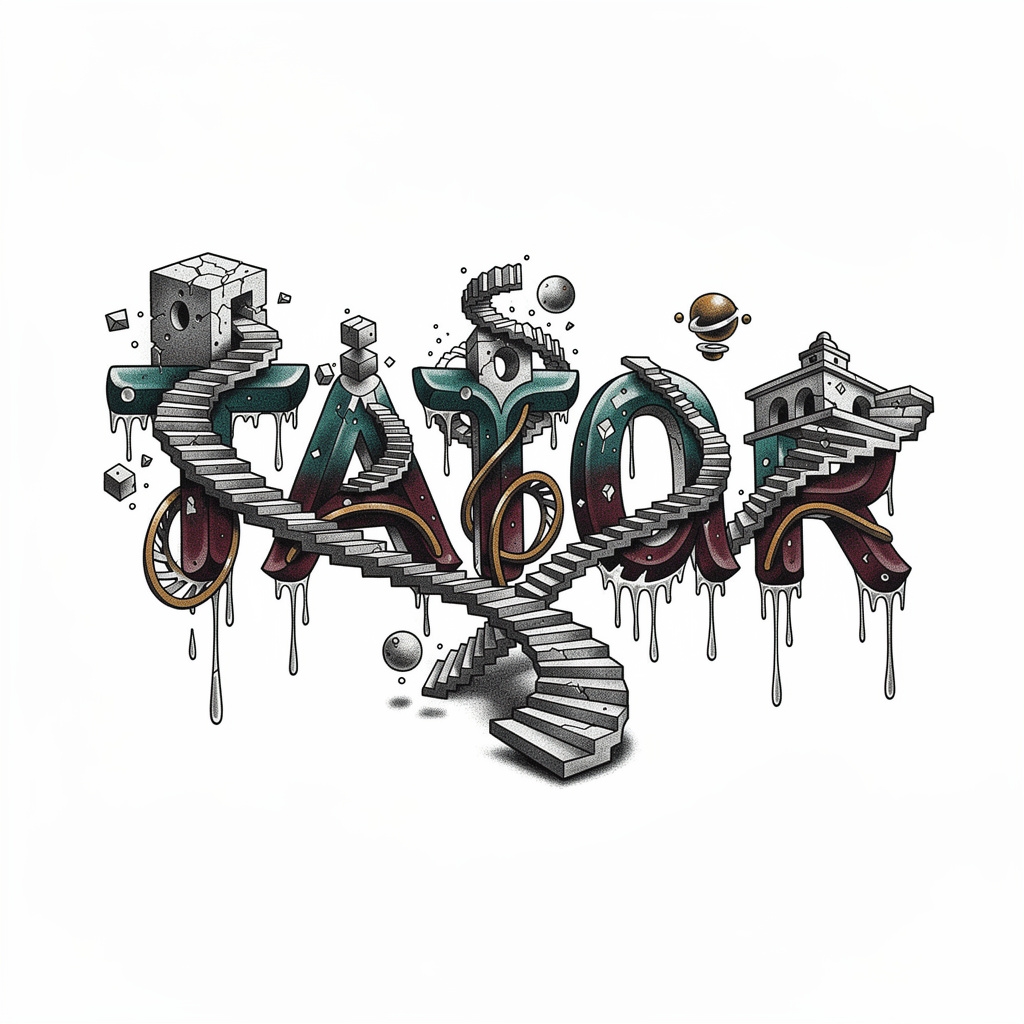
Surrealism Tattoo Design Featuring the Name Tatar
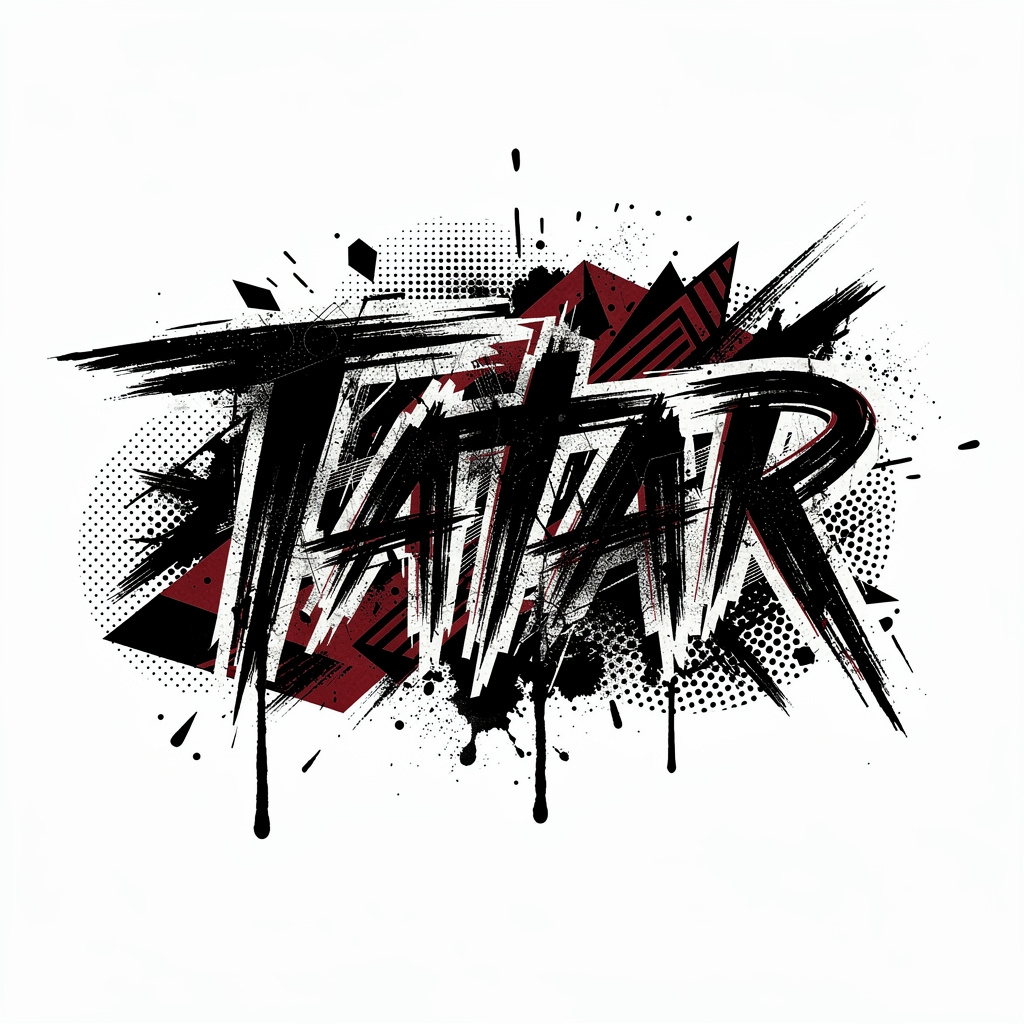
Trash Polka Tattoo Design Featuring the Name Tatar
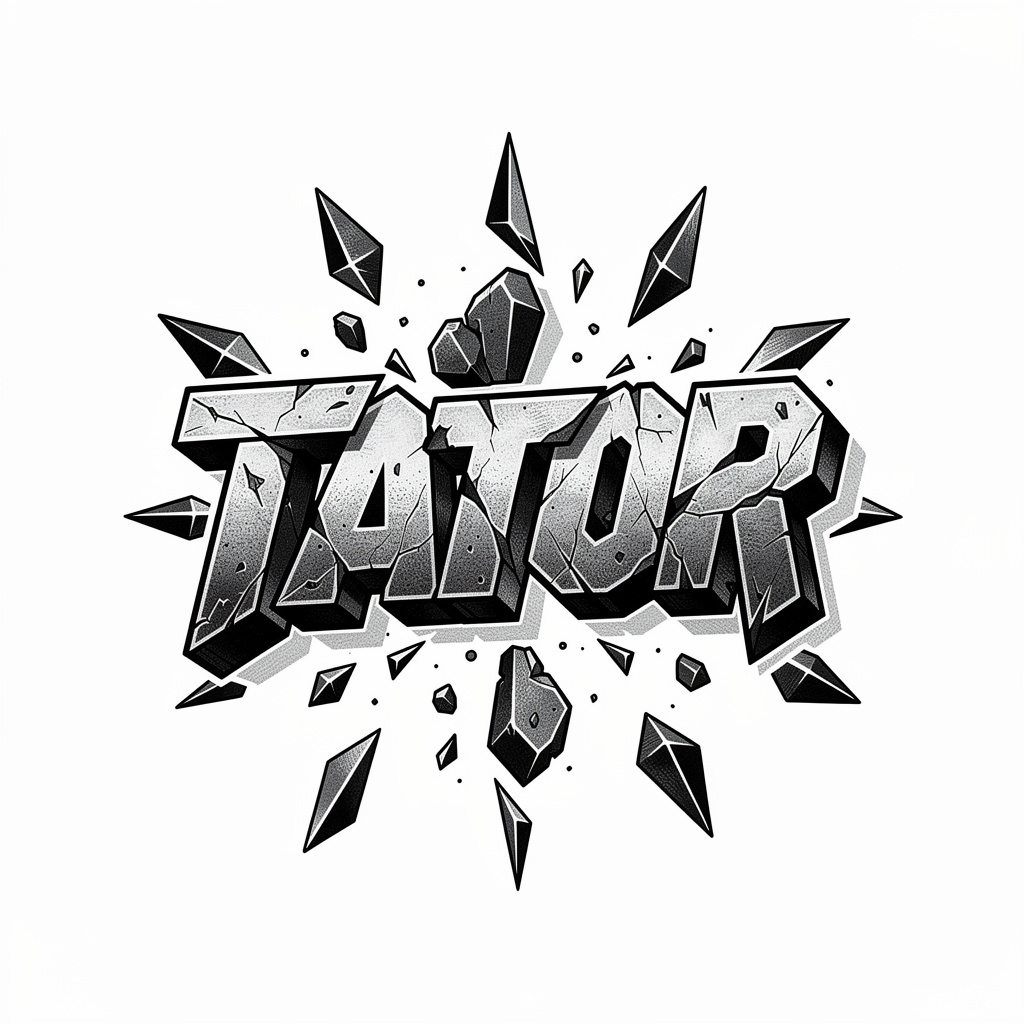
AI-Original-Style "Neo-Chisel Ink" Tattoo Featuring the Name Tatar
Global distribution & gender ratio
Türkiye
68.72% of recorded usage
Female: 7.59% · Male: 92.41%
Thailand
24.02% of recorded usage
Female: 64.34% · Male: 35.66%
Indonesia
2.61% of recorded usage
Female: 0.00% · Male: 100.00%
Romania
1.12% of recorded usage
Female: 16.67% · Male: 83.33%
Germany
0.74% of recorded usage
Female: 0.00% · Male: 100.00%
You may also like
Similar names
Tamer
Related in sound and sometimes linked with meanings of strong and competent leadership.Tarek
An Arabic name often associated with courage and determination.Tahir
A name meaning pure or virtuous in Arabic and related languages.Tayyar
A Turkish-origin name connected with the idea of being swift or flying.Talan
A modern-sounding name sometimes linked with talent or strength.Tariq</name>
A classic name often interpreted as morning star or he who knocks at the door.Tata
A short name or nickname tied in some cultures to fatherly affection or warmth.Taner
A Turkish name associated with dawn and new beginnings.Talat
A traditional name sometimes connected with beauty or appearance.Taras
A Slavic name linked to historic figures and sometimes interpreted with strength.
Frequently asked questions about tatar
What is the meaning of the name Tatar?
The name Tatar is historically connected with steppe peoples and can suggest strength, resilience, and independence, making it a distinctive and powerful choice as a given name or surname.
What is the origin of the name Tatar?
Tatar originates from the name of the Tatar people, a Turkic group historically spread across the Eurasian steppe, especially in regions of modern-day Russia and surrounding areas.
Is Tatar a male or female name?
Tatar is generally considered gender-neutral. It is more commonly seen as a surname but can also be used as a first name for any gender, depending on cultural context.
How do you pronounce Tatar?
Tatar is commonly pronounced as TAH-tar in English, with two clear syllables and the stress on the first syllable.
How popular is the name Tatar?
Tatar is relatively rare as a first name worldwide, but more familiar as a surname, especially in Eastern Europe, Russia, and Central Asia, where Tatar communities are present.