
Meaning of the Name Yao
Cultural and Historical Origins of Yao
Gender and Usage of the Name Yao
Popularity of Yao by Country and Over Time
Global Usage and Pronunciation of Yao
Personality Traits Associated with Yao
Graceful
Often linked with elegance and composure in both behavior and style.
Wise
Echoing historical and legendary figures, bearers may be seen as thoughtful and insightful.
Resilient
The name’s cross-cultural strength suggests determination and perseverance.
Rooted in Tradition
Frequently associated with respect for heritage and family customs.
Global-Minded
Its presence in multiple cultures hints at openness to diverse perspectives.
Careers and Vocations Suited to the Name Yao
Leader & Executive
Draws on associations with historical rulers and respected elders.
Scholar & Academic
Fits a reputation for wisdom, learning, and careful thought.
Artist & Designer
Works well for creative individuals with a refined aesthetic sense.
Athlete & Coach
Familiar from global sports figures, suggesting discipline and teamwork.
Cultural Ambassador
Ideal for roles that bridge communities, languages, and traditions.
Unique and Interesting Facts About the Name Yao
Dual-Continent Origins
Yao is simultaneously rooted in East Asian and West African traditions.
Legendary Connections
In Chinese lore, Emperor Yao is celebrated as a model of just and moral rule.
Day-Name Heritage
Among Akan peoples, Yao connects identity with the weekday of birth.
Surname and Given Name
Yao functions as both a family name and a first name in Chinese contexts.
Global Recognition Through Sport
International athletes have helped bring the name to worldwide attention.
Famous People Named Yao
- Yao Ming: Chinese former professional basketball player and Hall of Famer in the NBA.
- Yao Chen: Chinese actress and philanthropist known for film, television, and social activism.
- Yao Jinnan: Chinese artistic gymnast and world champion on the uneven bars.
- Yao Di: Chinese volleyball player who has represented China in international competitions.
- Yao Kouassi Gervinho: Ivorian professional footballer, widely known as Gervinho.
How to Pronounce Yao in Chinese and Akan
/jaʊ/ — 姚 / 堯 (Chinese), Yao (Latin script), Yao (Akan Latin script)
- /j/: a "y" sound as in “yes.”
- /aʊ/: a diphthong like “ow” in “now.”
yow (rhymes with “now”)
Tattoo Design Ideas Featuring the Name Yao

Watercolor Yao Name Tattoo Design
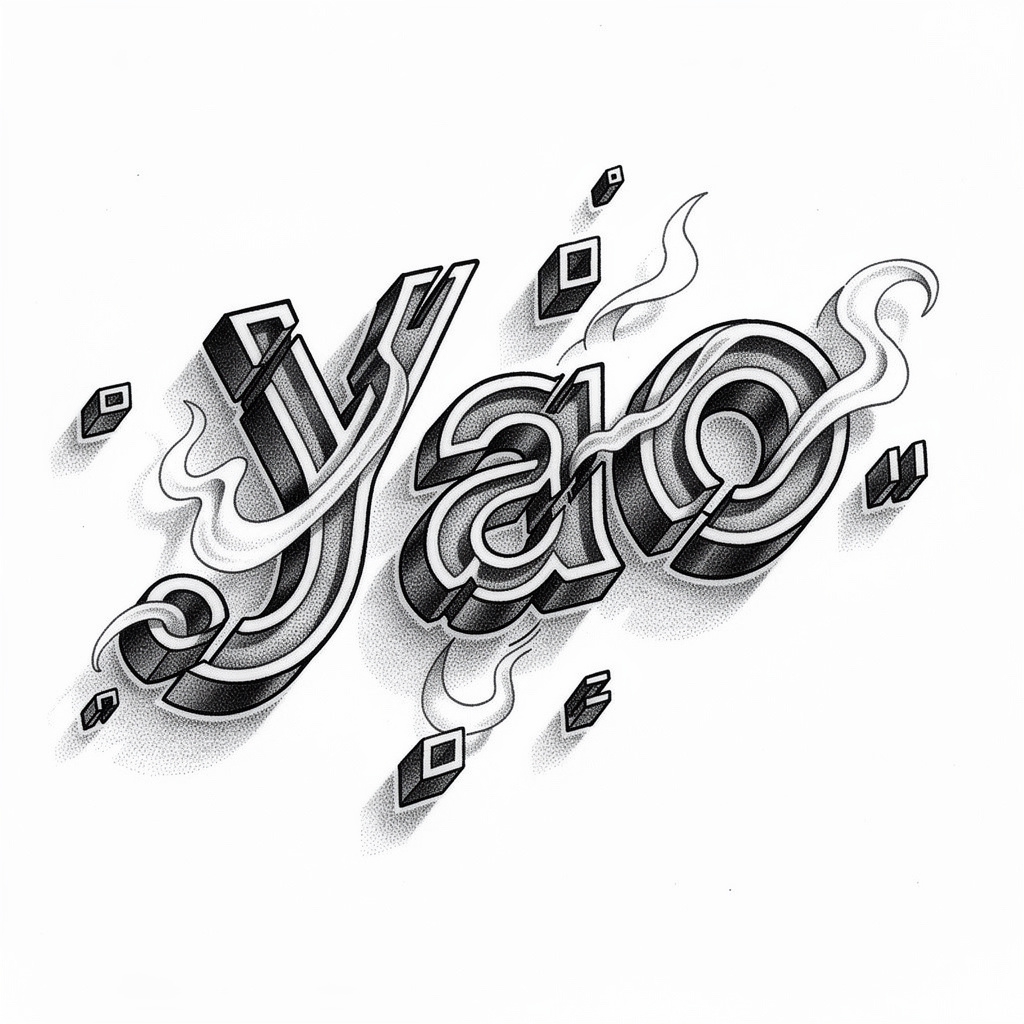
Surrealist Yao Name Tattoo Art

Trash Polka Yao Lettering Tattoo

LuminGlyph – AI-Original Yao Tattoo Style
Global distribution & gender ratio
Malaysia
25.68% of recorded usage
Female: 11.35% · Male: 88.65%
United States
14.75% of recorded usage
Female: 35.80% · Male: 64.20%
China
14.75% of recorded usage
Female: 38.27% · Male: 61.73%
Singapore
12.20% of recorded usage
Female: 11.94% · Male: 88.06%
Taiwan
6.74% of recorded usage
Female: 13.51% · Male: 86.49%
You may also like
Similar names
Yang
A Chinese name that can carry meanings related to sun, brightness, or positive energy.Yun
A short name that may denote cloud, luck, or charm in various Chinese contexts.Yan
A succinct name whose characters can express swallow (bird), beauty, or elegance depending on usage.Yo</name>,
Yaw
A West African day name traditionally linked to boys born on Thursday, symbolizing heritage and identity.Yaozu
A longer Chinese given name that may combine characters suggesting ancestry, clan, or lineage.Yara
An international name associated with meanings like water lady, friend, or small butterfly in different languages.Yasuo
A Japanese masculine name whose kanji can convey ideas of peace, tranquility, or harmony.Yarao
A rare variant-sounding name that blends familiar "Ya" and "-ao" elements, sometimes linked with strength or steadfastness.Liao
A Chinese name that may suggest clarity, order, or brightness depending on the characters used.
Frequently asked questions about yao
What does the name Yao mean?
Yao is a multicultural name whose meanings range from grace, elegance, and preciousness in Chinese contexts to birth order and heritage among Akan-speaking peoples of West Africa. The exact meaning depends on the language and characters used.
What is the origin of the name Yao?
The name Yao has dual origins. In China, it appears in both ancient legends and modern names, while in Ghana and other West African regions it belongs to the traditional system of day names, often given to boys born on Thursday.
Is Yao a boy or girl name?
Yao is generally considered a gender-neutral name. In Chinese and international contexts it can be masculine, feminine, or unisex, while in West African Akan tradition it has historically been more common for boys.
How do you pronounce Yao?
In most English-speaking contexts, Yao is pronounced /jaʊ/, similar to ‘yow’ rhyming with ‘now.’ Chinese speakers may add tonal distinctions depending on the characters used, while Akan speakers maintain a similar one-syllable sound.
How popular is the name Yao?
Yao is relatively uncommon in Western baby-name rankings but is well known in Chinese and West African communities. Its visibility worldwide has grown through migration, sports figures, and international media.