
Understanding the Meaning of Yasemin
Exploring the Origin of Yasemin
Gender Association of the Name Yasemin
Popularity of the Name Yasemin
Global Usage of the Name Yasemin
Characteristic Features of People Named Yasemin
Creative
Yasemins often embody creativity, finding unique solutions and expressing themselves through artistic avenues, mirroring the beauty of the jasmine flower.
Graceful
With a natural elegance, individuals named Yasemin tend to carry themselves with poise and charm, reflecting the flower's pristine nature.
Caring
Known for their nurturing personalities, Yasemins are compassionate, often providing support and care to those around them.
Socially adept
Yasemins tend to thrive in social settings, building strong networks through effortless communication and empathy.
Intelligent
Equipped with sharp intellect, Yasemins are adept learners, always seeking knowledge and understanding of the world's complexities.
Optimistic
Known for a positive outlook, they often inspire hope and optimism in others, turning challenges into opportunities for growth.
Common Career Paths for People Named Yasemin
Artist
Many Yasemins gravitate toward artistic fields, using their creativity and attention to detail to excel in visual or performing arts.
Educator
With a penchant for sharing knowledge, Yasemins often pursue careers in education, inspiring the next generation of learners.
Healthcare Professional
Driven by compassion, they find meaningful careers in healthcare, providing care and empathy to those in need.
Public Relations Specialist
Their social skills shine in public relations, where building and maintaining positive public images is key.
Entrepreneur
With vision and determination, many Yasemins become entrepreneurs, leading innovative ventures with creativity and tenacity.
Writer or Journalist
Their love for storytelling and communication often draws them to careers in writing, where they can express ideas and inspire through words.
Unique and Interesting Characteristics of the Name Yasemin
Pop Culture Presence
Yasemin is a name that has appeared in various forms of media, from films to literature, often associated with characters full of grace and intelligence.
Botanical Ties
The name's association with the jasmine flower links it to purity and beauty, qualities celebrated across many cultures and eras.
Historical Figures
Throughout history, several influential women named Yasemin have left their mark in their respective fields, from art to politics.
Symbolism in Art
The jasmine flower, and by extension the name Yasemin, often features in artwork representing serenity and beauty.
Cross-Cultural Appeal
Its variants, like Yasmine, enhance its appeal across different languages and cultures, emphasizing its global adaptability.
A Renaissance Resurgence
Recently, traditional names like Yasemin have been enjoying renewed interest due to their classic charm and historical significance.
Famous People Named Yasemin
- Yasemin Güler: Turkish handball player known for her contributions to international sports competitions.
- Yasemin Kay Allen: British-Turkish actress celebrated for her roles in television and cinema.
- Yasemin Kozanoğlu: Turkish actress and model recognized for her impact on fashion and Turkish cinema.
- Yasemin Şahin: Prominent voice in social advocacy, known for her efforts in community development and empowerment.
Yasemin Name Tattoo Collection
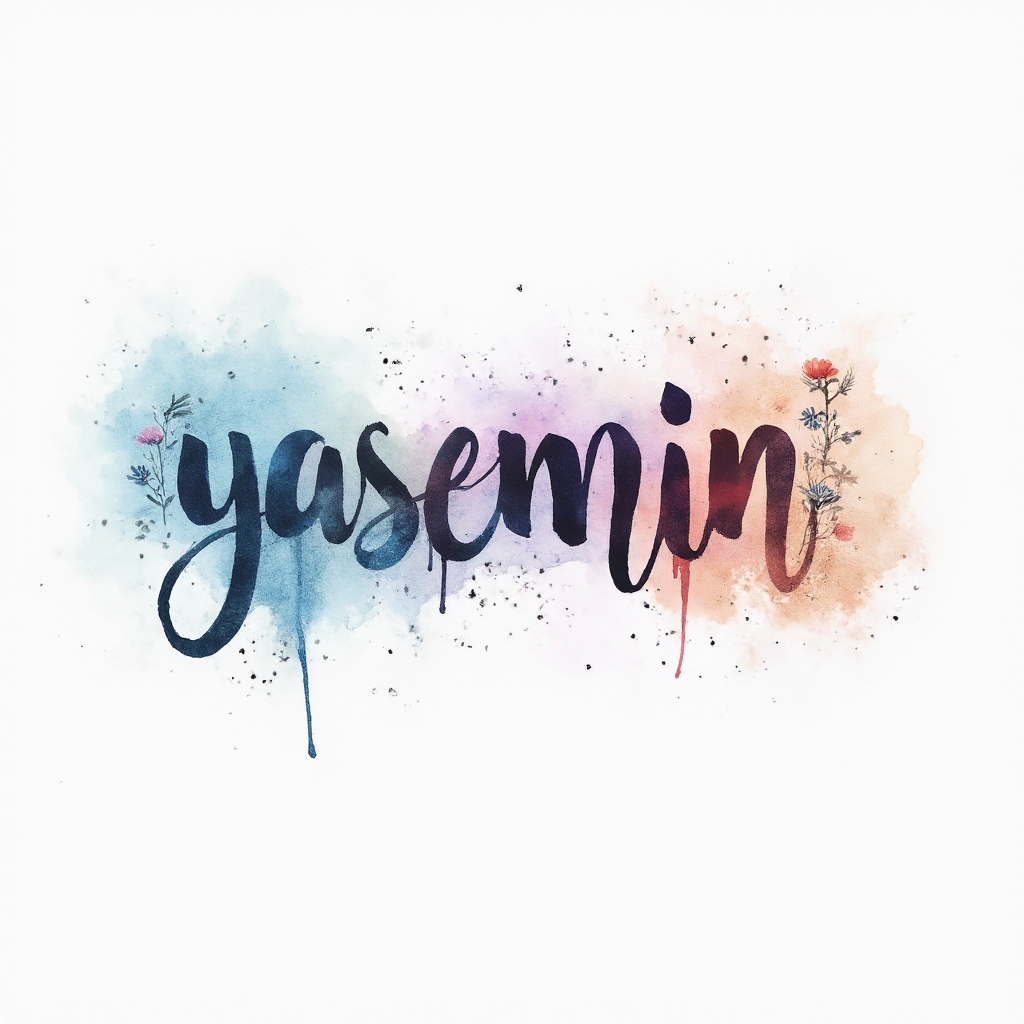
Watercolor Bloom

Surreal Mirage

Trash Polka Clash
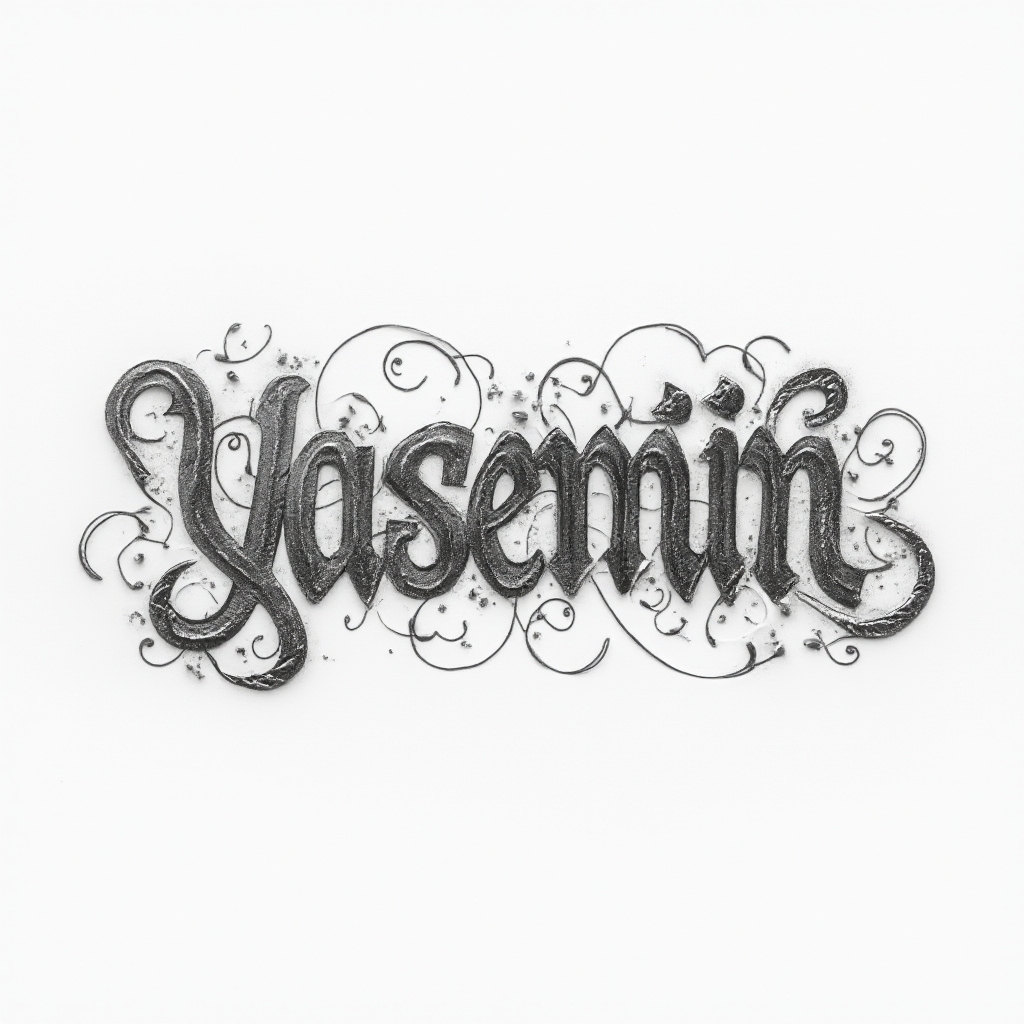
AI-Original-Style
Global distribution & gender ratio
Türkiye
96.73% of recorded usage
Female: 97.92% · Male: 2.08%
Germany
0.87% of recorded usage
Female: 97.13% · Male: 2.87%
Cyprus
0.43% of recorded usage
Female: 98.06% · Male: 1.94%
United States
0.34% of recorded usage
Female: 98.37% · Male: 1.63%
France
0.16% of recorded usage
Female: 98.25% · Male: 1.75%
You may also like
Similar names
Yasmine
A similar sounding name with the same floral inspiration, **meaning** 'jasmine flower.'Jasmin
Common in several European countries, this name shares the **meaning** 'jasmine flower.'Jasmine
Widely recognized in English-speaking countries, it also represents the **meaning** 'jasmine flower.'Yasmina
Often used in French-speaking regions, it carries the **meaning** 'jasmine.'Yasmeen
Commonly seen in Arabic-speaking areas, meaning the same as **jasmine flower.**Jessamine
An English variant, also derived from the **meaning** 'jasmine flower.'Jazmin
Popular in Hispanic cultures, echoing the **meaning** 'jasmine flower.'Yasmin
A straightforward variant that conveys the same **meaning** 'jasmine.'Yaseen
Similar phonetically, though more often masculine, it diverges in **meaning.**Jesminder
An Indian variant with similar phonetic tone but different cultural **meaning.**