
Meaning of the Name Anastasija
Origin and History of Anastasija
Gender of the Name Anastasija
Popularity of Anastasija
Global Usage and Pronunciation of Anastasija
Personality Traits of People Named Anastasija
Hopeful
Often associated with optimism and a forward-looking outlook on life.
Resilient
Tied to the idea of rebirth, suggesting inner strength and perseverance.
Compassionate
Seen as caring, empathetic, and emotionally supportive toward others.
Spiritual
Frequently linked with deep values, reflection, or a sense of purpose.
Creative
Inclined toward artistic or imaginative pursuits and self-expression.
Professional Tendencies for the Name Anastasija
Artist or Designer
A name often connected with creativity, fitting visual and performing arts careers.
Psychologist or Counselor
Reflects empathy and insight into human emotions and behavior.
Teacher or Professor
Suits roles focused on guidance, growth, and nurturing potential in others.
Healthcare Professional
Resonates with caring, healing, and service to the community.
Nonprofit or Humanitarian Worker
Aligns with values of hope, support, and renewal for those in need.
Unique and Interesting Facts About the Name Anastasija
Religious Significance
Closely tied to the Christian concept of resurrection and Easter celebrations.
Royal Connections
Related forms have appeared among European nobility and imperial families.
Rich Variants
Shares roots with many forms worldwide, including Anastasia, Nastja, and Nastasya.
Cultural Symbolism
Often chosen to mark a turning point, new beginning, or major life change.
Literary Presence
Variants of the name appear in novels, films, and folklore across Europe.
Famous People Named Anastasija
- Anastasija Sevastova: Latvian professional tennis player known for her WTA Tour successes.
- Anastasija Ražnatović: Serbian singer and media personality, popular in contemporary Balkan music.
- Anastasija Zolotic: American taekwondo athlete who has competed at the highest international level.
- Anastasija Grigorjeva: Latvian freestyle wrestler and multiple European champion.
How to Pronounce Anastasija (Greek / Slavic)
/a.naˈsta.si.ja/ — Αναστασία / Анастасија
- /a/: open "a" as in "father"
- /na/: "nah" sound, light "n"
- /ˈsta/: stressed "stah" syllable
- /si/: "see" with a soft "s"
- /ja/: "ya" sound at the end
ah-nah-STAH-see-ya
Tattoo Design Ideas Featuring the Name Anastasija
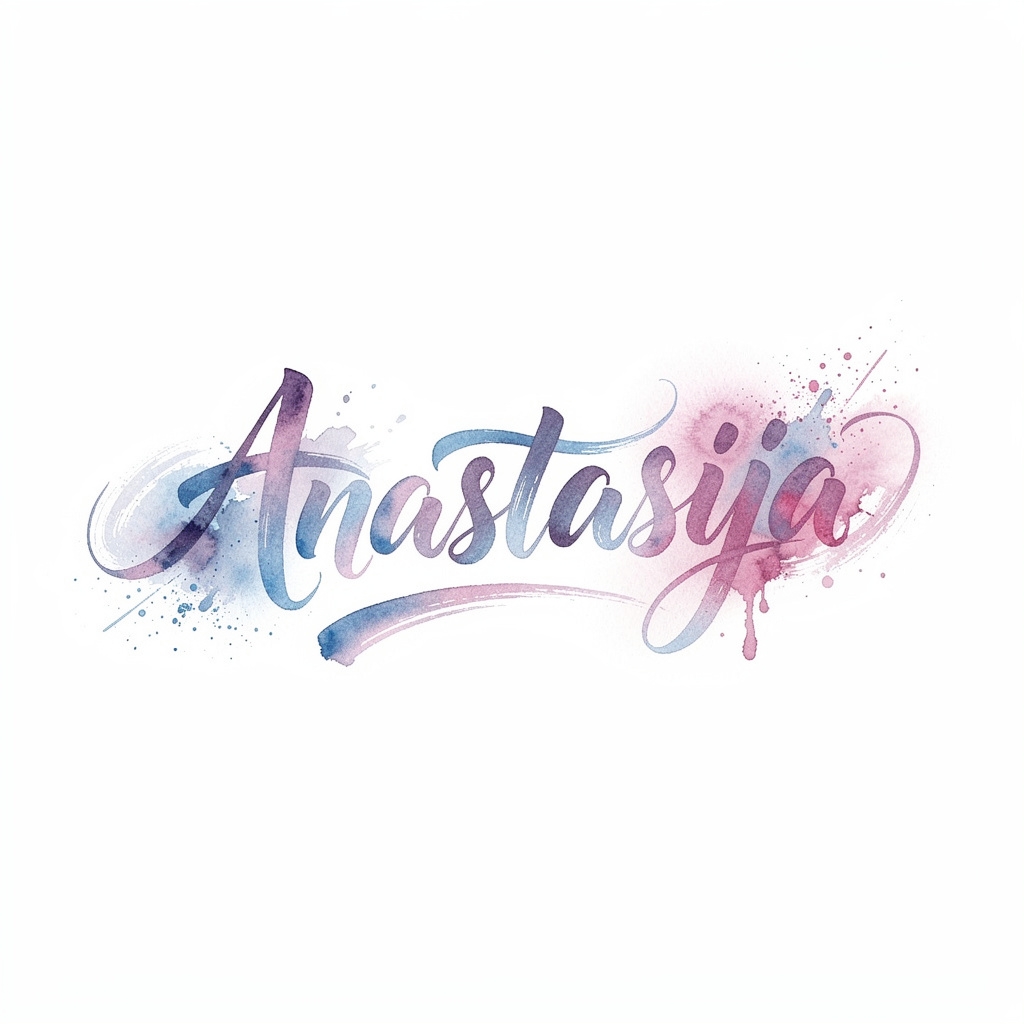
Watercolor Anastasija Tattoo Design
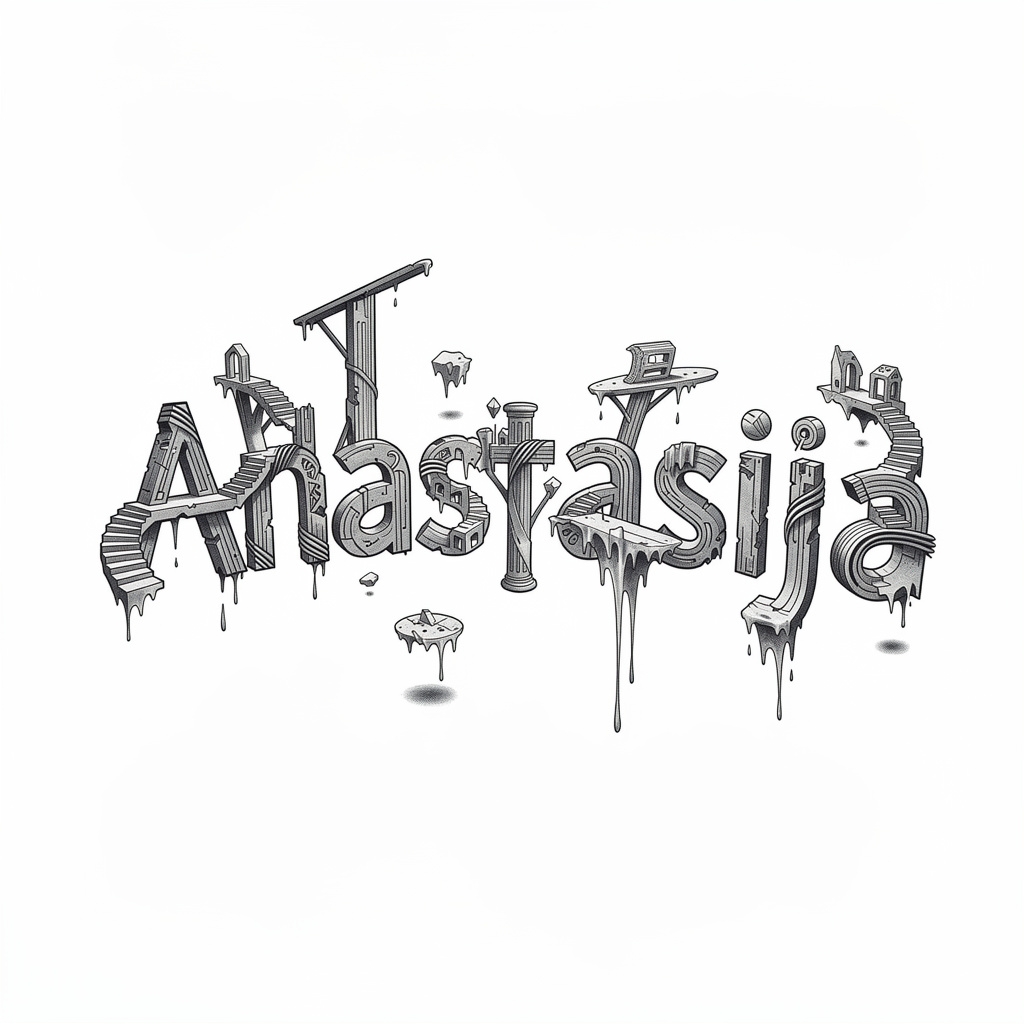
Surrealist Anastasija Tattoo Artwork
Trash Polka Anastasija Tattoo Concept
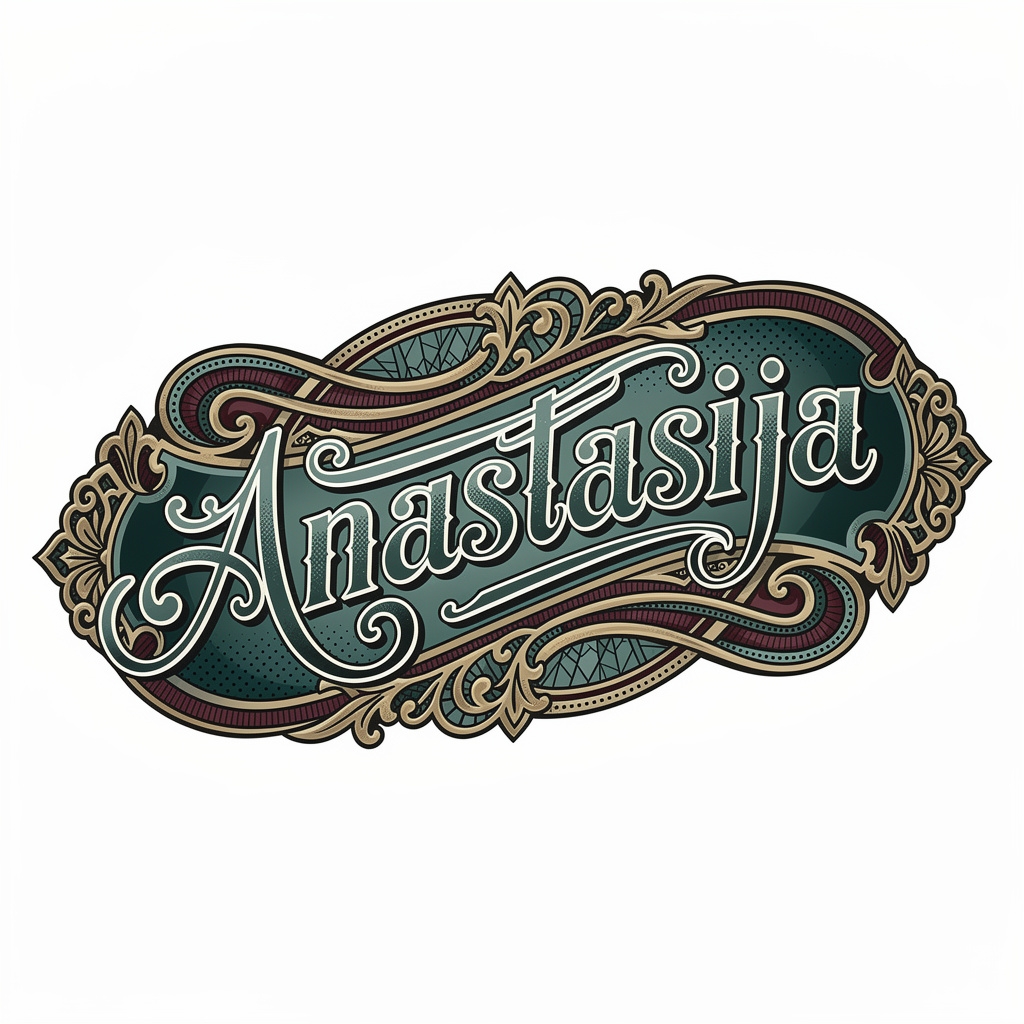
AI-Original-Style Anastasija Tattoo Vision
Global distribution & gender ratio
North Macedonia
36.91% of recorded usage
Female: 100.00% · Male: 0.00%
Latvia
26.00% of recorded usage
Female: 99.30% · Male: 0.70%
Ukraine
6.91% of recorded usage
Female: 97.37% · Male: 2.63%
Russia
5.45% of recorded usage
Female: 100.00% · Male: 0.00%
Serbia
4.55% of recorded usage
Female: 100.00% · Male: 0.00%
You may also like
Similar names
Anastasia
Classic Greek-rooted name meaning resurrection and rebirth.Anastasiaa
Modern embellished variant linked to resurrection and spiritual renewal.Nastja
Slavic short form carrying the idea of rebirth and new-beginnings.Nastasija
Alternative Slavic spelling tied to resurrection and life after hardship.Anastacia
Stylized variant associated with rebirth, victory, and inner strength.Stasia
Diminutive form hinting at resurrection and spiritual awakening.Ana
Short related name often linked with grace and favor.Nastya
Russian pet form that keeps the core sense of resurrection and renewal.Anastasiia
Eastern European variant emphasizing rebirth and continuous life.Anastazija
Another Slavic form symbolizing resurrection and hopeful new-beginnings.
Frequently asked questions about anastasija
What does the name Anastasija mean?
Anastasija is a Slavic form of the Greek name Anastasia, meaning resurrection, rebirth, and spiritual renewal, often linked to the Christian celebration of Easter.
What is the origin of the name Anastasija?
The name Anastasija ultimately comes from the ancient Greek word anastasis, meaning resurrection. It spread through Christian and Eastern Orthodox traditions into Slavic languages, especially in the Balkans and Eastern Europe.
Is Anastasija a common name?
Anastasija is relatively popular in several Eastern European and Balkan countries such as Serbia, North Macedonia, Latvia, and Russia, though it is less common in Western Europe and North America.
How do you pronounce Anastasija?
Anastasija is typically pronounced ah-nah-STAH-see-ya, with the main stress on the third syllable ‘stah’.
Is Anastasija a female or unisex name?
Anastasija is predominantly used as a female given name. While related forms like Anastasios can be masculine, this spelling is strongly associated with girls.