
Meaning of the Name Anastasia
Origin of the Name Anastasia
Gender Association of the Name Anastasia
Popularity of the Name Anastasia
Global Usage of the Name Anastasia
Characteristic Features of People Named Anastasia
Charismatic
Individuals named Anastasia often exude a magnetic charm that draws others to them effortlessly.
Intelligent
Known for their keen intellect and insightful nature, they approach challenges with strategic thinking.
Compassionate
Anastasia is closely linked with empathy and care, often seeking to aid others in need.
Artistic
A strong inclination towards the arts, bringing creativity and inspiration in their pursuits.
Resilient
They possess an admirable strength to overcome adversity, often emerging stronger from their experiences.
Elegant
Known for their refinement and poise, they embody grace and beauty in their demeanor.
Visionary
Anastasia is often seen with a forward-thinking mindset, embracing new ideas with enthusiasm.
Friendly
Sociable and approachable, they build lasting connections and friendships with ease.
Common Career Paths for People Named Anastasia
Performing Arts
Many Anastasias are drawn to careers in dance, theater, or music, expressing their creativity on stage.
Writing and Literature
With a love for storytelling, they often find success as authors, journalists, or editors.
Education
Passionate about learning and teaching, many become educators inspiring future generations.
Healthcare
Compassionate and nurturing, they excel in nursing, medicine, or therapy, committed to caring for others.
Art and Design
Known for their creative flair, they thrive in fields such as interior design, fashion, or visual arts.
Humanities and Social Sciences
Studying cultures, societies, and human interactions can appeal to their intellectual curiosity.
Entrepreneurship
With vision and innovation, they can successfully venture into starting their own businesses.
Unique and Interesting Characteristics of the Name Anastasia
Historical Royalty
The name Anastasia is famously associated with Russian royalty, particularly Grand Duchess Anastasia Romanova.
Fictional Representation
Anastasia is a beloved character in various forms of media, including the animated film Anastasia.
Traditional Significance
Throughout history, Anastasia has been celebrated for its spiritual meaning in Orthodox Christianity.
Mythical Aura
The name bears a mystical quality, often linked with fantasy genres and magical themes.
Cultural Legacy
Passed down through generations, the name Anastasia boasts a rich cultural heritage in different societies.
Literary Presence
Anastasia often appears in classic literature and plays, emphasizing its timeless appeal.
Musical Influence
The name holds a romantic and lyrical sound, inspiring its use in songs and operas.
Famous People Named Anastasia
- Anastasia Romanova: Grand Duchess of Russia, noted for her tragic story.
- Anastasia Pavlyuchenkova: Russian professional tennis player.
- Anastacia Lyn Newkirk: American singer-songwriter recognized for her powerful voice.
- Anastasia Baranova: Russian-American actress known for her role in Z Nation.
- Anastasia Zampounidis: Greek-German television presenter.
Anastasia Artistic Tattoo Concept Collection
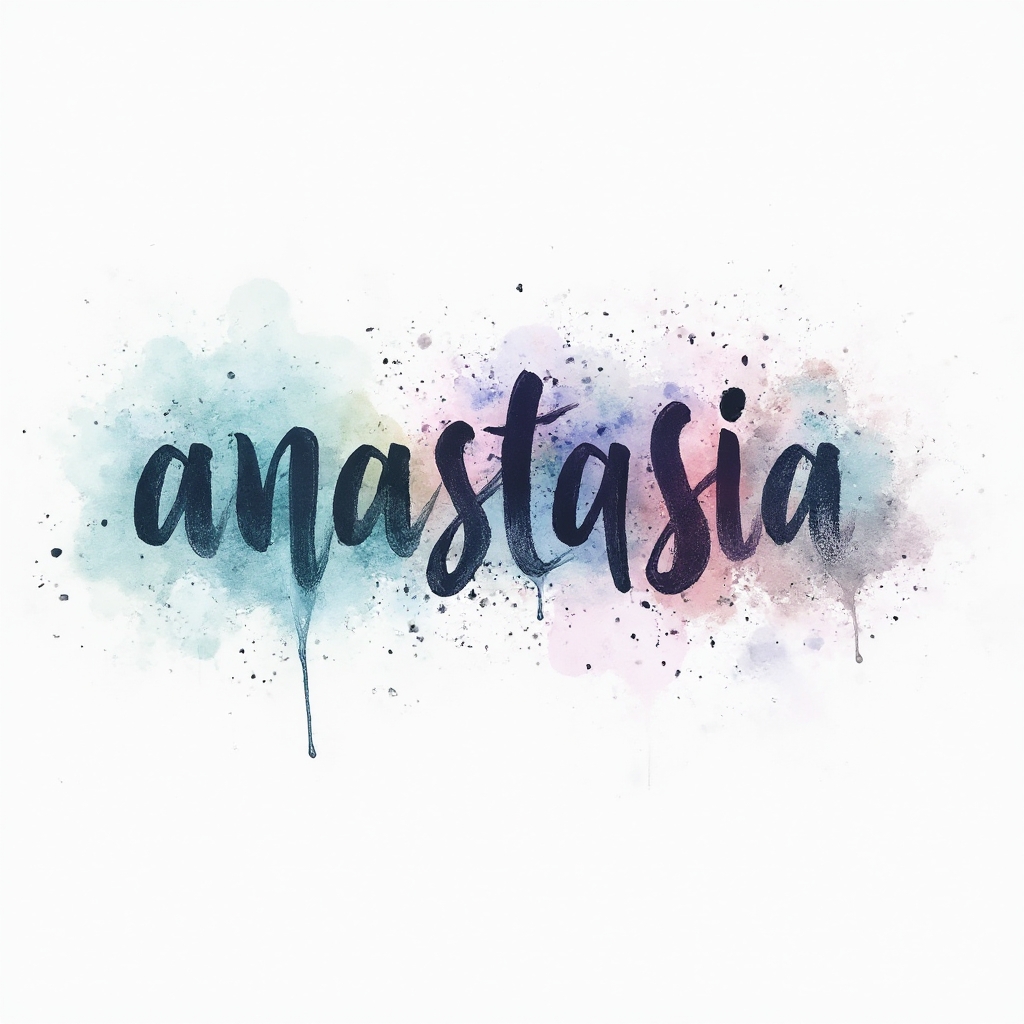
Anastasia Watercolor Dream Ink Tattoo

Anastasia Surreal Ink Landscape Tattoo

Anastasia Trash Polka Fusion Tattoo
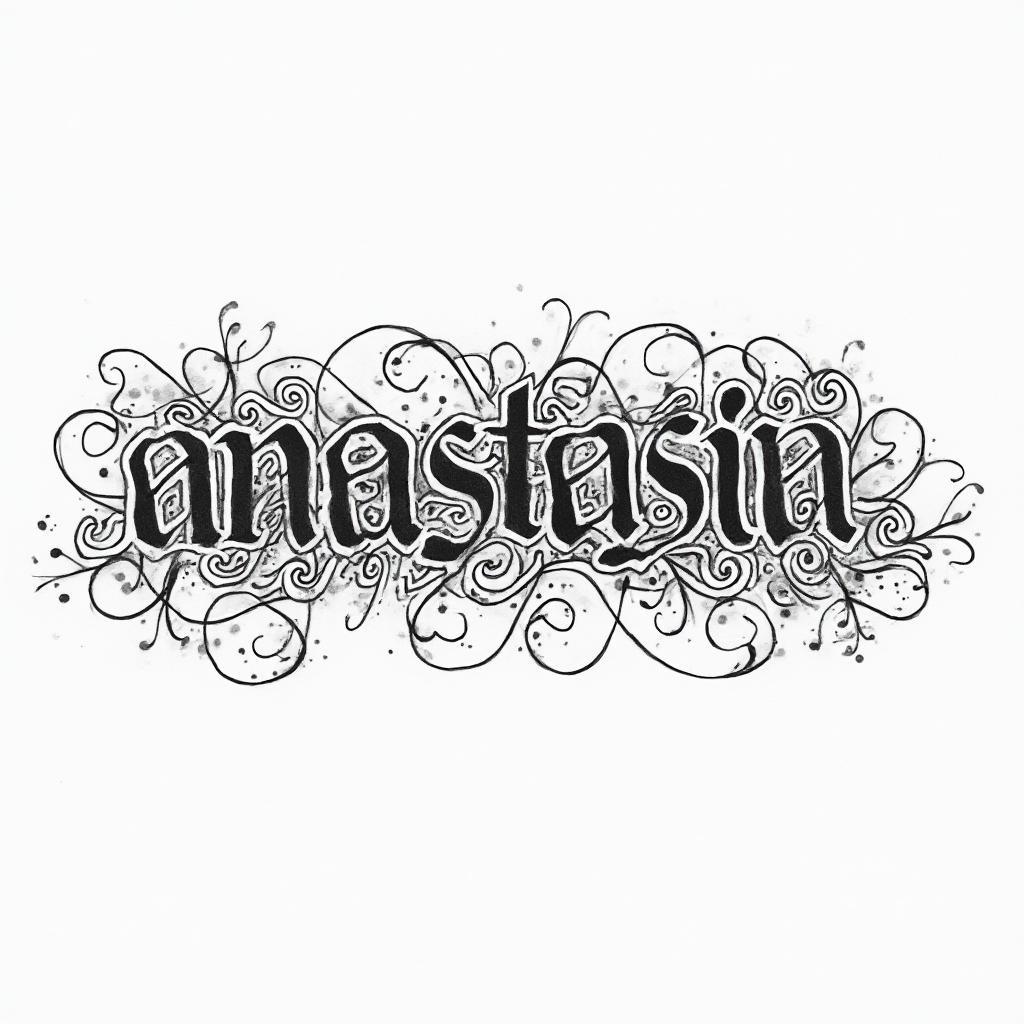
Anastasia AI-Original-Style Abstract Ink Tattoo
Global distribution & gender ratio
Russia
49.55% of recorded usage
Female: 99.46% · Male: 0.54%
Ukraine
11.75% of recorded usage
Female: 99.66% · Male: 0.34%
Indonesia
8.35% of recorded usage
Female: 99.44% · Male: 0.56%
United States
6.24% of recorded usage
Female: 98.92% · Male: 1.08%
Greece
5.19% of recorded usage
Female: 99.22% · Male: 0.78%
You may also like
Similar names
Natasha
A diminutive of Anastasia, Natasha shares the same root with the meaning of birthday or Christmas Day.Stasia
Derived from Anastasia, Stasia is a popular short form with the core meaning of resurrection.Ana
A classic similar name, Ana means favored grace, a fitting companion to Anastasia.Tasia
Often used as a nickname for Anastasia, Tasia implies themes of rebirth and revival.Anya
A variant of Anna, Anya signifies grace, capturing the elegance of Anastasia.Nastia
Rooted in Russian tradition, Nastia denotes concepts of rebirth and innocence, akin to Anastasia.Tasha
A shortened version of Natasha, Tasha carries the secondary meaning of birth.Stacey
A derivative of Anastasia, Stacey hints at rebirth and renewal.Anaïs
A French counterpart to Anastasia, Anaïs bears the meaning of graceful and merciful.Nastasia
An alternative to Anastasia, Nastasia echoes with resurrection and spiritual rebirth.
Frequently asked questions about anastasia
What is the meaning of the name Anastasia?
Anastasia meaning "resurrection," signifying rebirth and renewal.
Where does the name Anastasia come from?
Anastasia originates from Greek culture, tied to the concept of resurrection.
Is Anastasia a male or female name?
Anastasia is primarily a female name, though it can be used for males.
How popular is the name Anastasia?
Anastasia is popular in countries like Russia and Greece, with rising trends in the U.S.
How is Anastasia used globally?
Globally, Anastasia is admired, with cultural influences in France, Greece, and Russia.
What professions suit people named Anastasia?
Anastasias often excel in arts, writing, education, and healthcare careers.
What are common traits of Anastasias?
Common traits include charisma, intelligence, compassion, and resilience.
What are similar names to Anastasia?
Similar names include Natasha, Stasia, Ana, Tasia, Anya, and Tasha.
Who are some famous people named Anastasia?
Famous Anastasias include Anastasia Pavlyuchenkova, Russian tennis player, and Anastasia Baranova, actress.