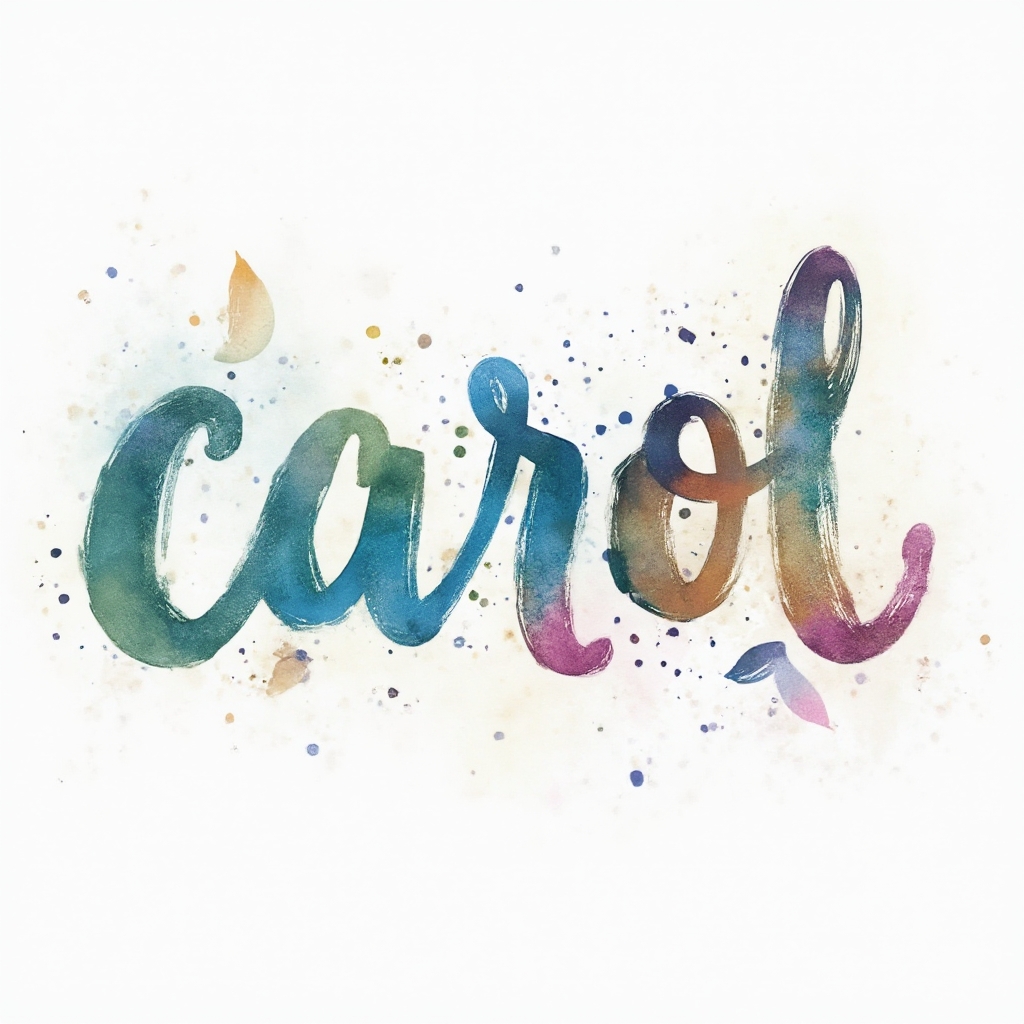
Carol Watercolor Name Splash Tattoo Concept
A vibrant watercolor tattoo concept where carol flows as painterly brushstrokes and splashes on a clean white background.

Carol means free man and is also linked to joyful song.
CAROL is a classic name associated with the idea of a free person and the warmth of joyful song. This page explores its meaning, origin, gender usage, popularity trends, and related names.
The name Carol is derived from the Germanic word 'karal', meaning man or free man. In a more modern interpretation, it's associated with melody or song, drawing connections with joyous music. This multiple-meaning richness makes Carol a harmonious and timeless choice for parents.
Carol has a rich and classical heritage. It originates from the Latin root 'Carolus,' which means 'joyful song or hymn.' While it shares its roots with names like Charles in English-speaking countries, Carol has carved its own unique identity in various cultures worldwide.
A vibrant watercolor tattoo concept where carol flows as painterly brushstrokes and splashes on a clean white background.

A surrealism-inspired name tattoo idea where carol appears as a dreamscape of impossible structures and floating shapes.
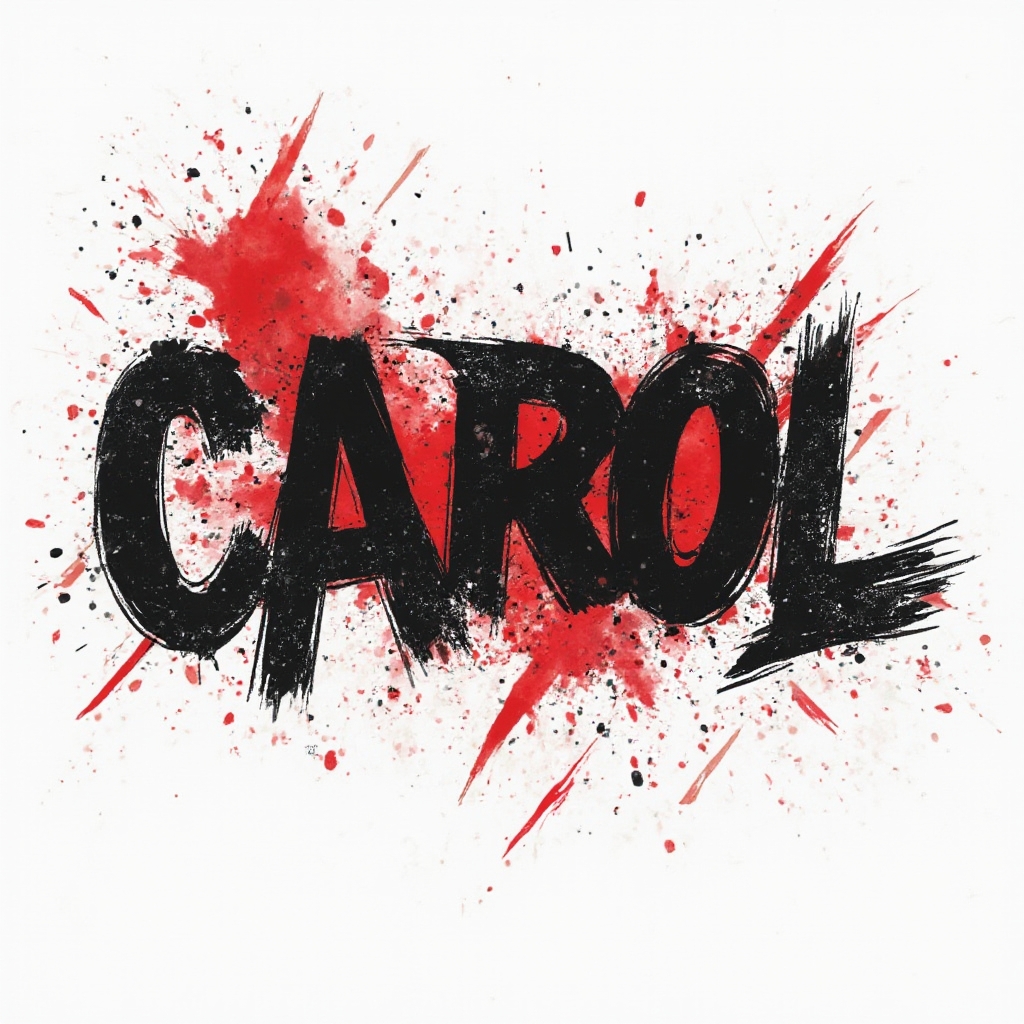
A bold Trash Polka tattoo idea where carol emerges from distressed black strokes, red splashes, and graphic textures.
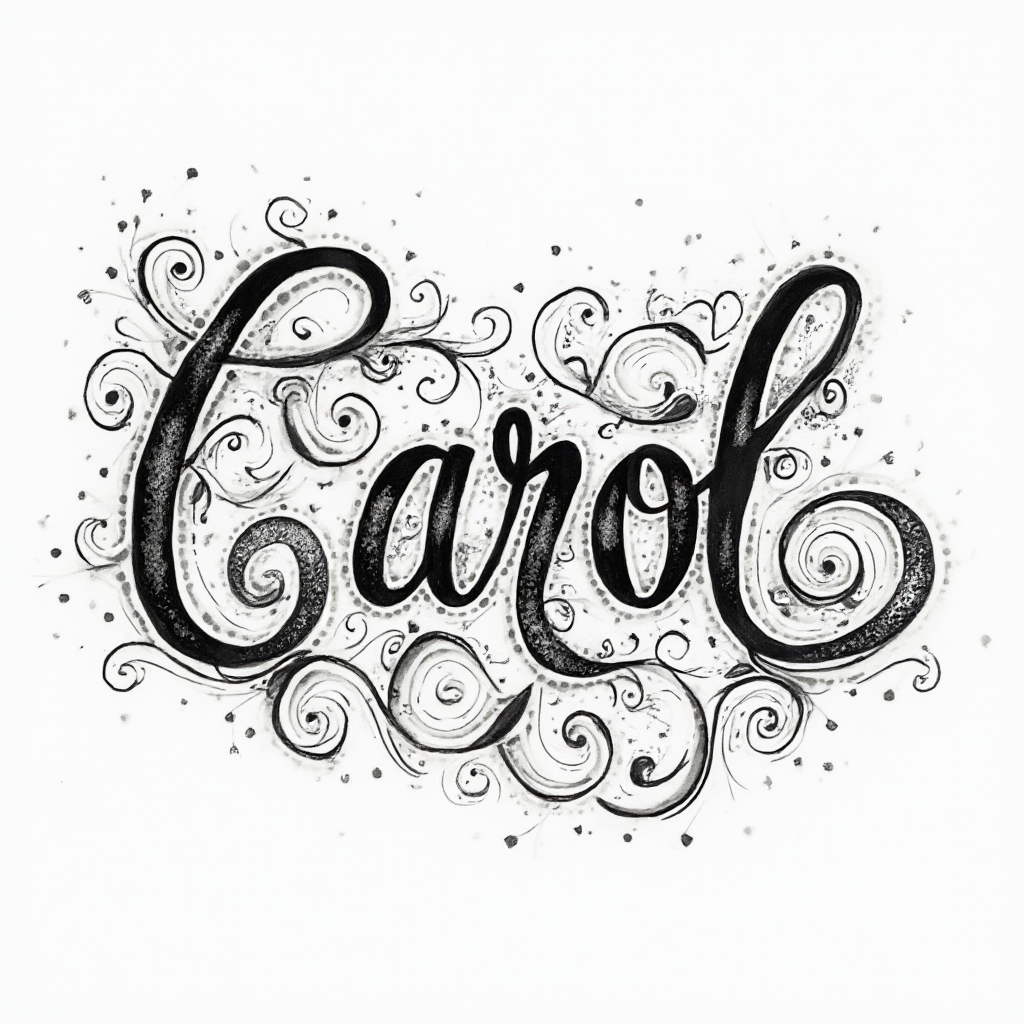
An AI-original ornamental name tattoo design where carol transforms into flowing letterforms, flourishes, and filigree.
The name Carol is widely regarded as gender-neutral, although it is more commonly used as a female name in English-speaking countries. However, in regions like Romania, it retains a masculine association. Notable individuals include Carol Burnett, an American comedian, and Carol I of Romania, a famed king.
The name Carol enjoyed significant popularity in the mid-20th century, particularly in the United States, where it ranked highly in baby name charts. Though its popularity has waned since, it remains a well-loved classic. It has seen resurgences in certain areas due to cultural revivals.
Globally, Carol finds diverse uses in countries like the United States, United Kingdom, and Romania. While pronounced with slight variations, its core identity remains unaltered. In some places, it's spelled as 'Karol' or 'Karel', showcasing its versatility across cultures.
Usage and gender distribution of the name Carol across different countries, based on data from GenderAPI.
Analysis of name gender and popularity trends by country is sourced from Gender API.
Derived from the same root as Carol, Carla means 'free woman' and is commonly used in Spanish and Italian cultures.
A French name with the same roots as Carol, meaning 'free person' or 'petite'.
With the meaning of 'dear' or 'beloved', it shares similar phonetic resonance with Carol.
Meaning 'free woman', it's a derivative of the same Germanic origins as Carol.
A variant spelling of Carol, maintaining its musical associations.
A unisex variation found in Slavic cultures, meaning 'free man'.
A common male variant of Carol, meaning 'man' or 'strong'.
Eastern European form of Caroline, with similar origins and meaning.
Another variant of Caroline, popular in Scandinavian countries.
A modern reinterpretation, sharing Carol's melodic origins.
Many Carols possess an artistic flair, evident in both their personal and professional lives.
Carols are known for their ability to understand others' emotions deeply.
With a natural ease, they adjust to life’s evolving circumstances.
They maintain strong allegiances to family and friends, often nurturing long-lasting relationships.
Carols often consider others' feelings and perspectives, making them considerate companions.
With charisma and confidence, Carols frequently take on leadership roles in various settings.
Many Carols are drawn to creative pursuits, excelling as actors, writers, or musicians.
A passion for knowledge often leads Carols to careers in teaching or academia.
With a deep sense of care, Carols frequently find rewarding careers in nursing and therapy.
Strategic thinking and leadership qualities make Carols successful in corporate roles.
Known for their empathy, Carols excel in roles aimed at improving people’s lives.
Communication skills and charisma make Carols ideal for careers in PR and marketing.
Carol Burnett and Carol Channing have left indelible marks on American entertainment.
The name Carol appears in novels, often symbolizing a character of strength and resilience.
Associated with music, Carols often denote joy and festivity, as seen in carol singing traditions during Christmas.
Kings like Carol I of Romania echo the name's regal significance.
Movies like 'Carol' depicting deep narrative arcs have given the name a modern cinematic edge.
While historically a masculine name, it has beautifully transitioned to suit all genders in contemporary times.
Answers to the most common questions people ask about the name Carol.
The name Carol means 'song' or 'melody', offering a harmonious choice for those who appreciate its musical roots.
Carol originates from Latin with connections to the Germanic 'karal'. It's a name linked to joy and song.
Carol is a gender-neutral name, often used for females in Western countries, but also suitable for males, especially in places like Romania.
Carol was highly popular in the mid-20th century in the United States and continues to be a classic choice globally.
Carol is used worldwide with variations in spelling and pronunciation, especially in English-speaking and Eastern European countries.
Carols often excel in arts, education, healthcare, business, and social work, reflecting their creative and empathetic nature.
Carols are often creative, empathetic, adaptable, loyal, thoughtful, and natural leaders in their communities.
Similar names include Carla, Charlotte, Kara, and Caroline, among others, often sharing melodic or free-spirited meanings.
Famous people named Carol include Carol Burnett, Carol Channing, Carol Ann Duffy, and Carol Kane.