
Meaning of the Name Carl
Origin of the Name Carl
Gender Association of the Name Carl
Popularity of the Name Carl
Global Usage of the Name Carl
Characteristic Features of People Named Carl
Charismatic
Individuals named Carl are often perceived as charming and confident, easily attracting others with their personable demeanor.
Intelligent
Carl often signifies a person of intellect, with a keen ability to understand and solve complex problems.
Loyal
Known for being steadfast, Carls are usually dependable friends and partners, demonstrating strong loyalty.
Common Career Paths for People Named Carl
Leadership Roles
Many Carls gravitate towards leadership and managerial positions, owing to their strong decision-making skills.
Creative Arts
With their imaginative mindsets, Carls often excel in artistic and creative industries.
Technical Fields
The analytical skills commonly associated with Carl make him suitable for fields such as engineering and technology.
Unique and Interesting Characteristics of the Name Carl
Historical Royalty
The name Carl has been borne by kings and emperors, adding a regal touch to its history.
Pop Culture Presence
Carl is a name commonly used in films and literature, often for characters epitomizing strength and intelligence.
Scientific Association
Notable scientists and intellectuals named Carl have contributed to its associations with knowledge and discovery.
Famous People Named Carl
- Carl Sagan: Renowned astronomer and proponent of science communication.
- Carl Jung: Influential Swiss psychiatrist who founded analytical psychology.
- Carl Benz: Pioneer of the automotive industry and inventor of the gasoline-powered automobile.
Pronunciation Guide for the name Carl in Germanic
/kɑːrl/ — Carl
- /k/: as in key
- /ɑː/: as in father
- /rl/: as in girl
The name Carl is pronounced as 'KAHR-l' with emphasis on the 'KAHR', similar to the word 'car' with an 'l' sound at the end.
Carl Artistic Name Tattoo Collection
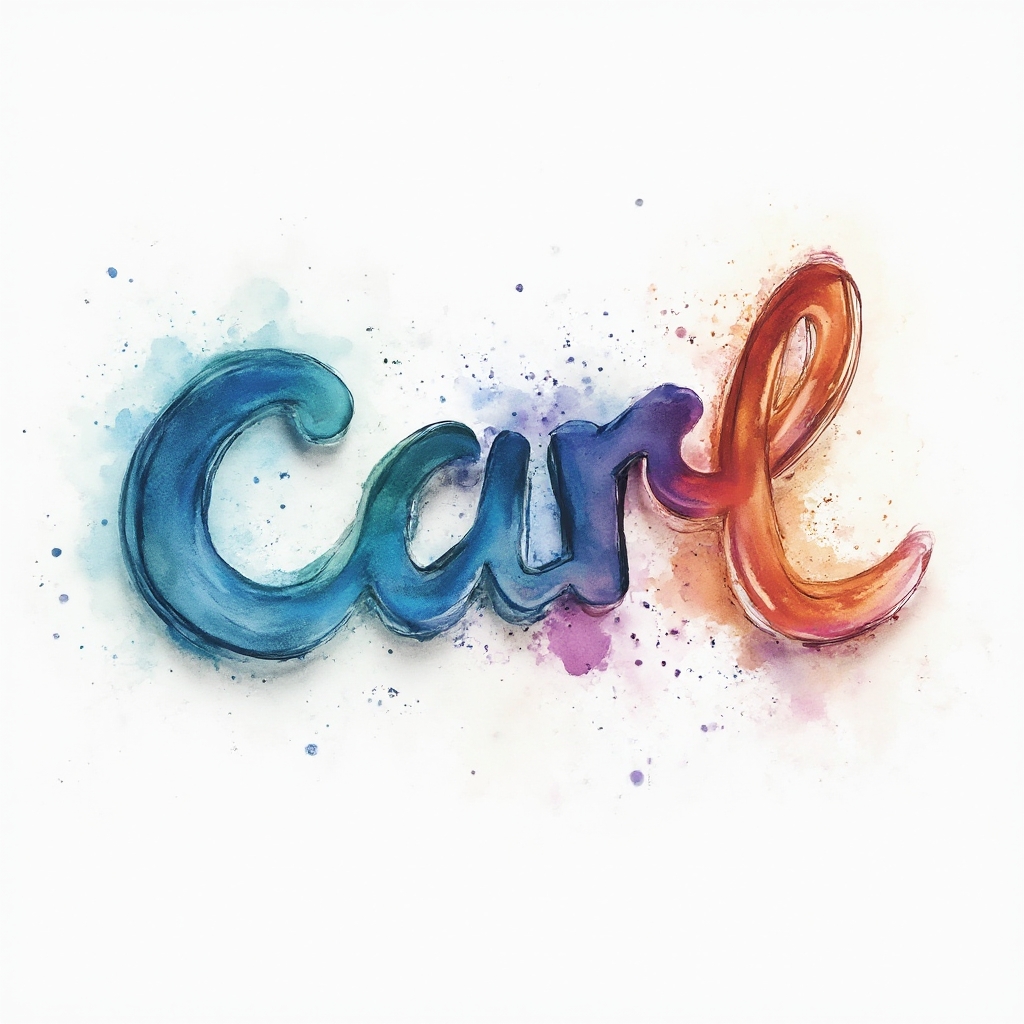
Carl Watercolor Splash Name Tattoo Concept

Carl Surrealism Dreamscape Lettering Tattoo
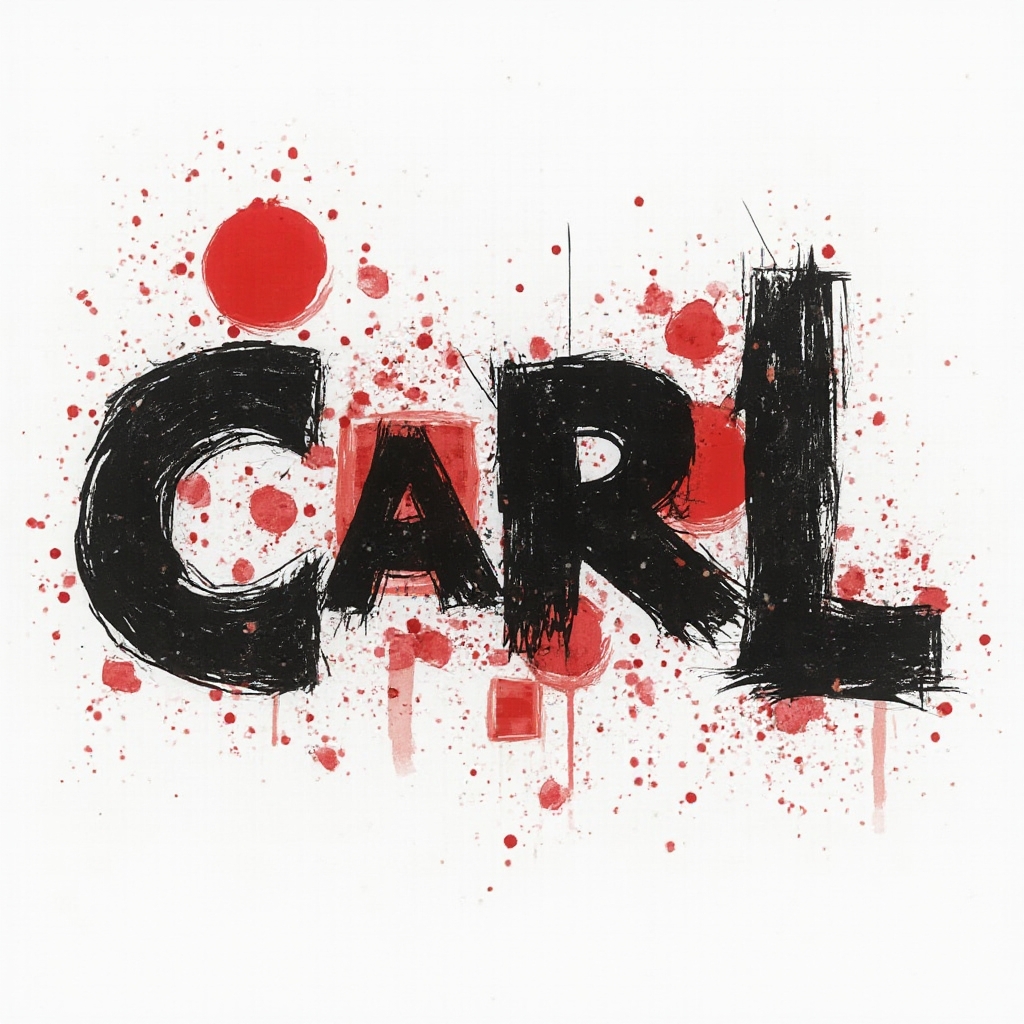
Carl Trash Polka High-Contrast Name Tattoo
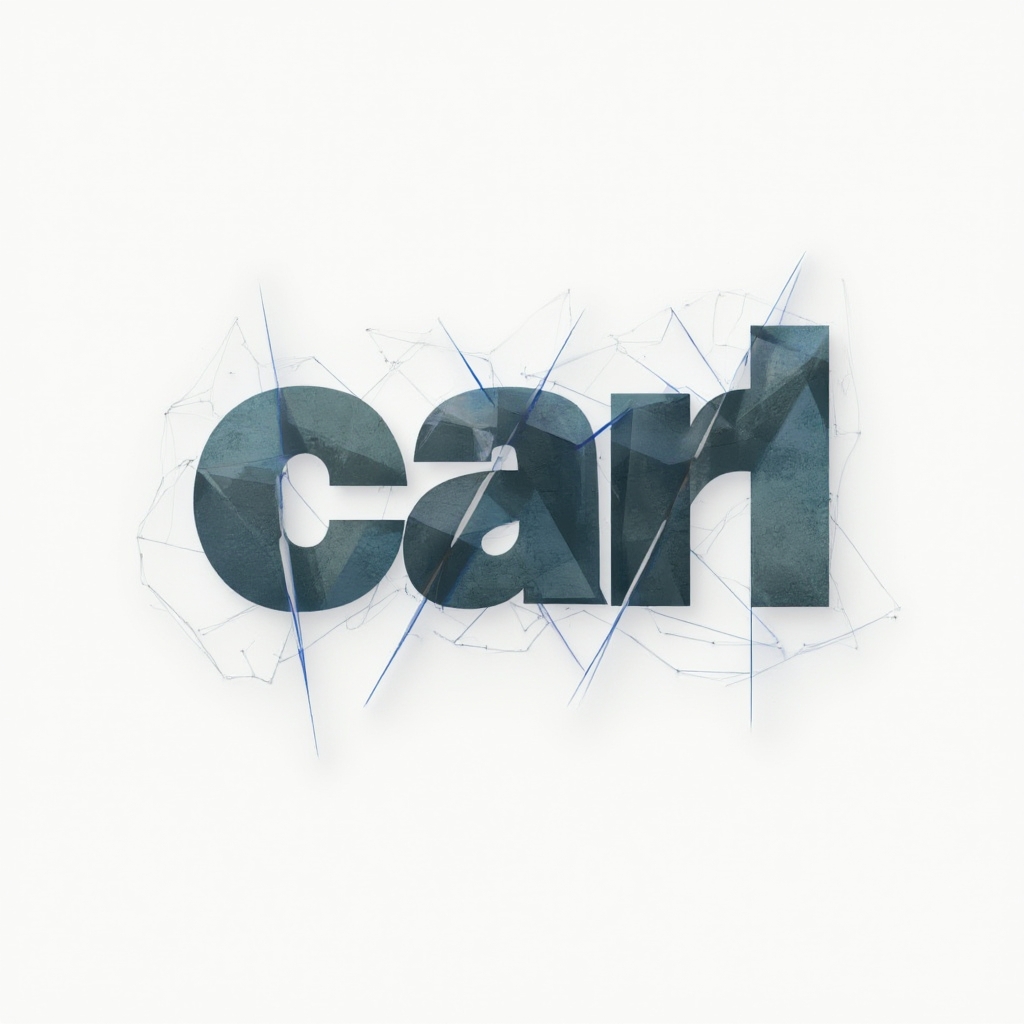
Carl AI-Original-Style Abstract Name Tattoo
Global distribution & gender ratio
United States
50.86% of recorded usage
Female: 0.93% · Male: 99.07%
Philippines
11.59% of recorded usage
Female: 8.19% · Male: 91.81%
United Kingdom
9.73% of recorded usage
Female: 0.56% · Male: 99.44%
Canada
3.10% of recorded usage
Female: 0.00% · Male: 100.00%
Belgium
3.03% of recorded usage
Female: 0.00% · Male: 100.00%
You may also like
Similar names
Karel
A variant of Carl with the same ''free man'' meaning popular in Czech and Slovak regions.Charles
An English counterpart sharing close ''noble'' roots.Karlo
A Slavic variation maintaining the strong'' and noble connotations.Karl
German version synonymous with Carl, reflecting ''man'' and ''noble'' meanings.Carlito
A diminutive form often used in Spanish-speaking countries, with friendly and warm undertones.Carlos
Spanish variation, resonating deeply with ''noble'' and strong'' qualities.Carleton
An extended form suggesting a noble lineage or heritage.Carlo
Italian form with ''man'' and ''free man'' connotations.Carlo
Italian form with ''man'' and ''free man'' connotations.
Frequently asked questions about carl
What is the meaning of the name Carl?
The name Carl typically means 'free man', symbolizing liberty and independence.
What is the origin of the name Carl?
The origin of Carl is Germanic, initially meaning 'man'.
Is Carl a gender-neutral name?
While traditionally male, Carl is also used by females.
How popular is the name Carl?
Carl maintains steady popularity, especially in Germany and the U.S.