
Meaning of the Name Carlo
Origin of the Name Carlo
Gender Association of the Name Carlo
Popularity of the Name Carlo
Global Usage of the Name Carlo
Characteristic Features of People Named Carlo
Independence
Individuals named Carlo often exhibit a strong sense of independence.
Resilience
Known for their resilience, they can tackle challenges head-on.
Leadership
People with this name often possess leadership traits.
Intellect
Carlo is associated with intellectual curiosity and a thirst for knowledge.
Common Career Paths for People Named Carlo
Entrepreneurship
Many Carls pursue business ventures.
Leadership
Occupying roles in management or executive positions.
Artistic Fields
A draw to creative pursuits like music or painting.
Sciences
Engaging with research and scientific exploration.
Unique and Interesting Characteristics of the Name Carlo
Literary Reference
Carlo Collodi penned the famous 'Pinocchio'.
Pop Culture
Has been used in various films and TV shows.
Historic Figure
Carlo Alberto, a notable king of Sardinia.
Influence in Music
Carlo Gesualdo, a renowned composer.
Famous People Named Carlo
- Carlo Collodi: Author of Pinocchio.
- Carlo Ancelotti: Football manager and former player.
- Carlo Rambaldi: Special effects artist.
Pronunciation of Carlo in Italian
/ˈkar.lo/ — Carlo
- /k/: sound as k in cat
- /a/: sound as a in father
- /r/: rolled 'r', typical of Italian
- /l/: sound as l in lion
- /o/: sound as o in bold
Pronounced as 'KAR-lo', with emphasis on the first syllable and a soft 'o'.
Carlo Artistic Tattoo Concept Collection
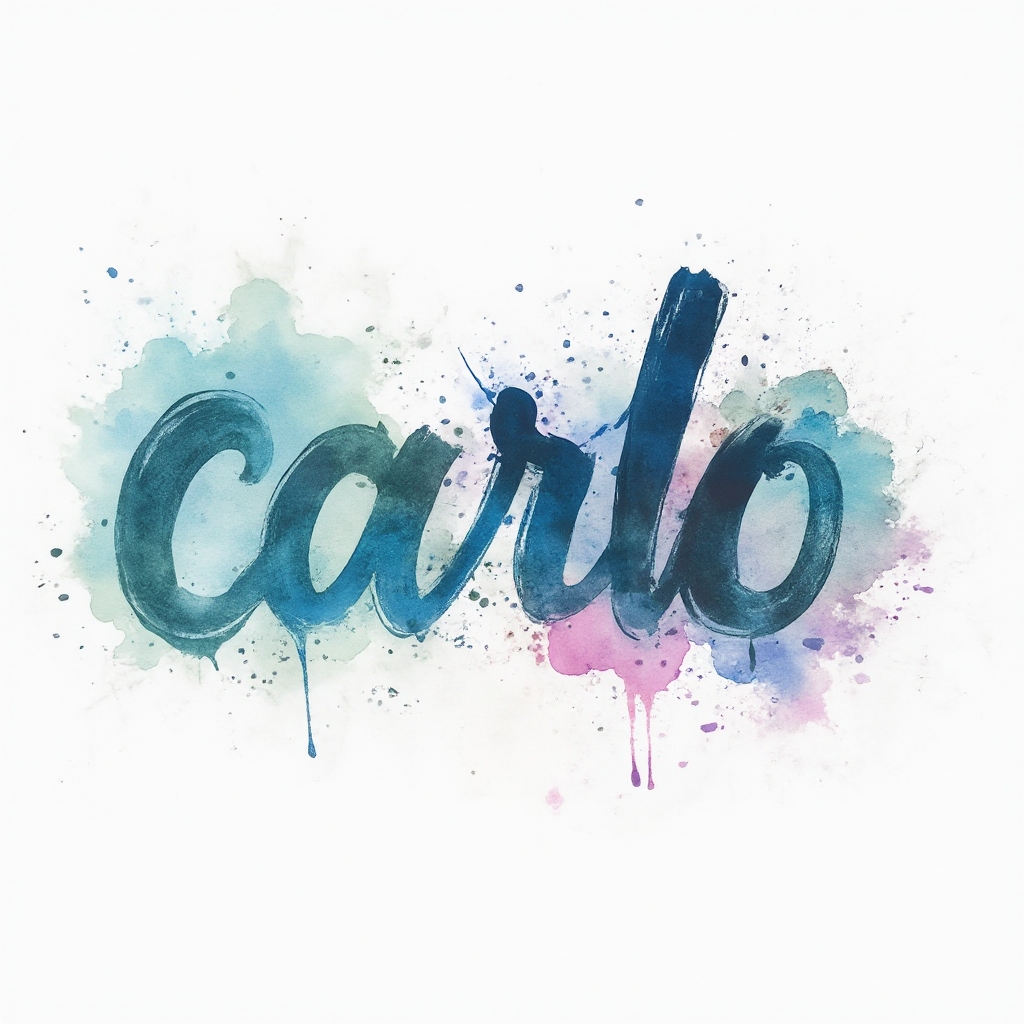
Carlo Watercolor Splash Lettering Tattoo Concept
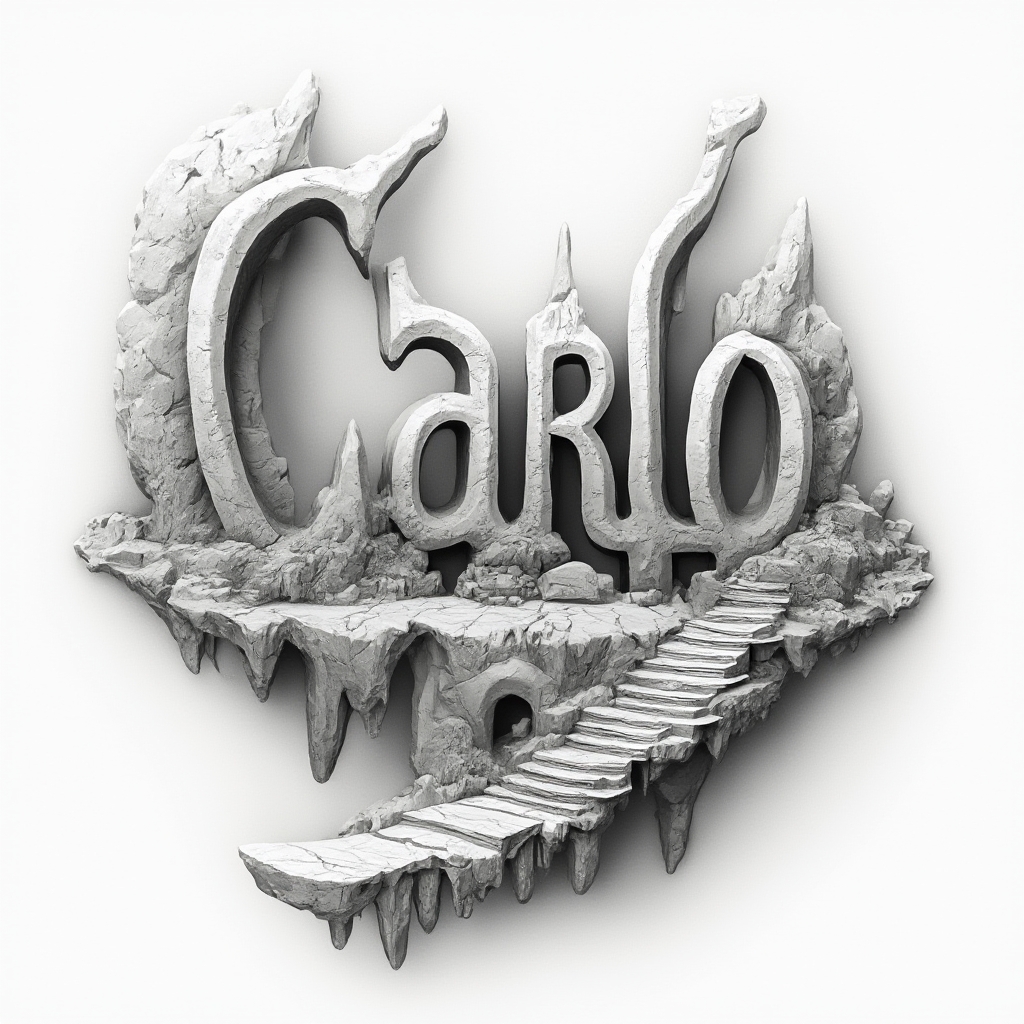
Carlo Surrealism Dreamscape Lettering Tattoo Concept
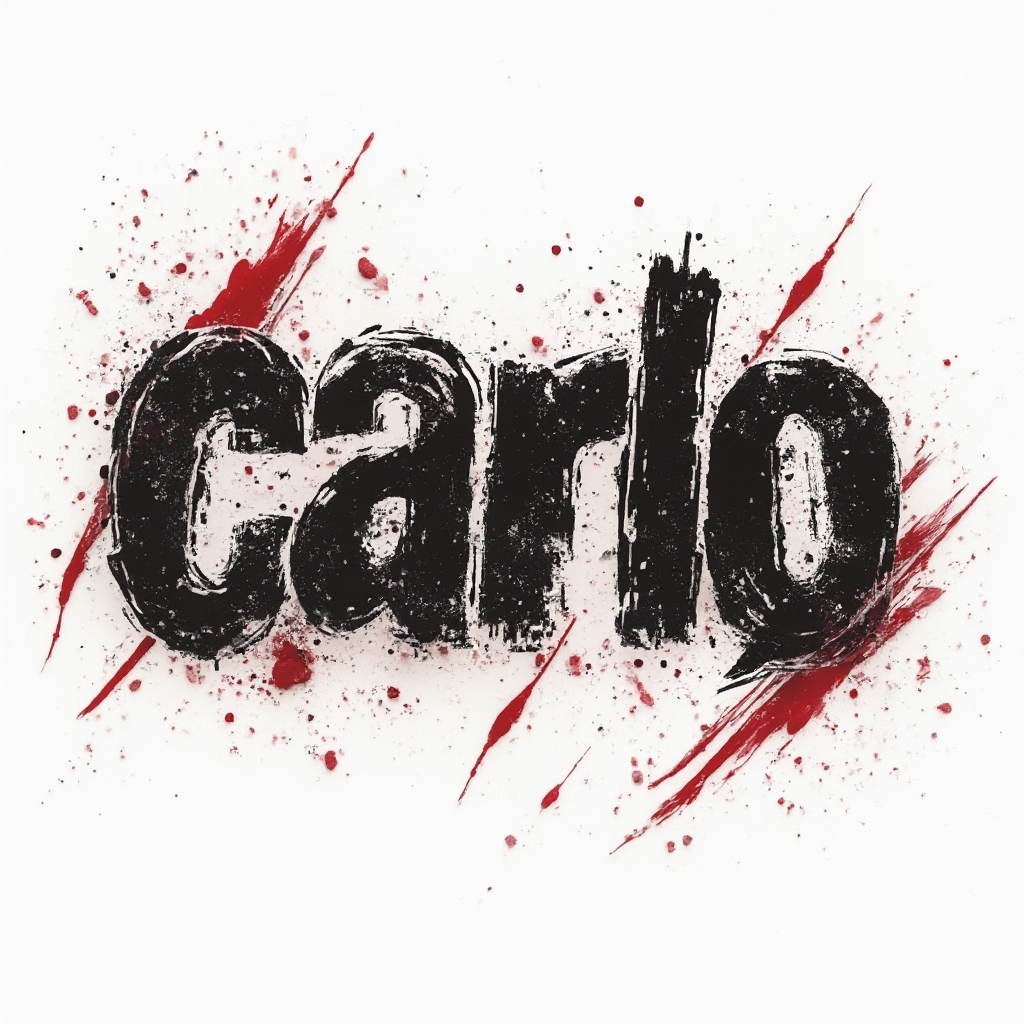
Carlo Trash Polka Contrast Lettering Tattoo Concept
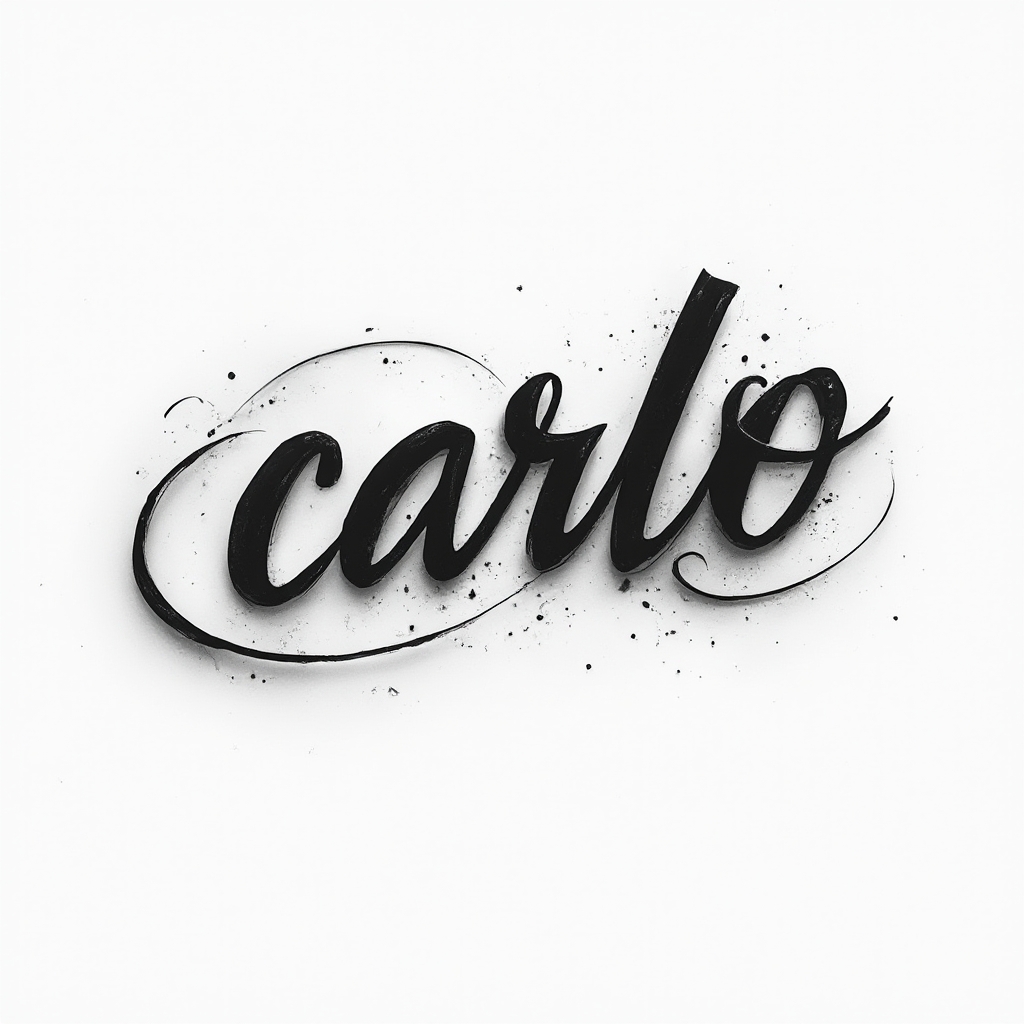
Carlo AI-Original-Style Dimensional Flow Lettering Tattoo Concept
Global distribution & gender ratio
Philippines
26.69% of recorded usage
Female: 0.07% · Male: 99.93%
Italy
26.12% of recorded usage
Female: 0.27% · Male: 99.73%
United States
10.43% of recorded usage
Female: 0.67% · Male: 99.33%
Mexico
7.83% of recorded usage
Female: 0.67% · Male: 99.33%
Brazil
5.72% of recorded usage
Female: 0.92% · Male: 99.08%
You may also like
Similar names
Carla
Carla is similar in meaning to Carlo, denoting freedom and strength.Charles
Charles shares the meaning strong and free man.Karl
Karl, meaning free man, is the original form from which Carlo is derived.Carl
Carl is another version, sharing meanings like strong and free.Carlos
Carlos, a Spanish variation, also means strong and free man.Carlen
Carlen reflects meanings of strength and freedom.Charlus
Charlus denotes nobility and freedom.Charlo
Charlo carries the idea of being free and strong-willed.Karol
Karol, meaning free man, is a Slavic form of Carlo.Charly
Charly, similar in pronunciation, implies strength and freedom.
Frequently asked questions about carlo
What is the meaning of the name Carlo?
Carlo typically means a 'free man' and 'strong', derived from the German name Karl.
What is the origin of the name Carlo?
The name Carlo originates from Italy and has Germanic influences.
Is Carlo a male or female name?
Carlo is predominantly a male name, though used in some feminine contexts.
How popular is the name Carlo?
Carlo remains a popular name in Italy and has periods of varying popularity globally.
How is the name Carlo used globally?
Carlo is recognized across Italian, Spanish, and other European cultures, with different variations.
What careers are common for people named Carlo?
People named Carlo often pursue entrepreneurship, leadership roles, and creative fields.
What are some characteristics of people named Carlo?
Typically, Carls are known for their independence, resilience, and intellectual curiosity.
What are similar names to Carlo?
Similar names include Carlo, Charles, Karl, Carl, Carlos, among others.
How to pronounce Carlo in Italian?
In Italian, Carlo is pronounced as 'KAR-lo', with emphasis on the first syllable.