
Meaning of the Name Charles
Origin of the Name Charles
Gender Association of the Name Charles
Popularity of the Name Charles
Global Usage of the Name Charles
Characteristic Features of People Named Charles
Leadership
Individuals named Charles are often natural leaders, inspiring others with their confidence and vision.
Intelligence
Charles often exhibits sharp wit and intellectual curiosity, making them excel in academic and professional settings.
Charisma
Their ability to charm and influence those around them is a notable trait, creating effective interpersonal relationships.
Resilience
People named Charles are known for their resilience, standing firm in the face of adversity with courage and determination.
Creativity
Many Charles possess a creative streak, excelling in arts and innovative thinking.
Dignity
A sense of dignity and pride often underscores their actions and decisions.
Common Career Paths for People Named Charles
Leadership Roles
With a name symbolizing leadership, many Charles are drawn to managerial and executive roles.
Creative Fields
Artistic expression is common, with careers in writing, music, or visual arts.
Politics
The political arena attracts many Charles, characterized by a desire to influence and enact change.
Academia
Their love for knowledge often leads them to educational or research-driven careers.
Philanthropy
Driven by compassion, many work in humanitarian sectors, dedicated to community service.
Entrepreneurship
The business world offers challenges that many Charles relish, often leading innovative ventures.
Unique and Interesting Characteristics of the Name Charles
Royal Legacy
The name is synonymous with royalty, borne by numerous kings and significant historical figures, such as Charlemagne and King Charles of England.
Literary Presence
The name Charles appears frequently in literature, influencing works by famous authors like Charles Dickens.
Iconic Films
Characters named Charles have played pivotal roles in films and television, contributing to storytelling depth.
Cultural Adaptations
The name's translation into various languages, such as Carlo and Carlos, reflects its universal charm.
Historical Figures
Historical figures named Charles have shaped world events, leaving indelible impressions in history.
Modern Celebrities
Contemporary icons across music, sports, and acting continue to carry the esteemed name.
Famous People Named Charles
- Charles Dickens: Renowned English writer and social critic
- Prince Charles: Heir to the British throne, Prince of Wales
- Charles Darwin: Influential naturalist known for the theory of evolution
- Charles Chaplin: Legendary silent film actor and comedian
- Charles Lindbergh: Famous aviator who completed the first solo transatlantic flight
Charles Name Tattoo Design Collection
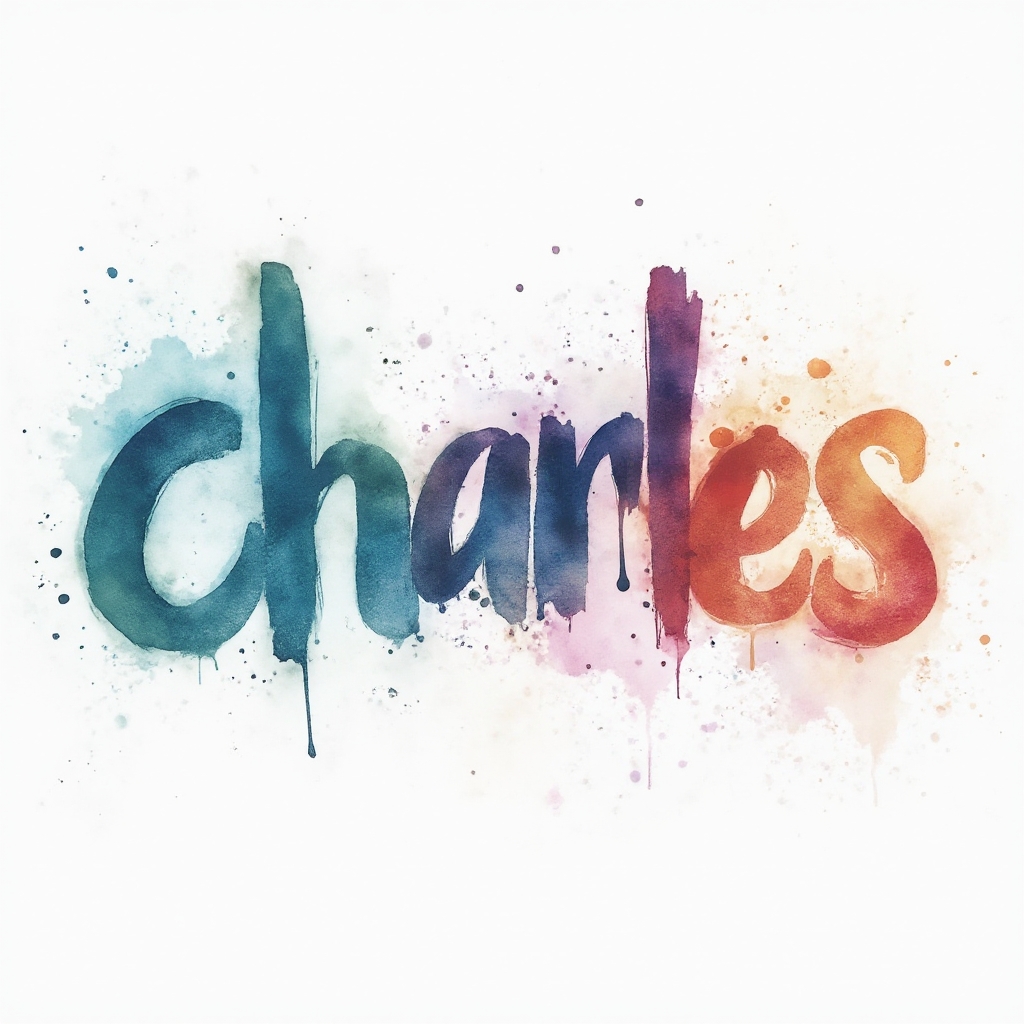
Charles Watercolor Ink Splash Tattoo Concept
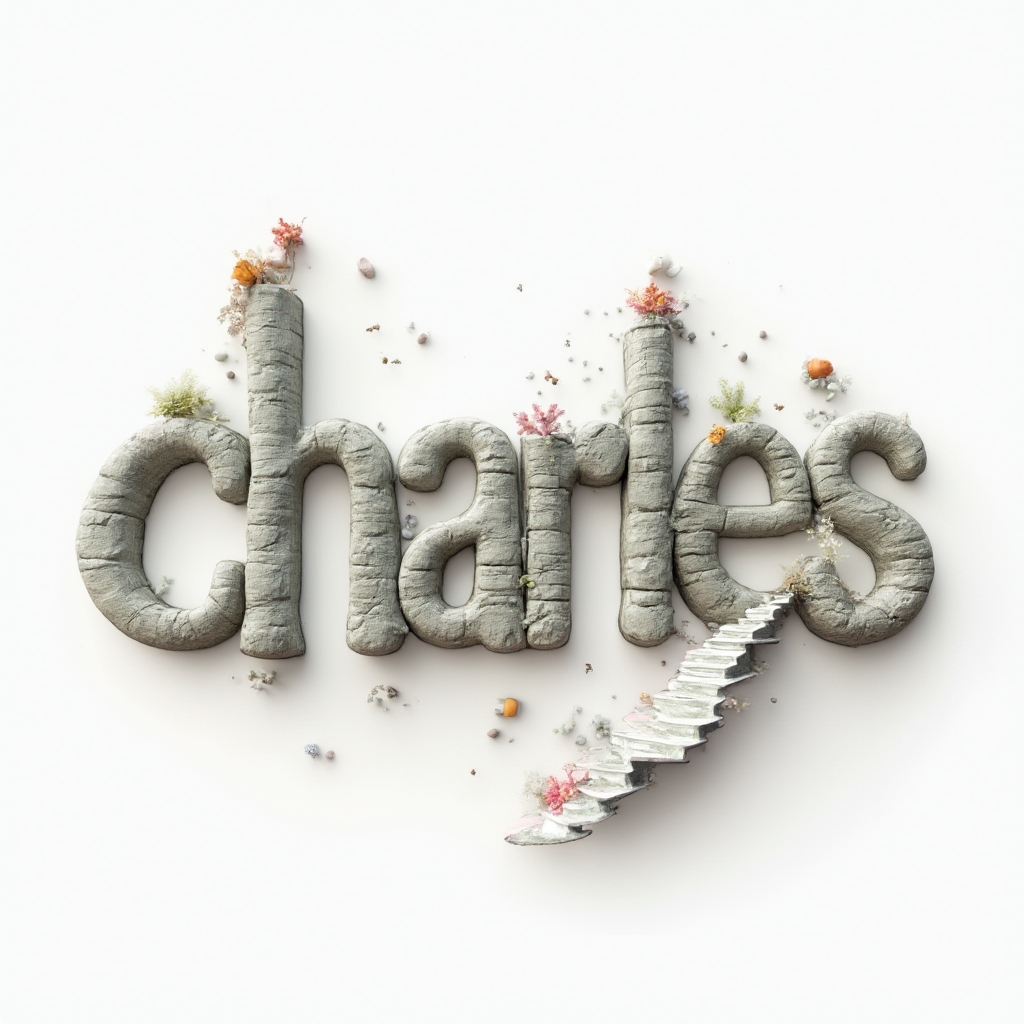
Charles Surrealism Dreamscape Name Tattoo
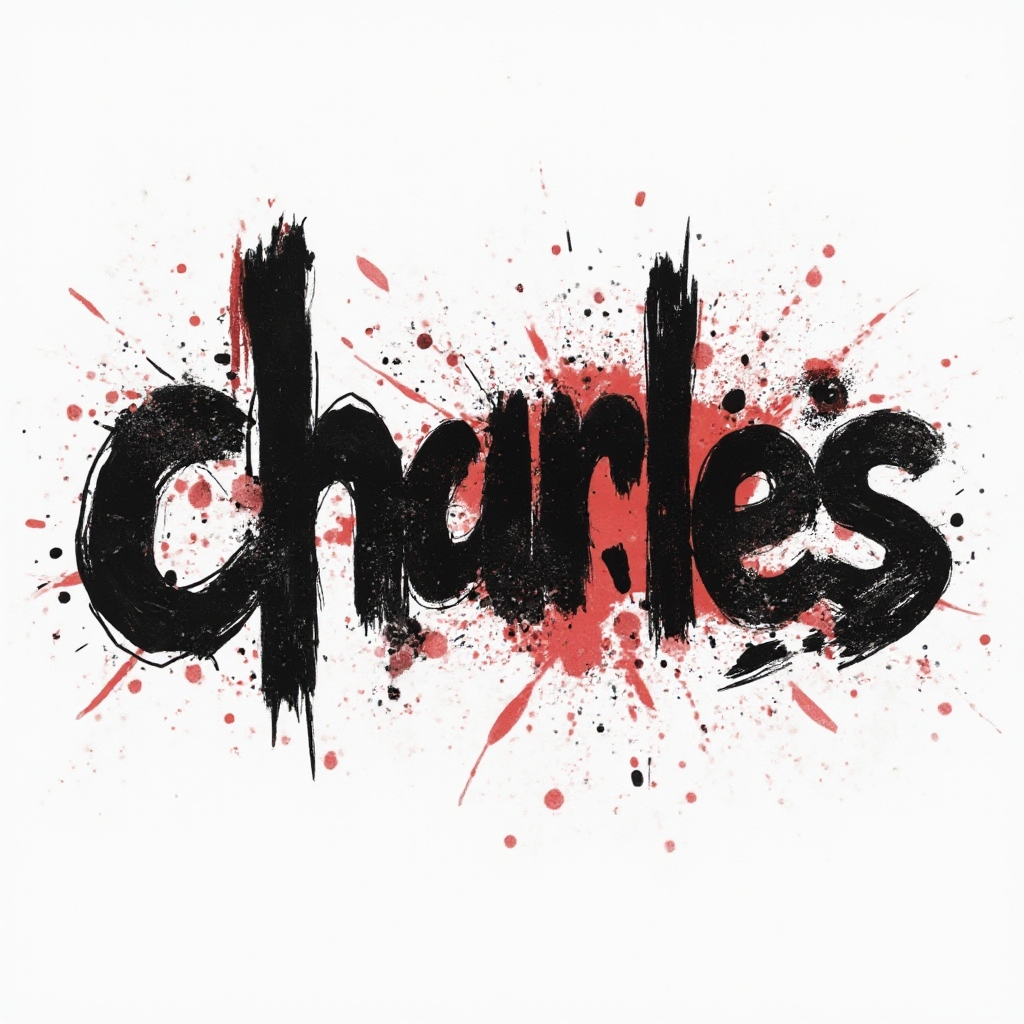
Charles Trash Polka Contrast Lettering Tattoo
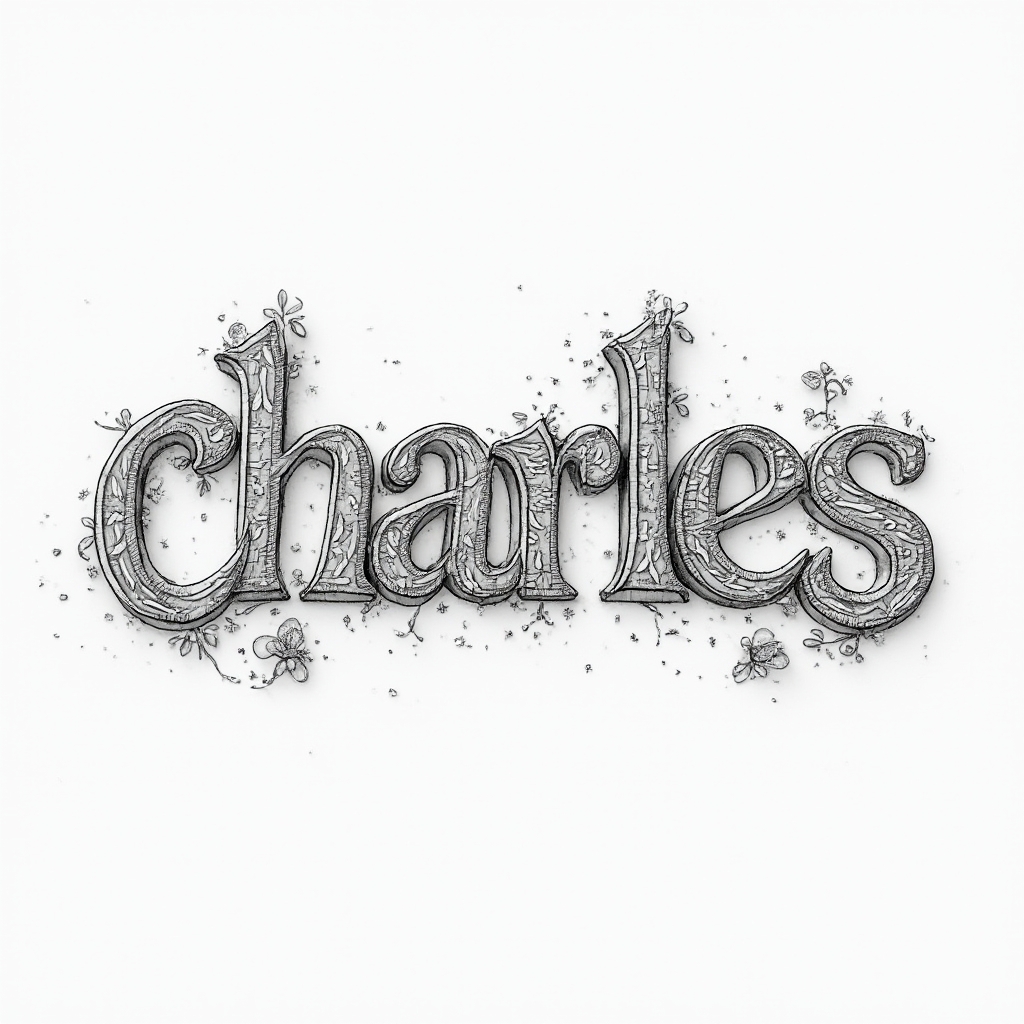
Charles AI-Original-Style Dimensional Linework Tattoo
Global distribution & gender ratio
United States
48.33% of recorded usage
Female: 0.67% · Male: 99.33%
Brazil
16.92% of recorded usage
Female: 0.75% · Male: 99.25%
Indonesia
3.73% of recorded usage
Female: 0.72% · Male: 99.28%
Philippines
3.66% of recorded usage
Female: 0.37% · Male: 99.63%
France
3.40% of recorded usage
Female: 0.39% · Male: 99.61%
You may also like
Similar names
Carl
From the Old German meaning 'free man', Carl mirrors the essence of independence like Charles.Charlie
A diminutive and gender-neutral variation of Charles meaning 'free man'.Carlos
The Spanish rendition of Charles retains the meaning of nobility and independence.Charlie
Used globally, it maintains the meaning of being a free and noble individual.Karol
The Polish equivalent of Charles, symbolizing freedom and strength.Charlot
Popular in France, akin to Charles with emphasis on nobility.Charlotte
A feminine variant, retaining Charles's noble connections.Chaz
A modern twist on Charles with the same free spirit undertones.Chase
Carries a similar meaning focused on the pursuit and freedom.Chuck
An American variation of Charles, known for its friendly undertone.
Frequently asked questions about charles
What is the meaning of the name Charles?
The name Charles signifies nobility and free spirit, rooted in Old German translation as 'a free man'.
Where does the name Charles originate from?
Derived from Old High German, Charles means 'a free man', with strong historical ties to France and Europe.
Is Charles a male or female name?
Traditionally a male name, Charles has found gender-neutral appeal particularly in variations such as 'Charlie'.
How popular is the name Charles?
Highly popular in English-speaking countries and historically among the top names due to royal associations.
What is the global usage of the name Charles?
Across the globe, Charles is adapted into various forms, like 'Carlos' in Spain, making it widely accepted.
What professions are common for people named Charles?
Charles often gravitates towards leadership, creative arts, politics, and academia, resonating with their inherent characteristics.
What are the characteristic features of people named Charles?
Attributes include leadership, intelligence, charisma, resilience, creativity, and dignity, making them well-rounded individuals.
Who are some famous people named Charles?
Notable figures like Charles Dickens, Prince Charles, and Charles Darwin exemplify the historical and cultural impact of the name.