
Meaning of the Name Carlos
Origin of the Name Carlos
Gender Association of the Name Carlos
Popularity of the Name Carlos
Global Usage of the Name Carlos
Characteristic Features of People Named Carlos
Leadership
Individuals named Carlos are often seen as born leaders, with a natural ability to inspire and guide others.
Charisma
Carlos often possesses a magnetic personality, drawing people in with charm and wit.
Independence
People with this name typically value their freedom and make their own paths in life, embodying the name's origins of being a 'free man.'
Confidence
Carlos is frequently characterized by self-assurance and decisiveness, leading effectively in various situations.
Loyalty
Those named Carlos are known for their strong sense of loyalty, especially towards friends and family.
Common Career Paths for People Named Carlos
Leadership Roles
Carlos often finds fulfillment in management or executive positions, utilizing their innate leadership skills.
Creative Arts
Many Carlos are drawn to artistic fields such as music, painting, or writing, expressing their creativity vividly.
Entrepreneurship
Individuals named Carlos frequently pursue entrepreneurial ventures, leveraging their independent nature and innovative ideas.
Political Careers
With an inherent sense of leadership, Carlos may gravitate towards careers in politics or public service.
Sports
The name Carlos is also popular among athletes, emphasizing a competitive and determined spirit found in sports like soccer and tennis.
Unique and Interesting Characteristics of the Name Carlos
Cultural Significance
Carlos has a deep cultural resonance, often chosen for its strong connection to heritage and tradition in the Spanish and Portuguese-speaking world.
Pop Culture
From world-famous musicians like Carlos Santana to sports stars like Carlos Valderrama, the name is well-represented in various facets of pop culture.
Historical Influence
Historically, there have been kings and emperors named Carlos, marking significant epochs in European history.
Phonetic Appeal
The smooth, rhythmic pronunciation of Carlos makes it appealing across different languages.
Flexibility in Naming
The use of diminutive 'Carlito' or combined forms like 'Juan Carlos' showcases the name's adaptability in different cultural contexts.
Famous People Named Carlos
- Carlos Santana: Renowned Guitarist and musician
- Carlos Sainz: Formula One driver
- Carlos Valderrama: Iconic soccer player from Colombia
- Carlos Alcaraz: Upcoming tennis star
- Carlos Slim: Mexican business magnate
- Carlos Gardel: Legendary tango singer
Tattoo design prompts for the name 'carlos'
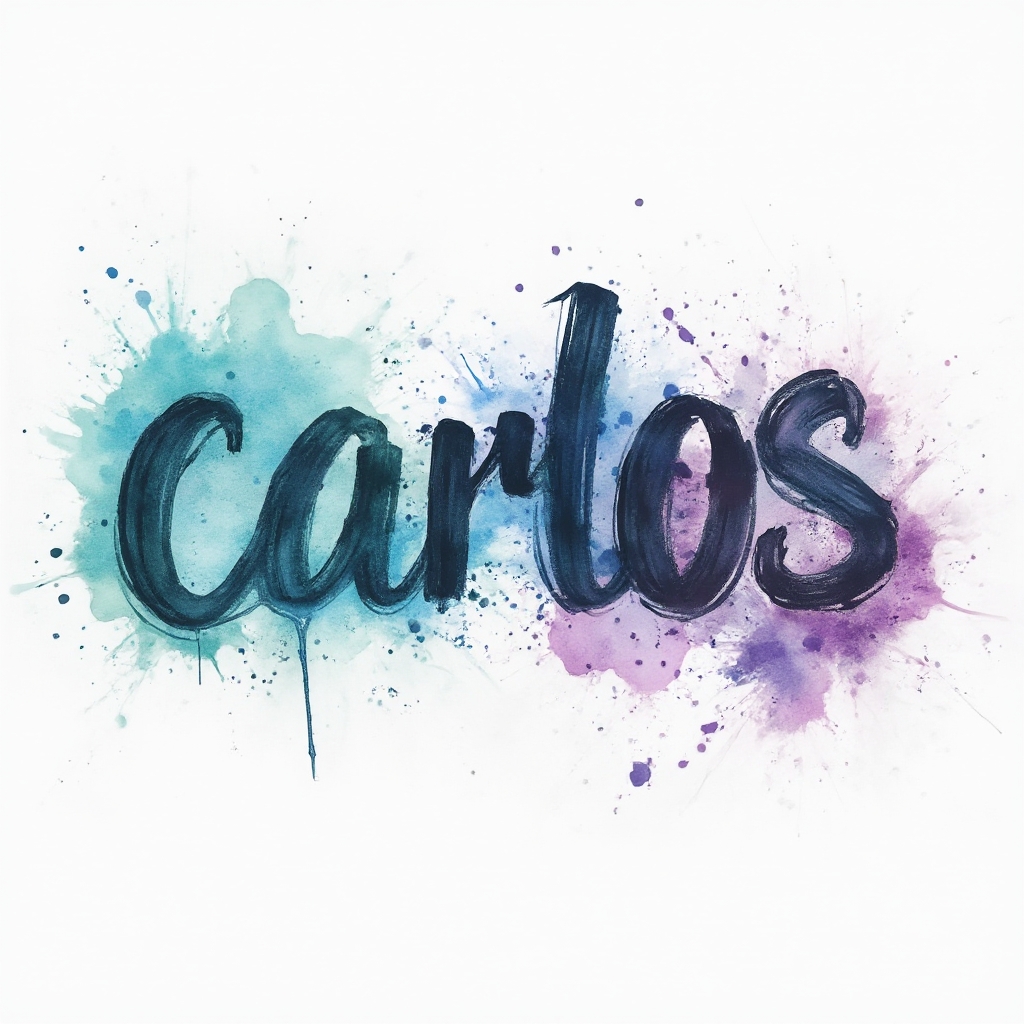
Watercolor Carlos

Surreal Carlos
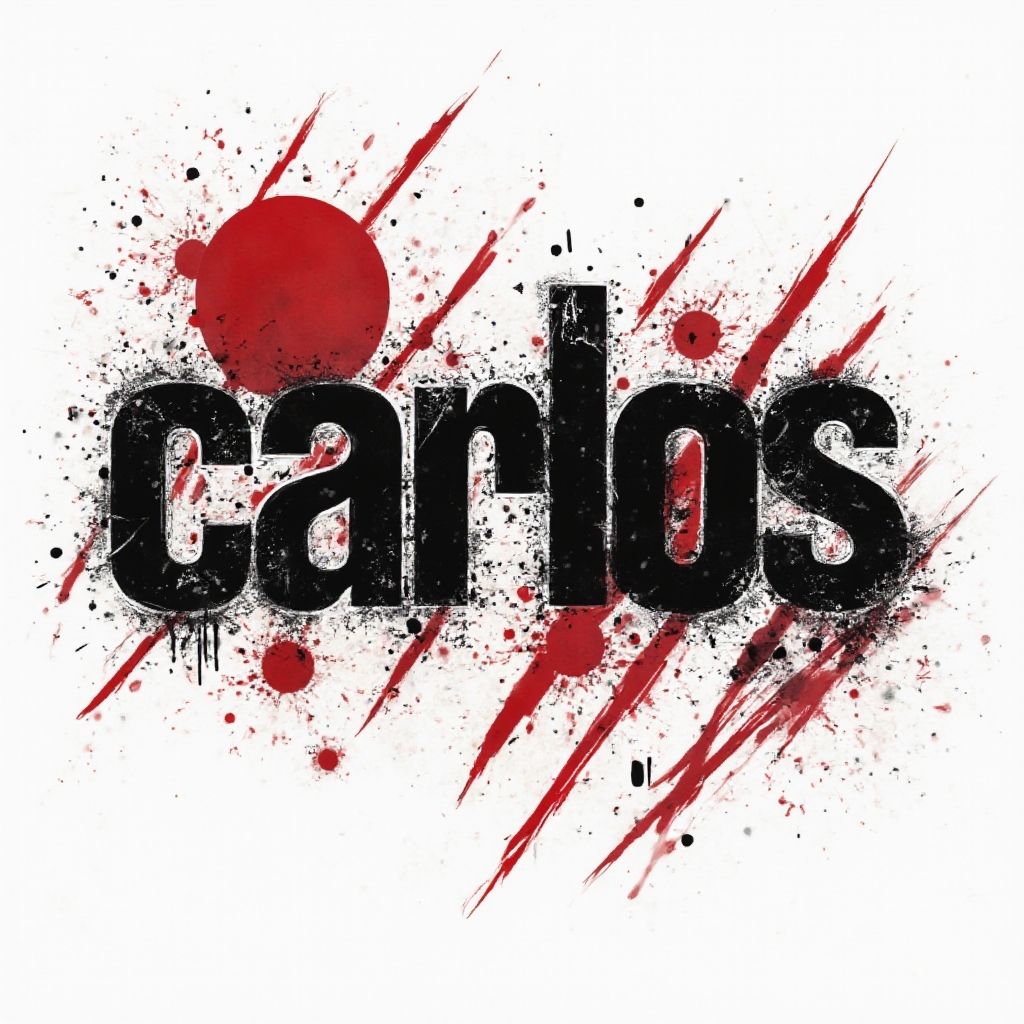
Trash Polka Carlos
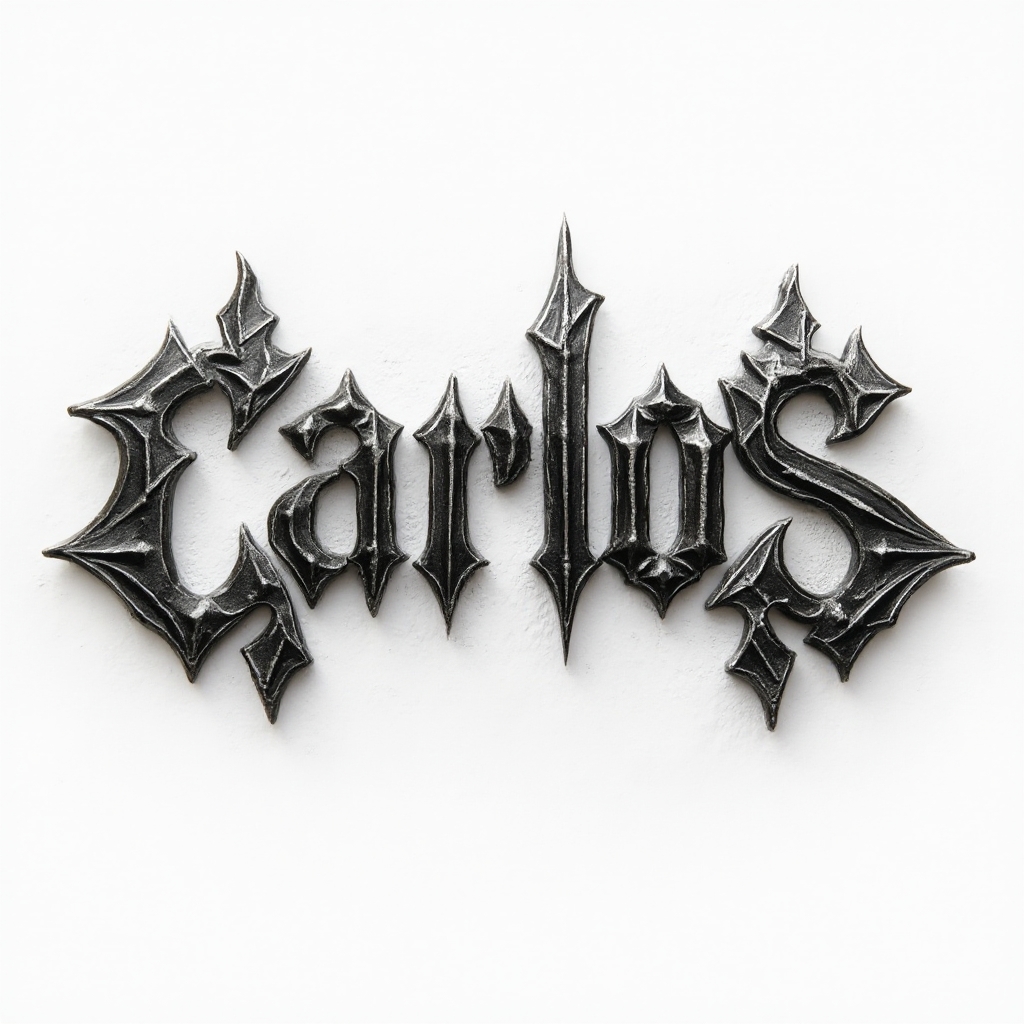
AI-Original-Style Carlos
Global distribution & gender ratio
Brazil
34.66% of recorded usage
Female: 0.53% · Male: 99.47%
Mexico
27.19% of recorded usage
Female: 0.23% · Male: 99.77%
United States
8.08% of recorded usage
Female: 0.50% · Male: 99.50%
Spain
4.79% of recorded usage
Female: 0.43% · Male: 99.57%
Colombia
3.93% of recorded usage
Female: 0.30% · Male: 99.70%
You may also like
Similar names
Carlito
A diminutive form of Carlos, often used to denote endearment and youth. It shares the same root, implying freedom and independence.Carlos
In its Portuguese iteration, retaining the same meaning, perfect for conveying nobility and strength.Carl
The Germanic root of Carlos, meaning free man, suitable for a modern twist on the traditional name.Carlo
An Italian variant that carries the same heritage and intrigue, often associated with leaders and innovators.Karl
This German spelling is popular in Northern Europe and retains the powerful meaning of freedom and independence.Charles
The English variant of Carlos, often associated with royalty and leadership.Cristóbal
Also a Spanish name, and its bearers are usually seen as adventurous and charismatic.Cássio
This is frequently used in Portuguese-speaking countries and is linked with bravery and honor.Camilo
Sharing similar phonetics, Camilo carries meanings of attentiveness and devotion.Caius
This name has a strong historical context, often linked with valor and nobility.