
Meaning of the Name Marya
Origin and History of Marya
Gender of the Name Marya
Popularity of Marya
Global Usage of Marya
Personality Traits Associated with Marya
Graceful
Often associated with poise, calm, and an elegant presence in social settings.
Compassionate
Tends to be perceived as caring, empathetic, and supportive of others.
Resilient
Linked with quiet strength and the ability to endure challenges with dignity.
Spiritual
Frequently connected to a reflective, inward-looking nature and strong values.
Thoughtful
Suggests a considerate personality, attentive to detail and the feelings of others.
Professional Paths for Marya
Counselor or Therapist
Roles that draw on empathy, listening skills, and emotional insight.
Teacher or Educator
Careers focused on nurturing growth and sharing knowledge.
Writer or Editor
Professions that use reflection, sensitivity, and strong communication.
Healthcare Professional
Paths such as nursing or medicine that blend care with resilience.
Nonprofit or Humanitarian Worker
Work dedicated to service, advocacy, and social impact.
Unique and Interesting Facts About Marya
Literary Presence
The name appears in classic and modern novels, often given to introspective or strong characters.
Cross-Cultural Variant
Marya bridges multiple languages as a refined form of Mary/Maria/Maryam.
Spiritual Resonance
Its connection to revered religious figures gives it a quietly sacred feel.
Elegant Rarity
Less common than similar names, it offers uniqueness without sounding unfamiliar.
Famous People Named Marya
- Marya Hornbacher: American author and journalist known for her memoirs on mental health and addiction.
- Marya Roxx: Estonian rock singer and songwriter with international performances.
- Marya Mannes: American writer and critic recognized for her essays and commentary on culture and politics.
Pronunciation of Marya in Its Original Languages
/ˈmɑːr.jə/ or /ˈmɛər.i.ə/ — מריה / Марья (approximate related forms)
- /ˈmɑːr/: "mahr" – open "ah" vowel as in "father" plus a soft r.
- /.jə/: "yuh" – a quick glide from y to a soft, unstressed "uh" sound.
- /ˈmɛər/: "mair" – like "mare" in English.
- /.i.ə/: "ee-uh" – two syllables flowing together softly.
MAHR-yuh or MAIR-ee-uh
Tattoo Design Ideas Featuring the Name Marya
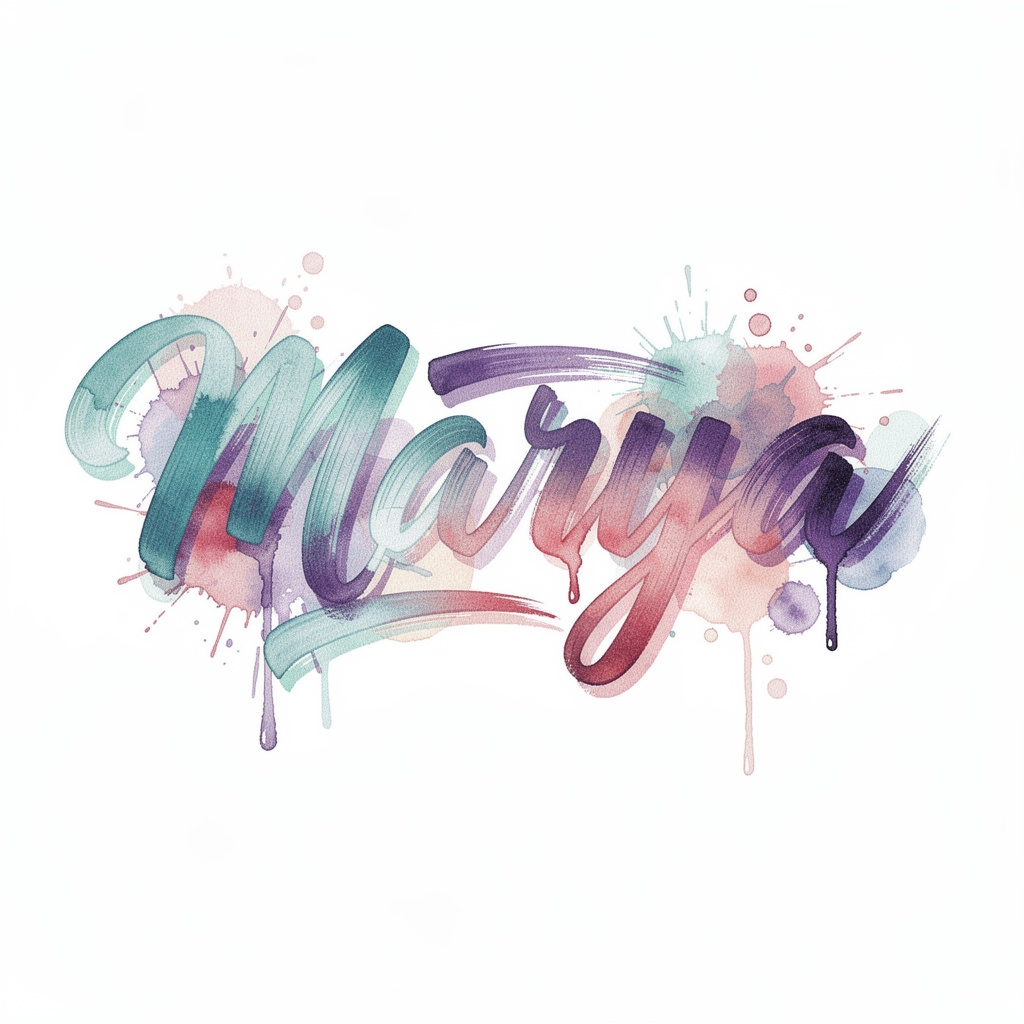
Watercolor Marya Tattoo Design

Surrealist Marya Tattoo Artwork
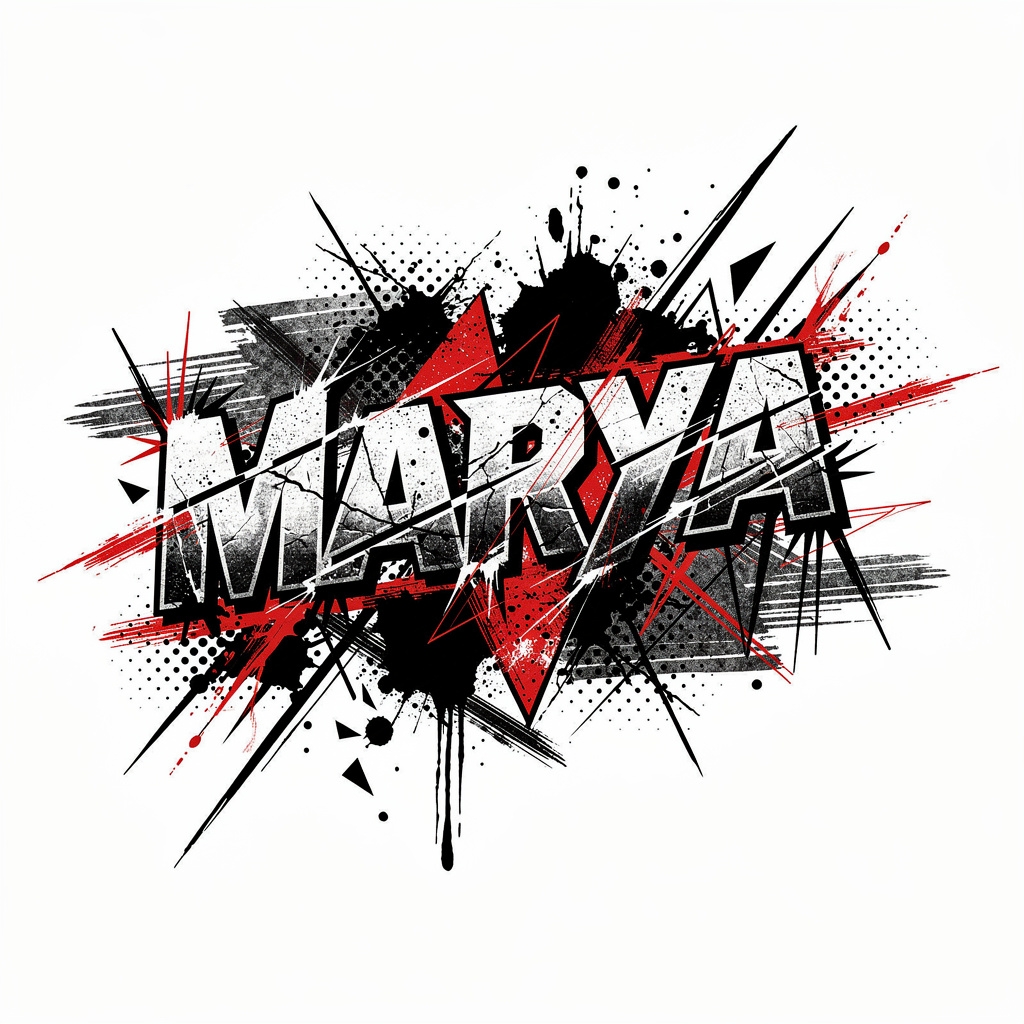
Trash Polka Marya Tattoo Concept
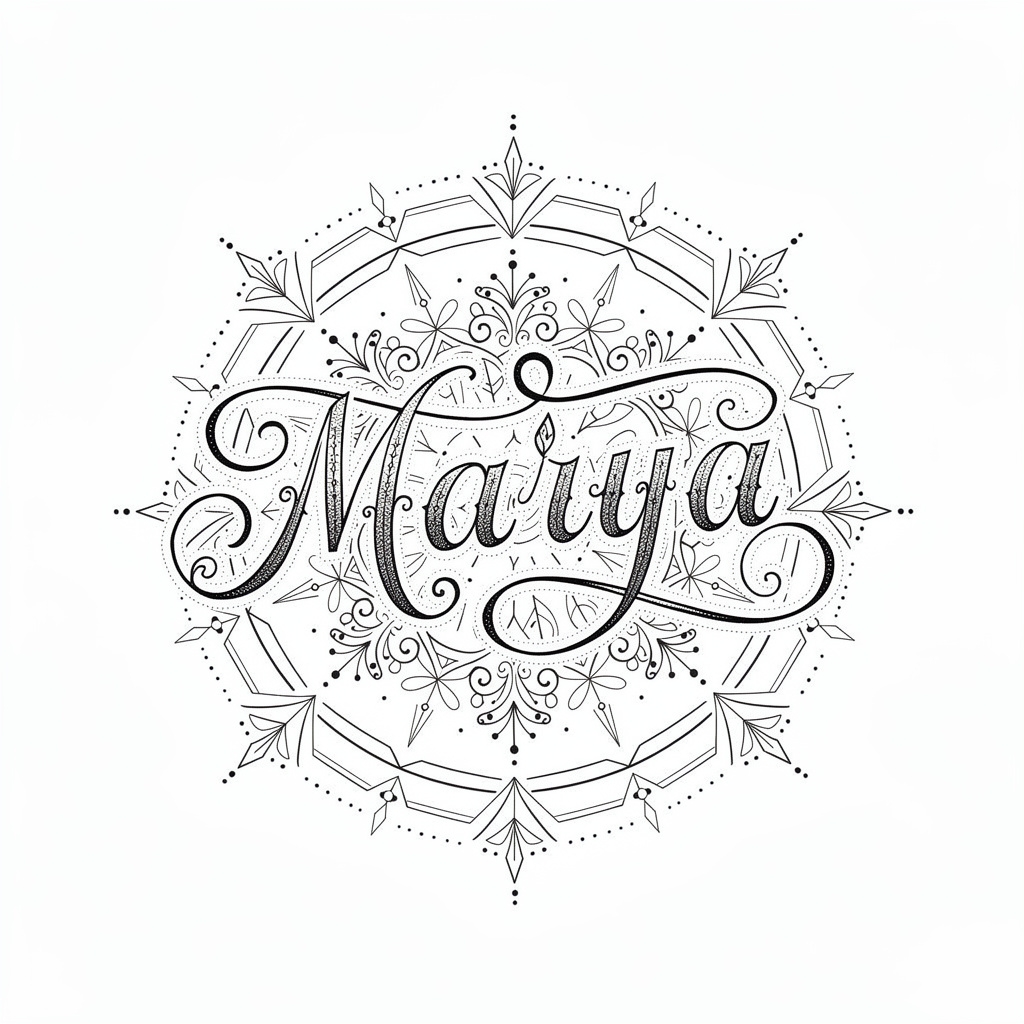
Auraluxe Marya Tattoo Style
Global distribution & gender ratio
Brazil
21.01% of recorded usage
Female: 98.28% · Male: 1.72%
Russia
14.49% of recorded usage
Female: 100.00% · Male: 0.00%
Indonesia
9.06% of recorded usage
Female: 100.00% · Male: 0.00%
United States
8.33% of recorded usage
Female: 97.83% · Male: 2.17%
Saudi Arabia
8.15% of recorded usage
Female: 95.56% · Male: 4.44%
You may also like
Similar names
Maria
A classic name widely used across cultures, often interpreted as grace or beloved.Mary
An enduring biblical name linked with beloved, rebellion, or bitterness, depending on tradition.Maryam
A form common in Arabic and Islamic cultures, associated with purity and devotion.Mariya
A Slavic and international variant carrying meanings of grace and cherished.Meri</name>
A shorter form or variant in some languages, sometimes tied to joy or beloved.Mara
A concise name often linked with bitterness or, in some contexts, joy and strength.Mariyaam
An elongated form with a melodic sound, connected to devotion and spiritual grace.Marija
Common in Slavic and Baltic regions, frequently interpreted as grace and beloved.Mira
A stylish name associated with wonder, peace, or admiration in various languages.Mariam
A widely used variant conveying beloved, exalted, and grace.
Frequently asked questions about marya
What is the meaning of the name Marya?
Marya is generally understood as a variant of Mary or Maria, often associated with meanings such as grace, beloved, purity, and spiritual devotion.
What is the origin of the name Marya?
The name Marya primarily traces back to Hebrew roots through Mary and Maria and appears in Slavic, Russian, and Middle Eastern traditions as a refined or literary variant.
Is Marya a popular name?
Marya is less common than Mary, Maria, or Maryam, making it a relatively rare but recognizable choice in many countries, especially in Eastern Europe, the Middle East, and among diaspora communities.
How do you pronounce Marya?
Marya is typically pronounced MAHR-yuh or MAIR-ee-uh, depending on regional and linguistic preference.
Is Marya a female name?
Yes, Marya is most often used as a feminine given name and is closely related to the widespread female names Mary and Maria.
What names are similar to Marya?
Similar names include Maria, Mary, Maryam, Mariya, Marija, Mira, Mara, and Mariam, which share phonetic elements or related meanings.