
Meaning of the Name Abdel
Cultural and Historical Origin of Abdel
Gender of the Name Abdel
Popularity of Abdel
Global Usage and Pronunciation of Abdel
Personality Traits Linked to Abdel
Devoted
Often seen as loyal and committed to family, faith, or personal values.
Responsible
Frequently associated with reliability and a strong sense of duty.
Calm
Perceived as composed and steady, especially in challenging situations.
Respectful
Linked with politeness, good manners, and regard for elders and tradition.
Hardworking
Commonly viewed as diligent and persistent in pursuing long-term goals.
Careers Often Associated with Abdel
Engineer
Known for analytical thinking and problem-solving, fitting technical careers.
Teacher
Reflects patience, clarity, and a desire to guide and support others.
Doctor
Suggests dedication, discipline, and a strong sense of responsibility.
Entrepreneur
Suits ambitious, self-driven individuals who take initiative.
Community Leader
Connects with roles in social work, local governance, or religious leadership.
Unique and Interesting Facts About Abdel
Theophoric Heritage
Abdel is traditionally part of longer names that incorporate divine attributes, such as Abdel-Rahman or Abdel-Karim.
Cross-Regional Usage
The name appears across North Africa, the Middle East, and European diaspora communities.
Spelling Variants
Variants like Abdell, Abdellah (in compounds), or Abdel- followed by another element can be seen in official records.
Religious Significance
The name’s root “ʿabd” connects it strongly to Islamic devotional naming practices.
Famous People Named Abdel
- Abdel Fattah el-Sisi: President of Egypt and former military officer.
- Abdel Halim Hafez: Iconic Egyptian singer and actor, known as “The Dark Nightingale.”
- Abdelkader Ghezzal: Algerian professional footballer who played for clubs in Italy and Spain.
- Abdel-Aziz ibn Saud: Founder and first king of Saudi Arabia (name often rendered with compound form).
- Abdeljalil Hadda: Moroccan footballer and national team striker.
Pronunciation of Abdel in Arabic
/ˈæb.dɛl/ — عبدل
- /æb/: short "a" as in “cat” followed by a soft "b" sound.
- /d/: clear "d" sound with the tongue touching the ridge behind the teeth.
- /ɛl/: "e" as in “bed,” ending with a light "l" sound.
AB-del (rhymes roughly with “rab-dell” without the ‘r’).
Tattoo Design Ideas Featuring the Name Abdel
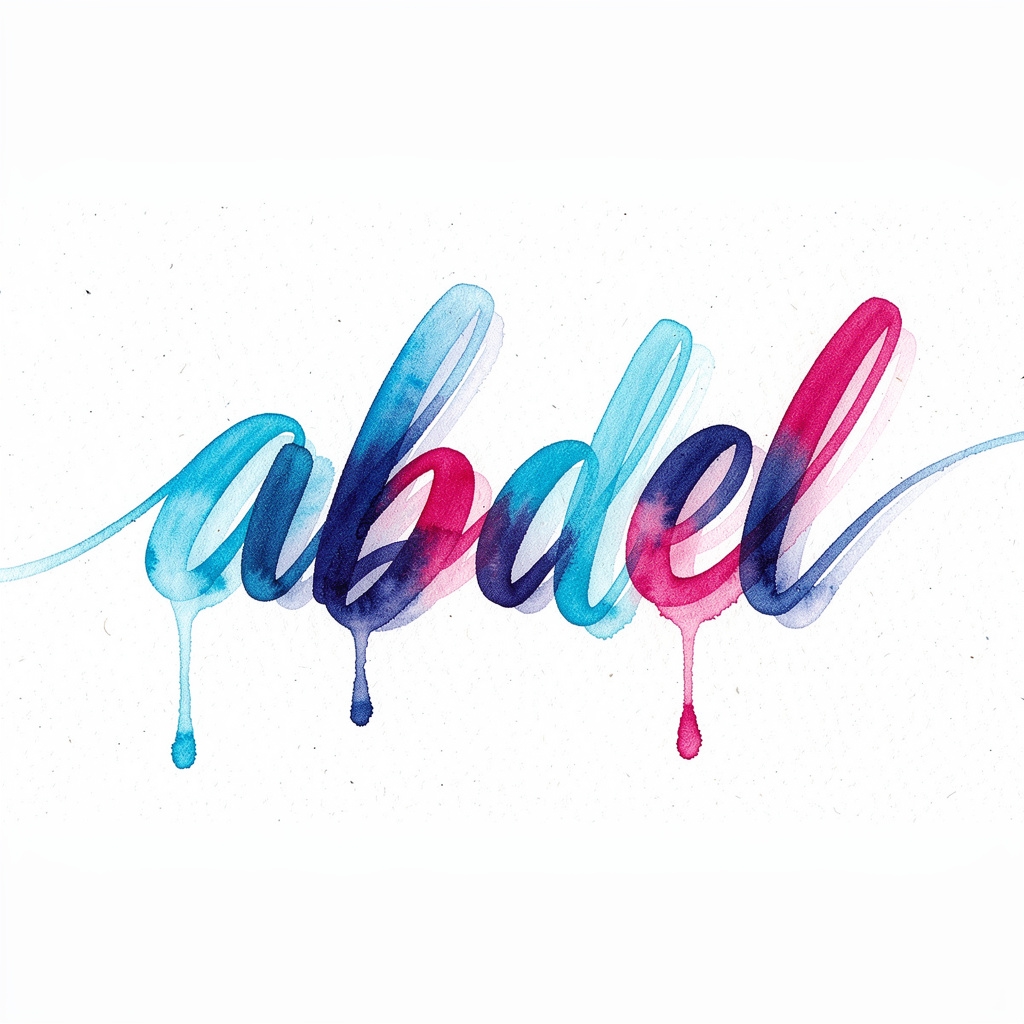
Watercolor Abdel Name Tattoo Design
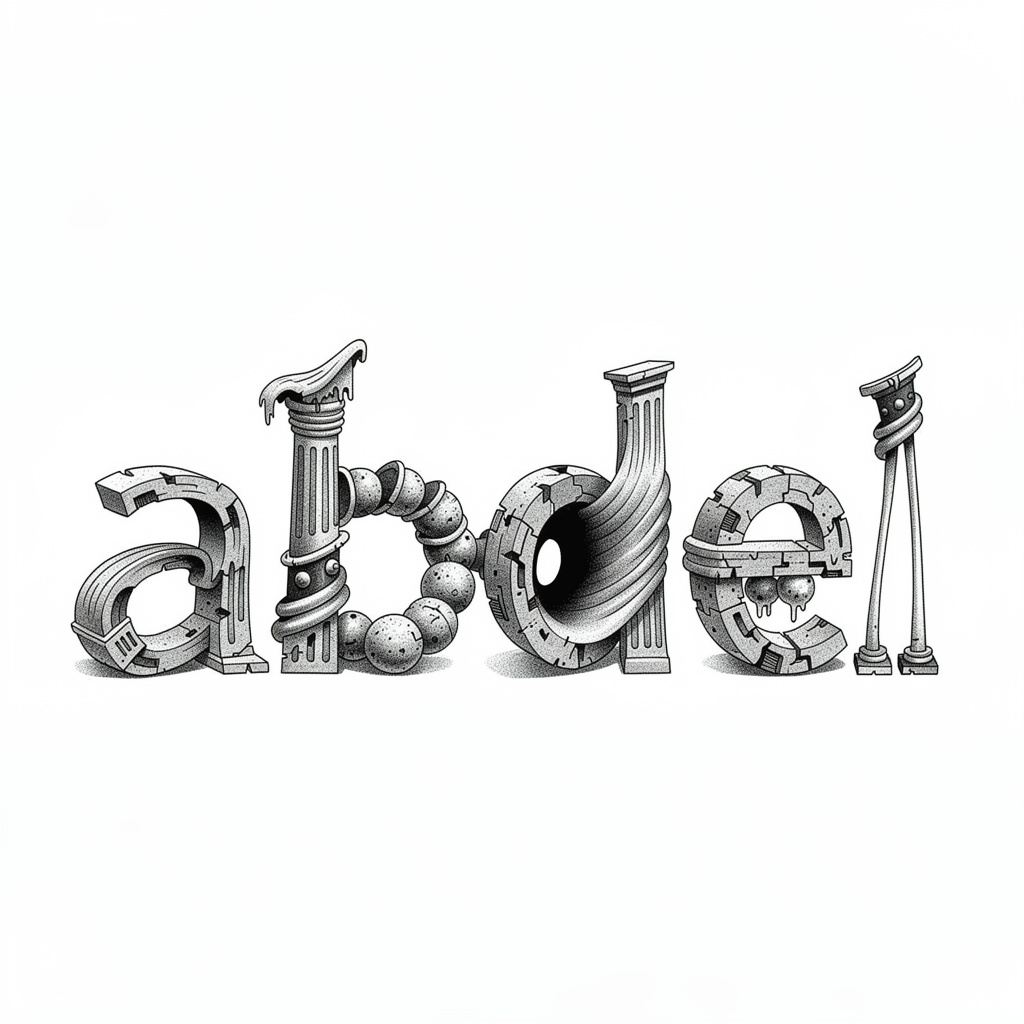
Surrealist Abdel Name Tattoo Concept
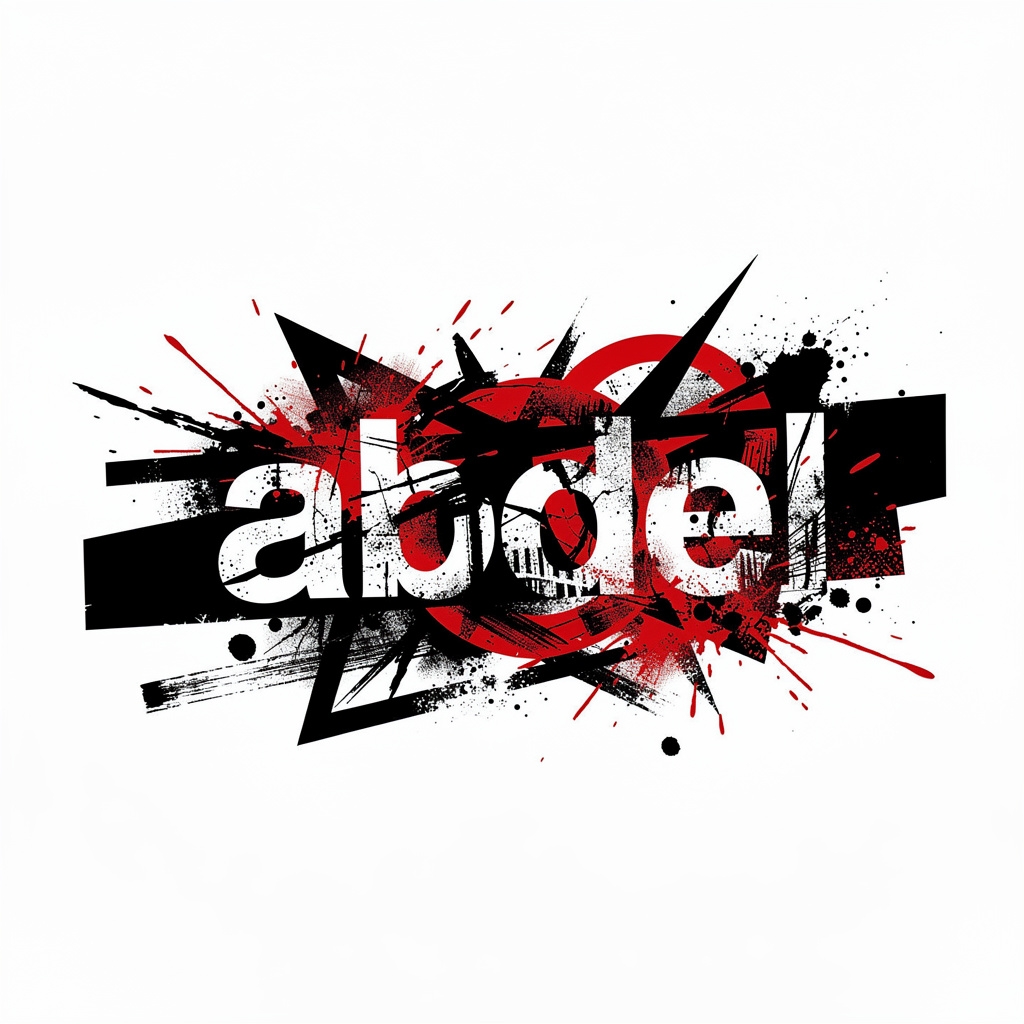
Trash Polka Abdel Name Tattoo Artwork
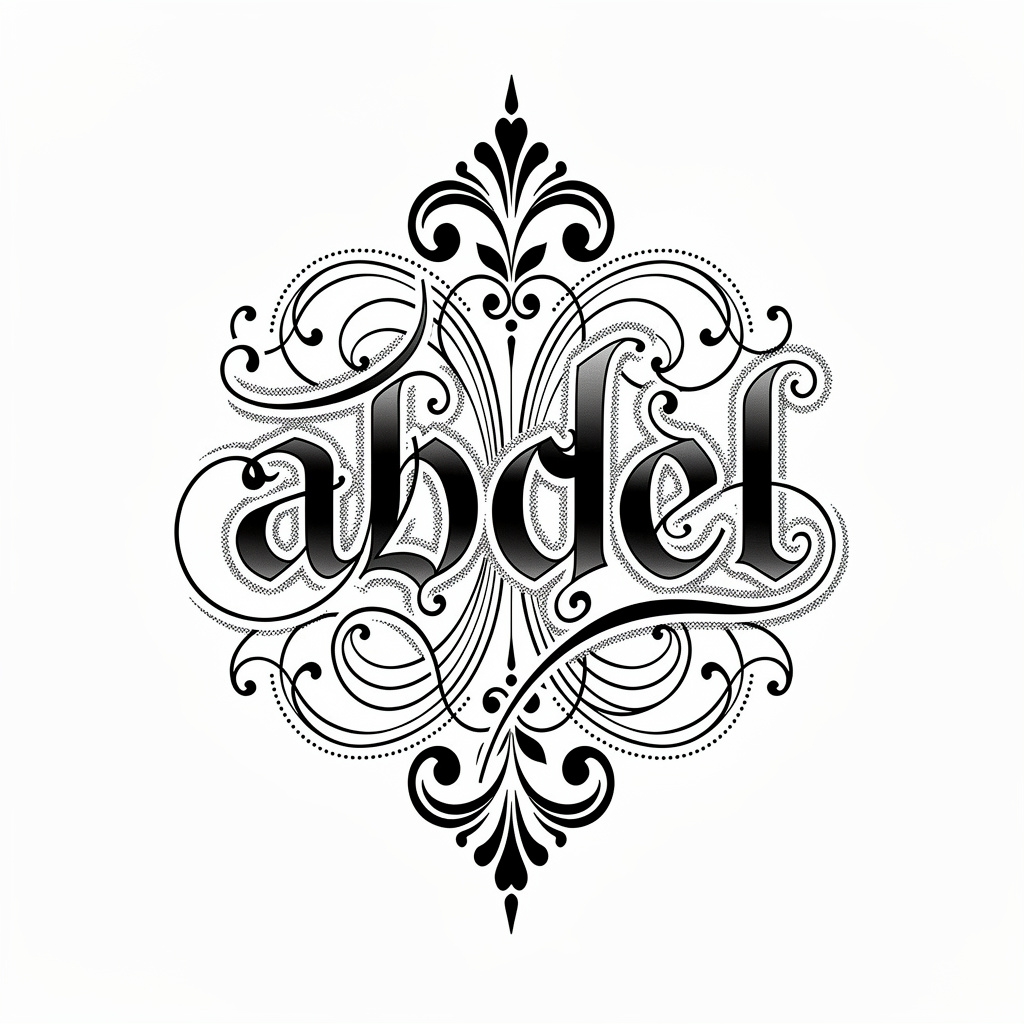
Aurelic Fusion Abdel Name Tattoo (AI-Original-Style)
Global distribution & gender ratio
Egypt
12.22% of recorded usage
Female: 1.52% · Male: 98.48%
Morocco
11.11% of recorded usage
Female: 0.00% · Male: 100.00%
Mexico
6.67% of recorded usage
Female: 2.78% · Male: 97.22%
United States
6.30% of recorded usage
Female: 0.00% · Male: 100.00%
France
6.30% of recorded usage
Female: 0.00% · Male: 100.00%
You may also like
Similar names
Abdul
Related Arabic theophoric element meaning servant or worshipper, often followed by one of the divine names.Abdullah
Means servant of God, a widely used Arabic and Islamic name.Abdelrahman
Compound name meaning servant of the Most Merciful in Arabic tradition.Abdelkader
Means servant of the All-Powerful, combining the element “Abdel” with a divine attribute.Abdelaziz
Translates to servant of the Almighty, frequently used across North Africa and the Gulf.Abid
An Arabic name meaning worshipper or devout.Amin
Means faithful or trustworthy in Arabic and Islamic cultures.Omar
Historically associated with life or flourishing, popular in many Muslim communities.Khalid
An Arabic name meaning eternal or immortal.Hakim
Means wise or judicious, reflecting knowledge and sound judgment.
Frequently asked questions about abdel
What is the meaning of the name Abdel?
Abdel comes from the Arabic element "ʿabd," meaning servant or worshipper, and is often used as the first part of a theophoric name such as Abdel-Rahman or Abdel-Aziz.
What is the origin of the name Abdel?
Abdel has Arabic origins and is historically tied to Islamic naming traditions in regions such as Egypt, the Levant, and North Africa.
Is Abdel a boy or girl name?
Abdel is traditionally a male name and is overwhelmingly used for boys and men in Arabic-speaking and Muslim-majority communities.
How do you pronounce Abdel?
In English, Abdel is commonly pronounced as AB-del or AB-dell, with two clear syllables.
How popular is the name Abdel?
Abdel is common in North African and Middle Eastern countries and appears in European statistics, particularly in France, Spain, and Belgium, often as part of compound names.