
Meaning of the Name Albert
Origin of the Name Albert
Gender Association of the Name Albert
Popularity of the Name Albert
Global Usage of the Name Albert
Characteristic Features of People Named Albert
Intellectual
Often associated with a keen mind, those named Albert are admired for their intelligence and wisdom.
Noble
Emphasizing a strong sense of integrity and honor, Alberts are seen as trustworthy and principled.
Leader
Naturally taking leadership roles, they possess charisma and determination to inspire others.
Resilient
Known for their perseverance, Alberts tackle challenges with steadfast bravery and grit.
Creative
They often express originality and an artistic flair, infusing creativity in various pursuits.
Empathetic
Alberts often display compassion and an understanding nature, making them excellent friends.
Common Career Paths for People Named Albert
Science and Research
Reflecting the legacy of notable scientists like Albert Einstein, many Alberts gravitate towards scientific exploration.
Leadership Roles
Often seen in industries requiring strategic oversight, such as management and politics.
Creative Arts
Alberts may excel in music, literature, or visual arts, channeling their imagination.
Education
With a strong intellect, many find satisfaction in teaching and academia.
Business
The entrepreneurial spirit leads many Alberts to success in commercial ventures.
Philosophy and Theology
Their deep thinking often aligns with philosophical or spiritual exploration.
Unique and Interesting Characteristics of the Name Albert
Cultural Representation
Recognized in literature and movies, where it often embodies wisdom and strength.
Historical Figures
Renowned figures like Albert Einstein contribute to its intellectual stereotype.
Royal Legacy
With past kings and nobility sharing it, Albert denotes regality.
Mathematic & Scientific Influence
Often associated with logical and mathematical prowess, tied to figures like Einstein.
Artistic Resilience
Echoed in the works of artists and musicians, blending creativity with determination.
Global Impact
As a universally respected name, it carries international appeal and recognition.
Famous People Named Albert
- Albert Einstein: Renowned theoretical physicist known for the theory of relativity
- Albert Camus: Prominent existentialist philosopher and author
- Albert Schweitzer: Nobel Peace Prize laureate and physician
- Albert Finney: Acclaimed English actor
- Albert Brooks: American actor and filmmaker
Albert Stylized Lettering Tattoo Concepts

Albert Watercolor Splash Name Tattoo Concept

Albert Surrealism Dreamscape Name Tattoo Design
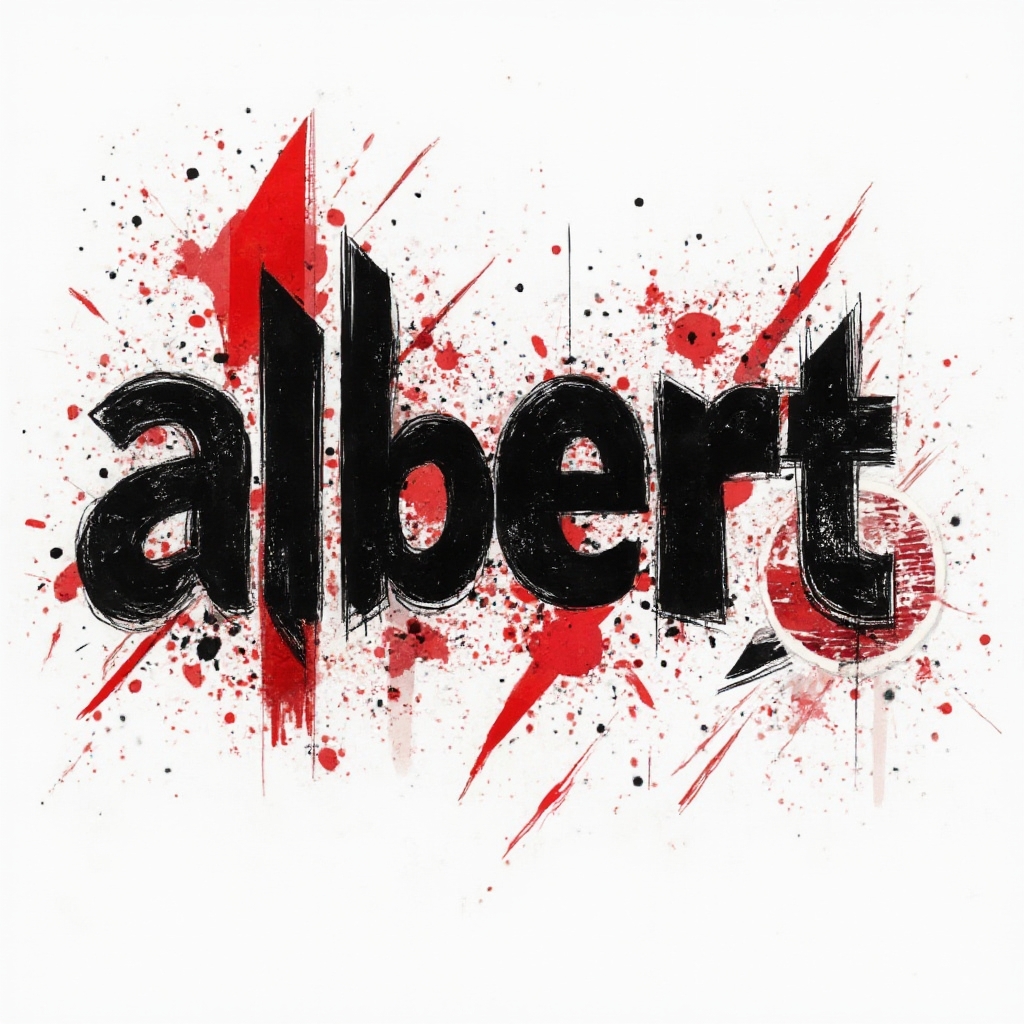
Albert Trash Polka Dynamic Name Tattoo Concept
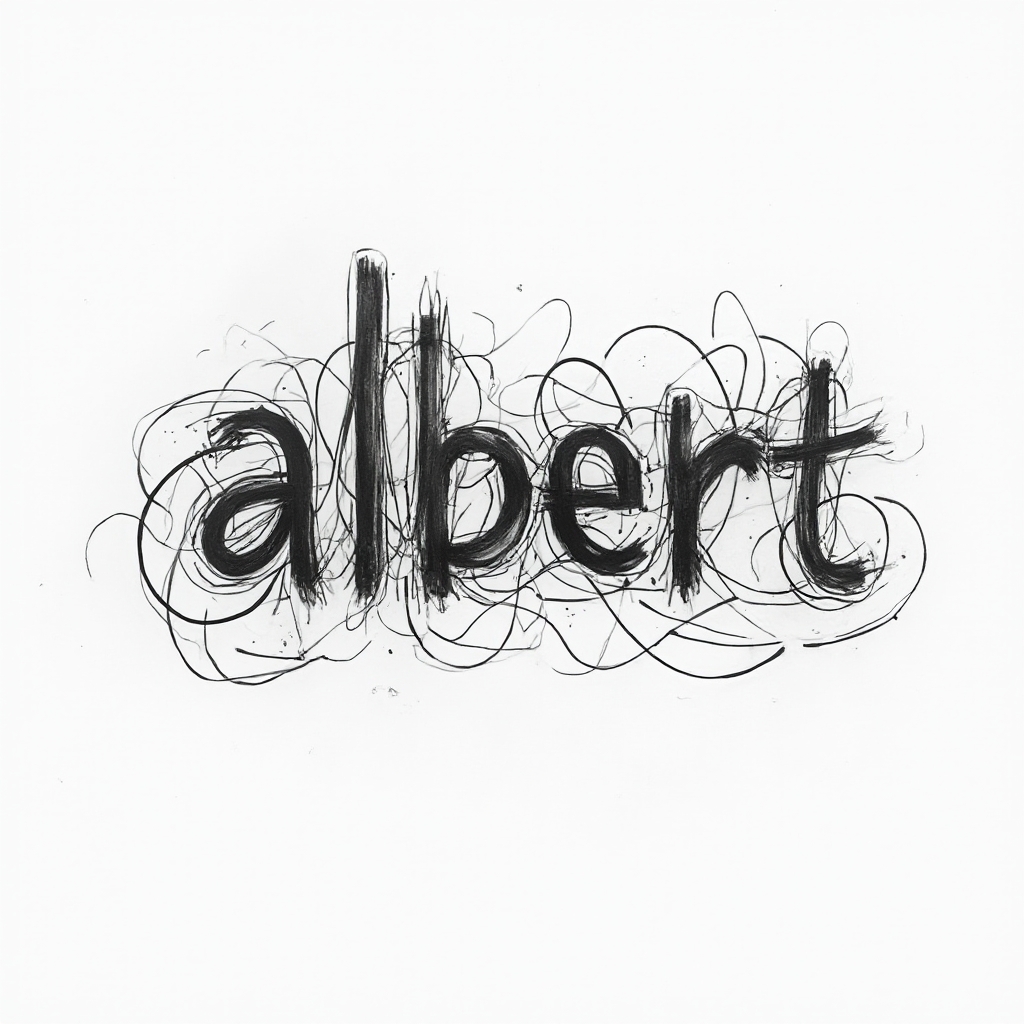
Albert AI-Original-Style Abstract Flow Name Tattoo
Global distribution & gender ratio
United States
25.29% of recorded usage
Female: 0.50% · Male: 99.50%
Indonesia
14.91% of recorded usage
Female: 0.67% · Male: 99.33%
Spain
10.92% of recorded usage
Female: 1.15% · Male: 98.85%
Philippines
6.76% of recorded usage
Female: 0.93% · Male: 99.07%
Brazil
5.06% of recorded usage
Female: 0.25% · Male: 99.75%
You may also like
Similar names
Albrecht
A German name with similar noble associations as Albert, meaning noble, bright.Albertus
Latin variation reflecting a noble and intelligent character.Aldobrand
Similar in sound and medieval in usage, indicative of noble and illustrious attributes.Elbert
Diminutive form of Albert with Anglo-Saxon roots, symbolizing nobility.Alberto
Spanish and Italian versions of the name, holding noble significance.Aubrey
A name with similar phonetics, meaning noble ruler with Old German roots.Bertram
Old German origin meaning bright raven, sharing part phonetics with Albert.Bertold
Related German name meaning bright ruler, akin to Albert's noble essence.Alban
A historic name meaning white or noble, used across Europe.Aldric
Old French variation with the resonance of noble ruler.
Frequently asked questions about albert
What is the meaning of the name Albert?
Albert is associated with strength and nobility, reflecting a strong or noble individual.
What is the origin of the name Albert?
Albert originates from the German language, incorporating elements of nobility and brightness.
What is the gender association of the name Albert?
Historically male, yet Albert is sometimes appreciated for flexible modern naming contexts.
How popular is the name Albert?
Albert enjoys classic popularity, especially in countries like the US and UK, noted for historical ties.
How is the name Albert used globally?
Globally recognized, Albert's variations like Alberto are used in Spanish and Italian cultures.
What are some common career paths for people named Albert?
Alberts often pursue careers in science, leadership roles, arts, education, business, and philosophy.
What are the characteristic features of people named Albert?
Known for intellectual, noble, leadership traits, and resilience, with a propensity for creativity and empathy.
Who are some famous people named Albert?
Famous Alberts include Albert Einstein, Albert Camus, Albert Schweitzer, and Albert Finney.