
Meaning of the Name Annabel
Cultural and Historical Origin of Annabel
Gender Usage of Annabel
Popularity of the Name Annabel
Global Usage and Variants of Annabel
Personality Traits Associated with Annabel
Graceful
Carries herself with quiet confidence and natural poise.
Warm-hearted
Shows genuine care, empathy, and emotional sensitivity toward others.
Creative
Often drawn to artistic pursuits, original ideas, and imaginative projects.
Resilient
Possesses inner strength, coping calmly with challenges and change.
Thoughtful
Reflective, considerate, and attentive to the needs and feelings of those around her.
Career Paths and Professional Orientation for Annabel
Writer or Editor
Excels in expressive language, storytelling, and nuanced communication.
Designer or Illustrator
Combines aesthetic sense with creativity in visual fields.
Teacher or Lecturer
Shares knowledge with patience, clarity, and encouragement.
Counselor or Psychologist
Uses empathy and insight to support emotional well‑being.
Nonprofit or Community Leader
Drawn to meaningful work that helps others and builds connection.
Unique and Interesting Facts About Annabel
Literary Favorite
Frequently chosen for characters in novels and poetry, reinforcing its timeless charm.
Variant-Rich Name
Connects to related forms like Annabelle, Amabel, and Annabella across languages.
Romantic Sound
Its soft consonants and lilting rhythm give it a distinctly romantic feel.
Vintage Revival
Fits the modern trend of reviving antique names with elegance and history.
Famous People Named Annabel
- Annabel Langbein: New Zealand celebrity cook, food writer, and television personality.
- Annabel Goldie: Scottish politician and member of the House of Lords.
- Annabel Croft: British former professional tennis player and television presenter.
- Annabel Scholey: English actress known for film, television, and stage roles.
How to Pronounce Annabel (Latin / Old French Roots)
/ˈæn.ə.bɛl/ — Annabel
- /ˈæn/: like “an” in “annual,” stressed first syllable.
- /ə/: a soft, quick “uh” sound, as in “sofa.”
- /bɛl/: like “bel” in “bell,” but slightly lighter.
AN-uh-bel
Tattoo Design Ideas Featuring the Name Annabel
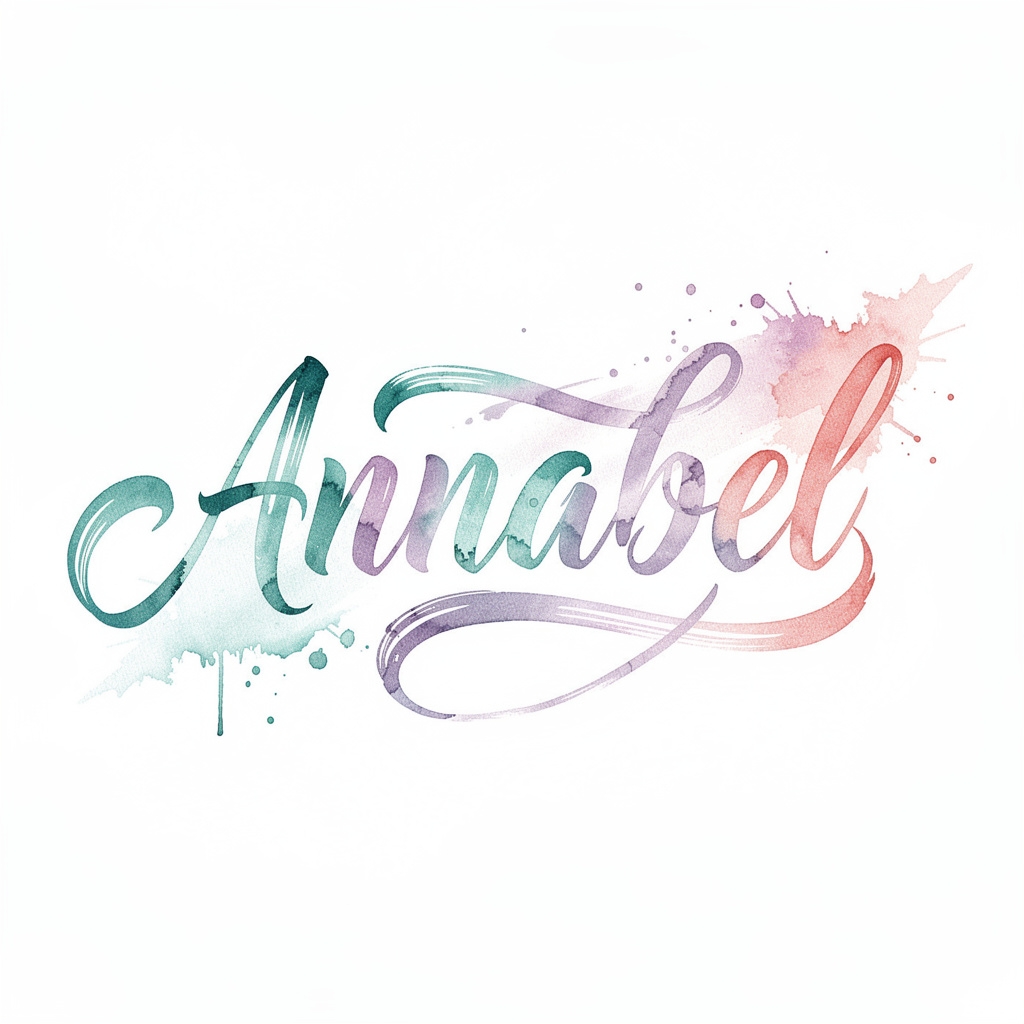
Watercolor Annabel Name Tattoo Design

Surreal Annabel Script Tattoo Concept
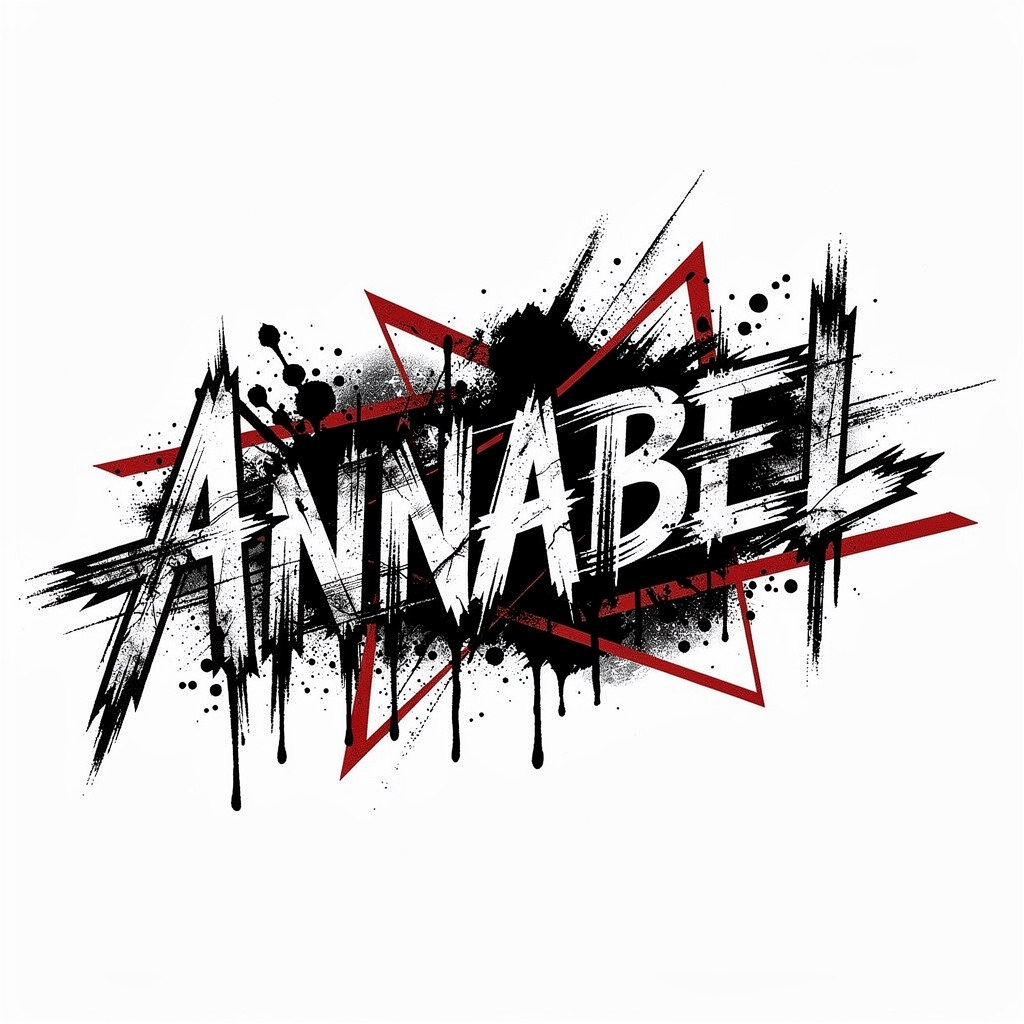
Trash Polka Annabel Typography Tattoo
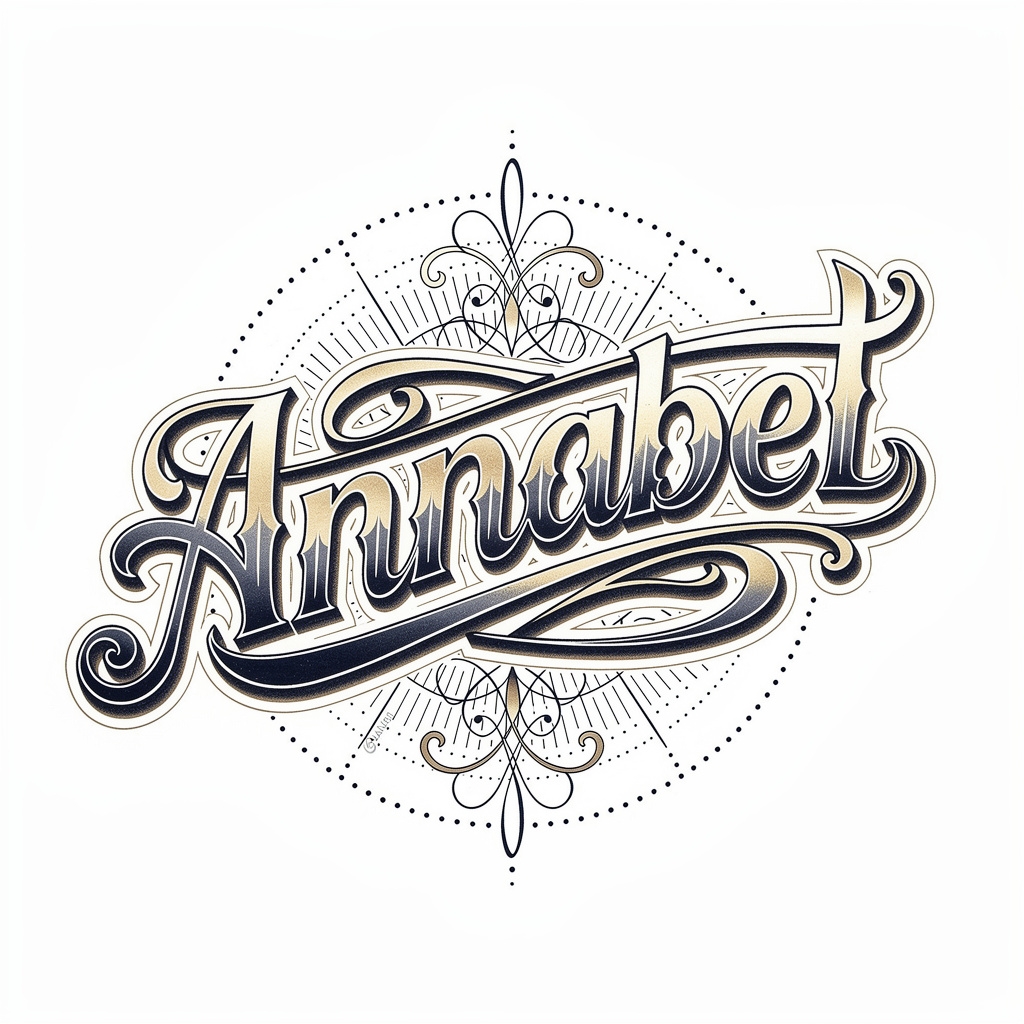
Luminara-Fusion Annabel Name Tattoo
Global distribution & gender ratio
United States
21.23% of recorded usage
Female: 99.12% · Male: 0.88%
Belgium
15.46% of recorded usage
Female: 100.00% · Male: 0.00%
United Kingdom
11.17% of recorded usage
Female: 100.00% · Male: 0.00%
Singapore
7.08% of recorded usage
Female: 100.00% · Male: 0.00%
Mexico
4.84% of recorded usage
Female: 100.00% · Male: 0.00%
You may also like
Similar names
Annabelle
A longer French-influenced form often linked with meanings of love and grace.Amabel
Medieval name associated with lovable and kind qualities.Isabel
Classic name tied to the idea that god-is-gracious and full of grace.Arabella
Elegant name often interpreted with nuances of lovely and beautiful.Annalise
Compound name with connotations of grace and devotion.Annika
Nordic-flavored variant related to meanings of grace and favor.Anabel
Streamlined spelling associated with grace, beauty, and love.Mirabel
Romantic name derived from a word meaning wonderful or miracle.Anneliese
Germanic blend carrying the themes of grace and devotion.Belle
Short, charming name meaning beautiful.
Frequently asked questions about annabel
What does the name Annabel mean?
Annabel is commonly associated with meanings of grace, beauty, love, and the idea that God is gracious, giving it a gentle yet strong character.
What is the origin of the name Annabel?
The name Annabel has roots in medieval Scotland and England, influenced by Latin and Old French forms related to loveliness and grace.
Is Annabel a popular baby name?
Annabel enjoys moderate popularity in English-speaking countries, regularly appearing in baby name charts without being overly common.
Is Annabel a girl name or a boy name?
Annabel is traditionally used as a feminine name, though modern usage sometimes explores it in gender‑creative ways.
How do you pronounce Annabel?
Annabel is usually pronounced AN-uh-bel in English, with the stress on the first syllable.