
Meaning of Aslan
Origin of Aslan
Gender Association of the Name Aslan
Popularity of the Name Aslan
Global Usage of the Name Aslan
Characteristic Features of People Named Aslan
Leadership
Individuals named Aslan often display strong leadership traits, inspiring others with their decisiveness.
Courage
Known for their bravery, they tackle challenges head-on and face adversity with strength.
Nobility
They possess a sense of honor and integrity, guiding their actions with noble intentions.
Common Career Paths for People Named Aslan
Leadership Roles
Individuals named Aslan are often drawn to positions where they can lead others.
Creative Fields
Many pursue careers in arts or literature, channeling their inner strength into creativity.
Social Work
Their noble traits make them inclined to work in professions that involve helping others.
Unique and Interesting Characteristics of the Name Aslan
Pop Culture Presence
Aslan is famously known as the name of the lion in 'The Chronicles of Narnia'.
Historical Significance
The name has been used by Turkic and Mongolian leaders, symbolizing dominance.
Literary References
Aslan often appears in folklore, depicted as a figure of wisdom and power.
Famous People Named Aslan
- Aslan Maskhadov: Former Chechen President and a military leader.
- Aslan Karatsev: Professional Russian tennis player known internationally.
Aslan Artistic Name Tattoo Concepts
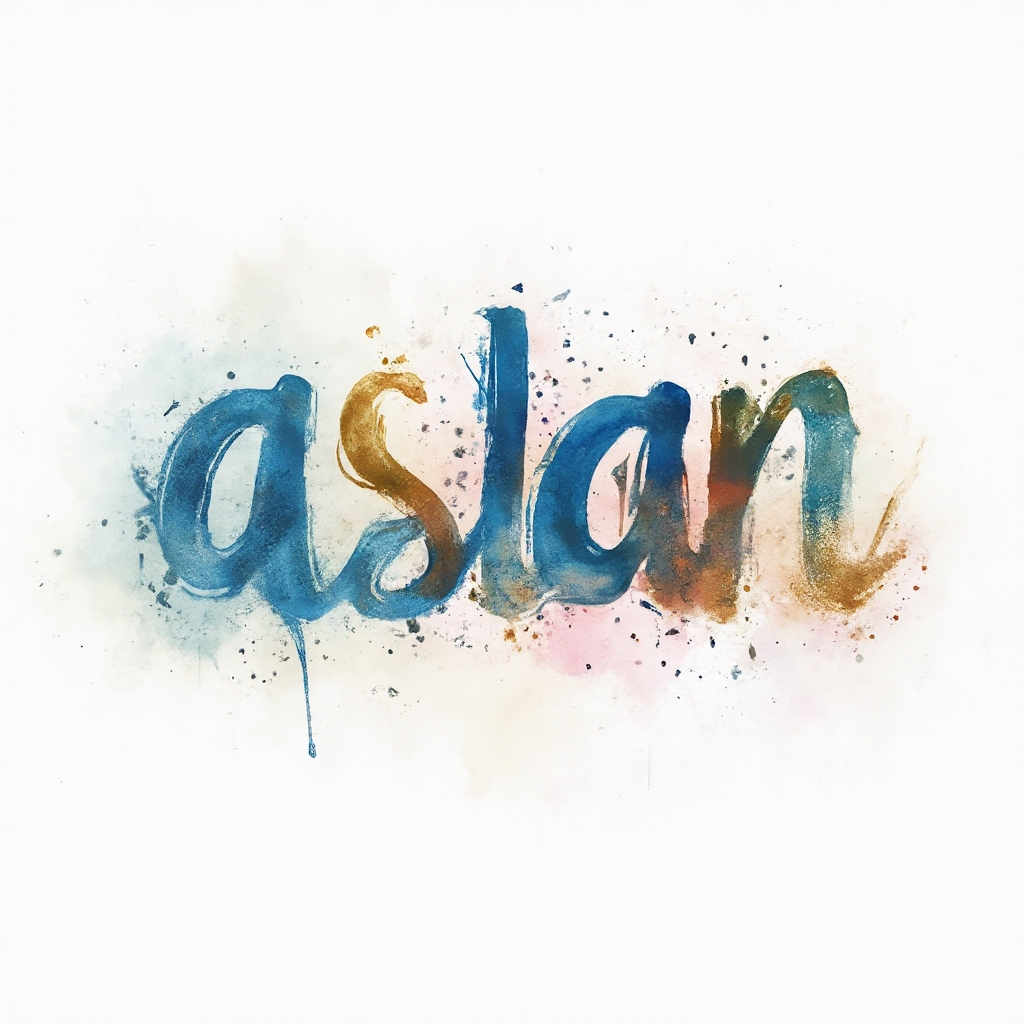
Aslan Watercolor Ink Splash Tattoo Concept
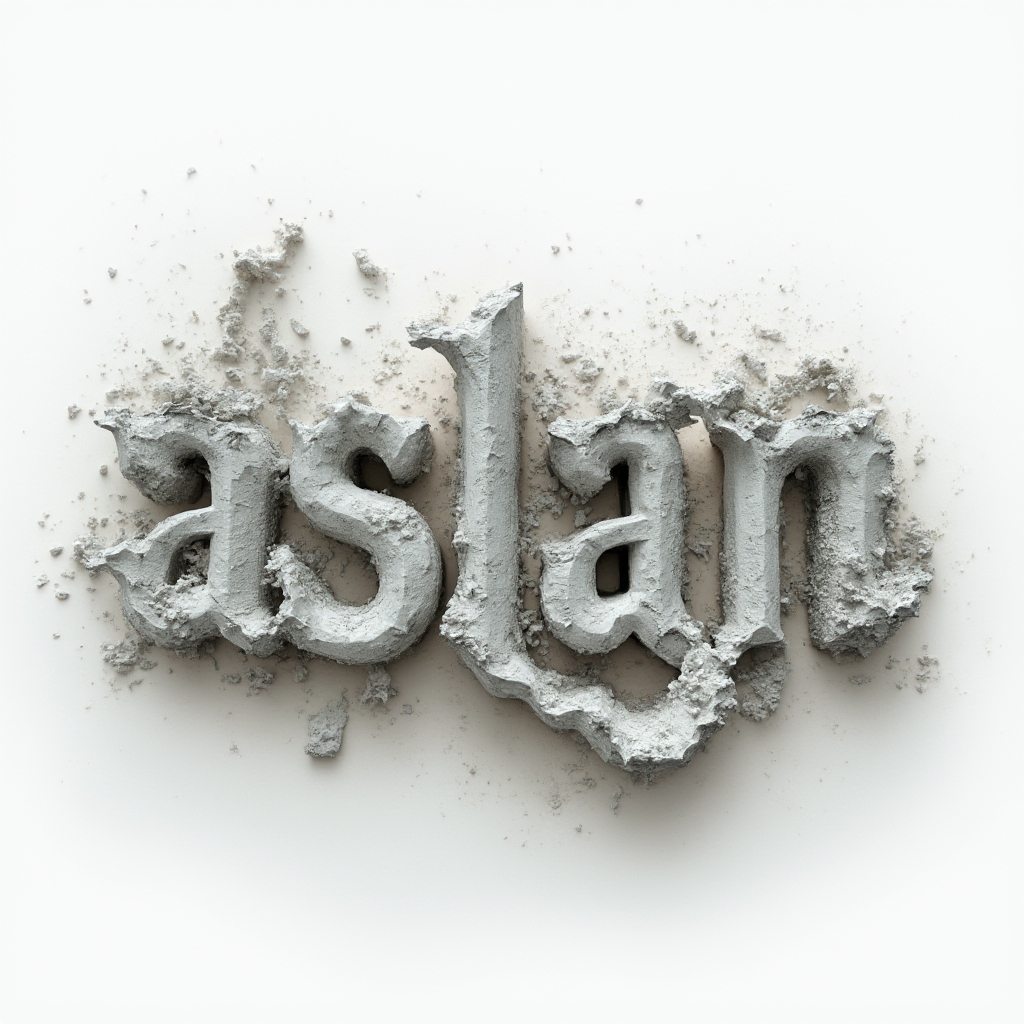
Aslan Surreal Floating Forms Tattoo Design
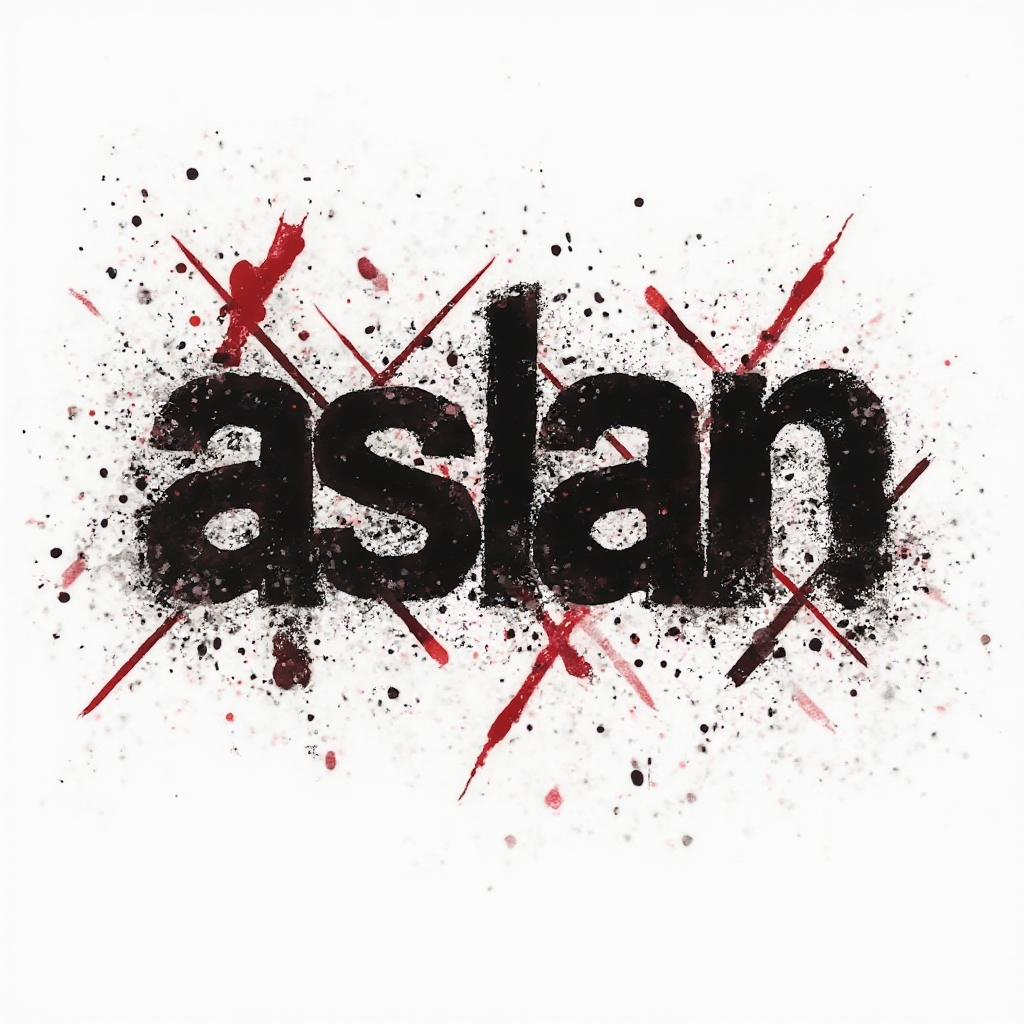
Aslan Trash Polka Bold Contrast Tattoo Concept
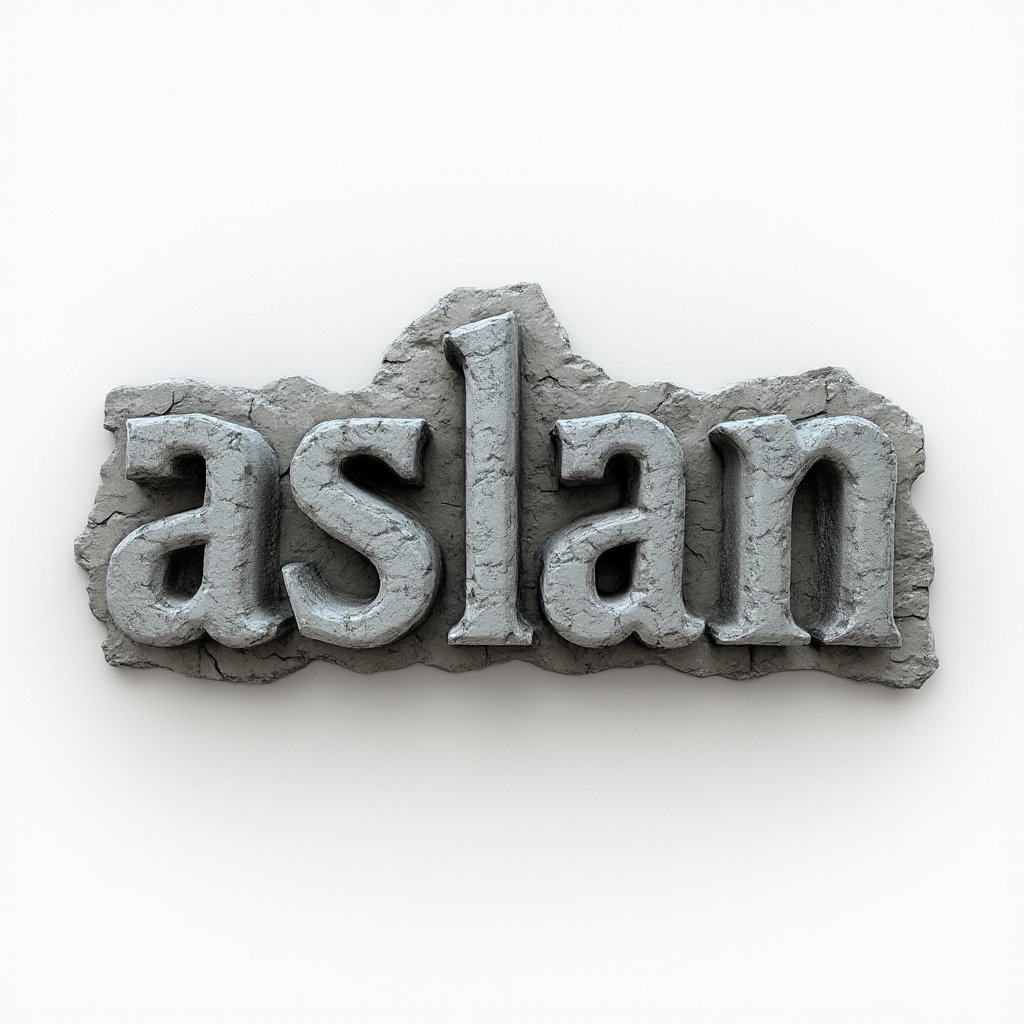
Aslan AI-Original-Style Dimensional Ink Tattoo Concept
Global distribution & gender ratio
Türkiye
93.33% of recorded usage
Female: 4.07% · Male: 95.93%
Russia
1.07% of recorded usage
Female: 1.23% · Male: 98.77%
Iran
0.75% of recorded usage
Female: 1.75% · Male: 98.25%
Azerbaijan
0.50% of recorded usage
Female: 5.26% · Male: 94.74%
Cyprus
0.48% of recorded usage
Female: 2.78% · Male: 97.22%
You may also like
Similar names
Arslan
A name of Turkish origin meaning lion, closely related in meaning and pronunciation.Aslon
A phonetic variant providing a unique twist on the traditional name while retaining the strong lion symbolism.Alyaan
A name that denotes exalted or high, sharing the aura of prestige and grandeur.Arman
Meaning hope or aspiration, shares the inspirational aspect similar to Aslan.Tigran
This name harkens to the majestic tiger, similar in strength and might to the lion.Ozan
Meaning poet, it shares cultural resonance with Aslan through its Turkish roots.Selim
A name meaning safe or peaceful, offering a serene contrast with the ferocity of Aslan.Kaan
This Turkish name means king, evoking the leadership qualities synonymous with Aslan.Baris
Conveying peace, it complements the strength of Aslan with tranquility.Kerem
Meaning generous, it emphasizes noble and benevolent traits akin to those associated with Aslan.
Frequently asked questions about aslan
What does the name Aslan mean?
The name Aslan primarily means 'lion', symbolizing strength and courage.
Where does the name Aslan originate from?
Aslan has its origins in the Turkish language, often associated with leadership and strength.
Is the name Aslan gender-specific?
Traditionally male, the name Aslan is now considered gender-neutral in some regions.
How popular is the name Aslan?
The name Aslan enjoys moderate popularity, especially in Turkey and Russia.
How is the name Aslan used globally?
The name Aslan is used in various cultures, mainly in Turkey, Central Asia, and Russia, often with regional variants.
What professions are people named Aslan drawn to?
Individuals named Aslan often pursue careers in leadership, creative fields, and social work.
Are there similar names to Aslan?
Names similar to Aslan include Arslan, Aslon, Alyaan, Arman, and Tigran, among others.
Who are some famous people named Aslan?
Famous people named Aslan include Aslan Maskhadov, a former Chechen president, and Aslan Karatsev, a Russian tennis player.