
Meaning of the Name Ata
Origin of the Name Ata
Gender Association of the Name Ata
Popularity of the Name Ata
Global Usage of the Name Ata
Characteristic Features of People Named Ata
Leadership
Often seen as natural leaders, taking charge with confidence and capability.
Responsibility
Typically reliable and trustworthy, bearing a sense of duty.
Wisdom
Insightful and reflective, offering valuable perspectives.
Generosity
Known for being giving and selfless, often helping others in need.
Cultural Pride
Deeply rooted in their heritage, valuing tradition and family ties.
Common Career Paths for People Named Ata
Leadership Roles
Excel in positions where they can guide and inspire teams.
Education
Passionate about teaching and sharing knowledge, often found in academic environments.
Cultural Ambassadors
Engage in promoting cultural heritage and history, working in tourism or cultural organizations.
Community Service
Drawn to work in non-profits or public service organizations, helping others at a grassroots level.
Entrepreneurship
Often start their own businesses, combining creativity with practical business acumen.
Unique and Interesting Characteristics of the Name Ata
Historical Namesake
Ata is notably recognized in history, with figures like Mustafa Kemal Atatürk, founding father of the Republic of Turkey.
Cultural Representation
Frequently appears in Turkish literature and media, symbolizing leadership and strength.
Modern Popularity
The name has maintained relevance through its enduring connection to heritage and tradition.
Symbol of Wisdom
Often associated with wise elders in folklore, revered for their insight and foresight.
Heritage Connection
Represents a strong link to family, history, and ancestry, celebrated in naming customs
Famous People Named Ata
- Ata Demirer: Renowned Turkish actor and comedian.
- Ata Johnson: Known as the father of professional wrestler Dwayne 'The Rock' Johnson.
Pronunciation of 'Ata' in Turkish
/ˈɑtɑ/ — Ata
- /ˈɑ/: pronounced like 'a' in 'father'.
- /t/: a sharp, clear 't' sound.
- /ɑ/: similar to 'a' in 'car'.
Ata is pronounced as 'AH-tah', with emphasis on the first syllable, similar to 'a' in 'father'.
Ata Artistic Name Tattoo Collection
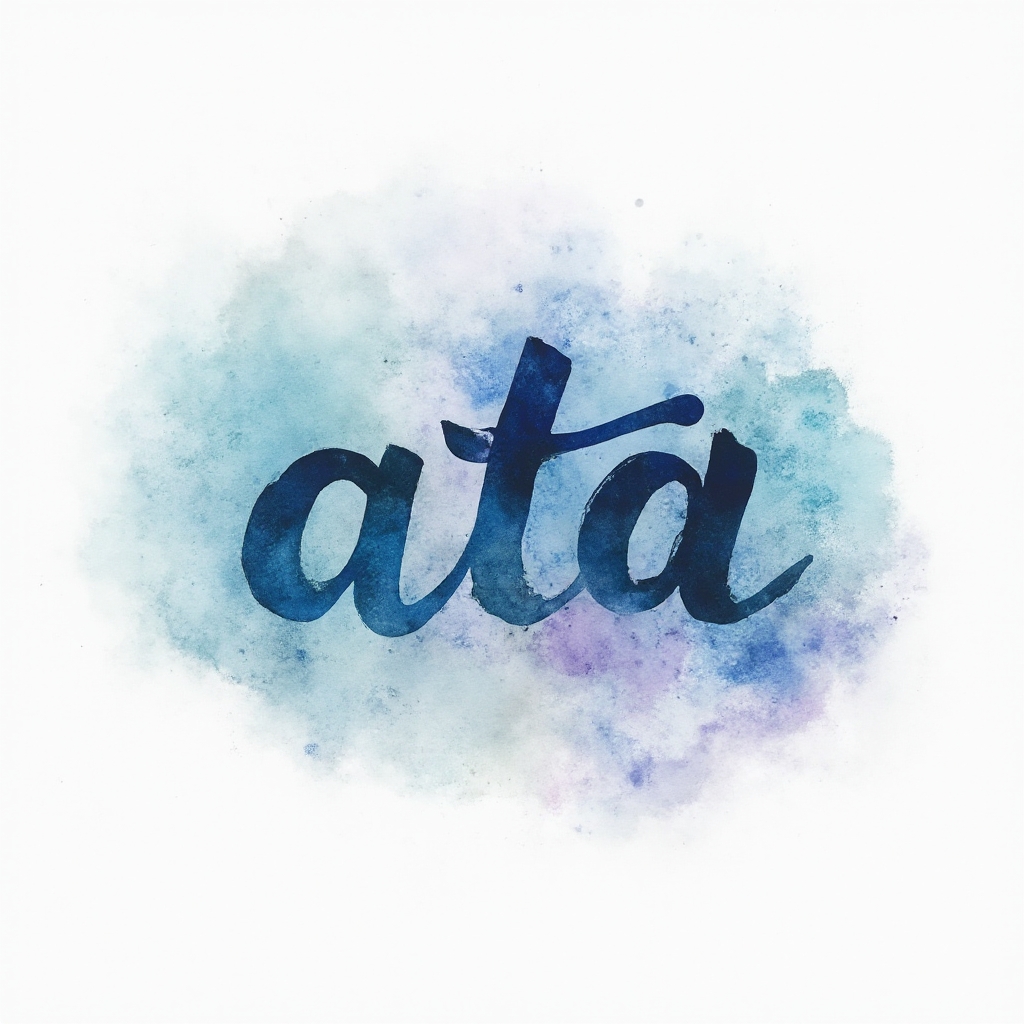
Ata Watercolor Ink Flow Tattoo Concept

Ata Surrealism Dreamscape Lettering Tattoo
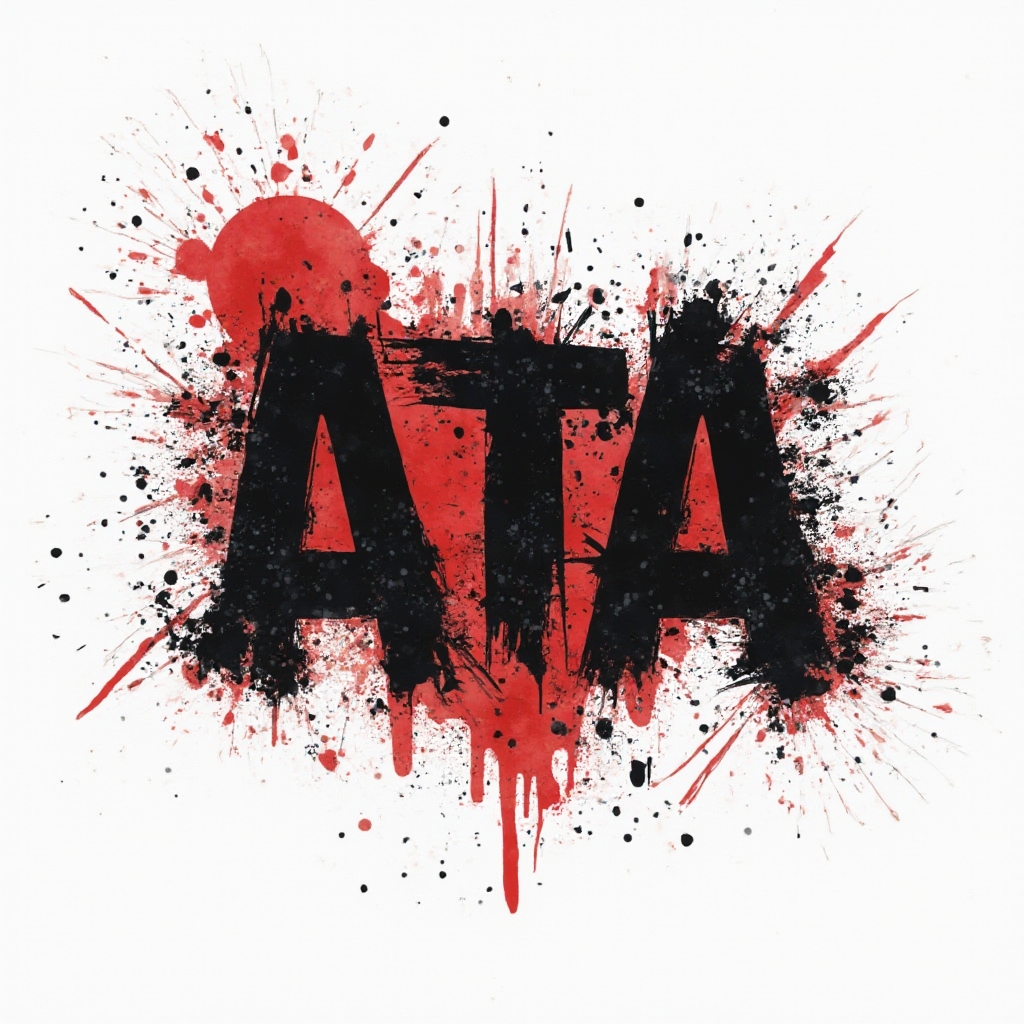
Ata Trash Polka Contrast Chaos Tattoo
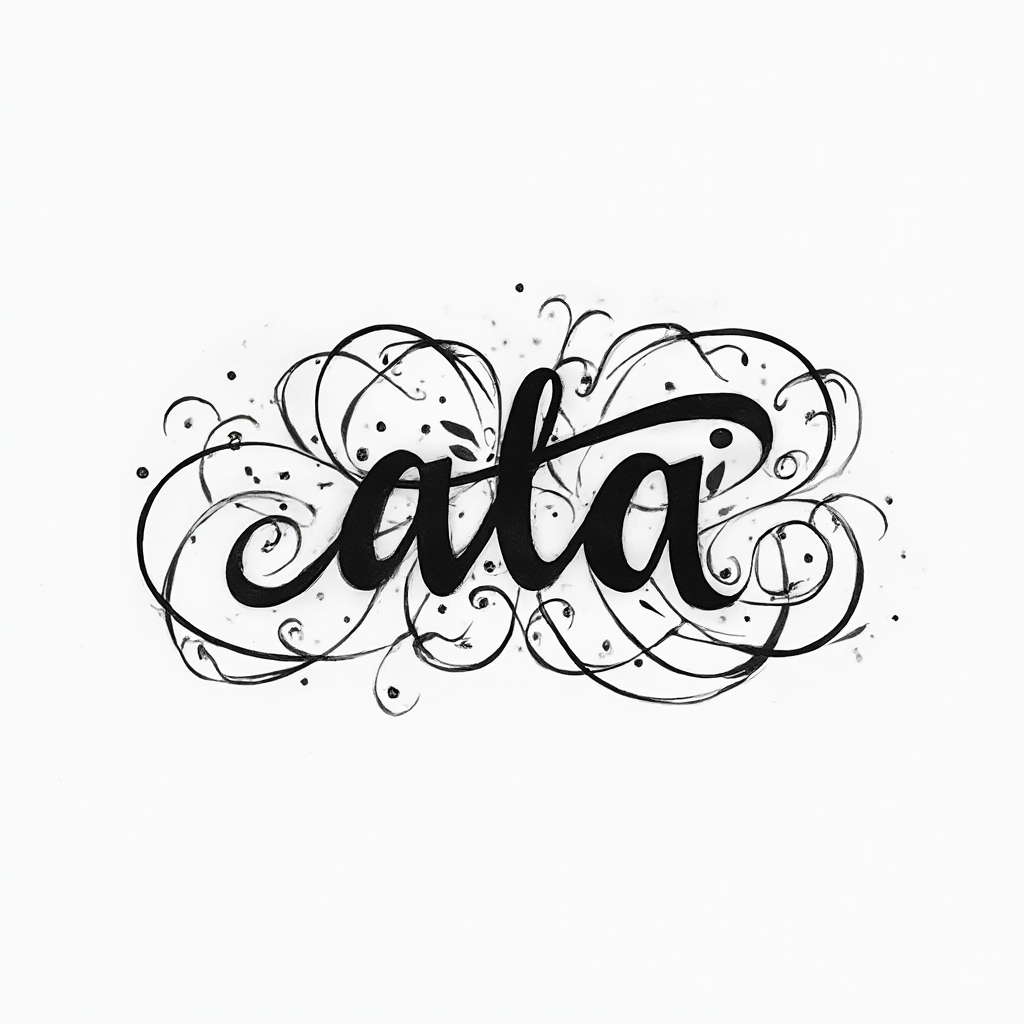
Ata AI-Original-Style Monochrome Flow Tattoo
Global distribution & gender ratio
Türkiye
81.01% of recorded usage
Female: 2.16% · Male: 97.84%
Iran
11.67% of recorded usage
Female: 3.41% · Male: 96.59%
Indonesia
1.58% of recorded usage
Female: 52.75% · Male: 47.25%
United States
0.99% of recorded usage
Female: 12.28% · Male: 87.72%
Cyprus
0.61% of recorded usage
Female: 2.86% · Male: 97.14%
You may also like
Similar names
Kaan
Similar in origin and used in Turkey, Kaan means ruler or commander.Bora
Of Turkish origin, Bora conveys the meaning of a storm or violent wind.Emir
Another Turkish name, representing a prince or commander.Arda
Popular in Turkey, this name means great, noble.Enes
A common Turkish name meaning friend or companion.Efe
Used in Turkey, Efe means brave, aligning with Ata's themes of strength.Mert
A Turkish name symbolizing honesty and valor.Ozan
Another Turkish name meaning poet or bard.Kemal
Famous in Turkey and meaning perfection.Selim
A name with Ottoman roots, signifying safe and sound.
Frequently asked questions about ata
What is the meaning of the name Ata?
<strong>Ata</strong> carries the meaning of <strong>gift</strong> or <strong>father</strong>, symbolizing leadership and ancestral significance.
Where does the name Ata originate from?
The name <strong>Ata</strong> has its origins in the <strong>Turkish</strong> culture.
Is the name Ata gender-specific?
While <strong>Ata</strong> is predominantly a <strong>male</strong> name, it is widely regarded as gender-neutral in several cultures.
How popular is the name Ata?
The name <strong>Ata</strong> enjoys a moderate popularity, with significant cultural value in regions like <strong>Turkey</strong>.
How is the name Ata perceived globally?
Globally, <strong>Ata</strong> is appreciated in <strong>Turkish</strong> and <strong>African</strong> contexts, albeit with slight pronunciation variations.
What are the common careers for someone named Ata?
Individuals named <strong>Ata</strong> often pursue careers in leadership, education, and community service.
Are there any famous people named Ata?
Famous individuals include <strong>Ata Demirer</strong>, a Turkish entertainer, and <strong>Ata Johnson</strong>, the father of Dwayne 'The Rock' Johnson.
What are some names similar to Ata?
Similar names include Kaan, Bora, Emir, and Arda, sharing Turkish roots and cultural resonance.
How is the name 'Ata' pronounced in Turkish?
In Turkish, <strong>Ata</strong> is pronounced as 'AH-tah', emphasizing the first syllable, akin to 'a' in 'father'.