
Meaning of the Name Baran
Origin of the Name Baran
Gender Association of the Name Baran
Popularity of the Name Baran
Global Usage of the Name Baran
Characteristic Features of People Named Baran
Calmness
Despite the turbulent meaning in some languages, individuals named Baran often embody calmness, providing solace and energy to those around them.
Resilience
Like a storm, they can endure life's challenges with strength and resilience, bouncing back from adversity with grace.
Creativity
Often found to be creative visionary thinkers, they approach problems innovatively and are known for artistic talents.
Empathy
Their understanding of different cultural and emotional layers often makes them empathetic friends and listeners.
Independence
Those named Baran may exhibit a strong sense of independence, pursuing individual paths and choices fearlessly.
Intellect
Intellectual curiosity drives them, often leading them into thoughtful pursuits that aim to enrich both their minds and souls.
Diplomatic
They have a knack for resolving conflicts harmoniously, often bridging gaps between people or ideas.
Common Career Paths for People Named Baran
Artist
Known for their creativity, many individuals named Baran pursue artistic endeavors such as painting or writing, expressing themselves through various forms of art.
Scientist
Intellectual curiosity often leads them into scientific fields where they can explore and innovate, contributing to progressive discoveries.
Diplomat
With their communication skills and empathy, careers in diplomacy where they can mediate and negotiate are common.
Entrepreneur
Their independent nature may drive them toward entrepreneurship, creating ventures that reflect their unique vision and leadership.
Educator
A deep-seated love for learning can also lead some Barans into teaching, where they inspire and educate future generations.
Psychologist
With a natural inclination towards understanding human behavior, they often excel in psychology and counseling professions.
Unique and Interesting Characteristics of the Name Baran
Global Film Influence
The name Baran has been spotlighted in international cinema, such as in the Iranian film "Baran," which won numerous awards and showcased Persian culture.
Weather Connection
Meaning rain in some languages and storm in others, the name has become synonymous with atmospheric conditions, often used metaphorically.
Cultural Blend
The name crosses cultural boundaries, used among Turks, Iranians, and Kurds alike, representing a blend uniquely suitable for modern multicultural identities.
Ancestor Connection
In some cultures, Baran has ancestral ties, representing traditional and historical significance in families and folklore.
Etymological Roots
Derived from words with deep historical roots, Baran links linguistic changes through centuries, showing human adaptation in language.
Cultural Emblems
Several famous Barans have influenced cultural movements, becoming emblems of cultural unity or ambition.
Famous People Named Baran
- Baran Kosari: Iranian actress known for her compelling performances in cinema.
- Baran Bo Odar: German film director famous for his work on international acclaimed series like "Dark."
Baran Custom Artistic Tattoo Design Collection
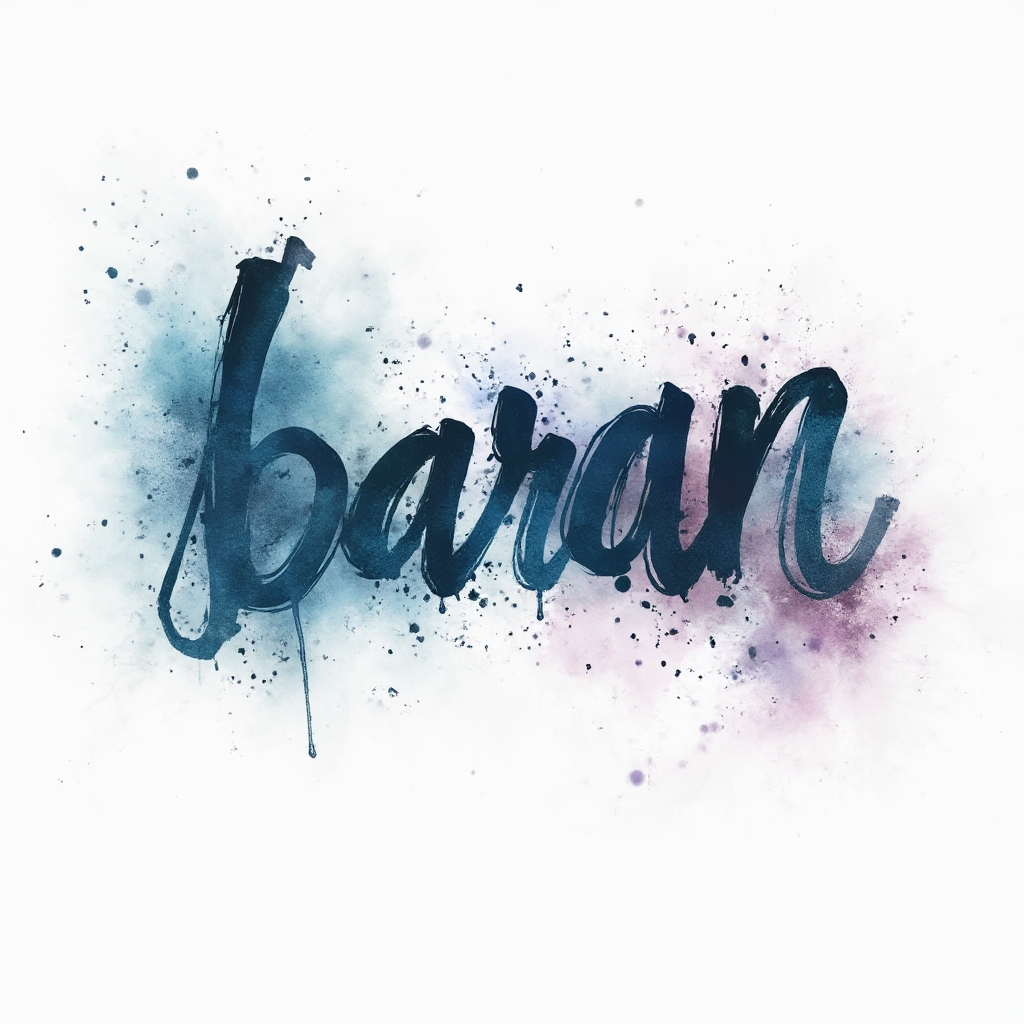
Baran Watercolor Dreamflow Tattoo Design

Baran Surrealism Dimension-Bent Tattoo Concept
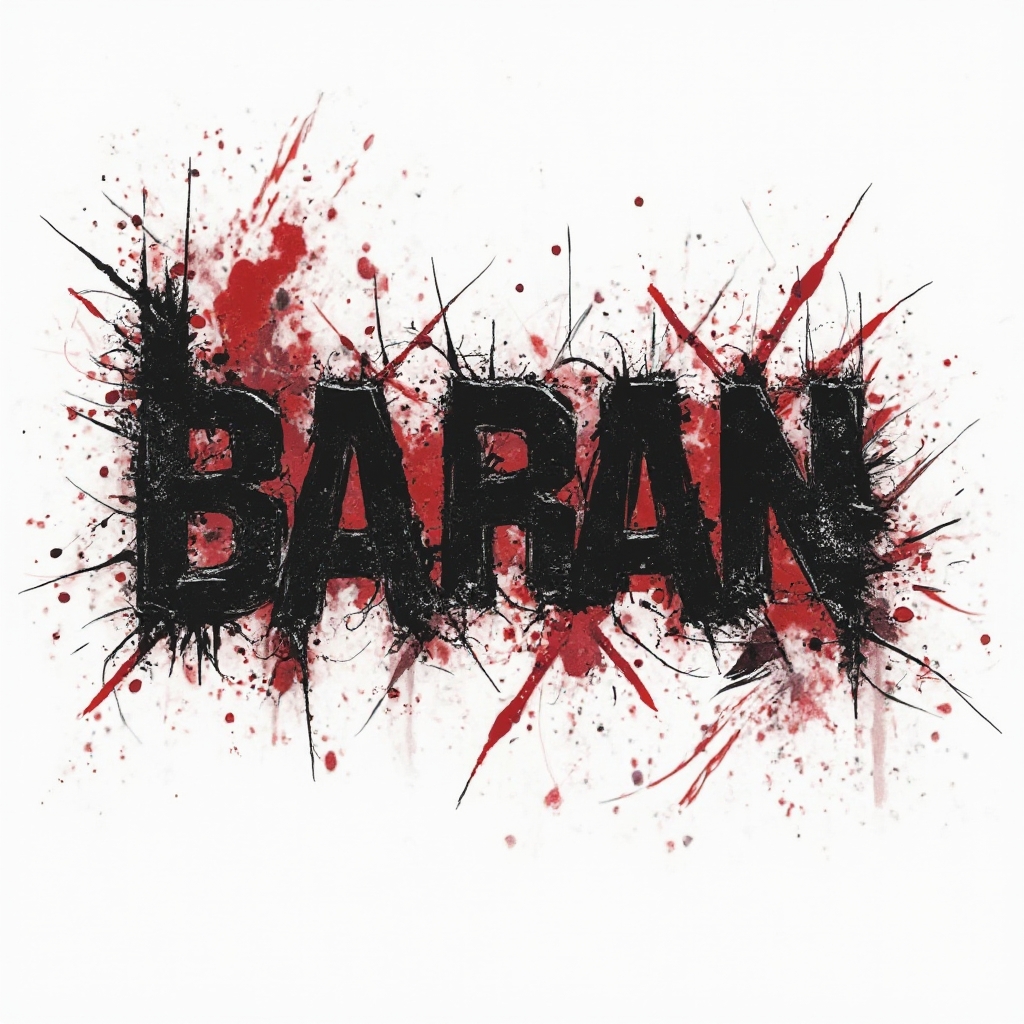
Baran Trash Polka Contrast Shock Tattoo Design
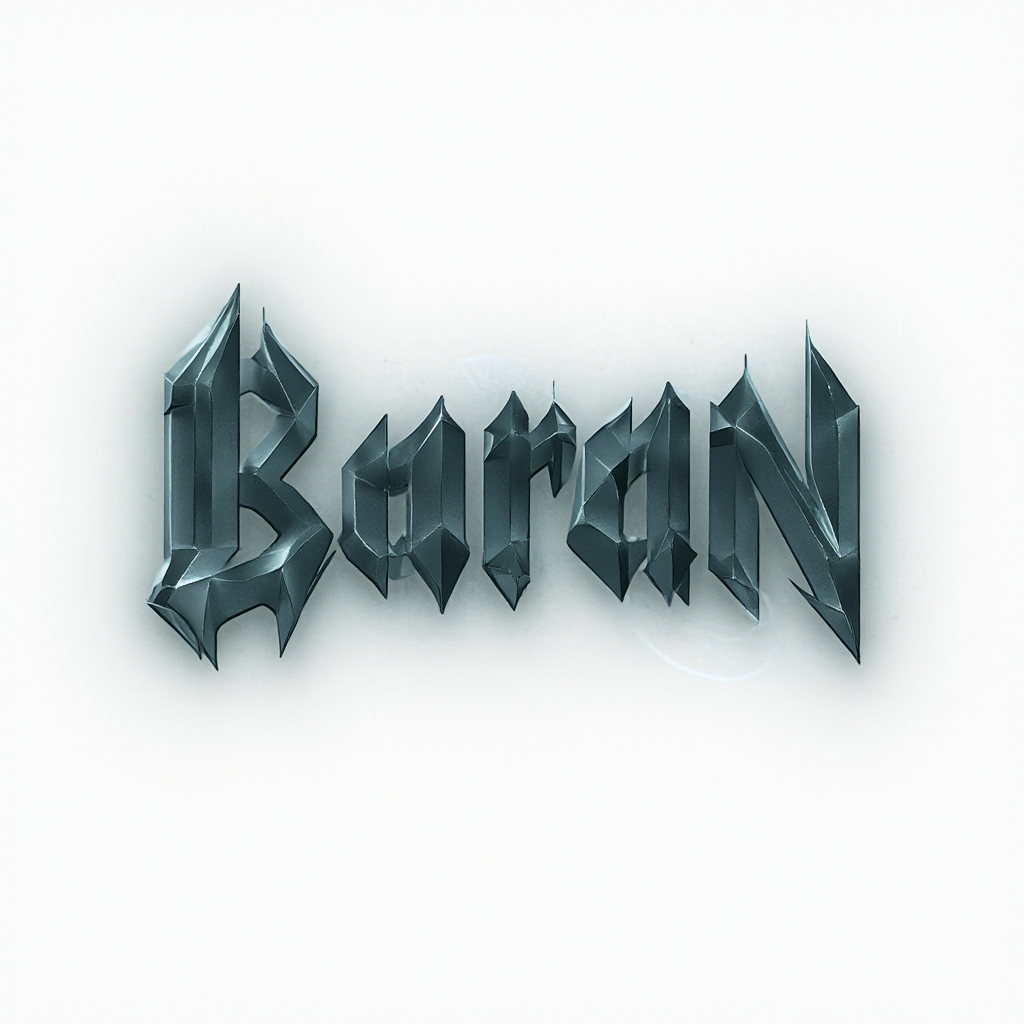
Baran AI-Original-Style Chromatic Shard Glyph Tattoo
Global distribution & gender ratio
Türkiye
96.29% of recorded usage
Female: 1.75% · Male: 98.25%
Cyprus
0.83% of recorded usage
Female: 0.00% · Male: 100.00%
Germany
0.48% of recorded usage
Female: 3.96% · Male: 96.04%
Iran
0.37% of recorded usage
Female: 84.42% · Male: 15.58%
United States
0.25% of recorded usage
Female: 1.92% · Male: 98.08%
You may also like
Similar names
Bahar
This name with the meaning spring has botanical connotations, symbolizing new beginnings and rejuvenation, and is often given to girls.Kaveh
Of Persian origin, it is associated with rebellion and freedom, often chosen for its heroic connotations.Sahar
Meaning dawn, it's a poetic name representing hope and new beginnings, frequently used for girls.Aram
This name means calm and serene, often used to express a peaceful nature.Ramin
A Persian name associated with the meaning joy and thrill, it reflects an energetic personality.Leila
Denoting night, this evocative name carries classic appeal and depth of character, used predominantly for girls.Omid
Translating to hope, it's a traditional and motivational name, commonly given to boys.Rava
Associated with prosperity, it alludes to an affluent and thriving life, used for both genders.Tanaz
Meaning delicate and graceful, it portrays a soft and refined personality.Shayan
A strong name meaning worthy, often chosen for boys, representing capability and prominence.
Frequently asked questions about baran
What does the name Baran mean?
The name Baran means rain and storm in Persian and Kurdish, respectively, and noble in old high German.
Where does the name Baran originate?
The name Baran originates from Persian, Kurdish, and old high German cultures.
Is the name Baran gender-specific?
No, the name Baran is gender-neutral and used for both males and females.
How popular is the name Baran?
The name Baran enjoys moderate popularity, especially in Turkey and Iran.
How is the name Baran used globally?
Baran is used widely in Turkey, Iran, and among Kurdish communities, with diverse pronunciations.
What are common career paths for people named Baran?
People named Baran often pursue careers in art, science, diplomacy, entrepreneurship, education, or psychology.
What are characteristic features of individuals named Baran?
Barans are often calm, resilient, creative, empathetic, independent, intellectual, and diplomatic.
What are similar names to Baran?
Similar names include Bahar, Kaveh, Sahar, Aram, Ramin, Leila, Omid, Rava, Tanaz, and Shayan.
Who are some famous people named Baran?
Famous individuals named Baran include Iranian actress Baran Kosari and German director Baran Bo Odar.