
Meaning of the Name Bruno
Origin of the Name Bruno
Gender Association of the Name Bruno
Popularity of the Name Bruno
Global Usage of the Name Bruno
Characteristic Features of People Named Bruno
Reliable
People named Bruno are often seen as reliable and dependable individuals, embodying a strong and consistent nature.
Warm-hearted
They are known for their warmth and kindness, often creating a welcoming environment for others.
Courageous
With historical roots in medieval nobility, Brunos are often courageous, willing to face challenges head-on.
Resilient
Perseverance is a hallmark, making them resilient in the face of adversity.
Grounded
They possess an earthy realism, staying grounded in practical matters and realistic approaches.
Cultural
Brunos appreciate cultural heritage and often have a deep understanding of customs and traditions.
Supportive
Known for supporting others, they are selfless in friendships and family settings.
Observant
Their attentive nature helps them notice details that others might miss, a skill valuable in both personal and professional lives.
Intellectual
Intellectual curiosity is often a strong trait, leading them to explore diverse fields and areas of knowledge.
Common Career Paths for People Named Bruno
Leadership roles
Many Brunos aspire to leadership roles, drawn by their strong organizational skills and ability to inspire.
Creative fields
Creativity is often a key trait, with many pursuing careers in arts, writing, or design.
Corporate sector
With their reliability, many Brunos excel in the corporate world, climbing the ladders of business and finance.
Education
Many are drawn to teaching and educational roles, where they can share knowledge and inspire others.
Entrepreneurship
The independent nature of Brunos often leads them to start their own ventures and businesses.
Music
Inspired by figures like Bruno Mars, numerous individuals named Bruno are drawn to music and performing arts.
Public speaking
Confidence and clarity make them strong candidates for roles involving public speaking or communication.
Science and research
Driven by intellectual curiosity, science and research fields appeal to many individuals named Bruno.
Law and governance
Their structured nature makes law and governance suitable fields, where order and justice prevail.
Unique and Interesting Characteristics of the Name Bruno
Pop Culture Influence
The name Bruno has surged in popularity partly due to Bruno Mars, the globally celebrated singer and songwriter.
Historical Significance
Named after Saint Bruno, the founder of the Carthusian Order, it carries religious and historical importance.
Literature
The name often appears in European literature, symbolizing strength and integrity.
Medieval Connection
Historically, Bruno was a name associated with knights and nobility, underlining its classic appeal.
Color Association
Tied to the color brown, it symbolizes a deep connection with the earth and stability.
Famous Namesakes
In addition to Bruno Mars, Public figures like Bruno Tonioli and philosophers like Bruno Latour carry the name.
Cartoons and Films
Names like Bruno have found their way in animation and film, symbolizing lovable, sometimes comedic characters.
International Appeal
Its cross-cultural embrace ensures its relevance in various parts of the world, beyond language barriers.
Fictional Characters
Often depicted as charismatic personalities, Brunos are commonly seen in literary works.
Famous People Named Bruno
- Bruno Mars: Renowned American singer and songwriter.
- Bruno Tonioli: Italian choreographer and TV personality known for 'Dancing with the Stars.'
- Bruno Latour: Influential French philosopher and sociologist.
- Bruno Alves: Portuguese professional footballer.
- Bruno Senna: Brazilian race car driver.
'Bruno' Stylized Name Tattoo Design Collection
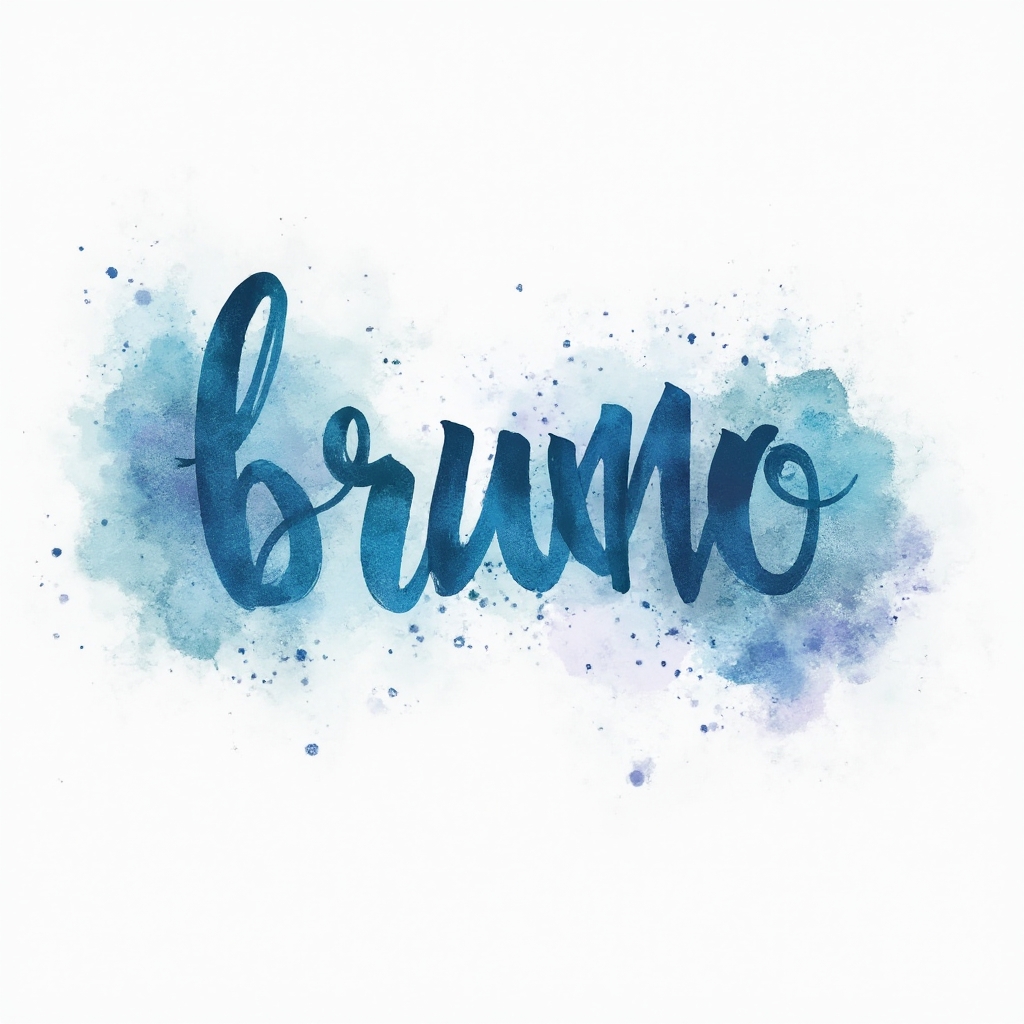
Bruno Watercolor Name Tattoo Design
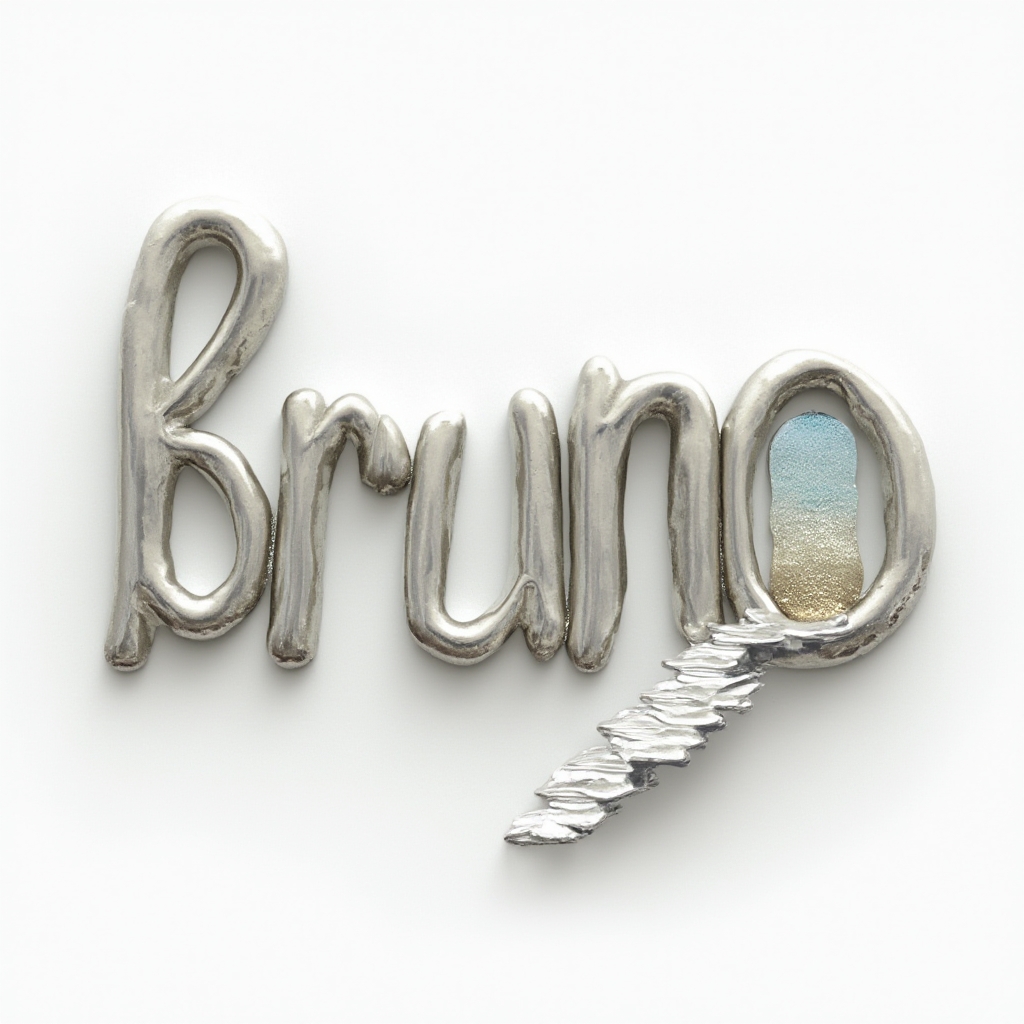
Bruno Surrealism Name Tattoo Artwork
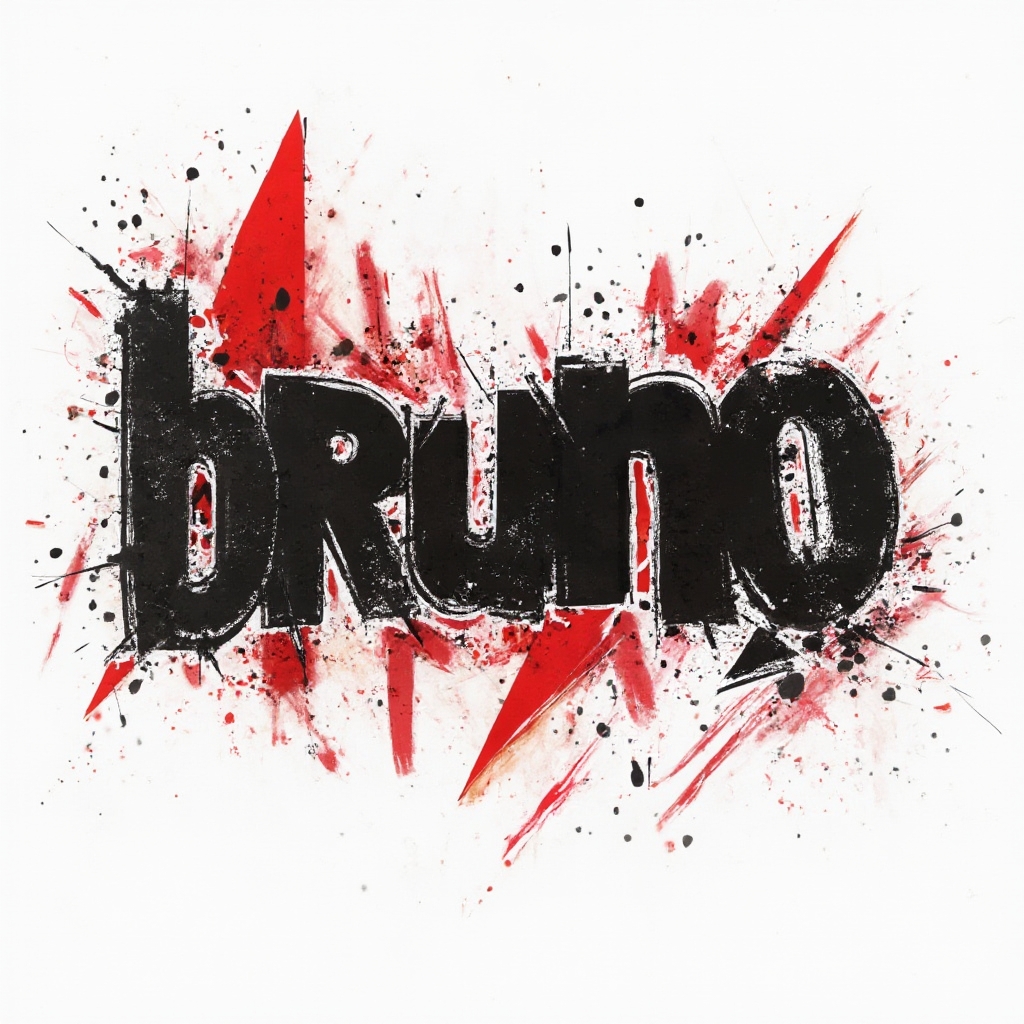
Bruno Trash Polka Tattoo Lettering Concept
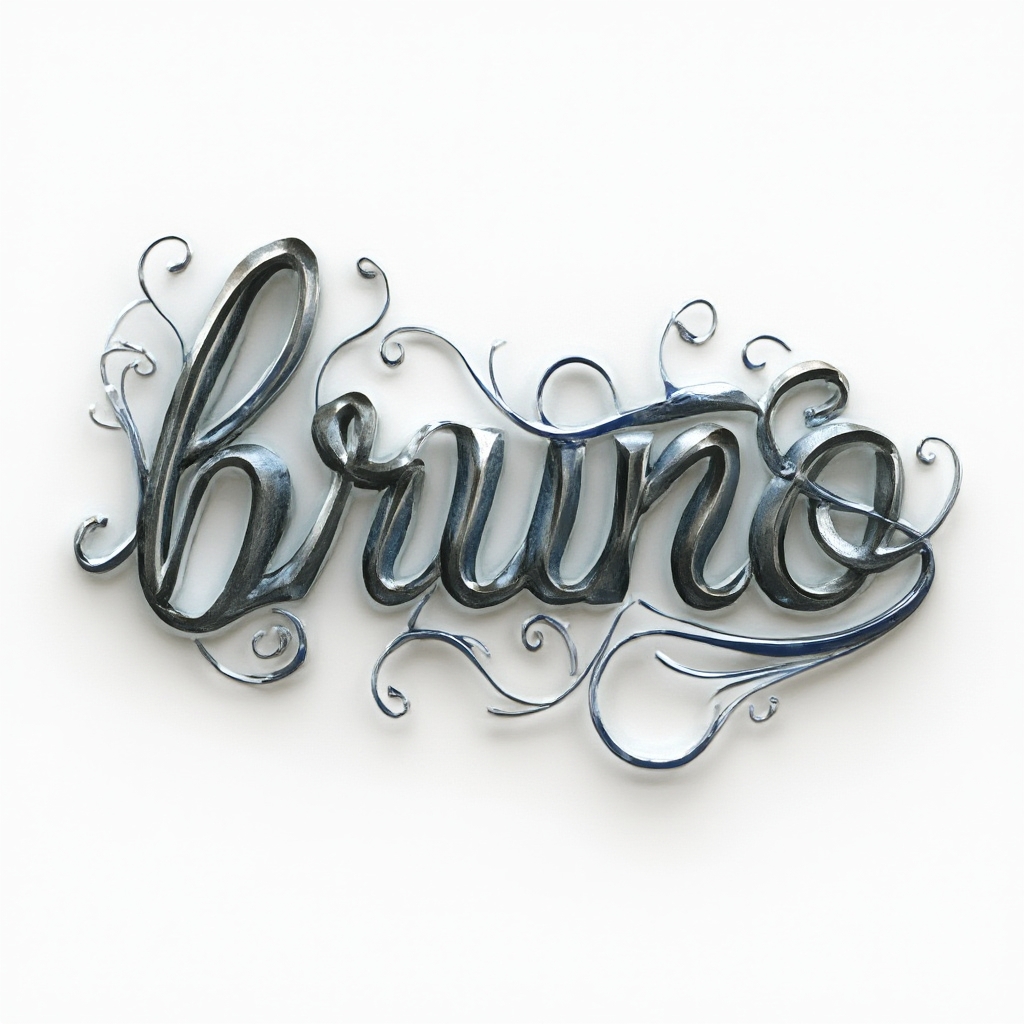
Bruno AI-Original-Style Signature Tattoo Design
Global distribution & gender ratio
Brazil
84.23% of recorded usage
Female: 0.43% · Male: 99.57%
Portugal
2.90% of recorded usage
Female: 0.15% · Male: 99.85%
United States
2.09% of recorded usage
Female: 1.36% · Male: 98.64%
Mexico
1.68% of recorded usage
Female: 0.13% · Male: 99.87%
Italy
0.97% of recorded usage
Female: 0.68% · Male: 99.32%
You may also like
Similar names
Bruner
A cognate name meaning brown, similar in sound and roots.Bryan
Similar auditory appeal, sharing a sense of strength and valor.Bronson
While different in meaning, it maintains a solid and earthy sound.Bernard
Includes the aspect of strength and nobility.Brody
A phonetically similar name, suggesting a strong and adventurous nature.Bruce
Commonly associated with phenomenal endurance.Braden
A softer sound with a connecting root in lasting legacy.Boone
A more modern connotation with a similar tonal quality.Braydon
Another softer, culturally relevant name with connections to joy and richness.Bryant
A name invoking power and stability.