
Meaning of the Name Carlinhos
Origin and History of Carlinhos
Gender of the Name Carlinhos
Popularity of Carlinhos Across Countries
Global Usage and Pronunciation of Carlinhos
Personality Traits Associated with Carlinhos
Warm-hearted
Often seen as affectionate and approachable, building close bonds with friends and family.
Charismatic
Tends to draw others in with an easygoing charm and sense of humor.
Loyal
Values long-term relationships and stands by loved ones in difficult times.
Creative
Shows flair in music, arts, or problem-solving, bringing originality to everyday life.
Resilient
Faces challenges with courage and a positive mindset, bouncing back from setbacks.
Professional Paths for the Name Carlinhos
Musician
Frequently associated with artistic and musical expression, especially in Brazilian cultural contexts.
Entertainer
Fits roles in television, theater, or comedy, where charisma and presence are key.
Coach or Mentor
Natural ability to encourage others makes this name suitable for guiding roles.
Entrepreneur
Combines creativity and initiative to build businesses or independent projects.
Community Leader
Drawn to positions that support and organize local groups or social causes.
Unique and Interesting Facts About Carlinhos
Affectionate Diminutive
Originating as a pet form of Carlos, it carries built-in warmth and familiarity.
Strong Musical Presence
Widely used among Brazilian musicians and performers, adding to its artistic aura.
Cultural Identity Marker
Immediately evokes Lusophone culture, especially Brazilian identity and lifestyle.
From Nickname to Given Name
Frequently appears on official documents, not just as an informal nickname.
Famous People Named Carlinhos
- Carlinhos Brown: Brazilian singer, songwriter, and musician known for his influential role in Brazilian popular music.
- Carlinhos Bala: Brazilian professional footballer recognized for his career in several Brazilian clubs.
- Carlinhos Maia: Brazilian digital influencer and comedian with a massive social media following.
- Carlinhos (José Carlos Nogueira Júnior): Brazilian footballer who has played for clubs in Brazil and Europe.
How to Pronounce Carlinhos in Portuguese
/kaɾˈliɲus/ — Carlinhos
- /ka/: like “ca” in “caravan.”
- /ɾ/: a quick tapped r, similar to the tt in American English “butter.”
- /ˈli/: stressed “lee” sound.
- /ɲ/: palatal nasal, like “nh” in Portuguese or “ny” in “canyon.”
- /us/: close to “oos,” with a short final s.
kar-LEEN-yos
Creative Tattoo Ideas for the Name Carlinhos
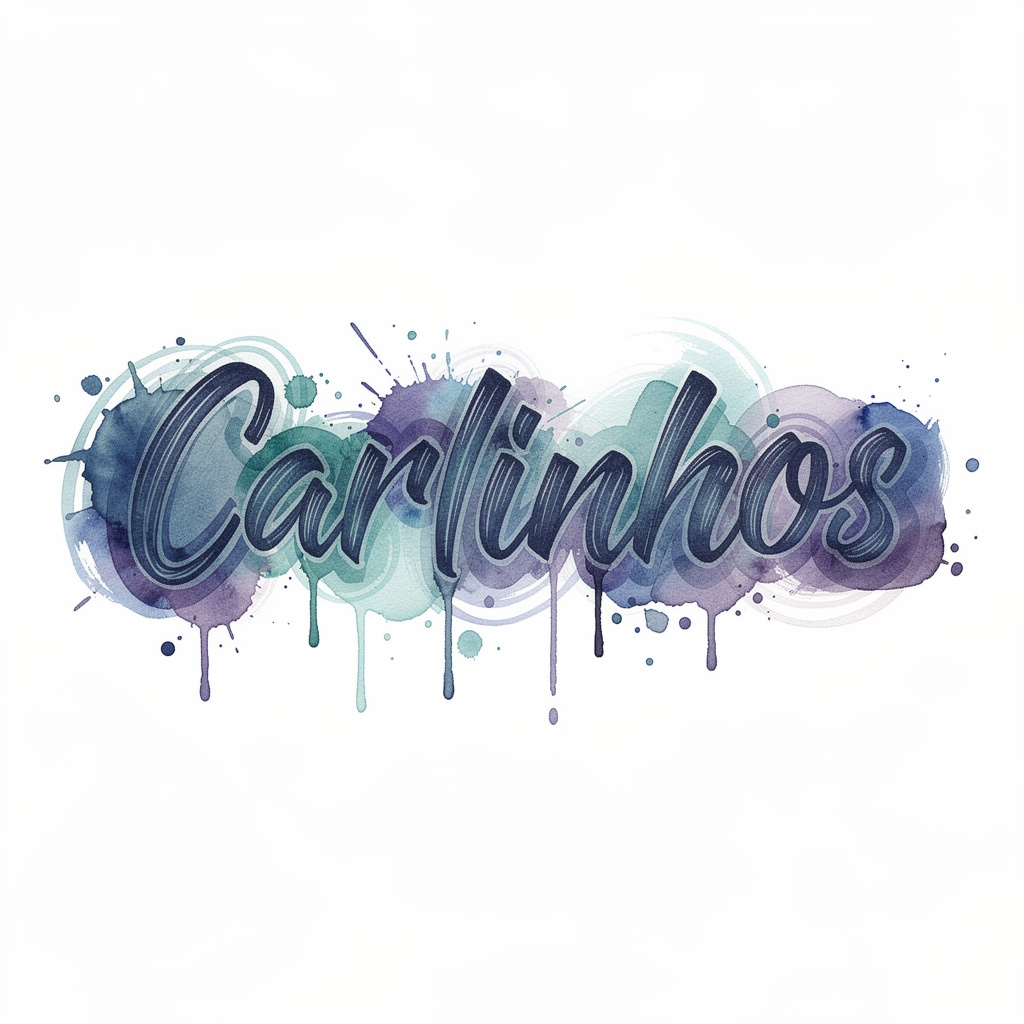
Watercolor Carlinhos Name Tattoo Design
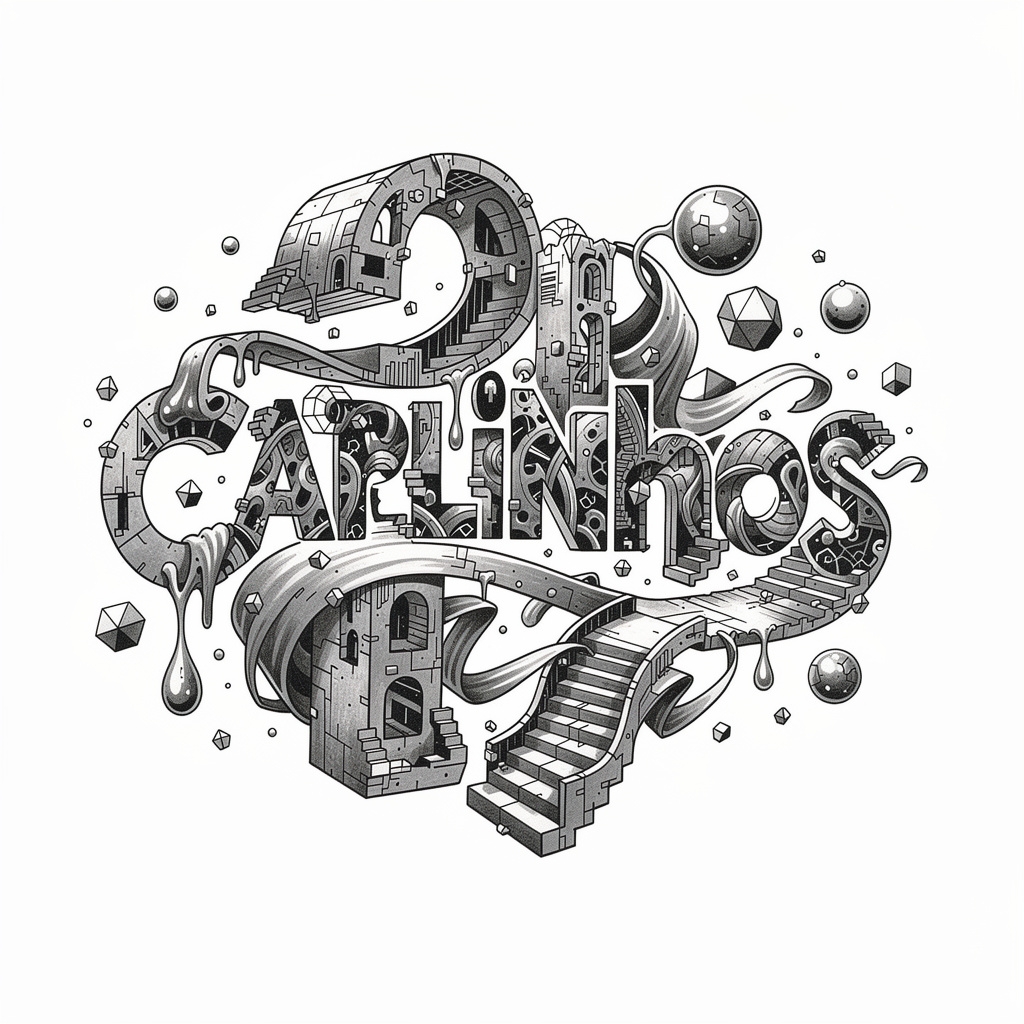
Surrealist Carlinhos Name Tattoo Concept
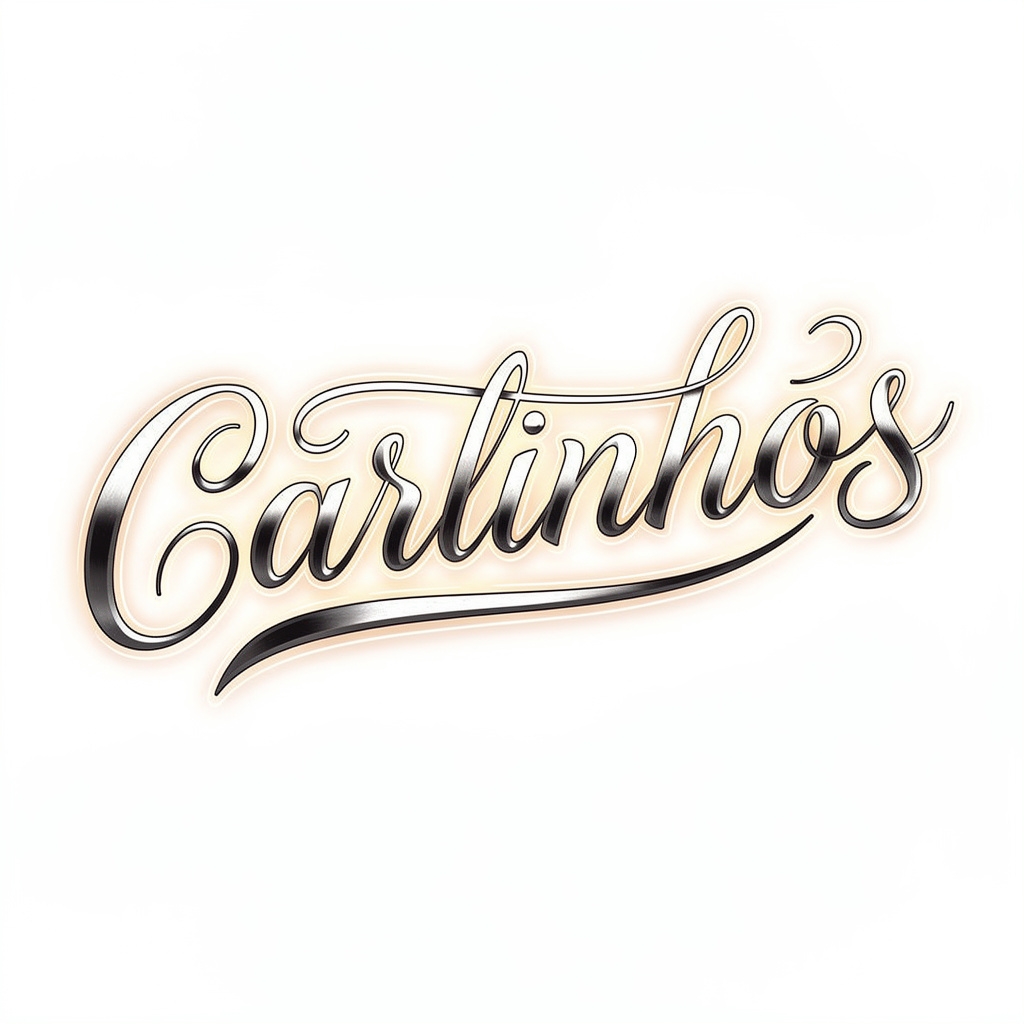
NeoLuma Script – AI-Original Carlinhos Tattoo Style
Global distribution & gender ratio
Brazil
96.32% of recorded usage
Female: 0.57% · Male: 99.43%
United States
1.47% of recorded usage
Female: 0.00% · Male: 100.00%
Mexico
0.37% of recorded usage
Female: 0.00% · Male: 100.00%
United Arab Emirates
0.18% of recorded usage
Female: 0.00% · Male: 100.00%
Chile
0.18% of recorded usage
Female: 0.00% · Male: 100.00%
You may also like
Similar names
Carlos
Derived from Germanic roots meaning free man and associated with strength and nobility.Carlito
A diminutive of Carlos, often conveying little strong one or beloved free man.Carlitos
Spanish and Portuguese pet form linked to the idea of a young free man or little noble.Carlin</description>,
Carlo
Italian form of Charles, tied to the notion of a free man and noble character.Carlos Eduardo
Compound Portuguese name; Carlos brings free man while Eduardo adds guardian or wealth protector.Carlino
Italian diminutive associated with a small but strong or noble personality.Carlson
Patronymic surname-turned-given-name meaning son of Carl, linked to strength and freedom.Carlson
Another form connected with son of Carl and ideas of lineage and heritage.Karlin
Variant spelling related to free person or strong individual.
Frequently asked questions about carlinhos
What is the meaning of the name Carlinhos?
Carlinhos is a Portuguese diminutive of Carlos, generally associated with the idea of a strong, free, and noble person, often interpreted as "little Carlos" with affectionate connotations.
What is the origin of the name Carlinhos?
Carlinhos originates in Portuguese-speaking cultures, especially Brazil and Portugal, as an affectionate form of Carlos, which ultimately derives from the Germanic name Karl, meaning a free or noble man.
Is Carlinhos a male or female name?
Carlinhos is used overwhelmingly as a male name in Portuguese-speaking countries, where it serves as a diminutive or affectionate form of the masculine name Carlos.
How popular is the name Carlinhos?
Carlinhos is moderately popular in Brazil and present in Portugal, though it does not usually rank among the very top baby names. Outside Portuguese-speaking communities, it is relatively rare.
How do you pronounce Carlinhos?
Carlinhos is pronounced approximately as kar-LEEN-yos in Portuguese, with the stress on the second syllable and the "nh" sound similar to "ny" in "canyon."