
Meaning of the Name Chetan
Cultural and Historical Origin of Chetan
Gender Use of the Name Chetan
Popularity of the Name Chetan
Global Usage and Pronunciation of Chetan
Personality Traits Associated With Chetan
Insightful
Often linked with awareness and perception, people named Chetan are seen as observant and thoughtful.
Intelligent
The name’s roots in consciousness suggest a strong mind and love for learning.
Spiritual
Many associate Chetan with inner life and reflection, hinting at a spiritual or philosophical nature.
Calm
Frequently viewed as composed and steady, someone who thinks before acting.
Compassionate
The focus on life and spirit can translate into empathy and care for others.
Professional Paths for People Named Chetan
Researcher
A natural fit for analytical and curious minds who enjoy deep study.
Teacher or Professor
Sharing knowledge and guiding others suits the reflective meaning of the name.
Spiritual or Wellness Guide
Work in yoga, meditation, or counseling aligns with themes of consciousness.
Writer or Philosopher
Expressing ideas about life and awareness can appeal to many named Chetan.
Technology Professional
Logical thinking and problem-solving skills may draw Chetan toward IT and engineering careers.
Unique and Interesting Facts About the Name Chetan
Ancient Linguistic Roots
The name traces back to Sanskrit terms for awareness and living beings.
Philosophical Resonance
It appears in contexts that discuss mind, spirit, and the nature of life.
Modern Literary Presence
Well-known authors and creatives bear the name, giving it contemporary visibility.
Cross-Language Adaptations
Spellings like Chetan, Chetan, or Chaitanya may be related or confused across regions.
Diaspora Identity Marker
Among global Indian communities, the name often signals cultural pride and continuity.
Famous People Named Chetan
- Chetan Bhagat: Indian author and columnist known for bestselling English-language novels.
- Chetan Anand: Indian film director and producer, a pioneer of Indian parallel cinema.
- Chetan Sharma: Former Indian cricketer and cricket commentator.
- Chetan Chauhan: Indian cricketer and politician who represented India in Test cricket.
- Chetan Hansraj: Indian television and film actor.
How to Pronounce Chetan in Sanskrit and English
/ˈtʃeɪ.tən/ — चेतन
- /tʃ/: like “ch” in "chair"
- /eɪ/: like “ay” in "say"
- /tən/: “t” followed by a reduced “uhn” sound
CHAY-tun
Tattoo Ideas Featuring the Name Chetan
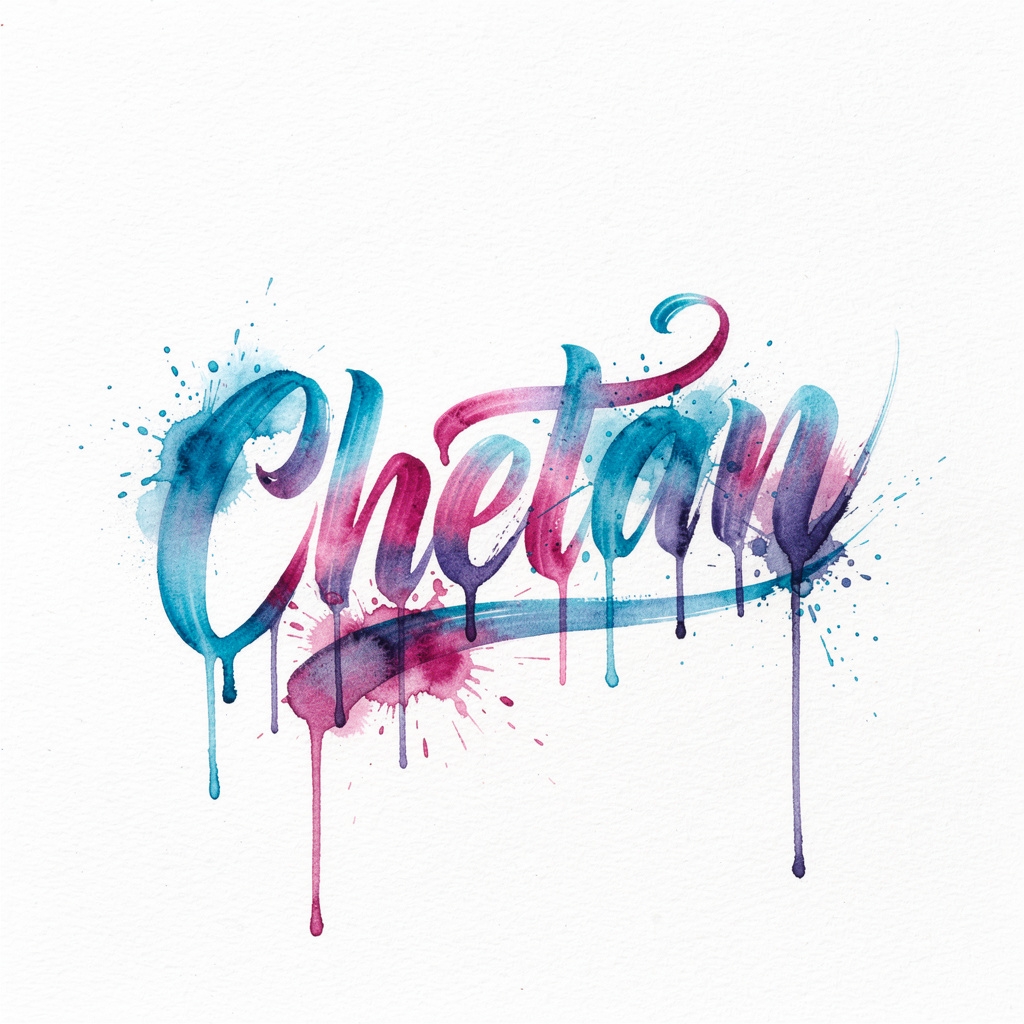
Watercolor Chetan Tattoo Design

Surrealism Chetan Tattoo Design

Trash Polka Chetan Tattoo Design

LuminaScript Chetan Tattoo Design (AI-Original-Style)
Global distribution & gender ratio
India
71.35% of recorded usage
Female: 0.00% · Male: 100.00%
United States
14.23% of recorded usage
Female: 0.00% · Male: 100.00%
United Kingdom
3.60% of recorded usage
Female: 0.00% · Male: 100.00%
United Arab Emirates
1.98% of recorded usage
Female: 0.00% · Male: 100.00%
Canada
1.44% of recorded usage
Female: 0.00% · Male: 100.00%
You may also like
Similar names
Chetana
A related Indian name often interpreted as consciousness or awareness.Chaitanya
Sanskrit-derived name meaning consciousness, life force, or energy.Chet
English short form that can be linked to meanings like fortress or adapted from Chetan.Chetna
Modern Indian name typically associated with awareness and sensitivity.Ketan
Indian name sometimes associated with a home or banner, phonetically similar to Chetan.Chetak
Historic name linked with a legendary horse, often connected with valor and loyalty.Chetanya
Variant of Chaitanya, sharing meanings of spirit and consciousness.Chandan
Indian name associated with sandalwood, symbolizing fragrance and purity.Ketanaya
Modern, creative name inspired by Ketan and related forms, sometimes linked with dwelling or place.Chetas</name>
Sanskrit-influenced name connected to mind and thought.
Frequently asked questions about chetan
What is the meaning of the name Chetan?
Chetan is a Sanskrit-origin name commonly interpreted as wise, conscious, or full of life and spirit. It conveys awareness, intelligence, and vitality.
What is the origin of the name Chetan?
The name Chetan comes from classical Sanskrit in India, rooted in words related to consciousness and living beings. It has been used for centuries in philosophical and cultural contexts.
Is Chetan a male or female name?
Chetan is traditionally a male name, especially in India and South Asia. In some modern and global contexts it may be used more flexibly, but it is still primarily masculine.
How do you pronounce Chetan?
Chetan is usually pronounced CHAY-tun in English, with two syllables. In Sanskrit and many Indian languages it is similar, with a clear ‘ch’ sound at the beginning.
How popular is the name Chetan?
Chetan is well known in India and among the Indian diaspora but is not among the top-ranking baby names nationally. It is relatively rare outside South Asian communities.