
Meaning of the Name Dian
Origin of the Name Dian
Gender Association of the Name Dian
Popularity of the Name Dian
Global Usage of the Name Dian
Characteristic Features of People Named Dian
Intuitive
People named Dian often possess a heightened sense of intuition, making them great decision-makers in personal and professional settings. Their innate ability to understand and empathize with others is a cornerstone of their interpersonal interactions.
Creative
A natural flair for creativity is evident in individuals named Dian. They are often drawn to artistic pursuits such as painting, writing, or music, using their creative skills to inspire others.
Graceful
The elegance associated with the moon reflects in Dian's demeanor. Known for their graceful presence, they tend to move smoothly through life's challenges with poise and tact.
Resourceful
Those named Dian are adept at finding unique solutions to problems, utilizing their resourcefulness to overcome obstacles. This trait makes them valuable in navigating complex situations.
Caring
With a natural tendency to care for those around them, individuals named Dian often find fulfillment in nurturing roles, whether within families or communities.
Common Career Paths for People Named Dian
Creative Arts
Many named Dian flourish in fields such as art, writing, or music due to their inherent creativity and passion for self-expression. They thrive in environments that allow them to innovate and communicate visually or verbally.
Healing Professions
Dian's naturally caring disposition makes them excellent candidates for careers in healthcare. They often pursue paths in nursing, therapy, or alternative medicine to help improve others' well-being effectively.
Leadership
Exhibiting strong leadership skills, Dian can excel in managerial roles or in executive positions where decision-making and guidance are key. Their intuition aids in making informed and impactful decisions.
Education
Driven by a desire to nurture and influence future generations, individuals bearing the name Dian might choose teaching or educational administration roles, contributing to social growth and development.
Human Resources
With an ability to empathize and understand others intimately, Dian is well-suited for careers in HR or counseling, where they can cultivate positive work environments and mediate employee relations.
Unique and Interesting Characteristics of the Name Dian
Moon Goddess Connection
The name Dian is derived from Diana, the Roman goddess revered for her association with the moon, offering a sense of divine femininity and mystery.
Pop Culture Presence
Dian is used in various cultural contexts, including literature and music, symbolizing elegance and strength drawn from its mythological roots.
Versatile Adaptability
The name's adaptability across both gender lines and multiple cultures showcases its timeless allure and global appeal.
Significant Namesakes
Notable individuals bearing the name include activists and entertainers who have contributed meaningfully to society, leaving an indelible mark.
Different Linguistic Variations
Variants of Dian such as 'Diana', 'Dianne', or 'Dion' demonstrate the name's linguistics transformations and cross-cultural impact.
Famous People Named Dian
- Dian Fossey: Renowned zoologist known for extensive studies of mountain gorillas.
- Dian Caulfield: Famous radio personality and community worker.
- Dian Hanson: Prominent magazine editor known for her work with art publications.
Dian Artistic Tattoo Concept Collection

Dian Watercolor Ink Flow Tattoo Concept

Dian Surreal Dreamscape Tattoo Design
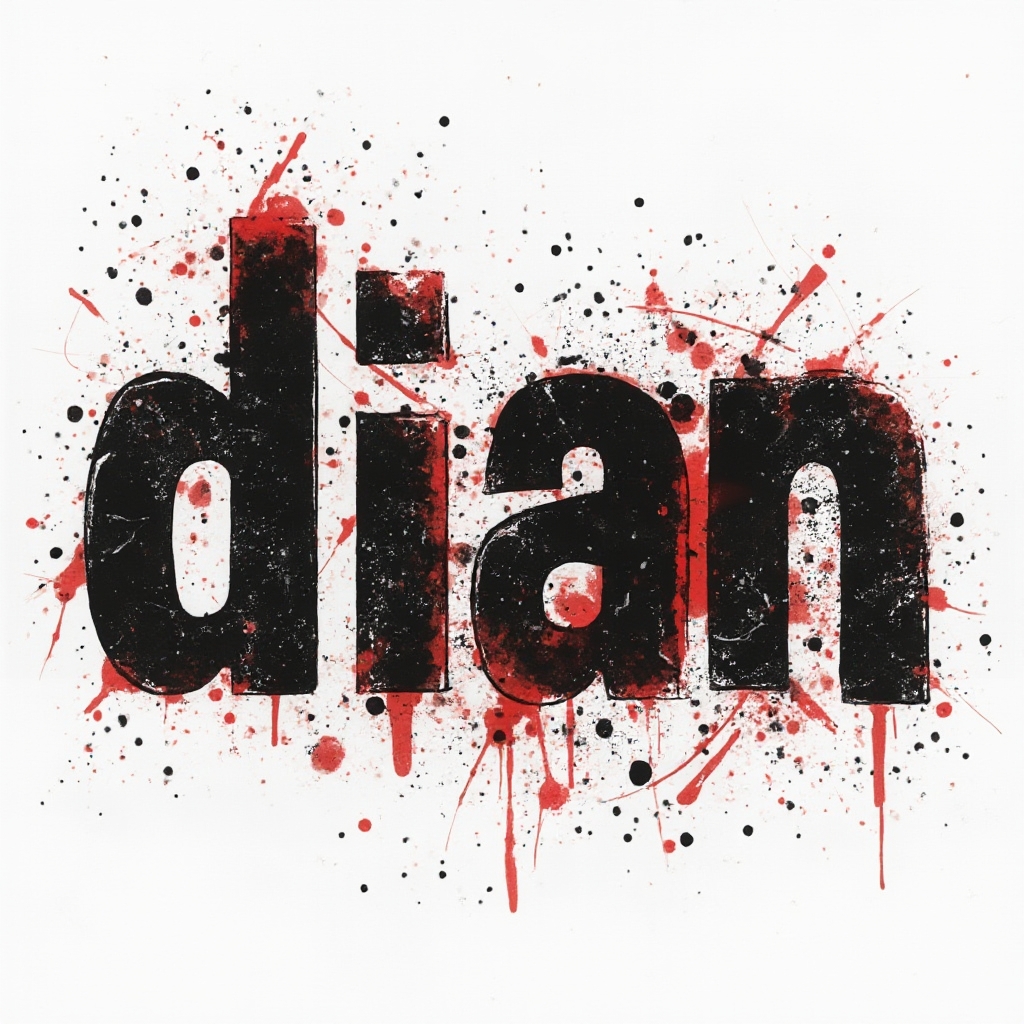
Dian Trash Polka Contrast Tattoo Concept
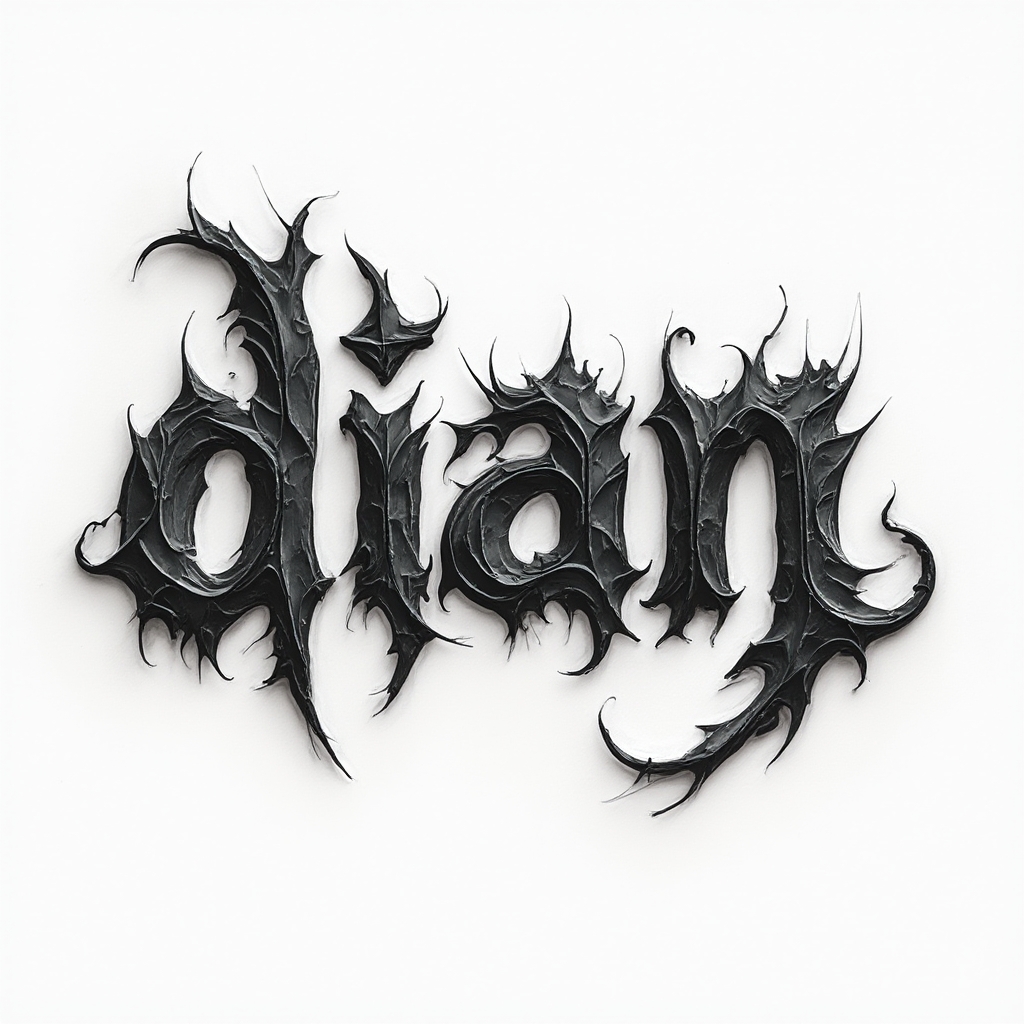
Dian AI-Original-Style Sculpted Ink Tattoo Concept
Global distribution & gender ratio
Indonesia
89.36% of recorded usage
Female: 80.76% · Male: 19.24%
United States
1.92% of recorded usage
Female: 85.71% · Male: 14.29%
Malaysia
1.76% of recorded usage
Female: 83.69% · Male: 16.31%
Mexico
1.75% of recorded usage
Female: 97.86% · Male: 2.14%
Singapore
0.92% of recorded usage
Female: 91.89% · Male: 8.11%
You may also like
Similar names
Diane
A variant of Dian, Graceful understanding is associated with this classic feminine name, sharing its roots with the Roman goddess Diana.Dianna
Similar to Dian, this name emphasizes divine wisdom and beauty, celebrated for its links to mythology.Dion
A gender-neutral name sharing phonetic resemblance, often associated with musical talent and leadership qualities.Dione
A name with Greek origins, symbolizing strength and divine protection as it shares its association with mythological beings.Deana
A feminine variation with a melodious sound, connected with qualities of care and devotion.Dayana
A modern variant of Dian, this name focuses on brilliance and clarity similar to its luminous origin.Divina
Linked to the Roman goddess, this name carries a strong essence of divine grace and beauty.Dianella
A rarer version of Dian, connected to the floral beauty and delicate femininity.Dinah
Biblical in origin, this name speaks of vindication and justice, sharing thematic depth with Dian.Doria
Phonetically similar, this name resonates with elegance and nobility, reflective of its classic roots.
Frequently asked questions about dian
What is the meaning of the name Dian?
Dian is associated with the <strong>moon</strong> and signifies <strong>divine</strong> or <strong>graceful</strong> attributes, alluding to its celestial and intuitive nature.
Where does the name Dian originate from?
The name Dian traces back to <strong>Latin</strong> origins, connecting it to the Roman goddess Diana, embodying a link to nature and mythology.
Is Dian a male or female name?
Dian is a <strong>gender-neutral</strong> name, used for both males and females, with cultural perceptions varying across regions.
How popular is the name Dian?
Popularity of <strong>Dian</strong> varies, peaking in mid-20th century and is more prevalent in <strong>Indonesia</strong> and <strong>European</strong> regions.
How is the name Dian used globally?
Dian is embraced differently worldwide, fiercely popular in <strong>Asia</strong> with elegant variations in <strong>Western</strong> cultures like 'Dianne.'
What are some characteristic features of people named Dian?
Individuals named Dian are often described as intuitive, creative, resourceful, caring, and graceful.
What are common career paths for people named Dian?
Careers in <strong>creative arts</strong>, <strong>healthcare</strong>, <strong>leadership</strong>, and <strong>education</strong> are often pursued by individuals named Dian.
Who are some famous individuals named Dian?
Notable figures include <strong>Dian Fossey</strong> the zoologist, and <strong>Dian Caulfield</strong> the radio personality.
What are some names similar to Dian?
Names like Diane, Dianna, and Dion are similar to Dian, carrying elegant and graceful meanings.