
Meaning of the Name Dina
Origin of the Name Dina
Gender Association of the Name Dina
Popularity of the Name Dina
Global Usage of the Name Dina
Characteristic Features of People Named Dina
Leadership
Individuals named Dina often display leadership qualities and are naturally inclined to take charge.
Intelligence
They are usually noted for their intellectual capabilities and problem-solving skills.
Compassion
Dinas tend to be empathetic and considerate, making strong personal connections.
Resilience
They possess a strong determination to face challenges and overcome adversity.
Common Career Paths for People Named Dina
Leadership Roles
Dinas often excel in leadership roles due to their natural charisma and decision-making skills.
Creative Arts
Many are drawn to creative careers in art, music, or literature, where their expressive abilities shine.
Science and Research
With a penchant for intellect, Dinas frequently pursue scientific and research-oriented fields.
Education
They may find fulfillment in teaching and educational leadership roles.
Unique and Interesting Characteristics of the Name Dina
Pop Culture Presence
Dina has been a popular character name in films and novels, emphasizing its diverse roles and traits.
Historic Usage
The name has historic significance, often appearing in religious texts, especially in the Old Testament.
Cultural Adaptability
Its usage in varying cultures showcases its adaptability and universal appeal.
Influence in Media
Prominent figures like Dina Merrill have left a significant mark in history, enhancing the name's recognition.
Famous People Named Dina
- Dina Merrill: American actress and philanthropist.
- Dina Asher-Smith: Noted British sprinter.
- Dina Lohan: American television personality and mother of Lindsay Lohan.
- Dina Torkia: Influential fashion blogger and designer from the UK.
Dina Artistic Name Tattoo Concepts
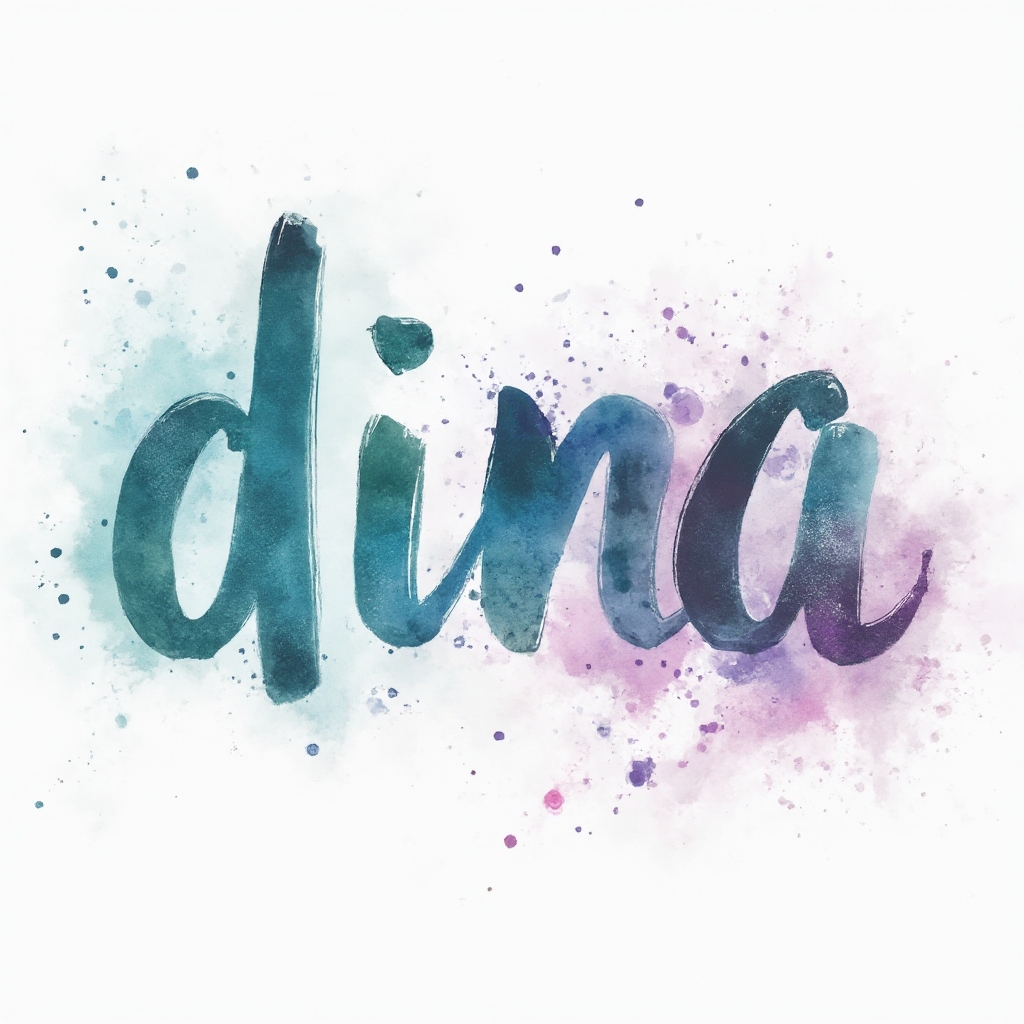
Dina Watercolor Ink Splash Tattoo Concept
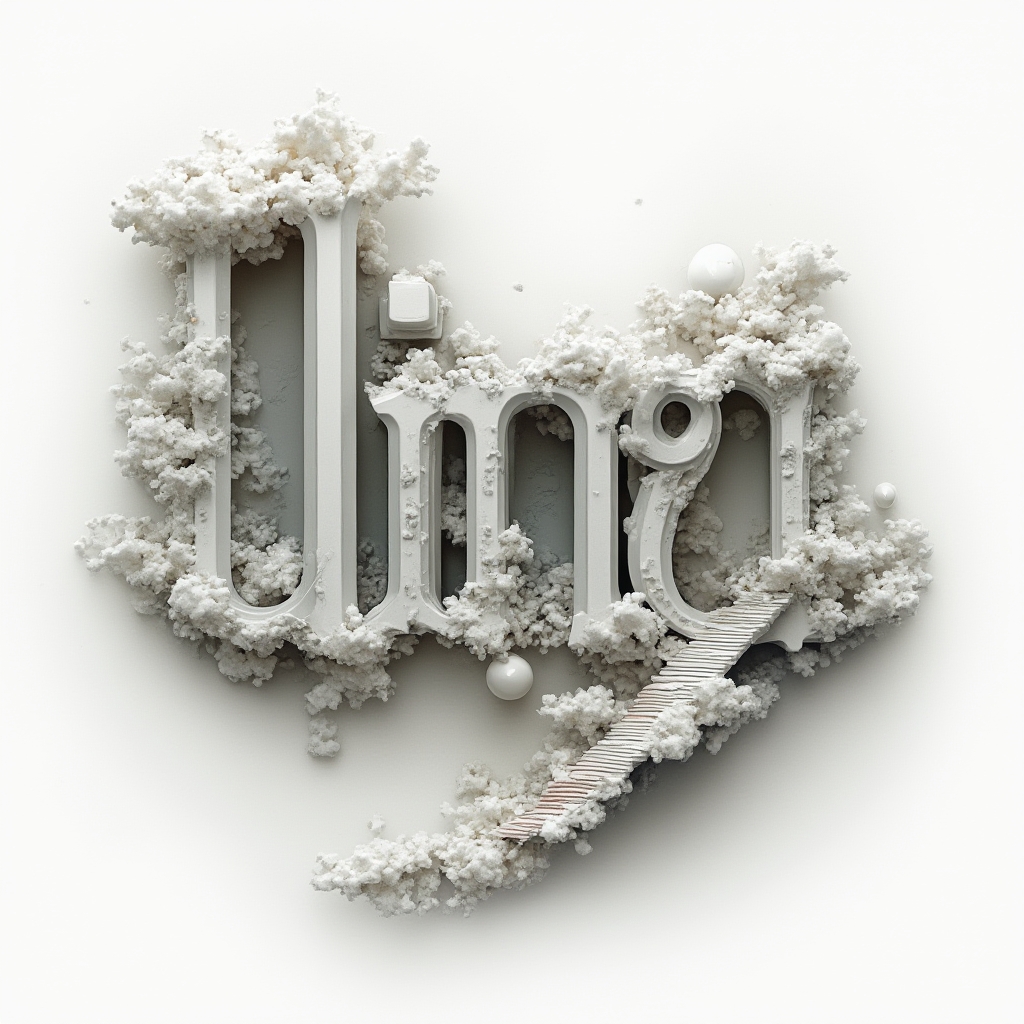
Dina Surreal Dreamscape Lettering Tattoo
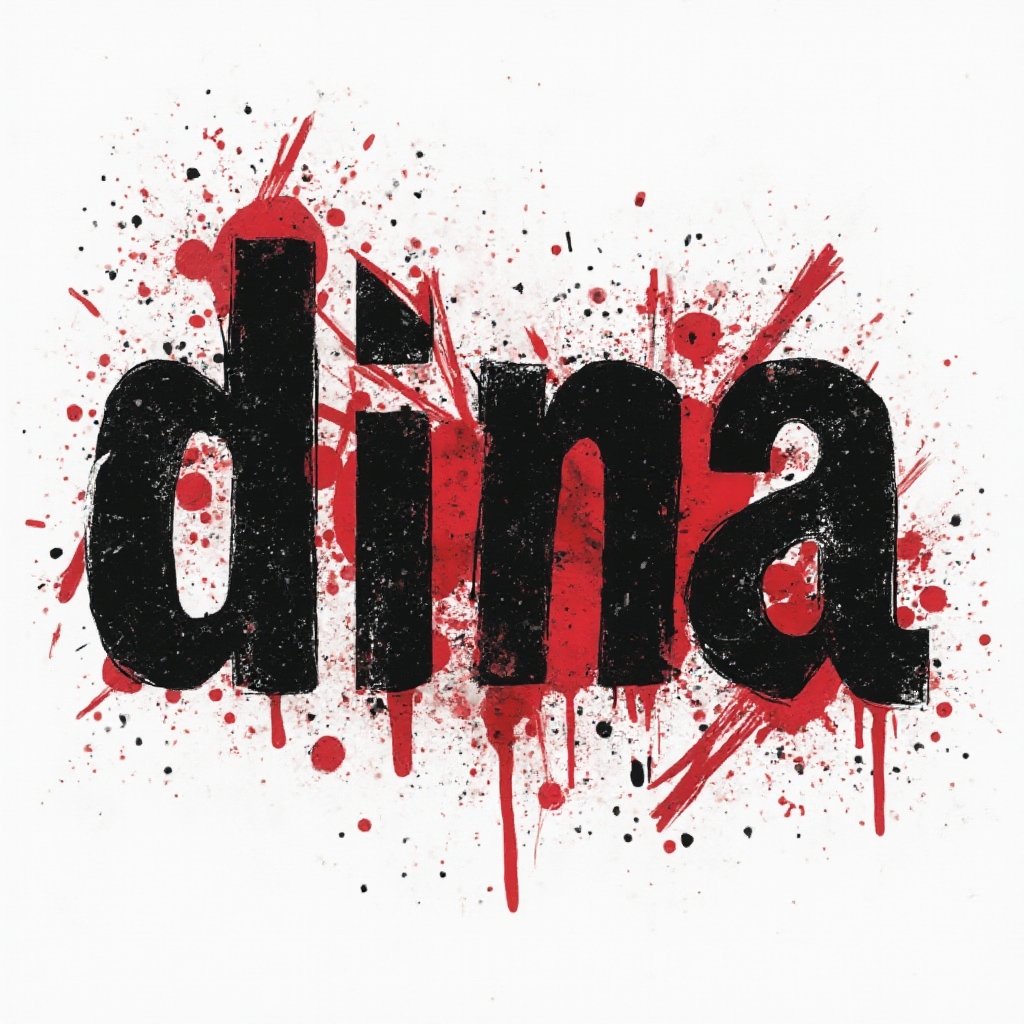
Dina Trash Polka Contrast Lettering Tattoo
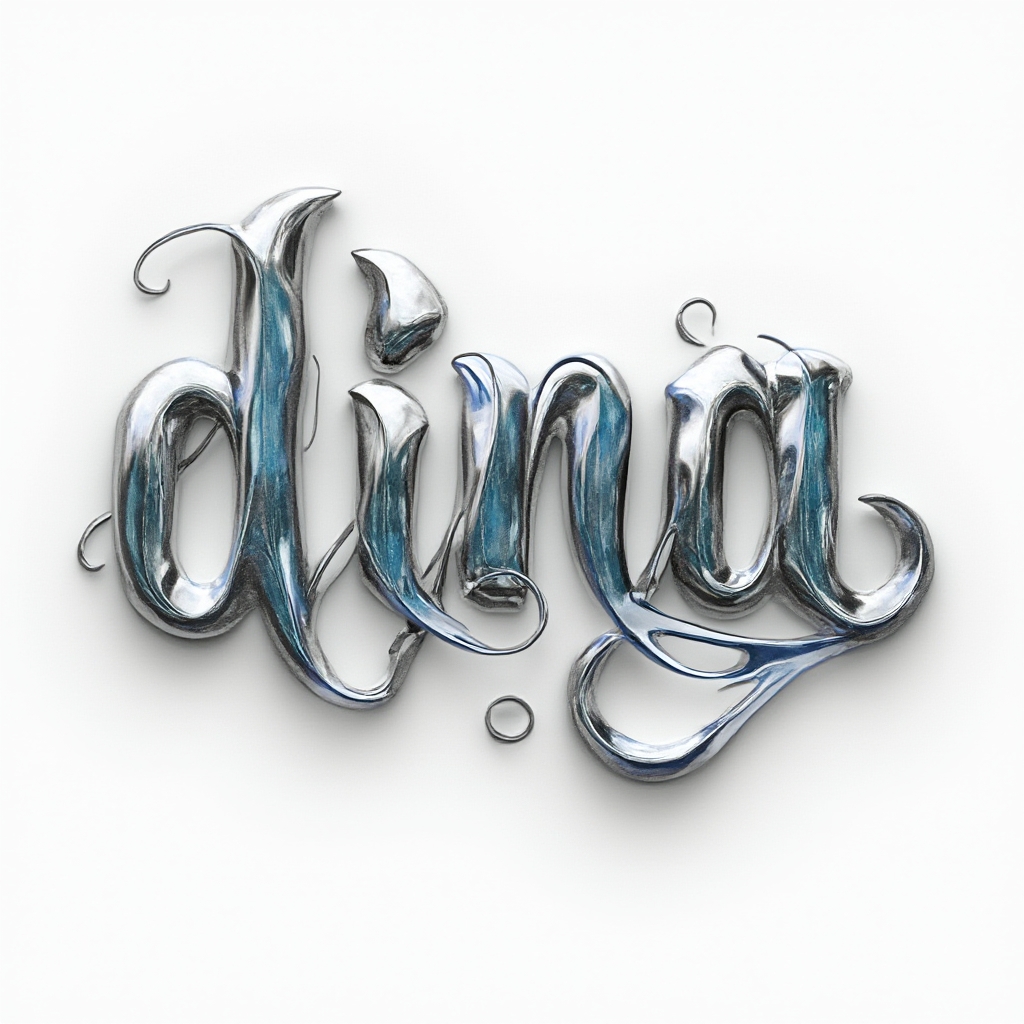
Dina AI-Original-Style Dimensional Script Tattoo
Global distribution & gender ratio
Indonesia
36.99% of recorded usage
Female: 99.31% · Male: 0.69%
United States
14.09% of recorded usage
Female: 99.57% · Male: 0.43%
Russia
8.15% of recorded usage
Female: 98.33% · Male: 1.67%
Egypt
5.22% of recorded usage
Female: 100.00% · Male: 0.00%
Saudi Arabia
4.96% of recorded usage
Female: 98.48% · Male: 1.52%
You may also like
Similar names
Dana
Like Dina, Dana also holds Hebrew roots and is interpreted as God is my judge.Nadine
A name with French origins, sharing phonetic similarity to Dina and means hope.Deena
A variation of Dina often used in America, conveying similar meanings of faith and vindication.Diana
In Roman mythology, Diana is the goddess of the hunt and moon, associated with strength.Gina
An Italian name that resonates with Dina, adapted over time to mean queen.Tina
Widely used in many countries as a diminutive, Tina signifies follower of Christ.Lina
From Arabic roots, Lina signifies tender, often linked to Dina by sound and feel.Adina
A Hebrew name meaning delicate, closely related to Dina in origin.Zina
Zina, with Greek origins, shares a sonic similarity with Dina and means shining.Rina
In Hebrew and Japanese languages, it means pure or white jasmine.
Frequently asked questions about dina
What is the meaning of the name Dina?
The name Dina signifies judgment or vindicated in Hebrew and religion or faith in Arabic.
What is the origin of the name Dina?
Dina has roots in the Hebrew language and is also used in Arabic and Italian cultures.
Is Dina a male or female name?
Dina is primarily a female name, though it exhibits gender neutrality in certain cultures.
How popular is the name Dina?
Dina has experienced varying levels of popularity, peaking in the US during the 1970s and maintaining appeal in countries like Spain and France.
How is the name Dina used globally?
Dina is used across multiple cultures, including in Egypt, France, and Italy, with each country offering unique pronunciations and meanings.
What are common professions for individuals named Dina?
Dinas often pursue careers in leadership, creative arts, science and research, and education.
What are the characteristic features of people named Dina?
Dinas are often known for their leadership skills, intelligence, compassion, and resilience.
What are some similar names to Dina?
Similar names include Dana, Nadine, Deena, Diana, Gina, Tina, Lina, Adina, Zina, and Rina.
Who are some famous people named Dina?
Famous individuals include Dina Merrill, Dina Asher-Smith, Dina Lohan, and Dina Torkia.