
Meaning of Ahmet
Origin of the Name Ahmet
Gender Association of the Name Ahmet
Popularity of the Name Ahmet
Global Usage of the Name Ahmet
Characteristic Features of People Named Ahmet
Intellectual
Those named Ahmet often display a keen interest in knowledge, showing curiosity and a desire to learn.
Charismatic
Ahmet may be perceived as having a strong presence and can naturally draw people toward them, embodying leadership qualities.
Respectful
Individuals with this name hold traditional values and are often admired for their humility and gratitude.
Independent
They often desire autonomy and demonstrate resilience in achieving personal and professional goals.
Empathetic
Ahmet is associated with kindness and understanding, often showing great empathy and compassion in interpersonal relations.
Common Career Paths for People Named Ahmet
Leadership Roles
Ahmet, with its historical roots, suggests affiliations with positions of authority and leadership, often thriving in management or executive roles.
Academic and Educative Fields
The intellectual traits associated with Ahmet lead many into teaching, research, or academic professions.
Artistic and Cultural Hubs
With a persistent link to Turkish culture, some individuals may pursue careers in arts, music, and cultural preservation.
Entrepreneurship
Independence and innovation associated with the name might steer some to pave their own path through business ventures.
Social Services
Some find fulfillment in areas focusing on community well-being, suggesting a propensity toward roles that emphasize aiding others.
Unique and Interesting Characteristics of the Name Ahmet
Cultural Pillar
Ahmet is ingrained in Turkish and Islamic histories, often used in literary and historical texts.
Symbolism in Films
Ahmet has appeared in Turkish cinema as both protagonist and antagonist, reflecting diverse character arcs.
Historical Figures
Notably, several Ottoman sultans bore the name, linking it to leadership and nobility.
Symbol of Modernity
Recent years have seen Ahmet symbolizing a modern yet respectful balance between tradition and current progress.
A Presence in Music
Figures like Ahmet Ertegun have cemented the name in musical history, founding Atlantic Records and influencing American music culture.
Famous People Named Ahmet
- Ahmet Ertegun: Co-founder of Atlantic Records, influential in the American music industry.
- Ahmet Kaya: Renowned Turkish folk singer known for his influence on modern Turkish music.
- Ahmet Davutoğlu: Turkish politician and former Prime Minister of Turkey.
Artistic 'ahmet' Tattoo Concepts in Multiple Styles
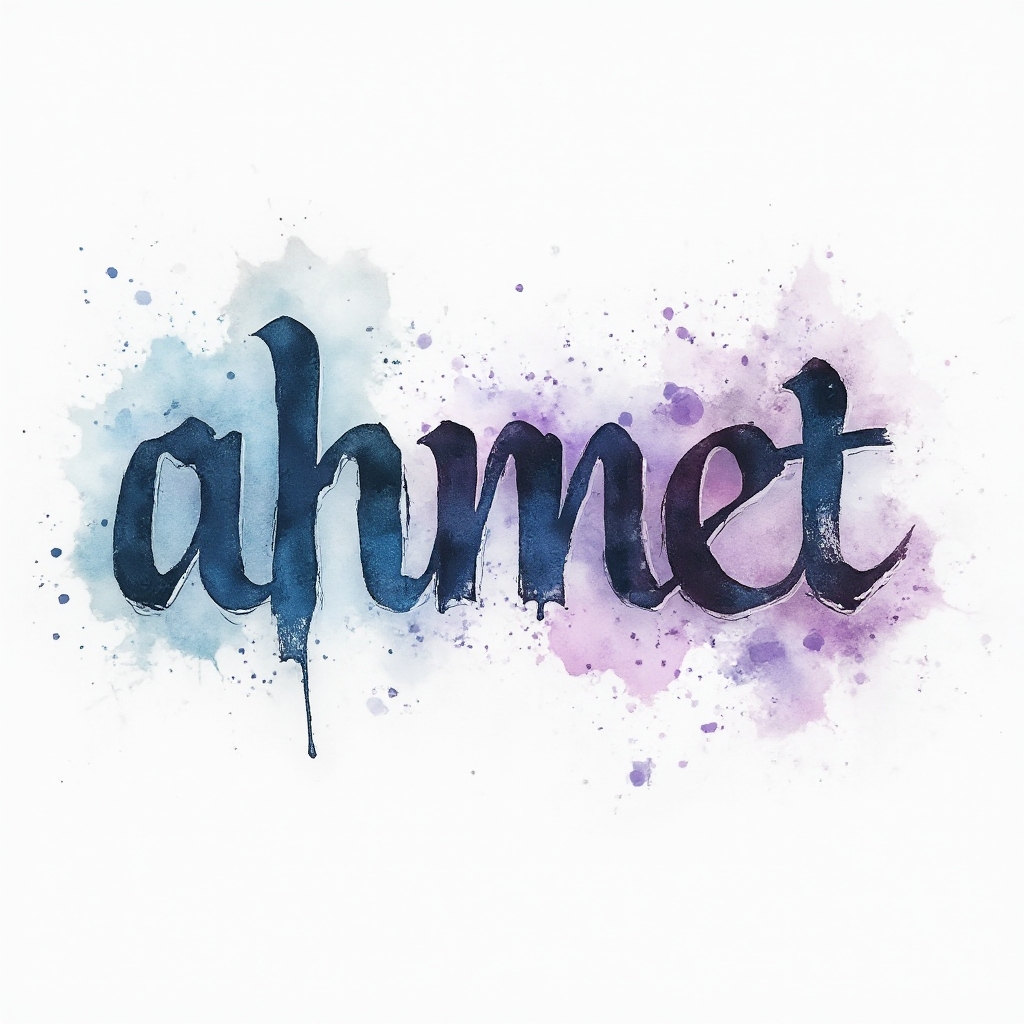
Watercolor Flow

Surreal Dreamscape
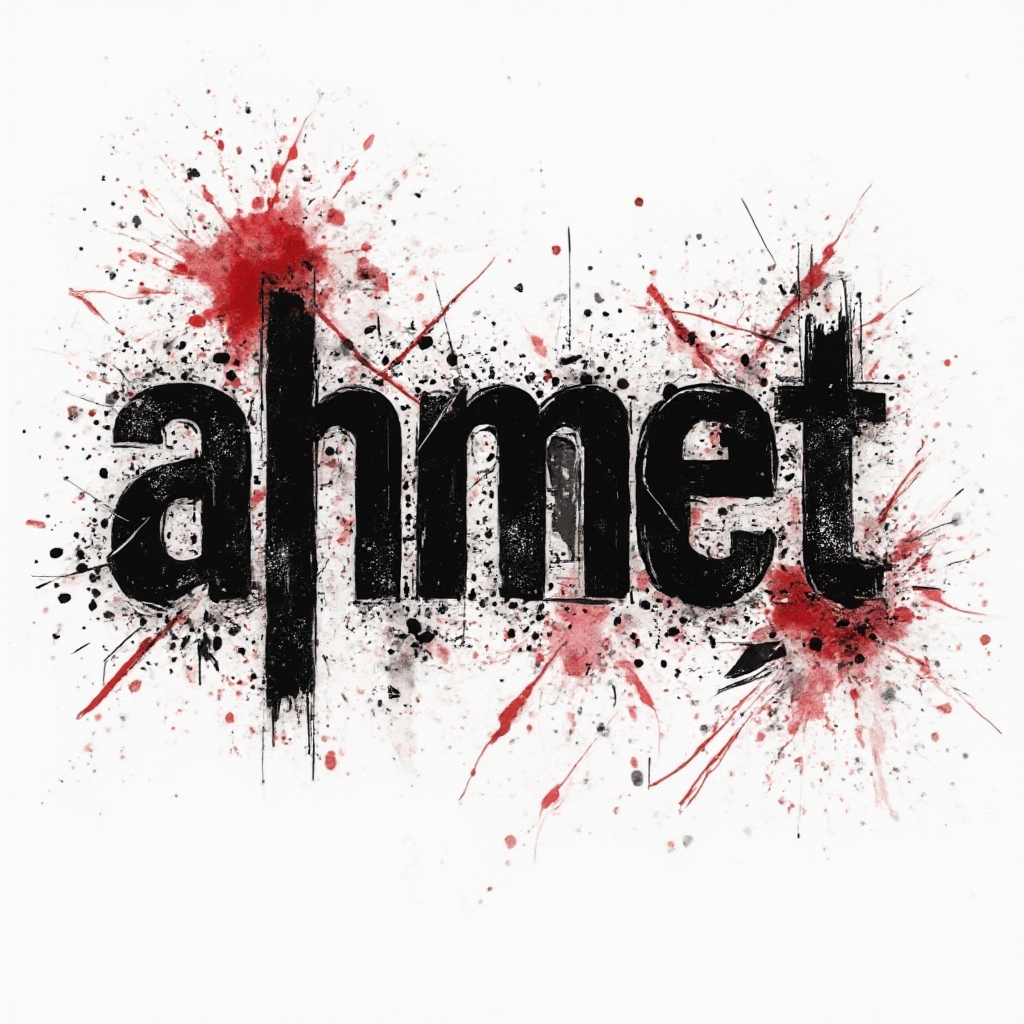
Trash Polka Chaos
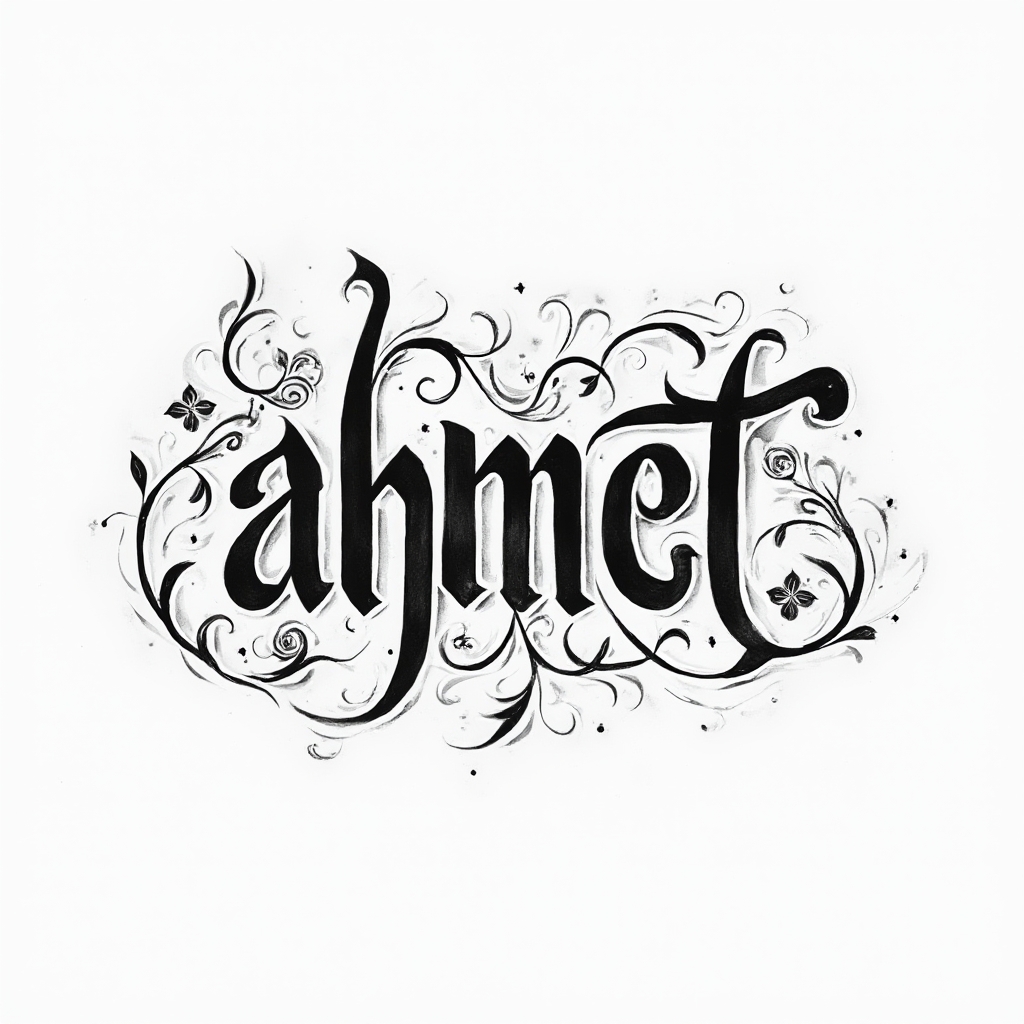
AI-Original-Style Fusion
Global distribution & gender ratio
Türkiye
97.24% of recorded usage
Female: 0.98% · Male: 99.02%
Cyprus
0.78% of recorded usage
Female: 1.08% · Male: 98.92%
Germany
0.27% of recorded usage
Female: 0.85% · Male: 99.15%
United States
0.18% of recorded usage
Female: 1.53% · Male: 98.47%
Iraq
0.09% of recorded usage
Female: 0.49% · Male: 99.51%
You may also like
Similar names
Mehmet
Mehmet is a traditional Turkish name closely related to Ahmet, often used synonymously for the Prophet Muhammad, symbolizing respect.Mustafa
Mustafa is another prominent name in Islamic tradition, recognized for its historical and religious significance akin to Ahmet.Kemal
Kemal shares a similar Turkish heritage, emphasizing eternal and perfect qualities, often chosen for its classic resonance.Hüseyin
Hüseyin, like Ahmet, stems from a deep Islamic tradition, derived from Hussein, reflecting strength and purity.Osman
Osman is a significant historical name, evoking the legacy of the Ottoman Empire, closely related to Ahmet's cultural heritage.Yusuf
Yusuf, like Ahmet, is widely used in Islamic cultures, linked to a prophetic figure known for his wisdom and beauty.Ali
Ali is a central name in Muslim countries, echoing qualities of nobility and valor similar to those associated with Ahmet.Hasan
Hasan is a common and revered name within Islamic heritage, emphasizing good qualities and beauty, paralleling Ahmet.Burak
Burak, another Turkish name, often signifies strength and resilience, aligning with the characteristics attributed to Ahmet.Emre
Emre is a modern Turkish name, representing friendship and brotherhood, often used in contemporary settings alongside Ahmet.