
Meaning of the Name Doğan
Cultural and Historical Origins of Doğan
Gender Use of the Name Doğan
Popularity of Doğan by Country and Over Time
Global Usage and Pronunciation of Doğan
Personality Traits Associated with Doğan
Visionary
Often seen as someone who can anticipate future trends and opportunities.
Determined
Tends to pursue goals with persistence and focus.
Independent
Values autonomy and personal freedom in decisions.
Courageous
Willing to take calculated risks and stand up for beliefs.
Protective
Shows loyalty and a strong instinct to safeguard loved ones.
Career Paths and Professional Orientation for Doğan
Entrepreneur
Drawn to building independent ventures and leading new projects.
Pilot or Aviation Professional
Symbolically aligned with flight and the skies.
Engineer
Uses analytical skills and focus to solve complex problems.
Strategist or Analyst
Excels in long-term planning and big-picture thinking.
Wildlife or Nature Specialist
Resonates with outdoor, environmental, or conservation work.
Unique and Interesting Facts About the Name Doğan
Dual Use as Surname
Doğan is common both as a first name and as a family name in Turkish-speaking regions.
Sports Associations
Several athletes and clubs use Dogan or Doğan in their names or mascots, emphasizing speed and agility.
Symbolic Animal
The falcon imagery linked to Doğan appears in Turkic folklore, emblems, and modern logos.
Spelling Variants
Outside Turkey, it is often written as Dogan to accommodate keyboards without Turkish characters.
Famous People Named Doğan
- Doğan Cüceloğlu: Renowned Turkish psychologist, author, and academic known for his work on personal development.
- Doğan Öz: Turkish prosecutor remembered for his investigations into political violence in the 1970s.
- Doğan Heper: Prominent Turkish journalist and columnist.
- Doğan Abukay: Turkish physicist recognized for contributions to superconductivity research.
How to Pronounce Doğan in Turkish
/doː.an/ — Doğan
- /doː/: a long "do" sound, with an extended "o" similar to “door” but without the final ‘r’.
- /.an/: short "ahn" sound, as in “an” in “ensemble.”
DOH-ahn
Tattoo Design Ideas for the Name Doğan
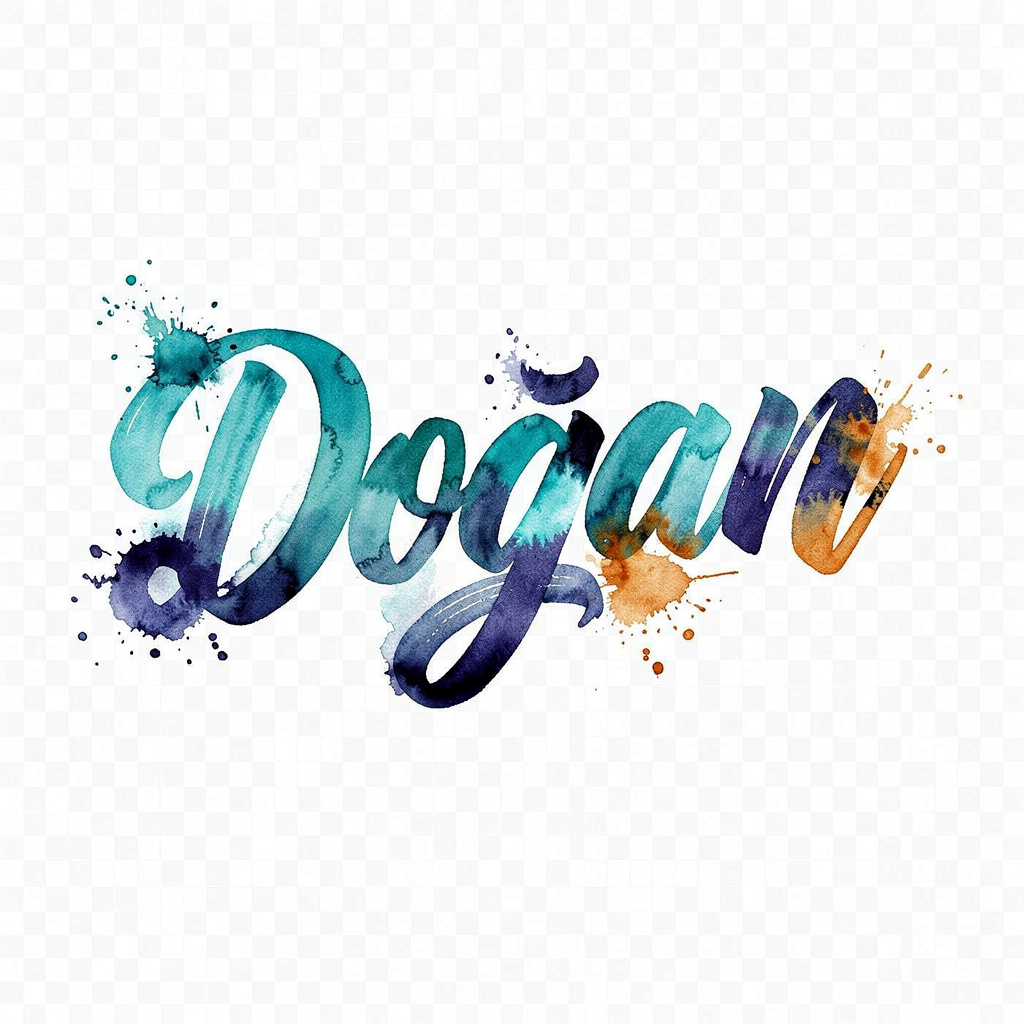
Watercolor Doğan Name Tattoo Design
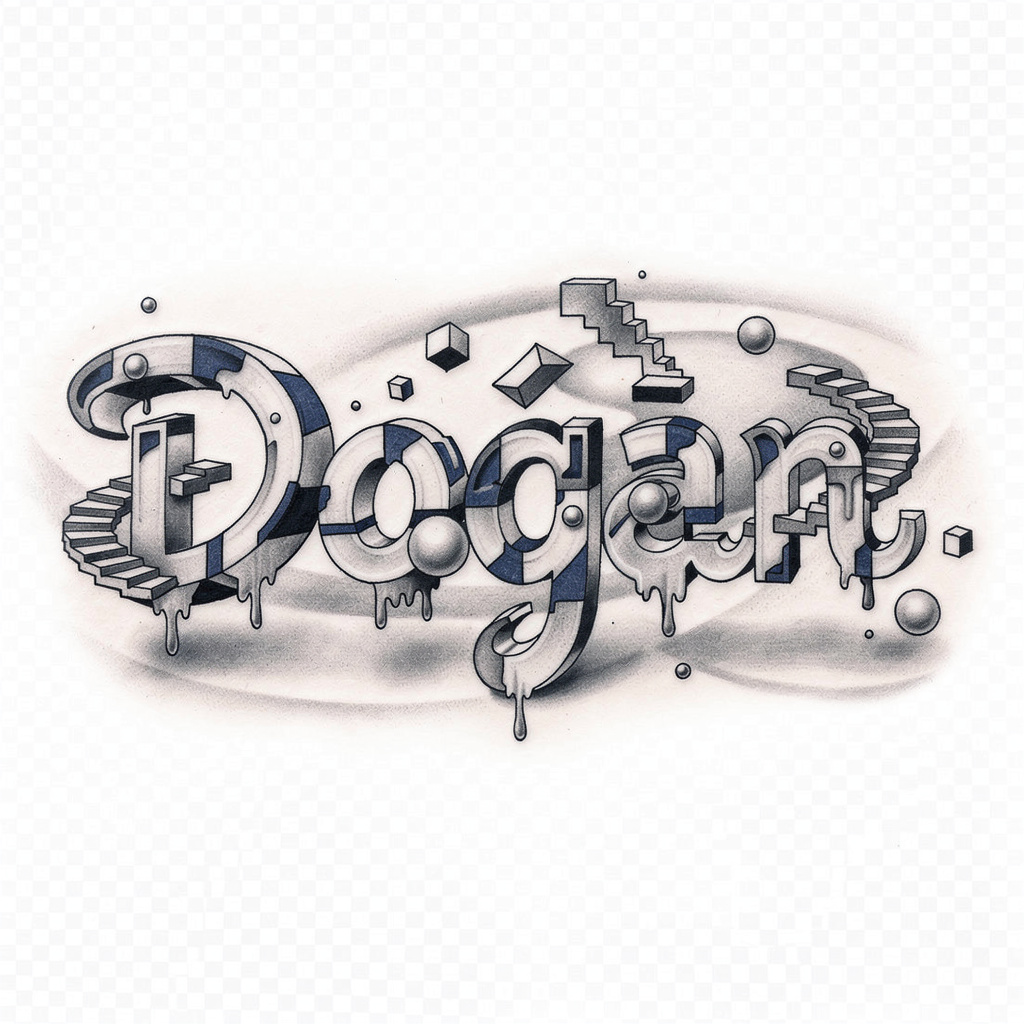
Surrealist Doğan Name Tattoo Concept
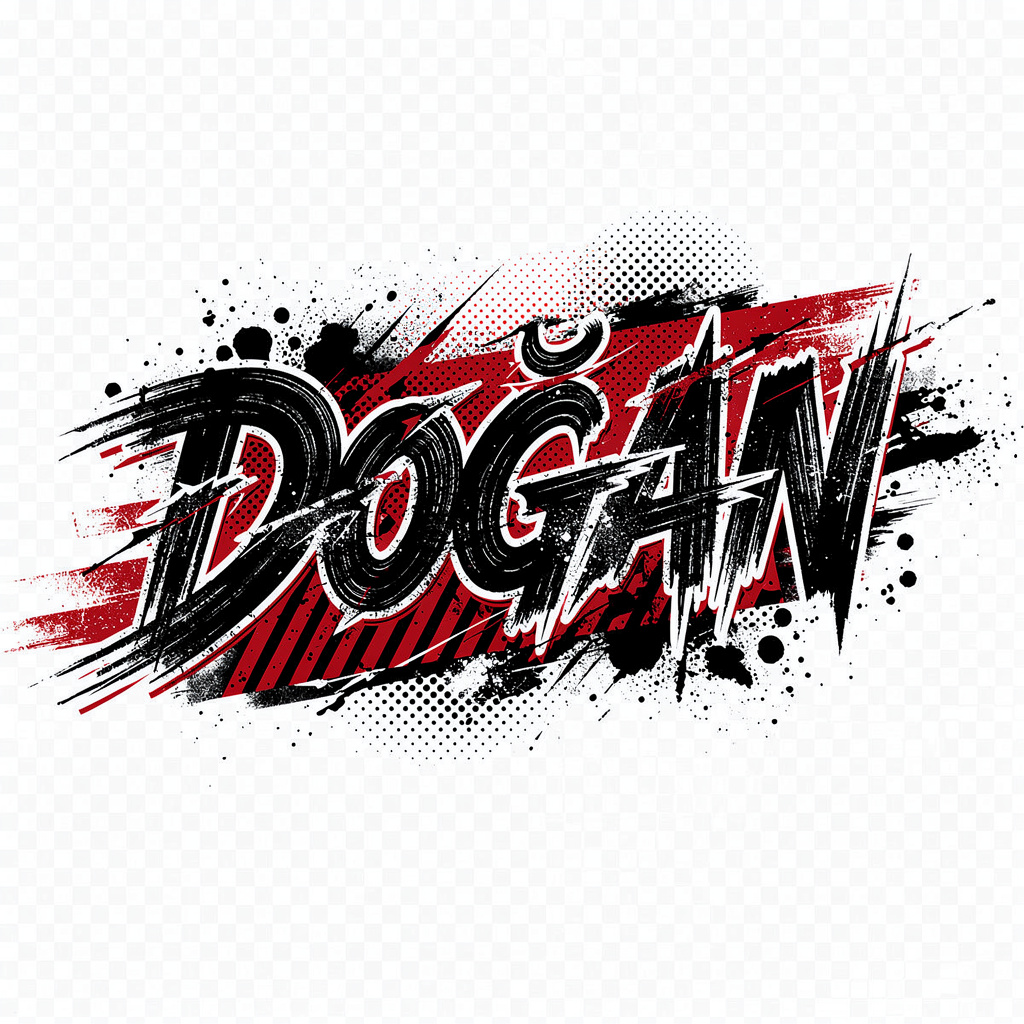
Trash Polka Doğan Name Tattoo Artwork
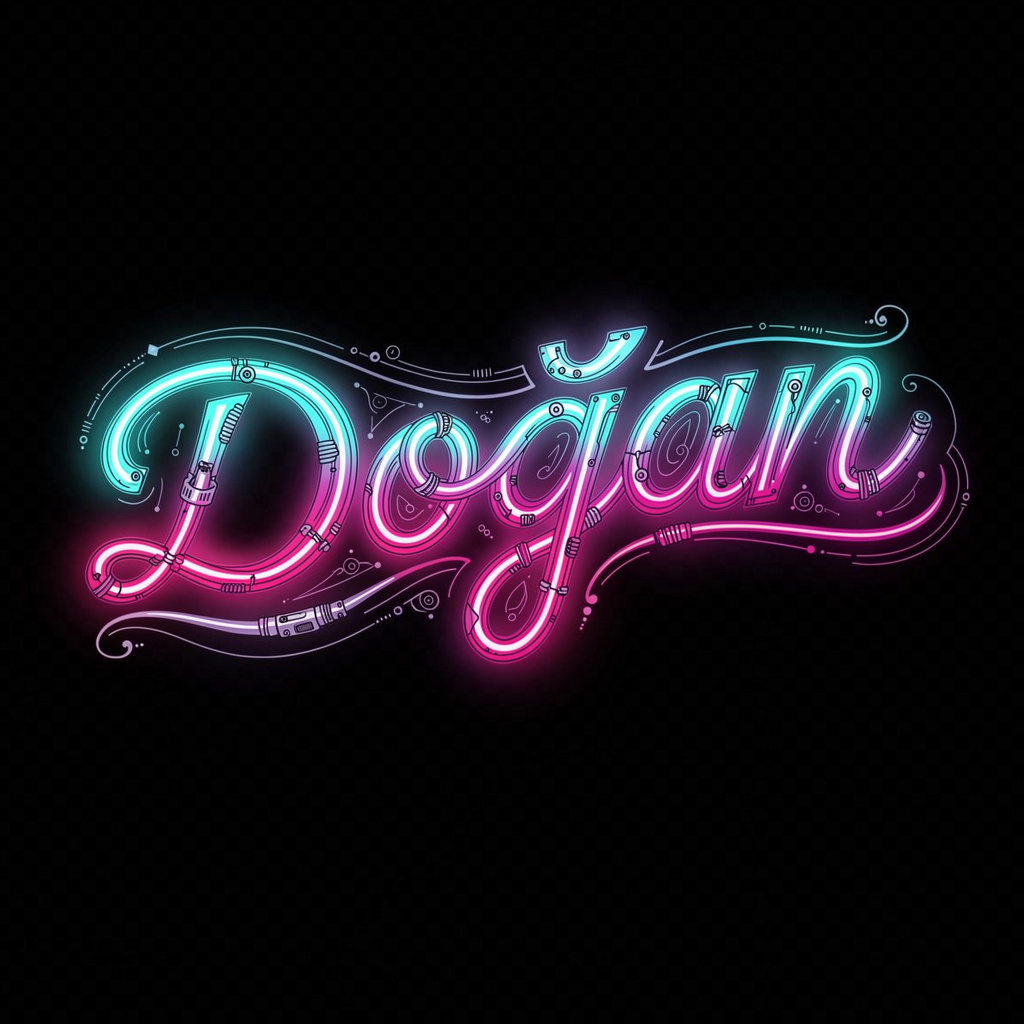
Luminis-Flux Doğan Name Tattoo Style
Global distribution & gender ratio
Türkiye
97.69% of recorded usage
Female: 1.73% · Male: 98.27%
Cyprus
0.86% of recorded usage
Female: 0.00% · Male: 100.00%
Germany
0.20% of recorded usage
Female: 5.88% · Male: 94.12%
Saudi Arabia
0.10% of recorded usage
Female: 0.00% · Male: 100.00%
Iraq
0.08% of recorded usage
Female: 0.00% · Male: 100.00%
You may also like
Similar names
Dorağan
A rare variant with a similar sound, sometimes interpreted with associations of strength and nobility.Doğuş
Another Turkish name evoking birth and new beginnings, sharing a similar phonetic and cultural background.Doğu
Means east in Turkish and carries connotations of rising and dawn.Doruk
A Turkish name meaning summit or peak, associated with success and achievement.Oğan
A Turkic-rooted name linked with leadership and tribal lineage.Okan
Modern Turkish name connected with wisdom and understanding.Doğanay
Compound Turkish name combining falcon imagery with dawn, evoking hope and light.Tuğrul
Historical Turkic name associated with a noble bird of prey, symbolizing power and authority.Onur
Turkish name meaning honor, often chosen for boys with aspirational virtues.Yaman
Name connoting strength, boldness, and a formidable character.
Frequently asked questions about doğan
What is the meaning of the name Doğan?
Doğan is a Turkish name meaning 'falcon', symbolizing speed, vision, and nobility, and is often associated with strength and courage.
What is the origin of the name Doğan?
The name Doğan comes from Turkish and Old Turkic roots, where the falcon held cultural importance for nomadic steppe peoples and later became a popular modern given name and surname.
Is Doğan a male or female name?
Doğan is primarily used as a male name in Turkey, though in international contexts it can be perceived as a strong, nature-inspired unisex name.
How do you pronounce Doğan?
In Turkish, Doğan is pronounced roughly as DOH-ahn, with a long 'o' and a soft 'ğ' that lengthens the preceding vowel rather than forming a hard consonant sound.
How popular is the name Doğan?
Doğan is moderately popular in Turkey but relatively rare internationally, where it mainly appears in Turkish diaspora communities in countries such as Germany, Austria, and the Netherlands.