
Meaning of the Name Edmond
Origin and History of Edmond
Gender Usage of Edmond
Popularity of Edmond
Global Usage and Pronunciation of Edmond
Personality Traits Associated with Edmond
Protective
Often seen as a natural guardian who looks out for others.
Reliable
Known for dependability and a strong sense of duty.
Thoughtful
Tends to be reflective, considering consequences before acting.
Ambitious
Aims for steady progress, valuing long-term success.
Dignified
Carries a calm, composed presence in social situations.
Professional Life and Careers for Edmond
Leader or Executive
Drawn to roles where strategic decisions and responsibility are central.
Legal or Judicial Professions
Suited to law, policy, or mediation, where fairness and protection matter.
Finance and Management
May thrive in banking, investment, or organizational leadership.
Academia and Research
Attracted to thoughtful, analytical work in universities or think tanks.
Public Service
Roles in civil service or diplomacy can fit a protective, community-minded nature.
Unique and Interesting Facts About Edmond
Literary Resonance
Frequently chosen for characters in classic and modern literature, adding an intellectual aura.
Historic Depth
Linked to medieval and early modern figures, giving it a noble, time-tested flavor.
International Variants
Related forms like Edmund, Edmondo, and Edmundo show its adaptability across languages.
Underused Classic
Familiar yet rare, it offers distinctiveness without sounding invented or trendy.
Famous People Named Edmond
- Edmond Rostand: French poet and playwright, best known for “Cyrano de Bergerac.”
- Edmond Halley: English astronomer and mathematician, namesake of Halley’s Comet.
- Edmond O'Brien: American actor and Academy Award winner.
- Edmond Jabès: Egyptian-born French writer and poet.
- Edmond Butler: Irish nobleman and soldier from the 17th century.
How to Pronounce Edmond in Old English–French Tradition
/ˈɛdmənd/ — Edmond
- /ˈɛd/: "ed" as in “bed,” stressed.
- /m/: a clear "m" sound, lips together.
- /ənd/: a soft "mənd," where the final "d" is light or almost silent in some accents.
ED-mənd
Tattoo Design Ideas Featuring the Name Edmond
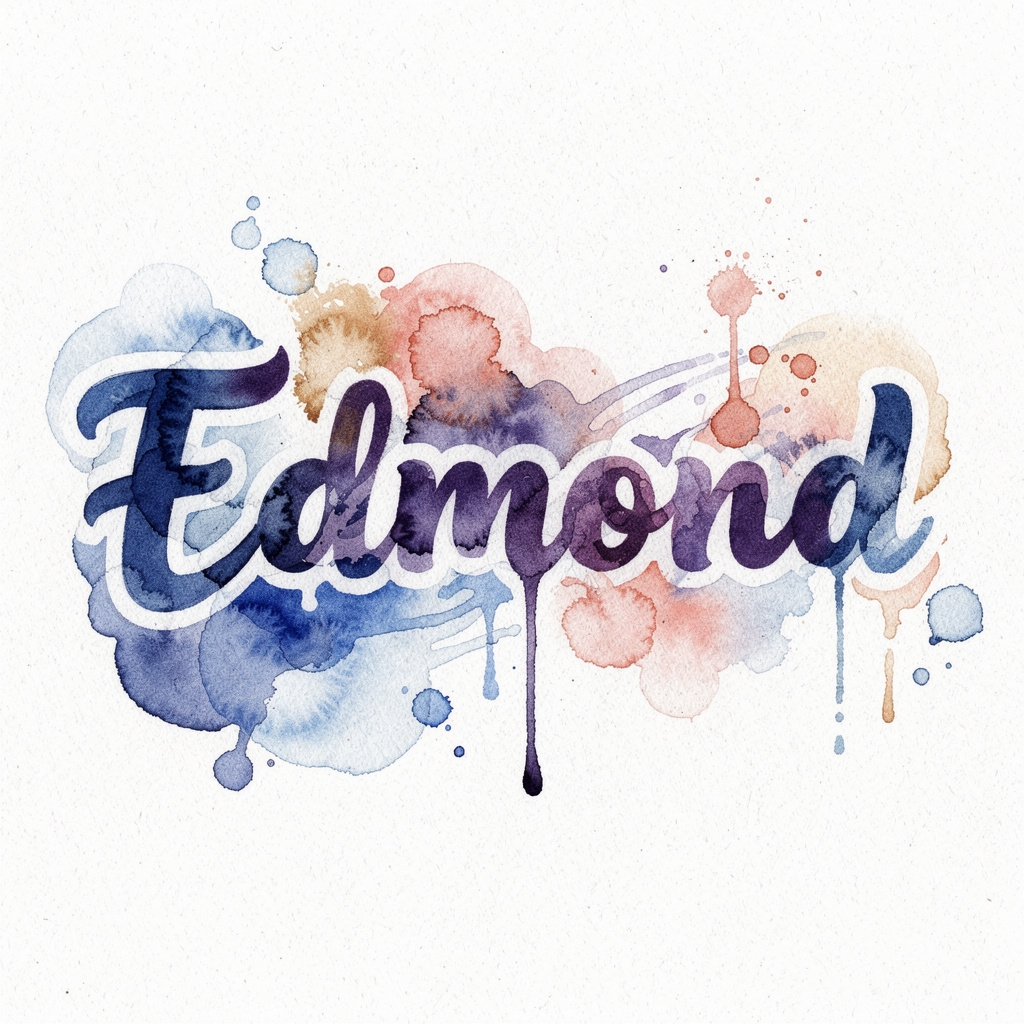
Watercolor Edmond Name Tattoo Design
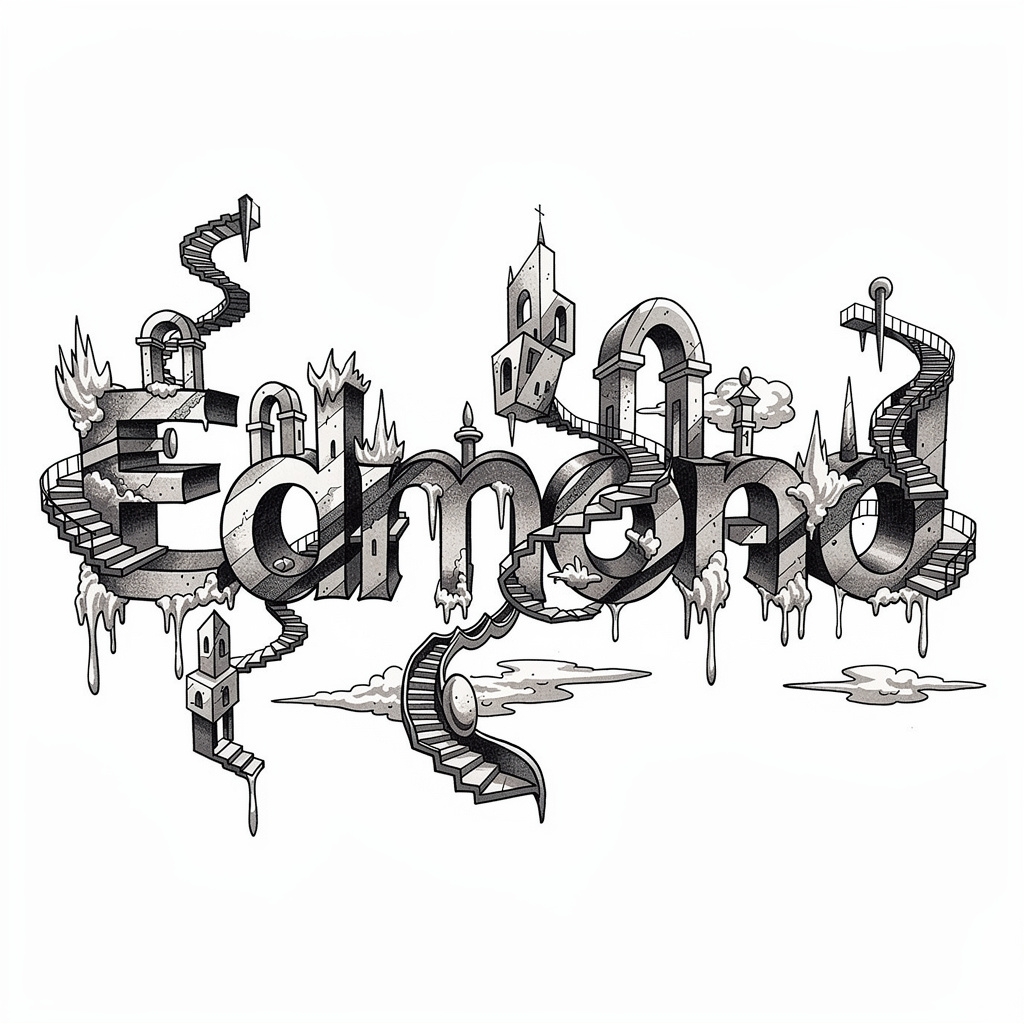
Surreal Edmond Name Tattoo Concept
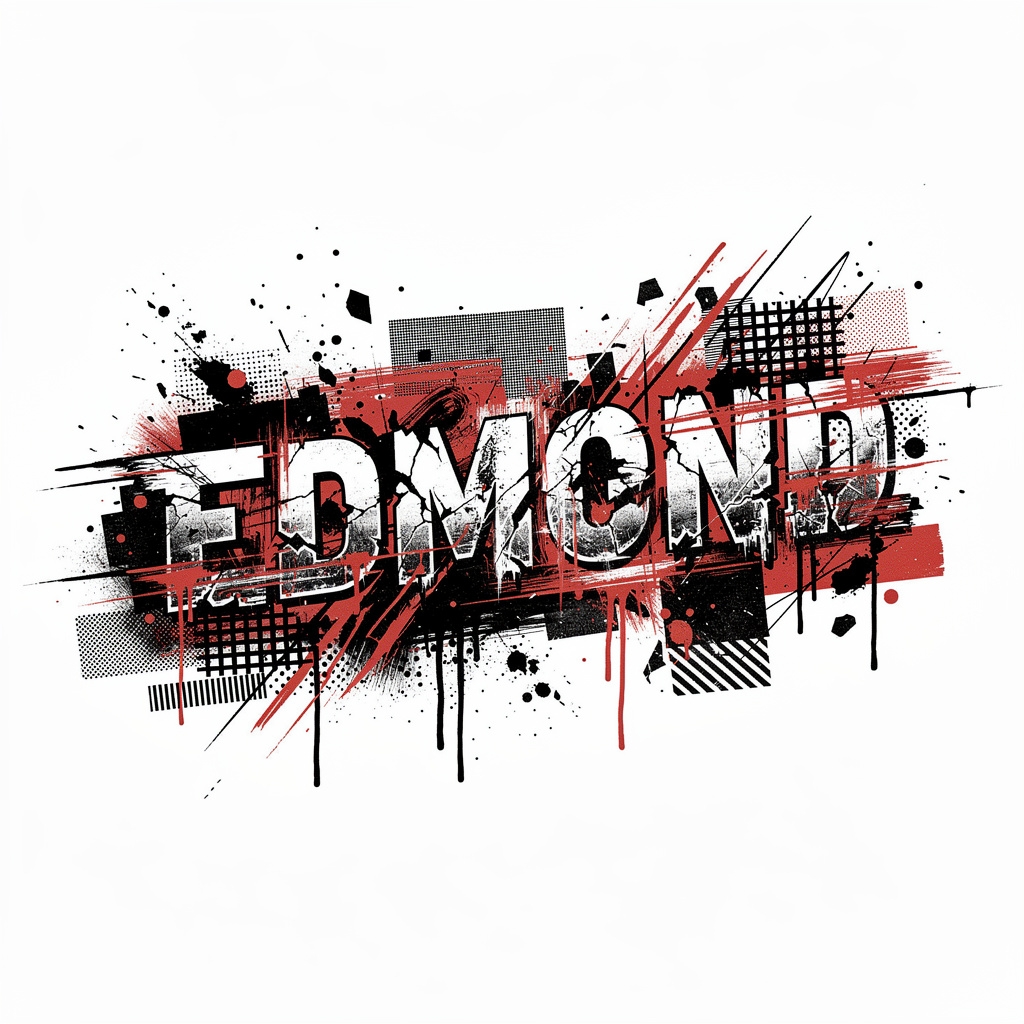
Trash Polka Edmond Lettering Tattoo
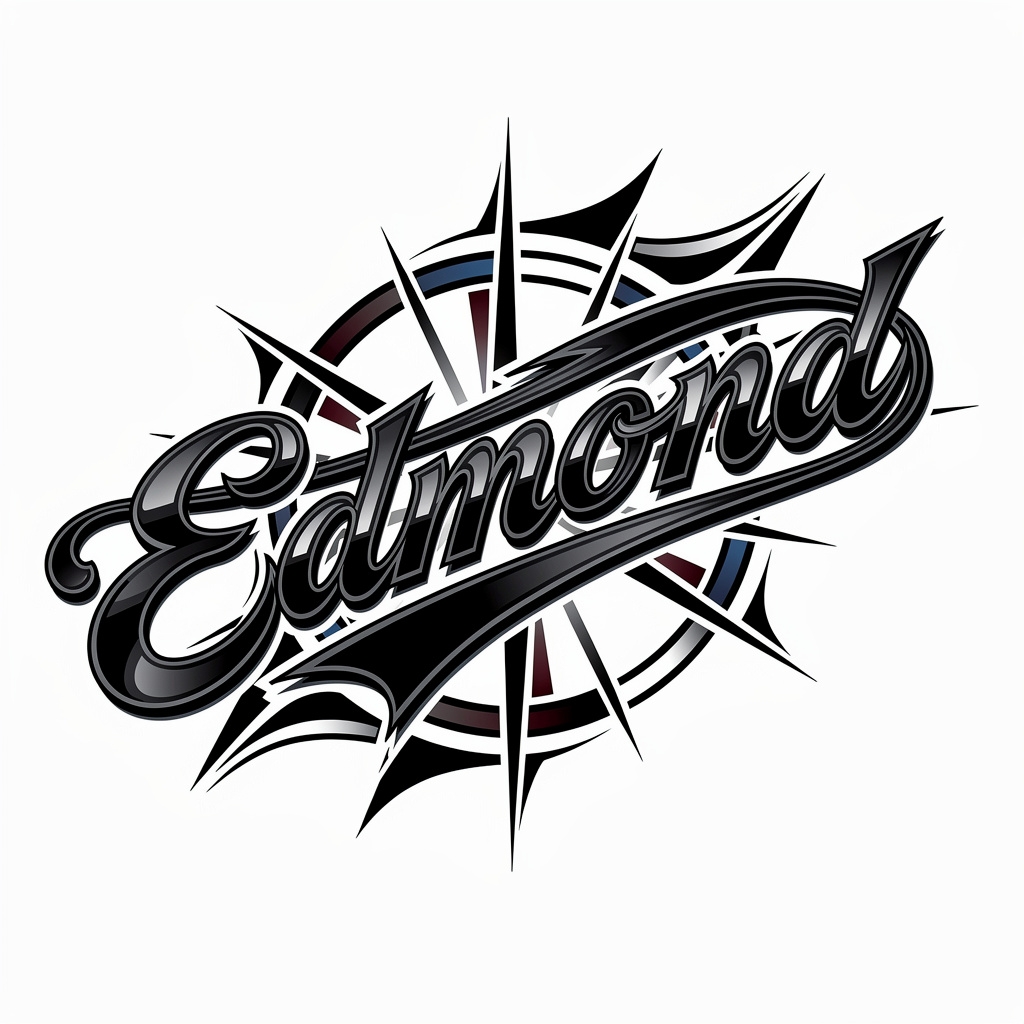
NeoFlux Edmond Signature – AI-Original-Style Tattoo
Global distribution & gender ratio
Malaysia
24.63% of recorded usage
Female: 0.00% · Male: 100.00%
United States
21.67% of recorded usage
Female: 0.85% · Male: 99.15%
Philippines
7.41% of recorded usage
Female: 0.00% · Male: 100.00%
Indonesia
4.63% of recorded usage
Female: 0.00% · Male: 100.00%
Hong Kong SAR China
4.63% of recorded usage
Female: 0.00% · Male: 100.00%
You may also like
Similar names
Edmund
Classic variant meaning wealthy protector, widely used in English-speaking countries.Edmundo
Romantic-sounding form with the same core sense of prosperous guardian, common in Spanish and Portuguese contexts.Edmondo
Italian version preserving the idea of a rich protector with a melodic ending.Edward
Related traditional name conveying wealth and guardianship, long favored among royalty and nobility.Edwin
Old English name combining concepts of riches and friendship, similar in style and history.Edgar
Name with roots meaning wealth and spear, sharing the same dignified, vintage tone.Ederson
Modern-sounding name tied to the idea of a wealthy son, stylistically close through the “Ed-” element.Desmond
Irish name with a comparable classic feel and hints of noble lineage.Raymond
Traditional name suggesting wise protector, echoing protective and prosperous themes.Sigmund
Name with Germanic roots linked to victory and protection, thematically aligned with guardianship.
Frequently asked questions about edmond
What does the name Edmond mean?
Edmond generally means ‘wealthy protector’ or ‘prosperous guardian,’ combining ideas of prosperity and protection.
What is the origin of the name Edmond?
The name Edmond has Old English and Norman roots and is closely related to the traditional English name Edmund.
Is Edmond a boy or girl name?
Edmond is used primarily as a masculine given name, though some parents may adapt it creatively in gender-neutral contexts.
How popular is the name Edmond?
Edmond was more popular in the early 20th century and is now a relatively rare, vintage-style name chosen by parents who prefer underused classics.
How do you pronounce Edmond?
In English, Edmond is usually pronounced ‘ED-mənd,’ while French-influenced usage may sound closer to ‘ED-mohn.’