
Meaning of the Name Ekaterina
Origin of the Name Ekaterina
Gender Association of the Name Ekaterina
Popularity of the Name Ekaterina
Global Usage of the Name Ekaterina
Characteristic Features of People Named Ekaterina
Graceful
Individuals named Ekaterina often exude a sense of elegance and poise. They carry themselves with a calm demeanor that can make them approachable and admirable in social settings.
Intelligent
Known for their keen intellect, Ekaterinas are often recognized for their ability to think critically and solve problems efficiently. They excel in academic pursuits and professional environments.
Empathetic
With a strong sense of empathy, Ekaterinas are often in tune with the feelings and needs of others. They are considered excellent listeners and provide thoughtful advice and support when needed.
Strong-willed
Determined and resilient, people named Ekaterina do not shy away from challenges. They are driven to achieve goals and often exhibit leadership qualities, inspiring those around them.
Creative
Many Ekaterinas have a penchant for creativity, expressing themselves through art, music, or writing. This creative flair adds an enriching dimension to their personality.
Common Career Paths for People Named Ekaterina
Academic/Research
Ekaterinas often excel in academic careers, where they can leverage their intelligence and diligence. Fields like science, economics, and history may be particularly appealing.
Arts
With their creative nature, Ekaterinas may be drawn to careers in the arts, including painting, music, dance, or writing. They can express their creativity while pursuing their passion.
Healthcare
The empathetic streak that runs through many Ekaterinas makes them well-suited for careers in healthcare. They often thrive as nurses, doctors, psychologists, and caregivers.
Leadership Roles
Strong-willed and charismatic, Ekaterinas often pursue leadership positions. They might find success in business management, politics, or other roles that require strong decision-making skills.
Social Work
Driven by compassion and a desire to help others, Ekaterinas might find fulfillment in social work. They can provide vital support to those in need and help create positive community changes.
Unique and Interesting Characteristics of the Name Ekaterina
Historical Significance
Ekaterina has a rich history, often associated with royalty and nobility in Russia. Notable figures like Empress Catherine the Great heavily popularized the name.
Cultural Variance
The name Ekaterina has various spellings and forms across cultures, such as Catherine and Katrina, each carrying unique traits yet sharing a similar essence.
Pop Culture Presence
Ekaterina appears in literature, films, and television. Its representation often embodies grace and strength, further enhancing its appeal.
Linguistic Beauty
The name Ekaterina, with its melodic and elegant sound, is appealing in various linguistic contexts, highlighting the beauty of Slavic language influences.
Famous Bearers
Several athletes, musicians, and artists named Ekaterina have achieved fame, further cementing the name's association with talent and success.
Famous People Named Ekaterina
- Ekaterina Gordeeva: Renowned Russian figure skater
- Ekaterina Makarova: Professional Russian tennis player
- Ekaterina Alexandrova: Russian tennis player
- Ekaterina Klimova: Russian actress
- Ekaterina Zubareva: Russian singer and actress
Ekaterina Artistic Name Tattoo Concepts
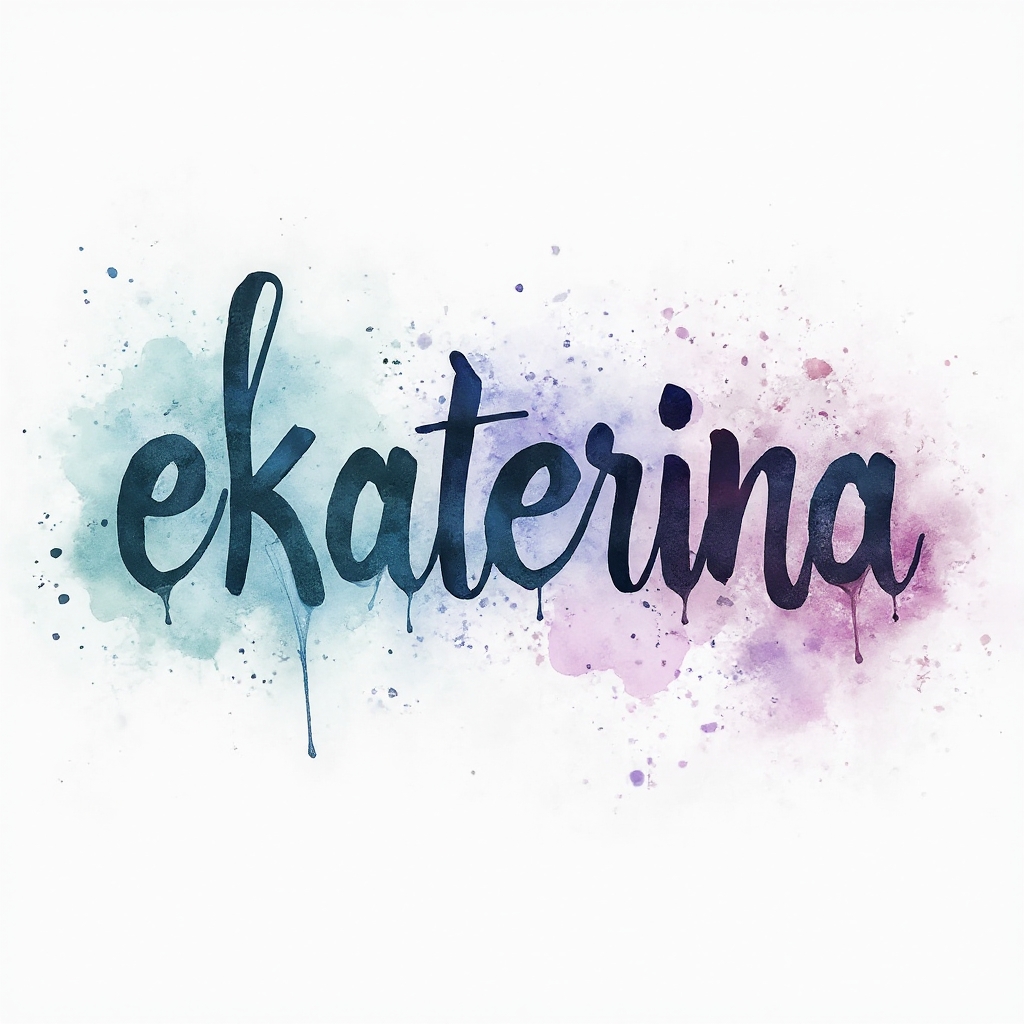
Ekaterina Watercolor Ink Splash Tattoo Concept

Ekaterina Surrealism Dreamscape Lettering Tattoo

Ekaterina Trash Polka Bold Contrast Tattoo Concept

Ekaterina AI-Original-Style Dimensional Script Tattoo
Global distribution & gender ratio
Russia
72.96% of recorded usage
Female: 99.60% · Male: 0.40%
Ukraine
7.48% of recorded usage
Female: 98.79% · Male: 1.21%
United States
2.08% of recorded usage
Female: 99.45% · Male: 0.55%
Belarus
1.85% of recorded usage
Female: 100.00% · Male: 0.00%
Bulgaria
1.25% of recorded usage
Female: 99.09% · Male: 0.91%
You may also like
Similar names
Katerina
A Greek derivative, representing purity and often used synonymously with Ekaterina.Yekaterina
A Russian variation with similar meanings of innocence and purity.Katherine
An English form rooted in Greek origins, popular for its association with grace and nobility.Katerina
A common Slavic variant widely embraced for its elegant sound and meaning, also signifying purity.Catherine
This classic name is globally recognized, symbolizing pure and innocent, with royal historical associations.Katya
A diminutive form that signals warmth and affection, often representing joy and innocence.Ekaterini
A Greek version connecting to the original roots of pure meanings, often linked to Greek heritage.Catalina
In Spanish, this name holds similar themes, including innocence and elegance, paralleling Ekaterina’s characteristics.Catarina
Widely used in Portuguese and Italian cultures, denoting purity and admired for its melodic nature.Kateryna
A Ukrainian variant aligning with the broader Slavic tradition, often reflecting pureness and refined virtue.
Frequently asked questions about ekaterina
What is the meaning of the name Ekaterina?
The name Ekaterina is often associated with meanings of purity and innocence, reflecting noble characteristics.
Where does the name Ekaterina originate?
Ekaterina originates from the Greek name 'Aikateriné', which evolved through Russian culture and is common in Slavic nations.
What gender is the name Ekaterina associated with?
Ekaterina is predominantly a female name, especially popular in cultures like Russian and Greek.
How popular is the name Ekaterina?
Ekaterina is quite popular in Eastern Europe, especially in Russia, though it has risen in multicultural communities globally.
How is the name Ekaterina used globally?
Ekaterina is widely used in Slavic cultures and has variations in pronunciation and spelling across different languages like Bulgarian and Greek.
What are common career paths for people named Ekaterina?
Ekaterinas often excel in academics, the arts, healthcare, leadership, and social work due to their intelligence and creativity.
What are the characteristic features of individuals named Ekaterina?
Ekaterinas are known for qualities such as grace, intelligence, empathy, strong will, and creativity.
What are some similar names to Ekaterina?
Similar names to Ekaterina include Katerina, Yekaterina, Katherine, Katya, Catalina, and Kateryna, each holding similar meanings of purity.
Who are some famous people named Ekaterina?
Famous individuals named Ekaterina include Ekaterina Gordeeva, a celebrated Russian figure skater, and Ekaterina Alexandrova, a professional tennis player.