
Meaning of the Name Erdal
Origin of the Name Erdal
Gender Association of the Name Erdal
Popularity of the Name Erdal
Global Usage of the Name Erdal
Characteristic Features of People Named Erdal
Leadership
Individuals named Erdal often embody natural leadership qualities, guiding and inspiring others towards common goals.
Stability
A sense of stability is a hallmark of Erdal, reflected in their reliability and steadfast nature.
Strength
Known for both physical and emotional strength, Erdal exemplifies resilience in the face of adversity.
Wisdom
With deep insights and understanding, those named Erdal often act as advisors within their communities.
Courage
Fearlessness in the pursuit of what is right is a strong attribute for Erdal, often tackling challenges head-on.
Common Career Paths for People Named Erdal
Leadership Roles
Erdal may be drawn to roles requiring strong guidance, such as managerial or executive positions.
Military and Defense
With attributes of strength and courage, Erdal often aligns with careers in defense or the military.
Entrepreneurship
A keen sense for opportunities and leadership can lead Erdal to pursue entrepreneurial ventures.
Public Service
The wisdom and stability of Erdal make them suited for careers in public administration or policy making.
Education and Teaching
With their wisdom and ability to inspire, many might pursue careers in education.
Unique and Interesting Characteristics of the Name Erdal
Origin in Literature
The name Erdal may appear in Turkish literature and historical texts, symbolizing strength and nobility.
Cultural Celebrations
Often included in cultural celebrations, the name carries historical significance across Turkish-speaking communities.
Film and Media
It might be noted in Turkish cinema as characters portraying leadership or resilience.
Public Figures
Various political or sports figures named Erdal may have impacted their fields and inspired others.
Symbolic Meanings
In various cultures, the name is associated with earth and land, reflecting a connection with nature.
Famous People Named Erdal
- Erdal İnönü: Turkish physicist and politician known for his work in science and governance.
- Erdal Beşikçioğlu: Acclaimed Turkish actor recognized for his roles in film and television.
- Erdal Özyağcılar: Renowned Turkish actor known for his performances in theatre and film.
Erdal Artistic Name Tattoo Collection
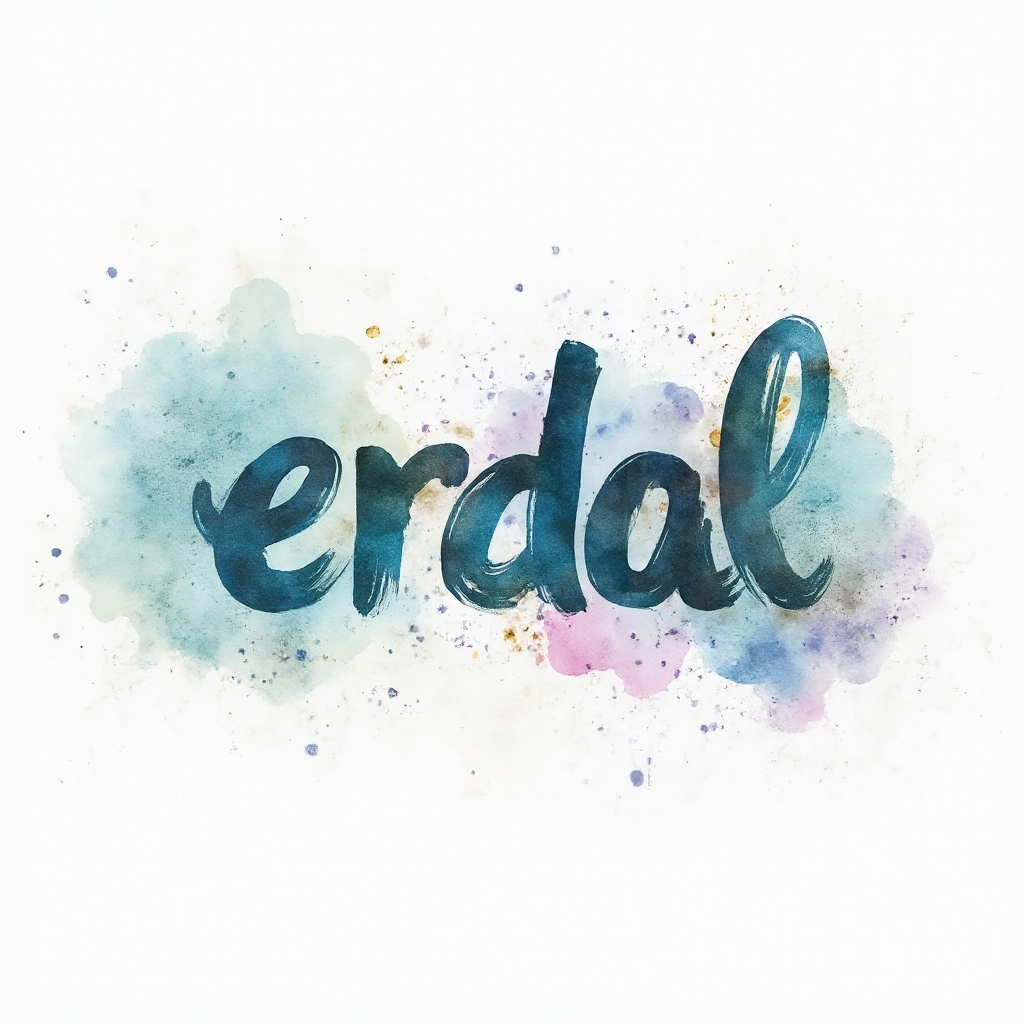
Erdal Watercolor Splash Lettering Tattoo Concept

Erdal Surreal Dreamscape Lettering Tattoo Concept
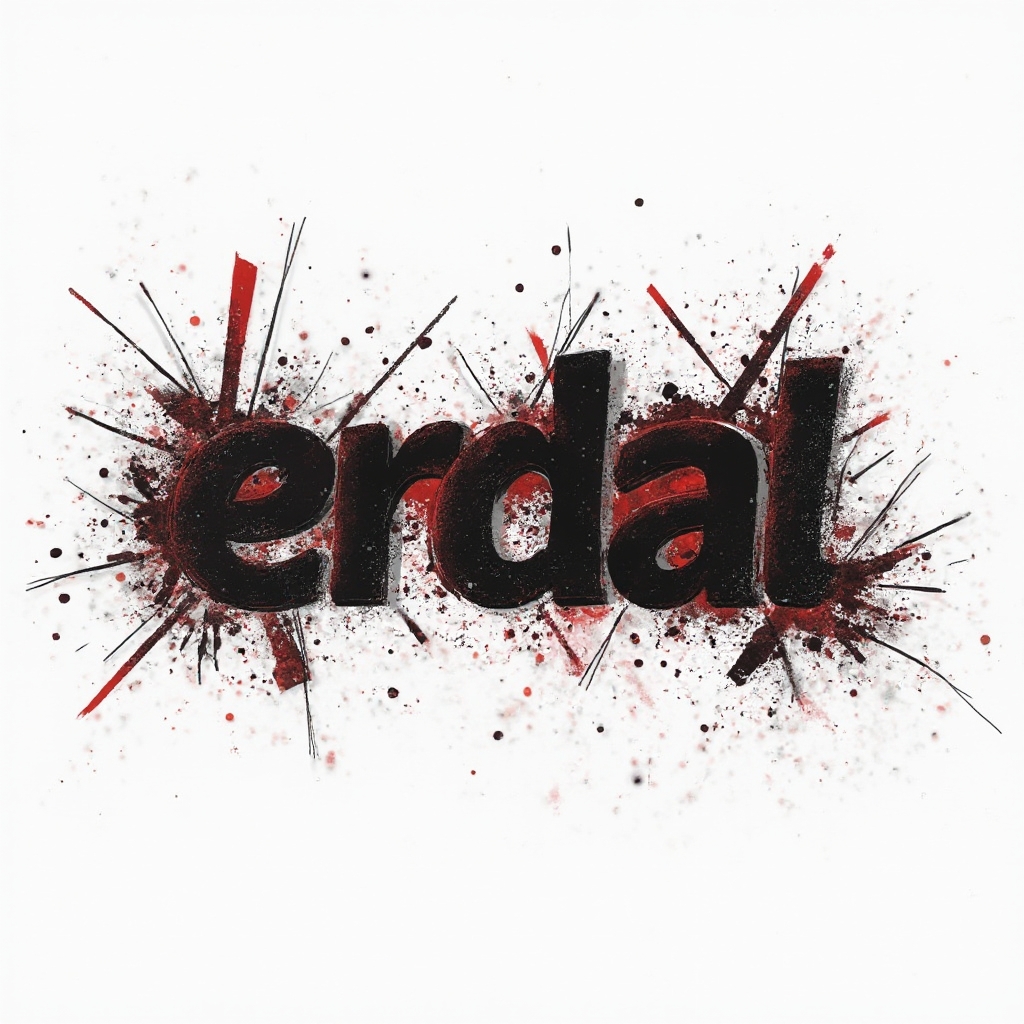
Erdal Trash Polka Name Composition Tattoo Concept
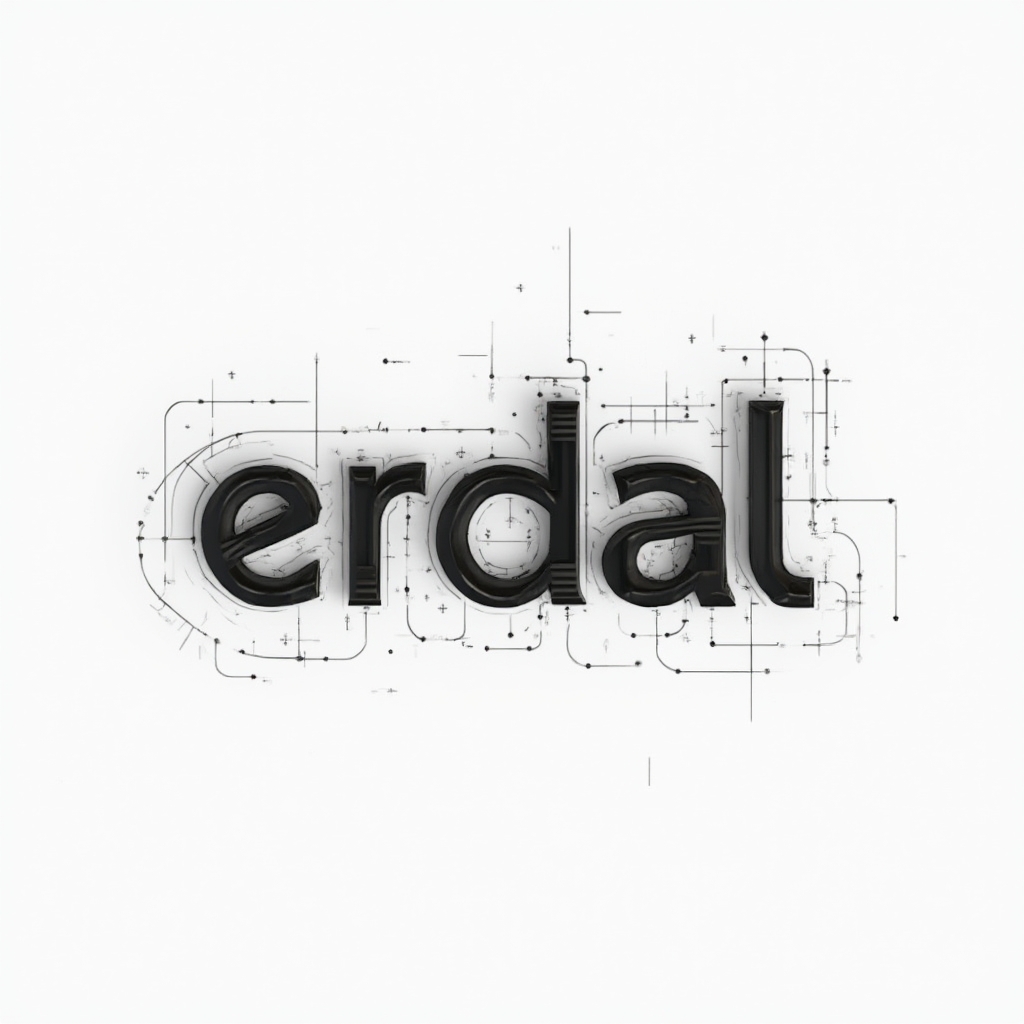
Erdal AI-Original-Style Abstract Name Structure Tattoo
Global distribution & gender ratio
Türkiye
96.96% of recorded usage
Female: 1.01% · Male: 98.99%
Cyprus
0.57% of recorded usage
Female: 1.02% · Male: 98.98%
Germany
0.42% of recorded usage
Female: 1.39% · Male: 98.61%
United States
0.21% of recorded usage
Female: 0.00% · Male: 100.00%
United Kingdom
0.15% of recorded usage
Female: 4.00% · Male: 96.00%
You may also like
Similar names
Eren
Eren shares a similar phonetic appeal and has Turkish origins. It means saint or hero.Emre
Like Erdal, Emre is prevalent in Turkey and means friendship or lover.Ege
Ege is another Turkish name with a geographic connection, symbolizing the Aegean sea.Erkan
Erkan, similar in style, means honor or esteem.Ercan
Another Turkish name, Ercan, signifies bravery and courage.Engin
Engin conveys a sense of vastness and depth, often interpreted as vast, big.Ender
Meaning rare or uncommon, Ender fits well within Turkish naming conventions.Efe
A popular Turkish name meaning brave or valiant.Ergin
Ergin signifies mature, serving as a moniker for responsibility and adulthood.Erman
With similarities to Erdal, Erman means brave man.
Frequently asked questions about erdal
What is the meaning of the name Erdal?
The name Erdal signifies strength, stability, and leadership, often associated with nobility.
Where does the name Erdal originate?
Erdal has its origins in Turkey, carrying cultural significance in Turkish-speaking communities.
Is Erdal a male or female name?
The name Erdal is predominantly associated with the male gender.
How popular is the name Erdal?
Erdal holds a favorable rank in Turkey and among Turkish-speaking diasporas, though globally fluctuates.
How is the name Erdal used globally?
Erdal is mainly used in Turkey, Germany, and other countries with significant Turkish communities.
What are common career paths for people named Erdal?
Individuals named Erdal are often drawn to leadership roles, public service, and military careers.
What are characteristic features of people named Erdal?
Erdal is associated with characteristics such as leadership, stability, strength, wisdom, and courage.
What are some similar names to Erdal?
Similar names include Eren, Emre, Ege, Erkan, Ercan, Engin, Ender, Efe, Ergin, and Erman.
Who are famous people named Erdal?
Famous individuals include Erdal İnönü, a Turkish physicist, and Erdal Beşikçioğlu, an acclaimed actor.