
Meaning of the Name Erik
Origin of the Name Erik
Gender Association of the Name Erik
Popularity of the Name Erik
Global Usage of the Name Erik
Characteristic Features of People Named Erik
Confident
Individuals named Erik often exude self-assurance and poise.
Leadership
They commonly display natural leadership skills, leading effectively.
Charismatic
Erik is typically charming, with a magnetic personality.
Intelligent
Known for their intellectual prowess, they excel in problem-solving.
Courageous
Erik stands out for bravery and a valiant spirit.
Compassionate
Often empathetic, Erik shows kindness and understanding to others.
Resourceful
They are adept at navigating challenges with innovative thinking.
Loyal
Erik is known for their unwavering loyalty to friends and family.
Common Career Paths for People Named Erik
Business Leader
Those named Erik often thrive in entrepreneurial roles.
Politics
Many Eriks are drawn to positions in governance or public service.
Technologist
Eriks frequently excel in IT and technological innovations.
Finance
They commonly pursue careers in finance or economics.
Education
Eriks often shine as educators or academic leaders.
Engineering
The name is linked to success in engineering fields.
Creative Writing
A number of Eriks find fulfillment in artistic and literary projects.
Military
Eriks are noted for their dedication and discipline in military careers.
Unique and Interesting Characteristics of the Name Erik
Monarchical Legacy
The name Erik is historically tied to Scandinavian royalty, particularly several kings of Sweden.
Pop Culture
Erik has been featured in various films and TV shows, reinforcing its cultural significance.
Viking Roots
Its origins are linked to the legendary Norse Vikings, embodying strength.
Literary Presence
The name appears in numerous literary works, symbolizing leadership.
Elegant Simplicity
Despite its straightforward nature, Erik holds an elegant allure.
Cross-cultural Adoption
Beyond Scandinavia, Erik has been embraced widely across different cultures.
Scientific Influence
Notables in science named Erik have propelled the name.
Famous People Named Erik
- Erik the Red: Norse explorer known for discovering Greenland
- Erik Erikson: Renowned developmental psychologist and psychoanalyst
- Erik Satie: Influential French composer and pianist
- Erik Karlsson: Professional NHL ice hockey player
- Erik Spoelstra: Notable American basketball coach, Miami Heat
Erik Artistic Name Tattoo Concepts

Erik Watercolor Splash Name Tattoo Concept

Erik Surrealism Dreamscape Name Tattoo Design
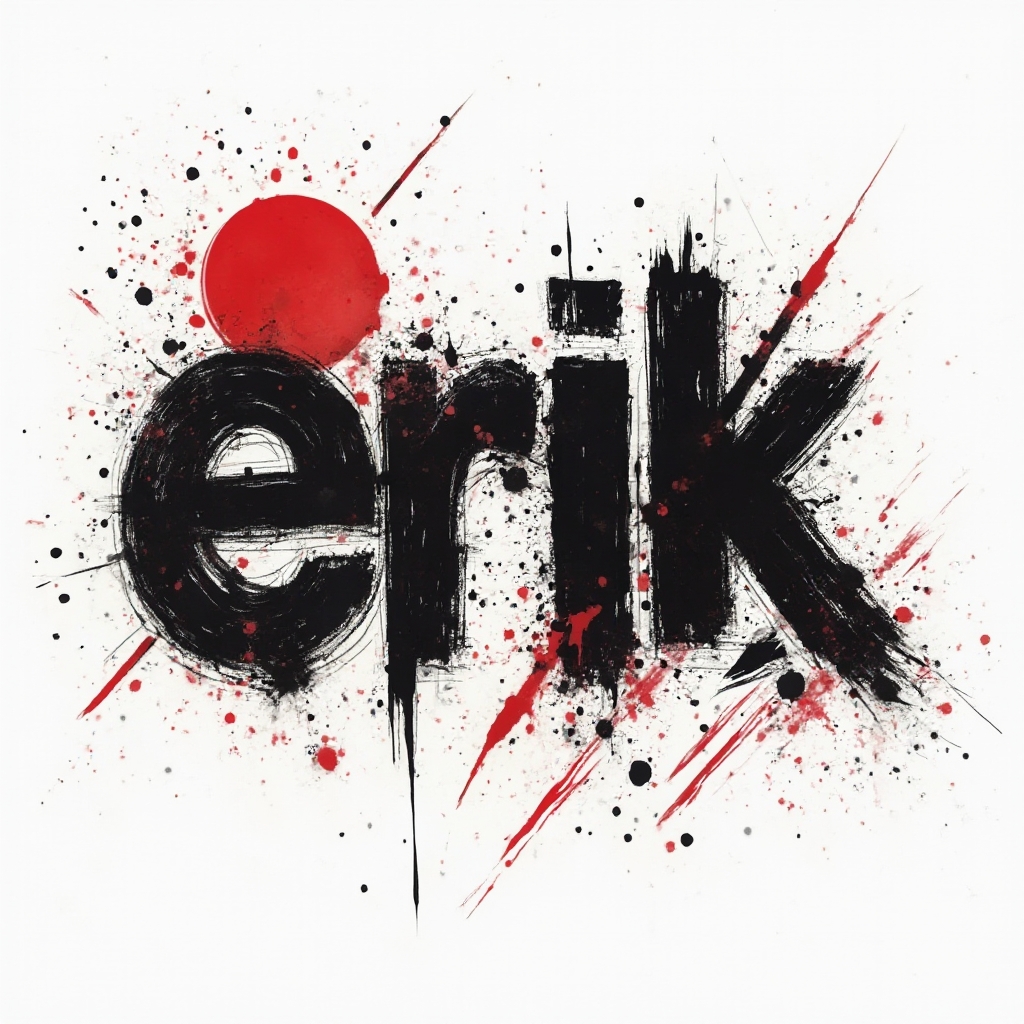
Erik Trash Polka Grunge Name Tattoo Concept

Erik AI-Original-Style Abstract Name Tattoo Concept
Global distribution & gender ratio
United States
39.50% of recorded usage
Female: 0.39% · Male: 99.61%
Mexico
15.20% of recorded usage
Female: 0.68% · Male: 99.32%
Brazil
9.11% of recorded usage
Female: 1.04% · Male: 98.96%
Netherlands
6.89% of recorded usage
Female: 0.38% · Male: 99.62%
Indonesia
6.50% of recorded usage
Female: 2.12% · Male: 97.88%
You may also like
Similar names
Eric
Eric is a variant of Erik, also meaning ruler, and shares similar Scandinavian roots.Arik
A name with Hebrew origins, Arik signifies lion of God and carries a sense of strength.Eirik
Norwegian form of Erik, Eirik means eternal ruler and is commonly used in Norway.Henrik
With similar roots, Henrik means home ruler and is popular across Europe.Frederik
Frederik, a name that implies peaceful ruler, shares cultural ties with Erik.Roderick
Meaning famous ruler, Roderick harmonizes with Erik's leadership essence.Merrick
Merrick, a name of Welsh origin, signifies ruler and aligns phonetically with Erik.Derick
A variant of Derek, Derick means ruler of the people and complements Erik well.Cedric
Cedric, meaning bountiful or leader, shares Erik's regal connections.Alaric
Name Alaric stands for ruler of all, resonating with Erik's historic nobility.
Frequently asked questions about erik
What does the name Erik mean?
The name Erik means 'ruler' or 'eternal ruler,' signifying leadership and nobility.
Where does the name Erik originate from?
Erik originates from Scandinavian countries, particularly Norway and Sweden, with Old Norse roots.
How is the name Erik perceived in terms of gender?
Traditionally a male name, Erik is widely associated with strong masculine connotations.
What is the popularity of the name Erik?
Erik is consistently popular in Scandinavia and Europe, maintaining a enduring appeal in those regions.
How is the name Erik used globally?
Globally, Erik is recognized in many cultures, with particular prevalence in European countries.
What are common career paths for people named Erik?
Eriks often excel in leadership roles, politics, technology, and education among other fields.
What are the characteristic features of people named Erik?
Typically, Eriks are characterized by confidence, leadership ability, charisma, and intelligence.
Who are some famous people named Erik?
Notable figures include Erik the Red, Erik Erikson, Erik Satie, Erik Karlsson, and Erik Spoelstra, among others.