
Meaning of the Name Esad
Origin and Historical Background of Esad
Gender of the Name Esad
Popularity of Esad
Global Usage and Pronunciation of Esad
Personality Traits Associated with Esad
Optimistic
Often seen as carrying a hopeful and forward-looking outlook on life.
Reliable
Associated with stability and a strong sense of responsibility.
Kind-hearted
Linked to empathy, compassion, and care for others.
Calm
Suggests a peaceful demeanor, even in challenging situations.
Wise
Frequently connected to thoughtful decisions and measured words.
Professional Tendencies for the Name Esad
Teacher
Reflecting patience, clarity, and a nurturing character.
Engineer
Connecting to structured thinking and problem-solving skills.
Doctor
Aligned with empathy, responsibility, and care for community well-being.
Entrepreneur
Suggesting initiative, resilience, and a drive for success.
Diplomat
Resonating with calmness, negotiation skills, and cross-cultural understanding.
Unique and Interesting Facts About Esad
Cultural Bridge
Esad appears in both Arabic and Balkan contexts, making it a cross-cultural connector.
Historical Presence
The name is found in records of Ottoman-era officials, scholars, and community leaders.
Modern Yet Traditional
It feels contemporary while preserving strong traditional and religious undertones.
International Mobility
Its short, clear sound helps Esad adapt easily across various languages and alphabets.
Famous People Named Esad
- Esad Kulović: Bosnian politician and former mayor of Sarajevo.
- Esad T. Ribić: Croatian comic book artist known for work with Marvel Comics.
- Esad Sejković: Bosnian footballer who played for several regional clubs.
- Esad Mekuli: Albanian poet and literary figure from Kosovo.
How to Pronounce Esad in Arabic
/ˈe.sad/ — أسعد
- /e/: like the "e" in "bed".
- /s/: clear "s" sound as in "see".
- /a/: open "a" as in "father" but shorter.
- /d/: voiced "d" as in "day".
EH-sahd
Tattoo Design Ideas Featuring the Name Esad
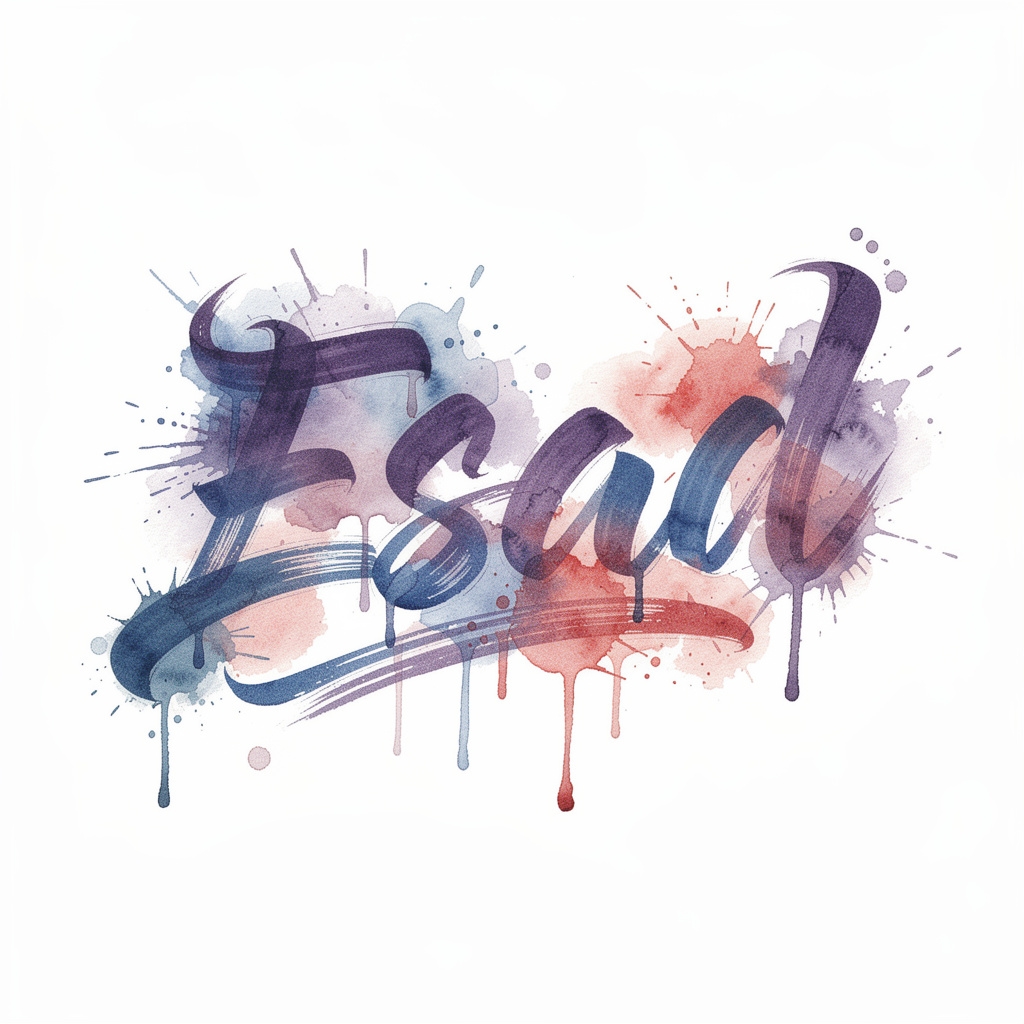
Watercolor Esad Name Tattoo Design
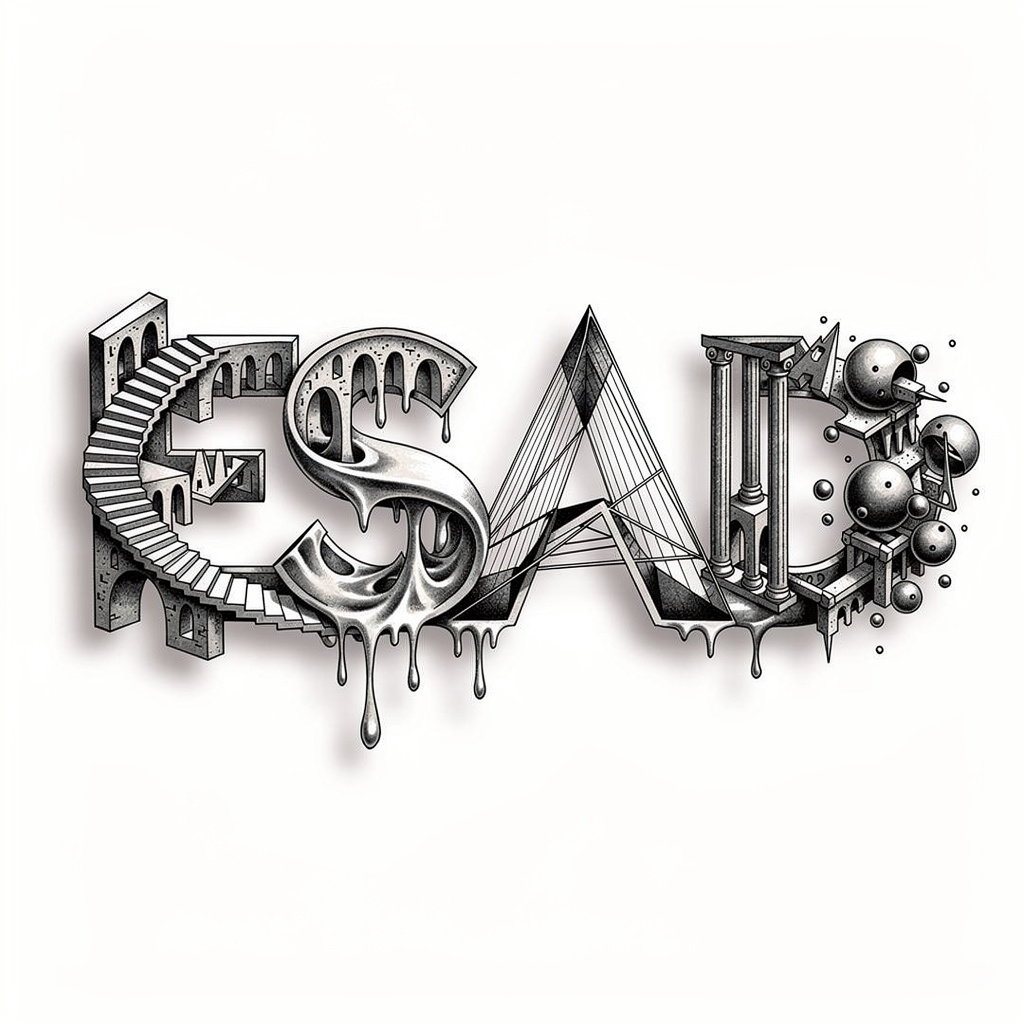
Surrealist Esad Name Tattoo Concept
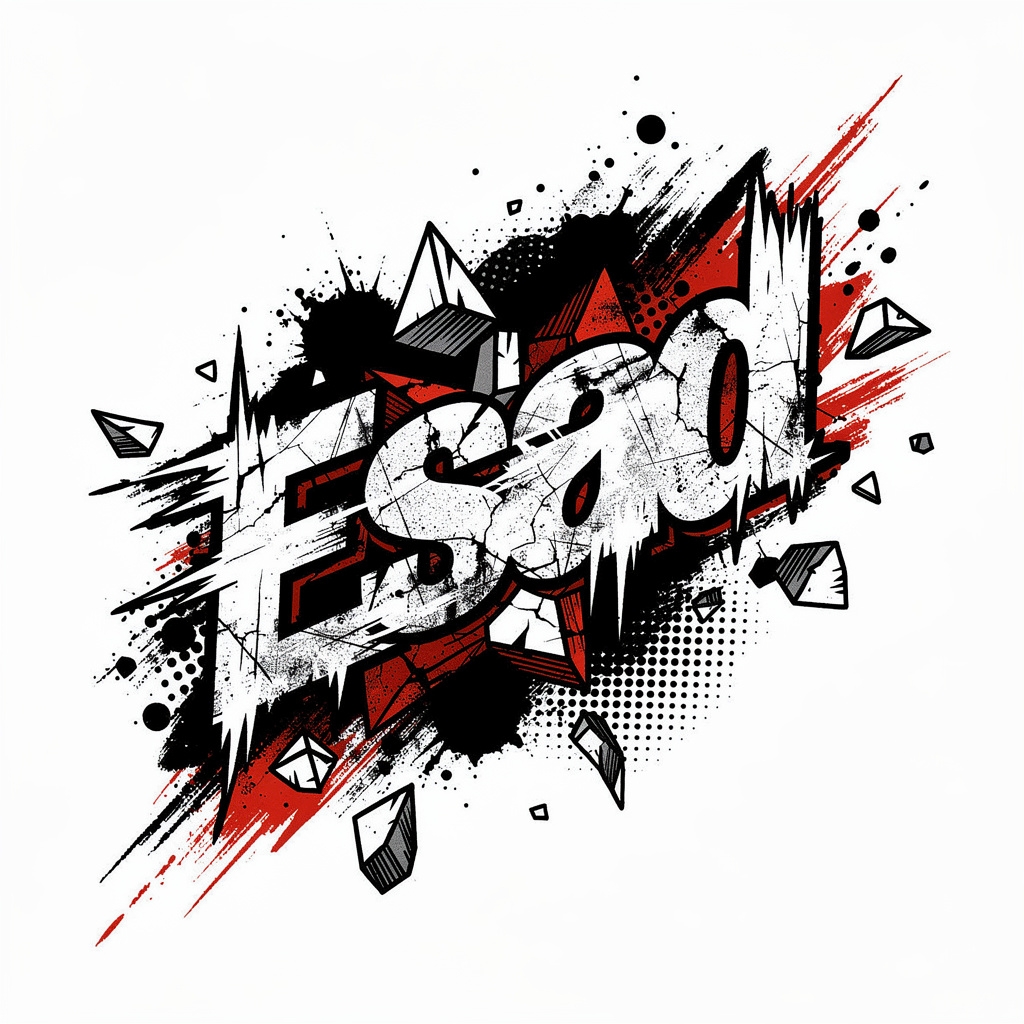
Trash Polka Esad Name Tattoo Artwork
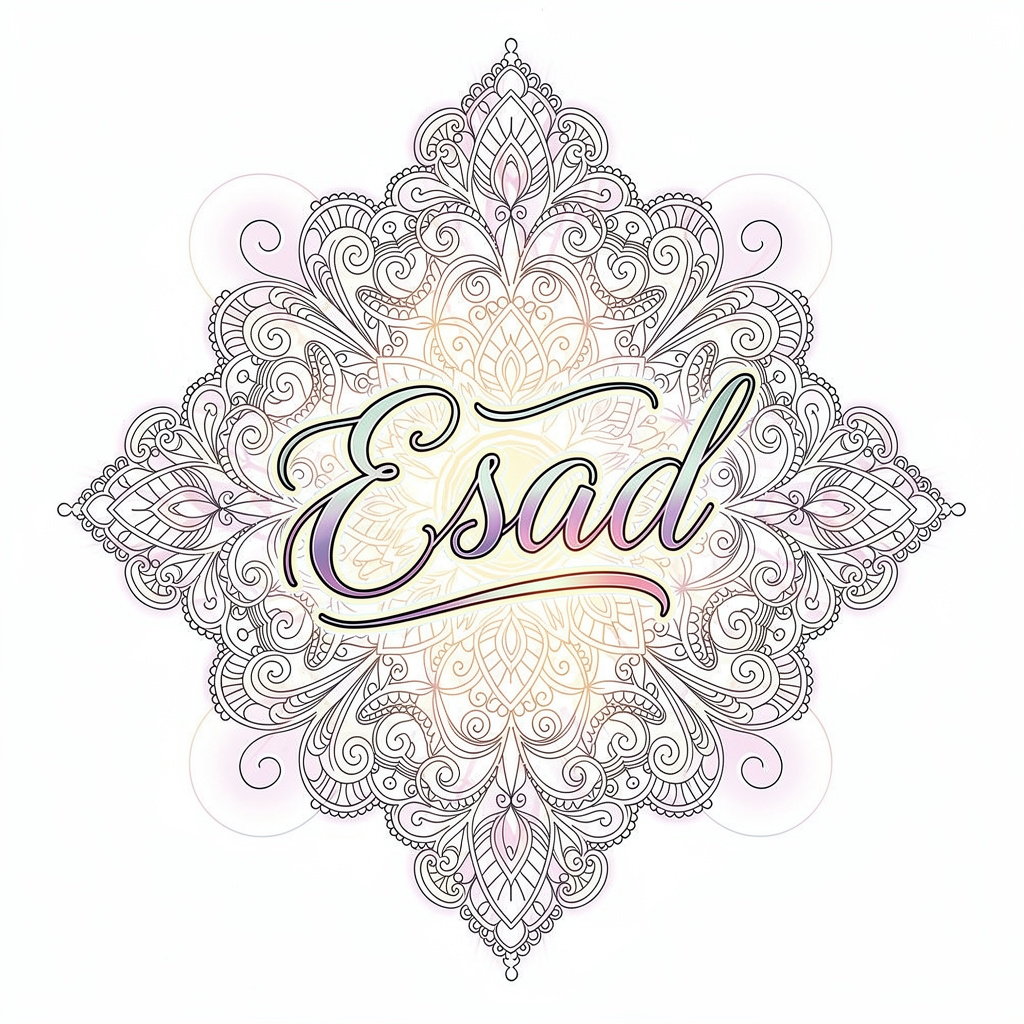
AI-Original-Style Esad Name Tattoo Design
Global distribution & gender ratio
Türkiye
93.73% of recorded usage
Female: 1.18% · Male: 98.82%
Germany
1.11% of recorded usage
Female: 0.00% · Male: 100.00%
Cyprus
0.74% of recorded usage
Female: 0.00% · Male: 100.00%
United States
0.55% of recorded usage
Female: 0.00% · Male: 100.00%
Italy
0.37% of recorded usage
Female: 0.00% · Male: 100.00%
You may also like
Similar names
Saad
Name of Arabic origin associated with happiness and good fortune.Said
Arabic name linked to joy, felicity, and a blessed state.Asad
Arabic name meaning lion, symbolizing strength and bravery.Esat
Turkish variant associated with happiness and prosperity.Sadik
Name tied to truth, honesty, and loyalty.Emir
Name meaning leader or commander, evoking nobility.Emin
Name linked to trustworthiness and reliability.Sami
Name with meanings related to elevated, noble, or exalted.Yasin
Name with spiritual connotations and blessing in Islamic tradition.Harun
Name of Semitic origin associated with strength and guidance.
Frequently asked questions about esad
What is the meaning of the name Esad?
Esad is traditionally associated with blessing, happiness, good fortune, and the sense of a gift from God or enduring hope for a prosperous and peaceful life.
What is the origin of the name Esad?
The name Esad has Arabic roots and is historically used in regions influenced by Islamic culture, including Turkey and the Balkans, where it has been borne by scholars, officials, and respected community figures.
Is Esad a male or female name?
Esad is traditionally a male given name in Arabic-speaking countries, Turkey, and the Balkans, and it appears predominantly in boys' name statistics and historical male records.
How do you pronounce Esad?
Esad is commonly pronounced as EH-sahd, with two syllables, and can be represented in IPA as /ˈe.sad/.
How popular is the name Esad?
Esad has steady but moderate popularity, especially in Turkey, Bosnia and Herzegovina, and neighboring Balkan countries. It is relatively rare in Western Europe and North America, giving it a distinctive yet culturally rooted character.
What names are similar to Esad?
Names similar to Esad include Saad, Said, Asad, Esat, Sadik, Emin, Emir, Sami, Yasin, and Harun, which share comparable origins, meanings, or phonetic elements.