
Meaning of the Name Felipe
Origin of the Name Felipe
Gender Association of the Name Felipe
Popularity of the Name Felipe
Global Usage of the Name Felipe
Characteristic Features of People Named Felipe
Charismatic
Many people named Felipe possess a magnetic charm, naturally drawing others towards them with their warmth and genuineness.
Adventurous
They often have a love for exploration, seeking out new experiences and challenges with enthusiasm and courage.
Loyal and Reliable
Known for their steadfast reliability, those named Felipe are often counted as trustworthy friends and partners.
Intuitive
Possessing a keen intuition, they can easily read situations and people, allowing them to make thoughtful decisions.
Courageous
They display remarkable bravery in facing life's obstacles, supported by their inner strength and conviction.
Creative
Felipe is often linked with creativity, with individuals excelling in artistic or innovative pursuits where imagination thrives.
Common Career Paths for People Named Felipe
Creative Fields
Many Felipes are drawn to artistic professions, such as music, art, or writing, where they can express their creativity and innovativeness.
Leadership Roles
With inherent charisma, Felipes often excel in leadership positions, taking roles as managers, entrepreneurs, or executives.
Social and Community Services
Their nurturing and empathetic nature makes them ideal for careers in healthcare, social work, or education.
Adventurous Professions
Fields like travel journalism or outdoor guiding appeal to their adventurous spirit, allowing them to combine work with passion.
Technological and Innovative Fields
Their intuition and problem-solving skills suit them for roles in technology development and innovation.
Unique and Interesting Characteristics of the Name Felipe
Royal Connection
The name Felipe has a royal legacy, with numerous kings and leaders, such as King Felipe VI of Spain, carrying the name.
Pop Culture Impact
The name features across different media, including popular romance novels and TV shows, often associated with strong-romantic characters.
Literary Presence
In literature, Felipe is often symbolic of heroic or noble traits, appearing in various works that convey depth and honor.
Historical Figures
Several historical and religious figures have named Felipe, adding to its respectable and acknowledged reputation.
Linguistic Adaptability
Its variants like Philippe and Filippo show the adaptability of the name across cultures and languages.
Famous People Named Felipe
- King Felipe VI: Current King of Spain
- Felipe Massa: Brazilian racing driver
- Felipe Calderón: Former President of Mexico
- Felipe Anderson: Brazilian footballer
- Felipe Contepomi: Argentine rugby player and coach
- Felipe Alou: Dominican baseball player and manager
Felipe Name Tattoo Design Ideas in Multiple Artistic Styles
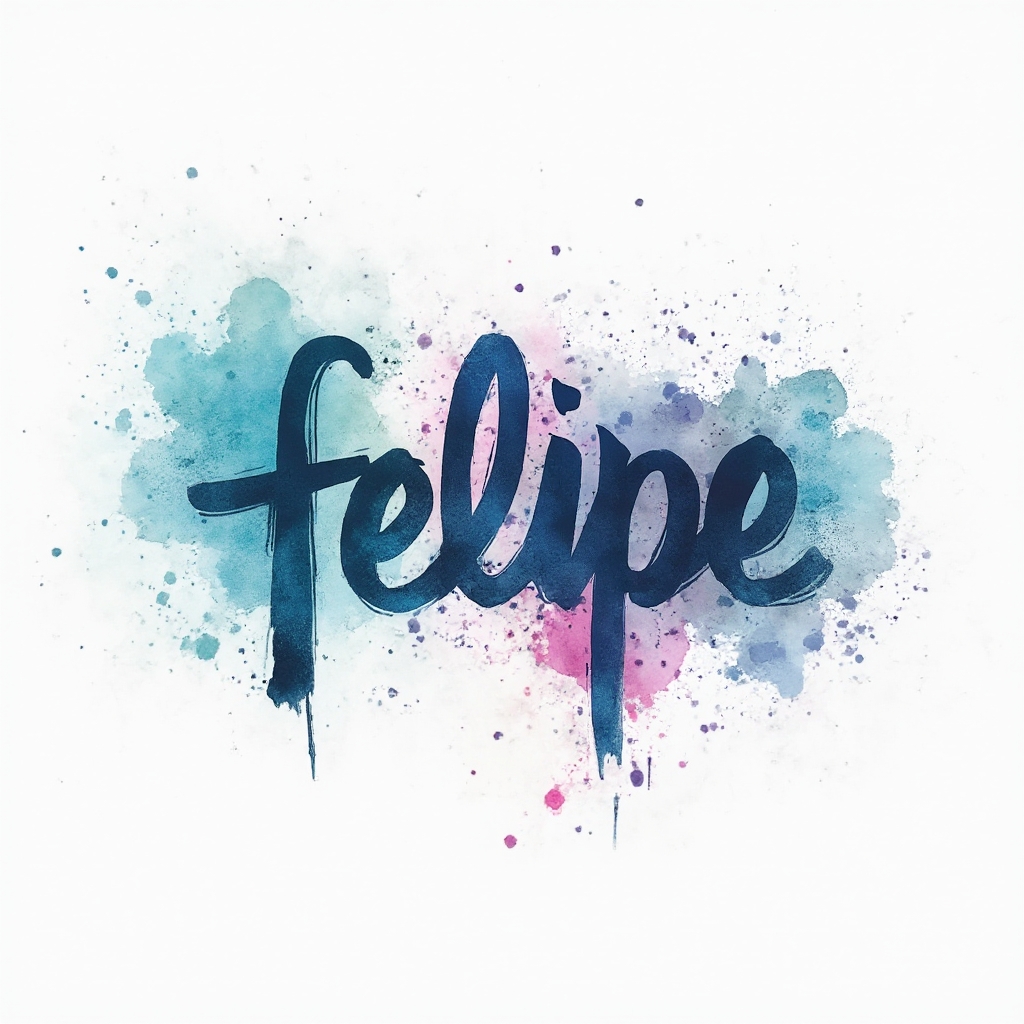
Felipe Watercolor Name Tattoo Design

Felipe Surrealism Abstract Name Tattoo Concept
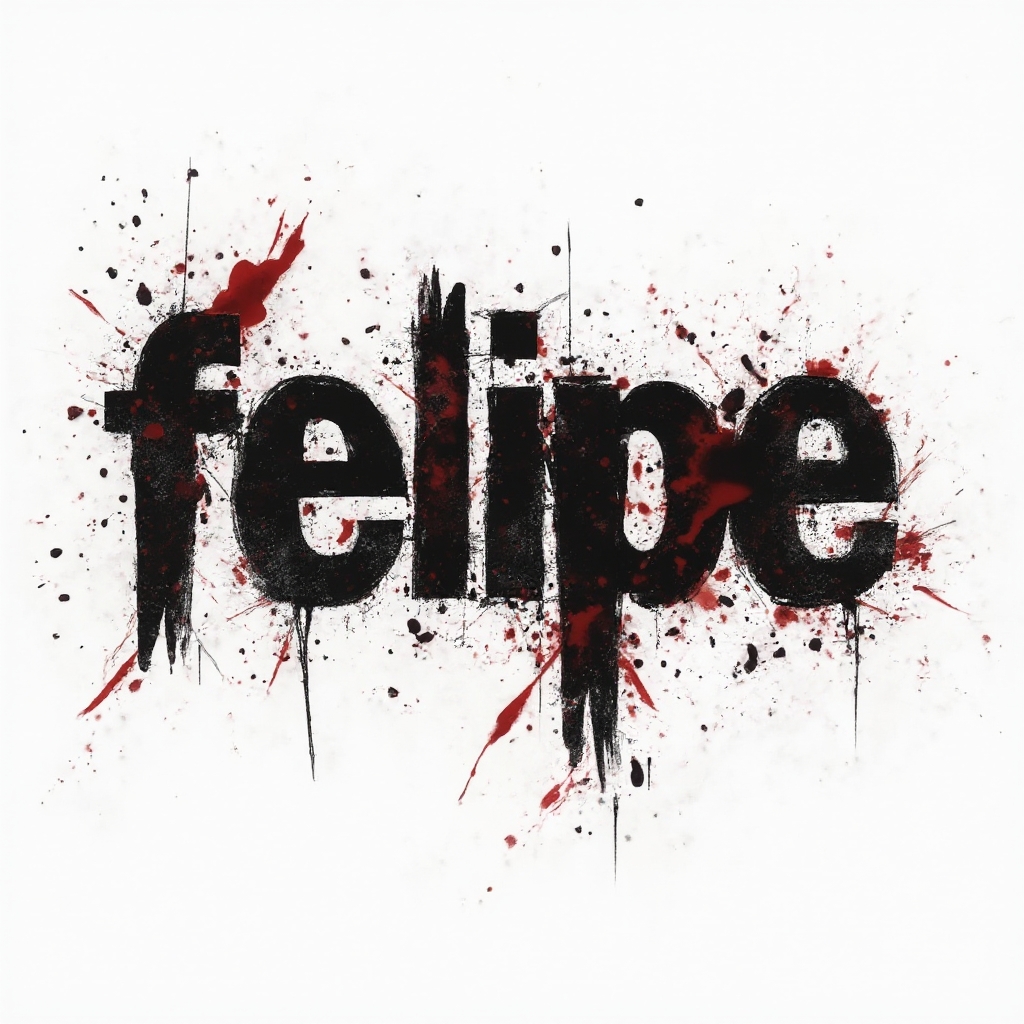
Felipe Trash Polka Bold Name Tattoo Art

Felipe AI-Original-Style Futuristic Name Tattoo Design
Global distribution & gender ratio
Brazil
74.42% of recorded usage
Female: 0.41% · Male: 99.59%
Chile
9.35% of recorded usage
Female: 0.21% · Male: 99.79%
Mexico
4.70% of recorded usage
Female: 0.32% · Male: 99.68%
Colombia
3.69% of recorded usage
Female: 0.12% · Male: 99.88%
United States
2.72% of recorded usage
Female: 0.32% · Male: 99.68%
You may also like
Similar names
Filipe
A common Portuguese variant, retaining the same meaning of "lover of horses".Philippe
French variant of the Greek name Philippos, sharing the same meaning.Filippo
Italian form similar to Felipe, carrying the meaning of "horse's lover".Philip
An English variant carrying the same meaning.Filip
A Scandinavian and Eastern European version, meaning "friend of horses."Philibert
An older French name that means "very bright," sharing a noble resonance.Felix
A name with a joyful meaning, "happy" or "fortunate," popular in similar cultures.Fernando
Another Spanish name which complements the audacious nature of Felipe.Fabio
An Italian name meaning “bean grower,” not phonetically similar but culturally resonant.Franco
A name of Italian and Spanish origins meaning "free," similar in their cultural contexts.