
The Name Meaning of Hamdi
Tracing the Origins of Hamdi
Gender Association of the Name Hamdi
Popularity of the Name Hamdi
Global Usage of the Name Hamdi
Characteristic Features of People Named Hamdi
Appreciative
Hamdi individuals often exhibit a deep sense of gratitude and appreciation.
Respectful
Known for their respect towards others and traditional values.
Charismatic
They have a natural charm and often attract others with their personality.
Thoughtful
Hamdi people are often considerate and thoughtful in their actions and words.
Peaceful
They value harmony and often work towards maintaining peace in their relationships.
Common Career Paths for People Named Hamdi
Leadership
Many with the name Hamdi are drawn to roles in leadership due to their charismatic nature.
Education
They may excel in academic roles, valuing knowledge and sharing it with others.
Counseling
Their thoughtful and considerate personality makes them effective counselors or mediators.
Art
Some might find their niche in creative fields due to their appreciation for beauty and praise.
Community Service
Their respectful and harmony-driven nature leads them to work that benefits the community.
Unique and Interesting Characteristics of the Name Hamdi
Cultural Symbol
Hamdi holds significance in Arabic poetry and literature as a symbol of gratitude.
Historical Figures
There are several historical personalities named Hamdi renowned in literature and art.
Media Representation
Occasionally appears in films set in the Middle East, reinforcing cultural themes.
Cross-Cultural Appeal
Though primarily Arabic, the name is appreciated for its phonetic beauty elsewhere.
Famous People Named Hamdi
- Hamdi Ulukaya: Founder and CEO of Chobani yogurt.
- Hamdi Vural: Renowned Turkish poet and writer.
- Hamdi Tansever: Acclaimed director known for impactful films in Turkish cinema.
How to Pronounce the Name Hamdi in Arabic
/ˈhæmdi/ — حمدي
- /ˈh/: like 'h' in 'hat'
- /æ/: like 'a' in 'cat'
- /m/: like 'm' in 'man'
- /d/: like 'd' in 'dog'
- /i/: like 'ee' in 'see'
Pronounced as HAAM-dee, with emphasis on the first syllable, similar to the word 'handy' but with an 'm'.
Hamdi Artistic Name Tattoo Concepts
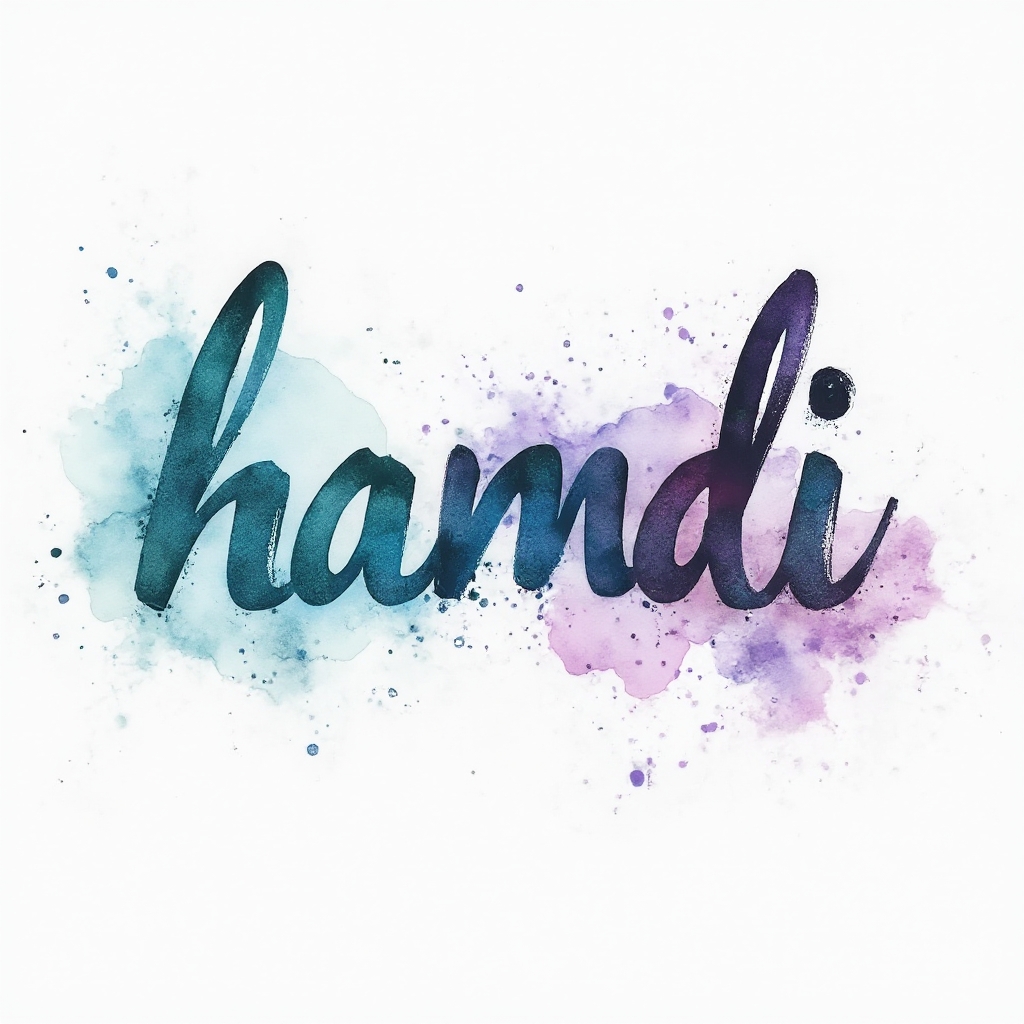
Hamdi Watercolor Splash Name Tattoo Concept
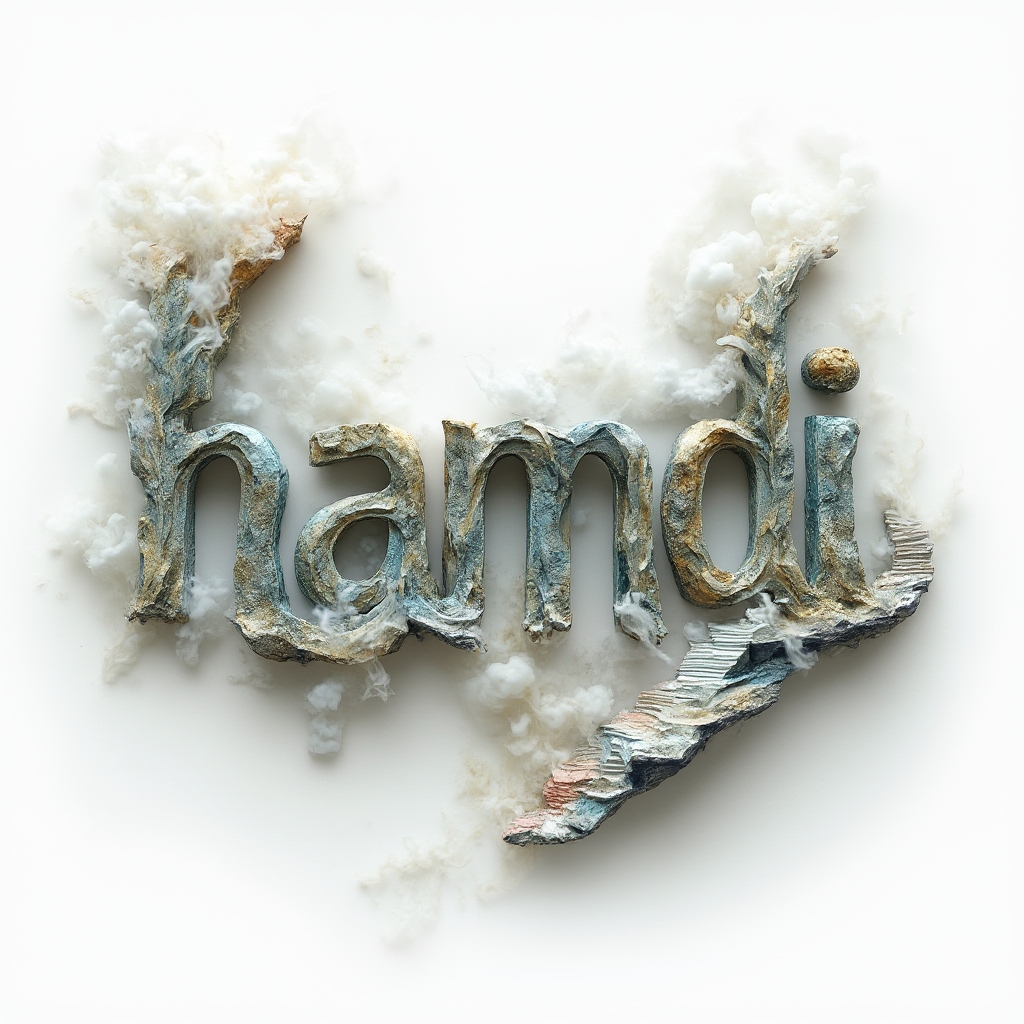
Hamdi Surrealism Dreamscape Name Tattoo Design
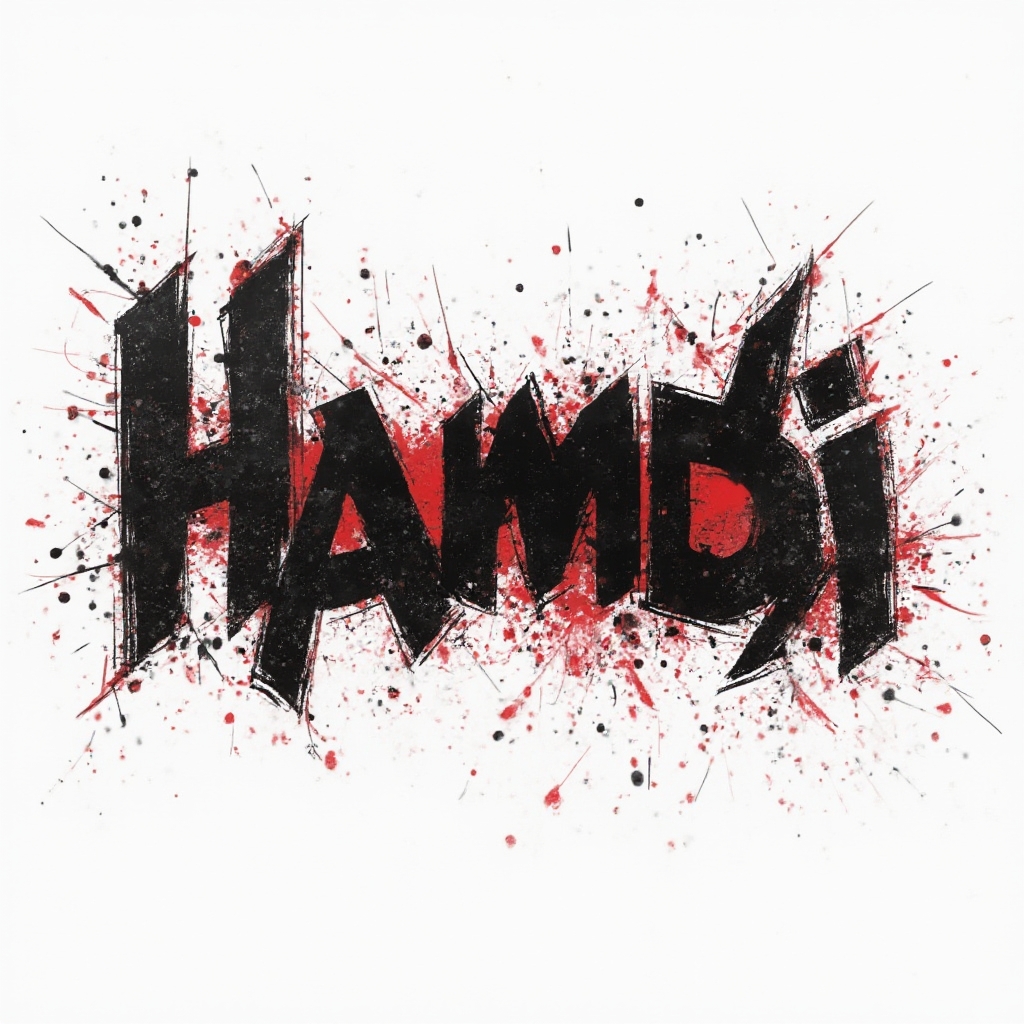
Hamdi Trash Polka High-Contrast Name Tattoo Artwork
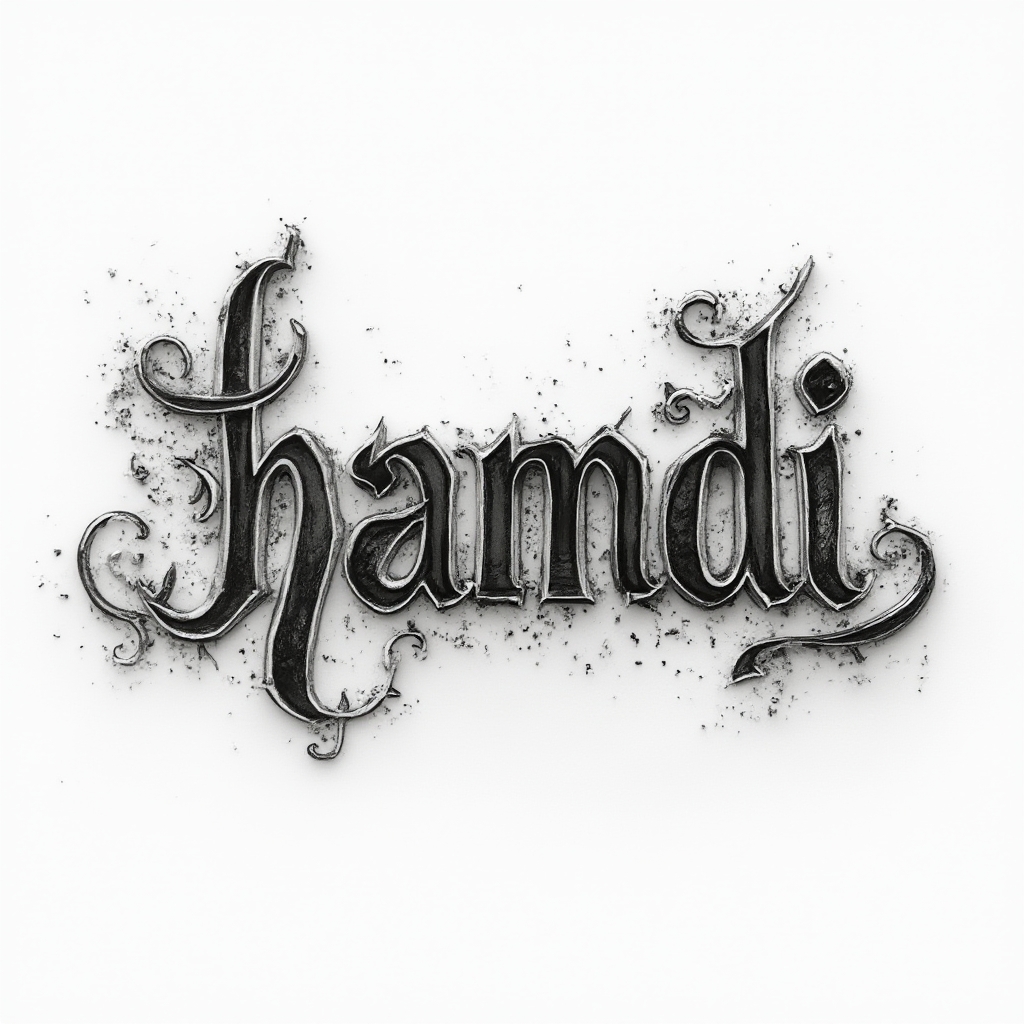
Hamdi AI-Original-Style Dimensional Name Tattoo Concept
Global distribution & gender ratio
Türkiye
90.07% of recorded usage
Female: 0.60% · Male: 99.40%
Tunisia
2.31% of recorded usage
Female: 0.00% · Male: 100.00%
Indonesia
1.61% of recorded usage
Female: 2.33% · Male: 97.67%
Malaysia
1.01% of recorded usage
Female: 0.00% · Male: 100.00%
Saudi Arabia
0.58% of recorded usage
Female: 3.23% · Male: 96.77%
You may also like
Similar names
Ahmed
A popular Arabic name meaning most commendable.Hamed
Similar in meaning to Hamdi, meaning one who praises.Muhammad
Means praised, commendable, widely used in Muslim communities.Mahmud
Means praised and often seen in the same cultural contexts.Hammadi
Varies slightly from Hamdi, also meaning praiseworthy.Sammy
A diminutive of Samuel, meaning heard by God.Amy
An English name meaning beloved or dearly loved.Rami
Has roots in Arabic, meaning archer.Amir
Possesses the meaning prince or commander.Ali
A prominent name in Islamic history, meaning exalted or noble.
Frequently asked questions about hamdi
What is the meaning of the name Hamdi?
The name Hamdi means praise or thankfulness, derived from Arabic.
Where does the name Hamdi originate from?
Hamdi originates from the Arabic language, common in Middle Eastern regions.
Is the name Hamdi gender-specific?
Hamdi is considered gender-neutral but is often used for males.
How popular is the name Hamdi?
The name Hamdi is popular in Arabic-speaking countries and has historical resonance in the Middle East.
How is Hamdi used globally?
Globally, Hamdi is recognized in Arabic-speaking areas, with cultural variations in pronunciation.
What are some common career paths for people named Hamdi?
People named Hamdi often pursue careers in leadership, education, counseling, and community service.
What are characteristic features of people named Hamdi?
They are often known to be appreciative, respectful, charismatic, and thoughtful.
What are similar names to Hamdi?
Similar names include Ahmed, Hamed, Muhammad, Mahmud, and Sammy.
How to pronounce Hamdi in Arabic?
Pronounced as HAAM-dee, with emphasis on the first syllable, similar to 'handy' but with an 'm'.
Who are some famous people named Hamdi?
Notable individuals include Hamdi Ulukaya, founder of Chobani, and Hamdi Vural, a Turkish poet.