
Meaning of the Name Hugo
Origin of the Name Hugo
Gender Association of the Name Hugo
Popularity of the Name Hugo
Global Usage of the Name Hugo
Characteristic Features of People Named Hugo
Intellectual
Individuals named Hugo are often associated with high intellect and a love for learning, making them perpetual students of life.
Wisdom
Holder of the name Hugo are known to be wise beyond their years, often sought after for advice and guidance.
Charismatic
They possess a natural charisma, attracting friends easily and maintaining strong social bonds.
Thoughtful
Hugos commonly exhibit a thoughtful nature, taking time to reflect before making decisions, ensuring thoughtfulness in action.
Creative
Known for their creativity, people named Hugo thrive in environments that allow them to express new ideas and concepts.
Adventurous
Often drawn to explore, Hugos are adventurous in spirit, eager to embark on new paths and seek striking experiences.
Empathetic
Demonstrating empathy, they genuinely understand others' emotions, making them cherished friends and confidants.
Common Career Paths for People Named Hugo
Educators
The intellectual foundation tied to Hugo often leads them to roles in education, where they impart knowledge with passion.
Artistic Fields
Many Hugos are drawn to creative professions such as writing, design, and the arts, utilizing their innate creativity.
Scientific Pursuits
With a love for problem-solving, careers in research and science beckon, providing platforms to explore curiosities.
Leadership Roles
Charisma and wisdom place Hugos naturally in leadership roles, where they influence and lead teams effectively.
Psychology
Given their empathetic nature, many find fulfillment in psychology, providing support and understanding to those in need.
Entrepreneurship
The adventurous side of Hugo often motivates them to start their ventures, fostering innovation and change.
Public Service
Hugos' thoughtful reflection and empathy often drive them towards public roles, focusing on community welfare.
Unique and Interesting Characteristics of the Name Hugo
Literary Influence
The name Hugo carries a significant literary heritage, most notably associated with French novelist Victor Hugo, author of 'Les Misérables'.
Pop Culture Fame
Hugo has been widely featured in films and literature, often symbolizing a character of depth and insight.
Noble Legacy
Historically, the name has been borne by nobility, echoing a sense of leadership and valor throughout centuries.
Predictive Model
Numerology attributes predictive qualities to Hugo, suggesting favorable life paths and destinies.
Global Adaptability
Its versatility is seen across languages and cultures, where it adapts yet maintains its core essence.
Iconic Portrait
The profiles of those with the name often suggest strong facial features, historically culminating in forms of artistic brilliance.
Modern Revival
The name Hugo has been revitalized in recent decades, aligning with urban trends and modern sensibilities.
Famous People Named Hugo
- Victor Hugo: Renowned French novelist and poet, best known for writing 'Les Misérables' and 'The Hunchback of Notre-Dame'.
- Hugo Boss: Iconic German fashion designer and founder of the eponymous brand.
- Hugo Chávez: Prominent Venezuelan political leader and former president.
- Hugo Weaving: Acclaimed actor known for his roles in 'The Matrix' and 'The Lord of the Rings'.
- Hugo Lloris: Professional French footballer serving as the goalkeeper for the national team.
Hugo Artistic Name Tattoo Concepts
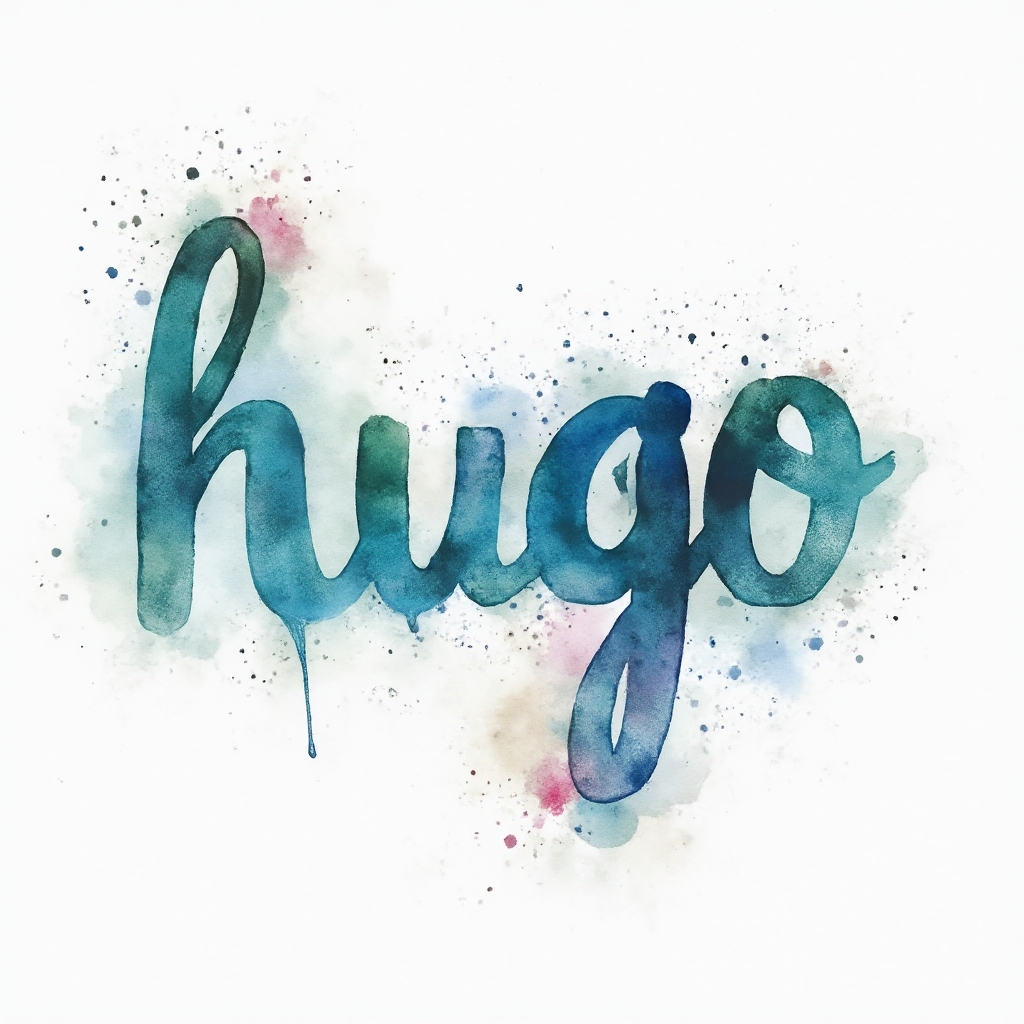
Hugo Watercolor Ink Splash Tattoo Concept
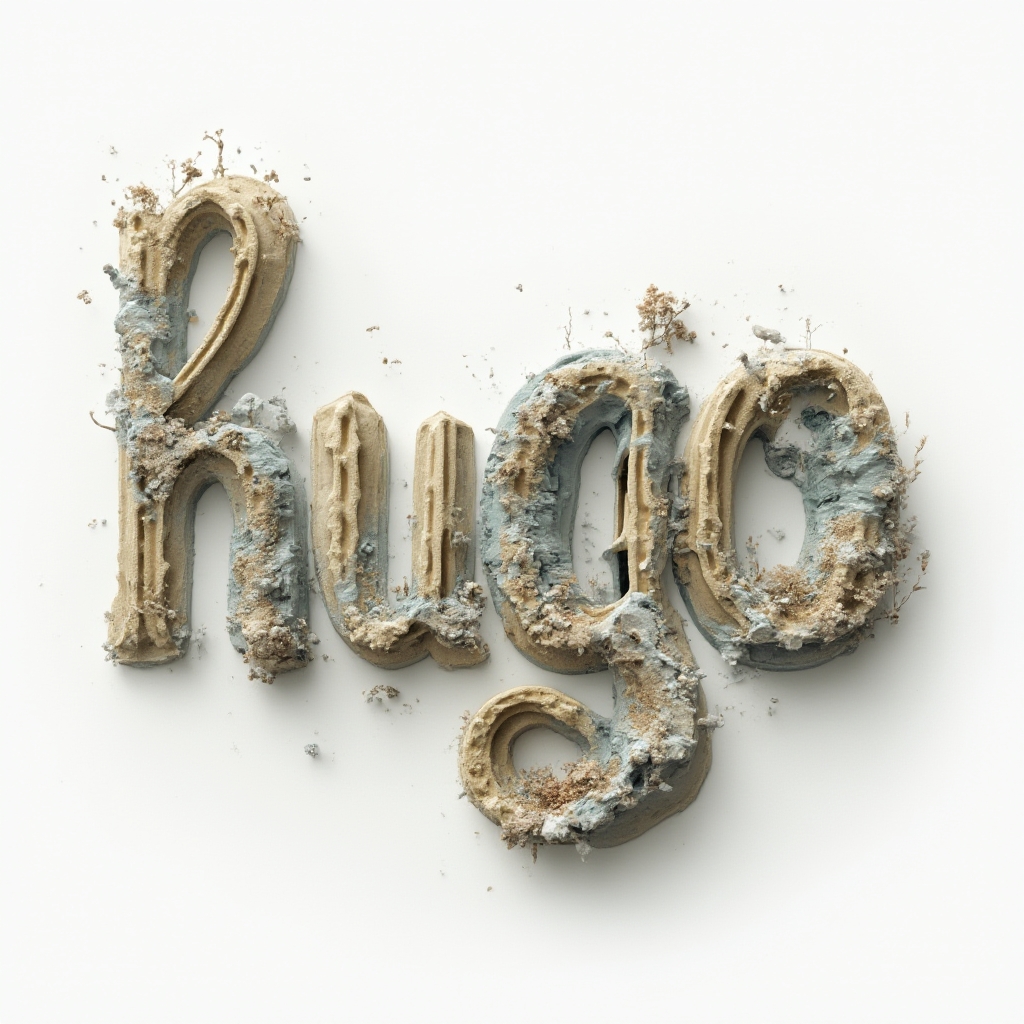
Hugo Surrealism Dreamscape Lettering Tattoo
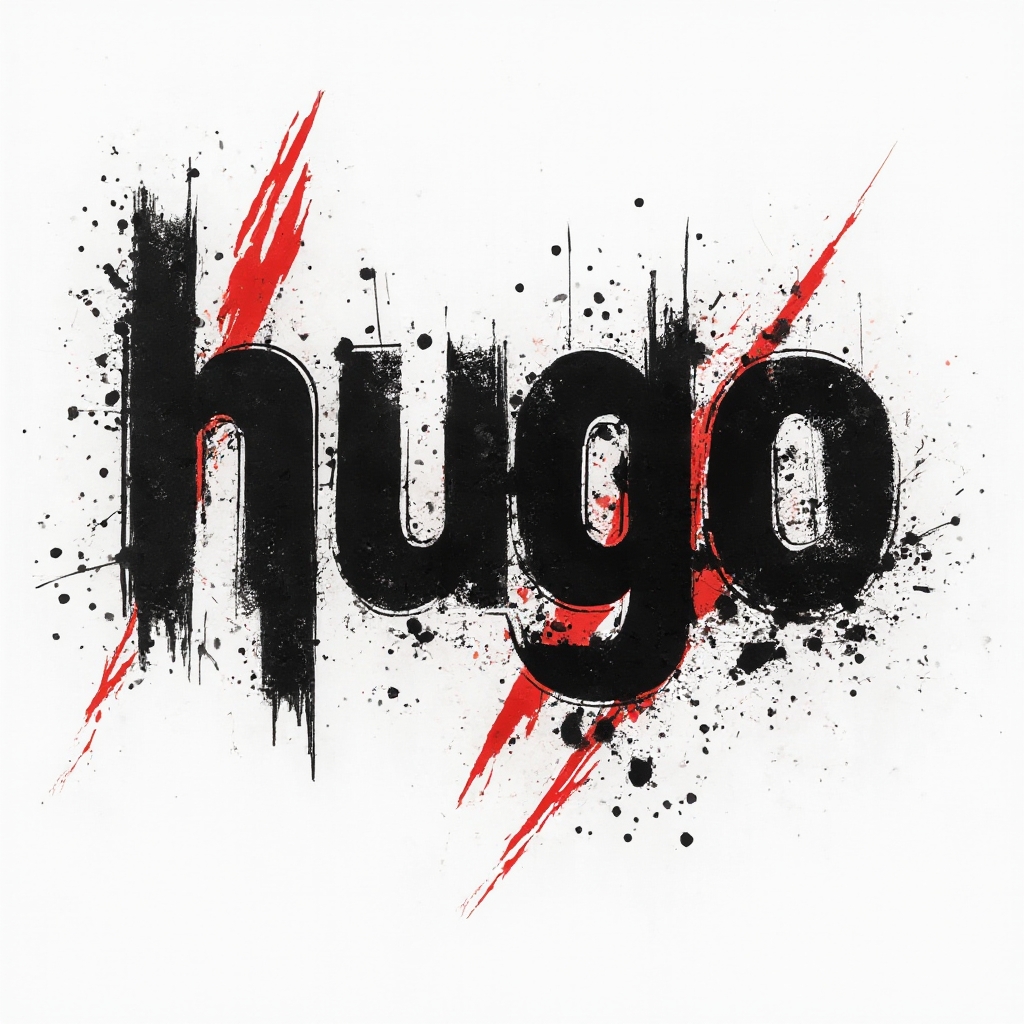
Hugo Trash Polka High-Contrast Tattoo Concept
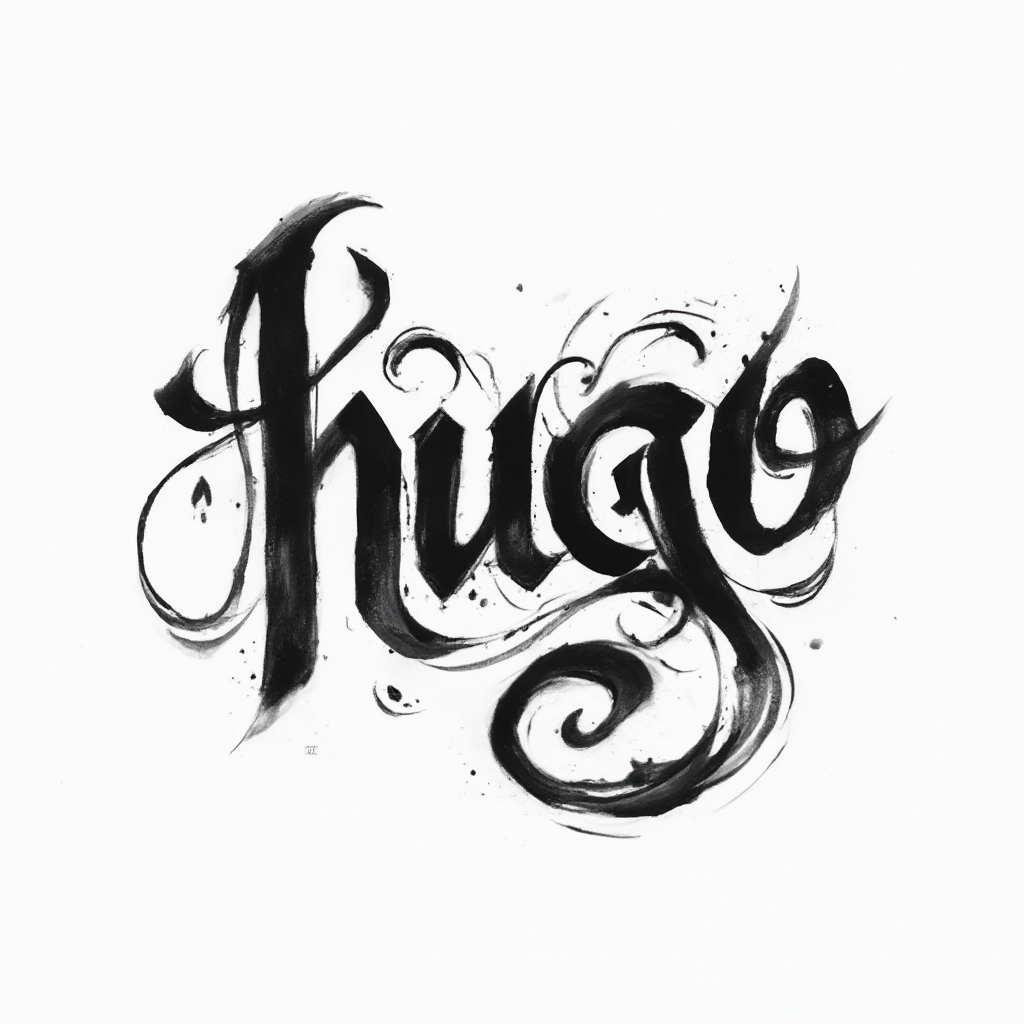
Hugo AI-Original-Style Abstract Letterform Tattoo
Global distribution & gender ratio
Brazil
38.34% of recorded usage
Female: 0.53% · Male: 99.47%
Mexico
28.05% of recorded usage
Female: 0.21% · Male: 99.79%
Portugal
5.11% of recorded usage
Female: 0.68% · Male: 99.32%
United States
4.88% of recorded usage
Female: 0.59% · Male: 99.41%
Paraguay
4.07% of recorded usage
Female: 0.28% · Male: 99.72%
You may also like
Similar names
Hugh
A traditional name with the meaning of heart or mind, closely linked to Hugo.Humberto
This name shares a Germanic origin with Hugo, carrying the meaning of bright warrior.Henri
The French variation of Henry, it shares Hugo’s Germanic roots and connotes the meaning of home ruler.Hulda
A softer, phonetically related name, conveying the meaning of sweet and lovable.Hunter
Phonetically aligning with Hugo, this name bears the evocative meaning of one who hunts.Hieronymus
This name of Greek origin translates to sacred name, laying its foundation on wisdom similar to Hugo.Harald
A name that combines soldier elements, suggesting strength akin to Hugo's intellectual might.Hadrian
With a history tied to the Roman Empire, it evokes the meaning of dark, synonymous in depth.Hagen
A Germanic name translating to enclosure or protection, symbolic of Hugo’s mental guard.Horace
Deriving from a Latin word connected to time or hours, it complements Hugo’s lasting influence.
Frequently asked questions about hugo
What does the name Hugo mean?
Hugo means mind or intellect, derived from an Old Germanic word, symbolizing intelligence and wisdom.
What is the origin of the name Hugo?
Hugo originates from Germanic roots, widely adopted in French and Spanish-speaking countries throughout history.
Is Hugo a male or female name?
Hugo is generally associated with males but has become more gender-neutral across various cultures.
How popular is the name Hugo?
Hugo is highly popular in countries like France and Spain, consistently ranking well on baby name charts globally.
How is the name Hugo used globally?
The name Hugo is prevalent in Europe, the Americas, and has unique pronunciations and cultural significance worldwide.
What are common career paths for people named Hugo?
Hugo is commonly associated with education, arts, sciences, leadership roles, and public service, where wisdom is valued.
What are the characteristic features of people named Hugo?
Hugos are known for their intellectual, charismatic, and empathetic traits, excelling in thoughtful creativity and leadership.
What are similar names to Hugo?
Names similar to Hugo include Hugh, Humberto, Henri, Hulda, Hunter, which share similar meanings and phonetic qualities.
Who are some famous people named Hugo?
Famous Hugos include Victor Hugo, Hugo Boss, and Hugo Weaving, each notable in literature, fashion, and film respectively.