
Understanding the Meaning of Irina
Exploring the Origins of Irina
Gender Association of the Name Irina
Popularity of the Name Irina
Global Usage of the Name Irina
Characteristic Features of People Named Irina
Peaceful
Individuals named Irina often embody a serene and peaceful demeanor, aiming to maintain balance in their surroundings.
Diplomatic
Known for their problem-solving skills, they possess a talent for diplomacy and finding amicable solutions to conflicts.
Empathetic
Highly empathetic, they show genuine care and understanding towards others' feelings and struggles.
Intelligent
Known for their sharp intellect, Irinas tend to excel in academics and problem-solving scenarios.
Creative
They often harbor a creative streak, expressed through art, music, or literature, adding to their charismatic personality.
Loyal
Their relationships are built on loyalty and trust, making them reliable friends and partners.
Common Career Paths for People Named Irina
Artistic Fields
Many named Irina are drawn to the arts, including music, painting, and literature, where they can express their creativity freely.
Healthcare
Reflecting their empathetic nature, careers in healthcare, such as nursing or therapy, are common among Irinas.
Diplomacy and Politics
With a natural knack for negotiation, they might be drawn to roles in diplomacy and international relations.
Education
Their intelligence and passion for knowledge make education, as teachers or academics, a fitting field.
Social Work
Given their inclination to help others, social work or community services can be rewarding professions.
Unique and Interesting Characteristics of the Name Irina
Pop Culture Representation
The name Irina appears frequently in literature and films, symbolizing peace and beauty, with characters often serving as central, calming figures.
Historical Influences
Variations of Irina have been linked to mythological references, particularly from Greek deities associated with peace.
International Spread
The name has traveled across borders, becoming popular in many countries, including the United States, reflecting its versatile charm.
Famous Figures
Numerous public figures, from athletes to artists, have popularized the name, lending it an international appeal.
Adaptability
Irina has inspired various diminutives and affectionate nicknames, showcasing its flexibility and adaptability in different cultures.
Famous People Named Irina
- Irina Shayk: Renowned Russian supermodel and actress.
- Irina Bokova: Bulgarian politician, former Director-General of UNESCO.
- Irina Slutskaya: Acclaimed Russian figure skater and Olympic medalist.
- Irina Khakamada: Influential Russian-Japanese politician and journalist.
- Irina Baronova: Noted Russian ballerina, one of Ballets Russes' 'Baby Ballerinas'.
Irina Artistic Name Tattoo Collection
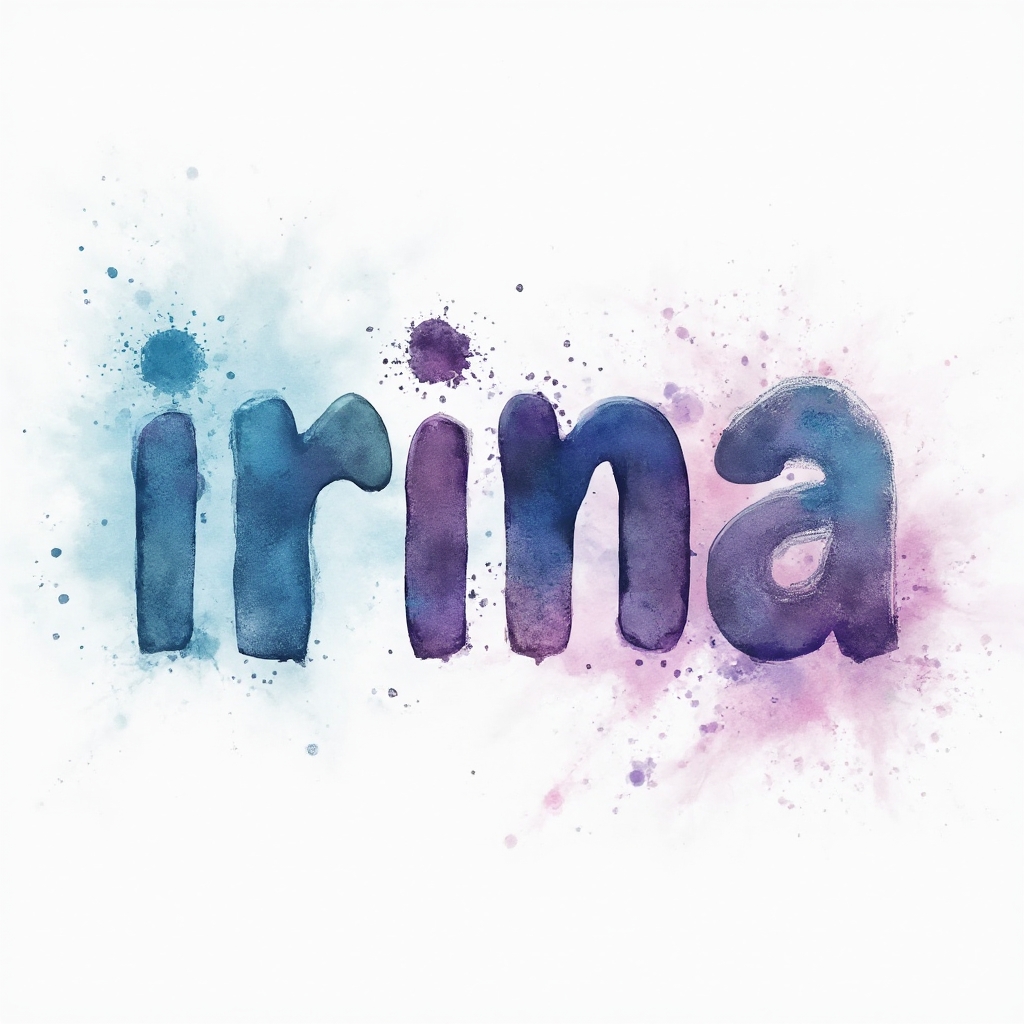
Irina Watercolor Name Tattoo Concept
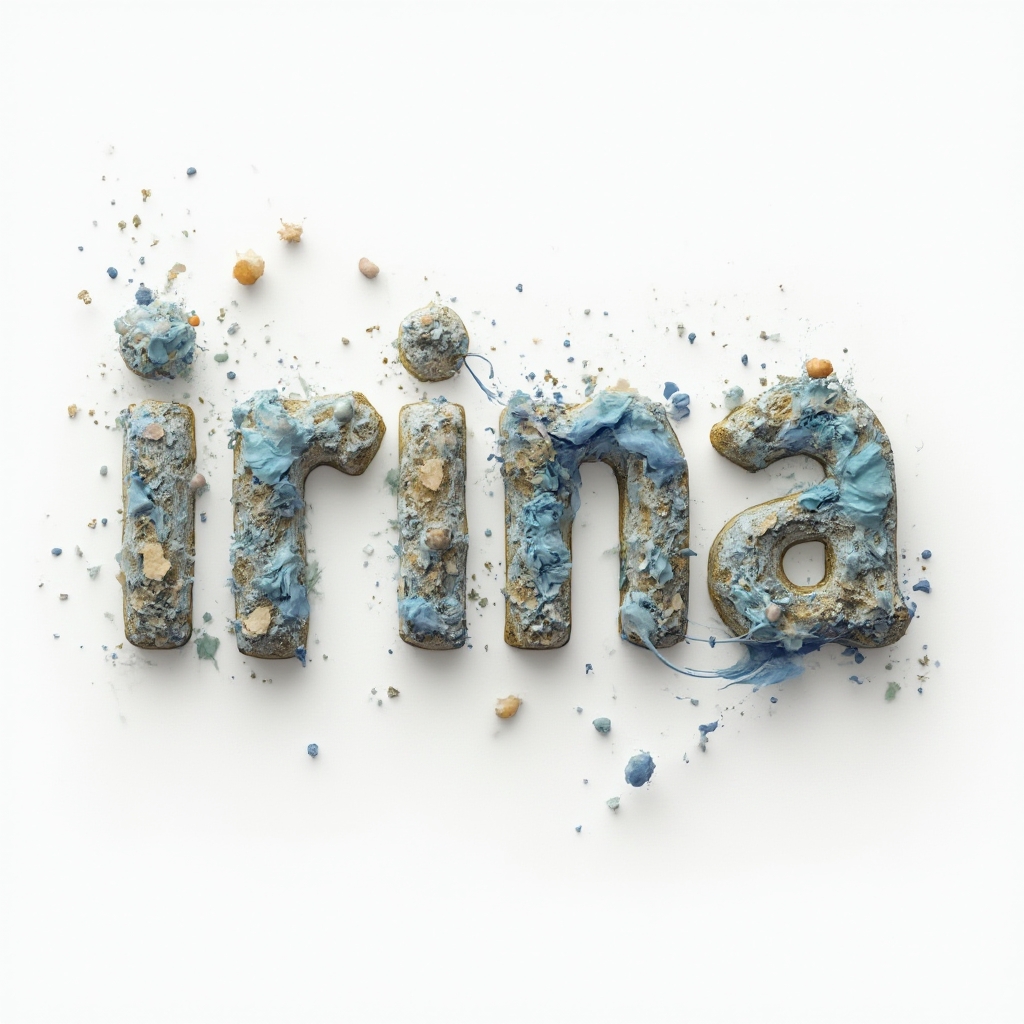
Irina Surrealism Name Tattoo Artwork
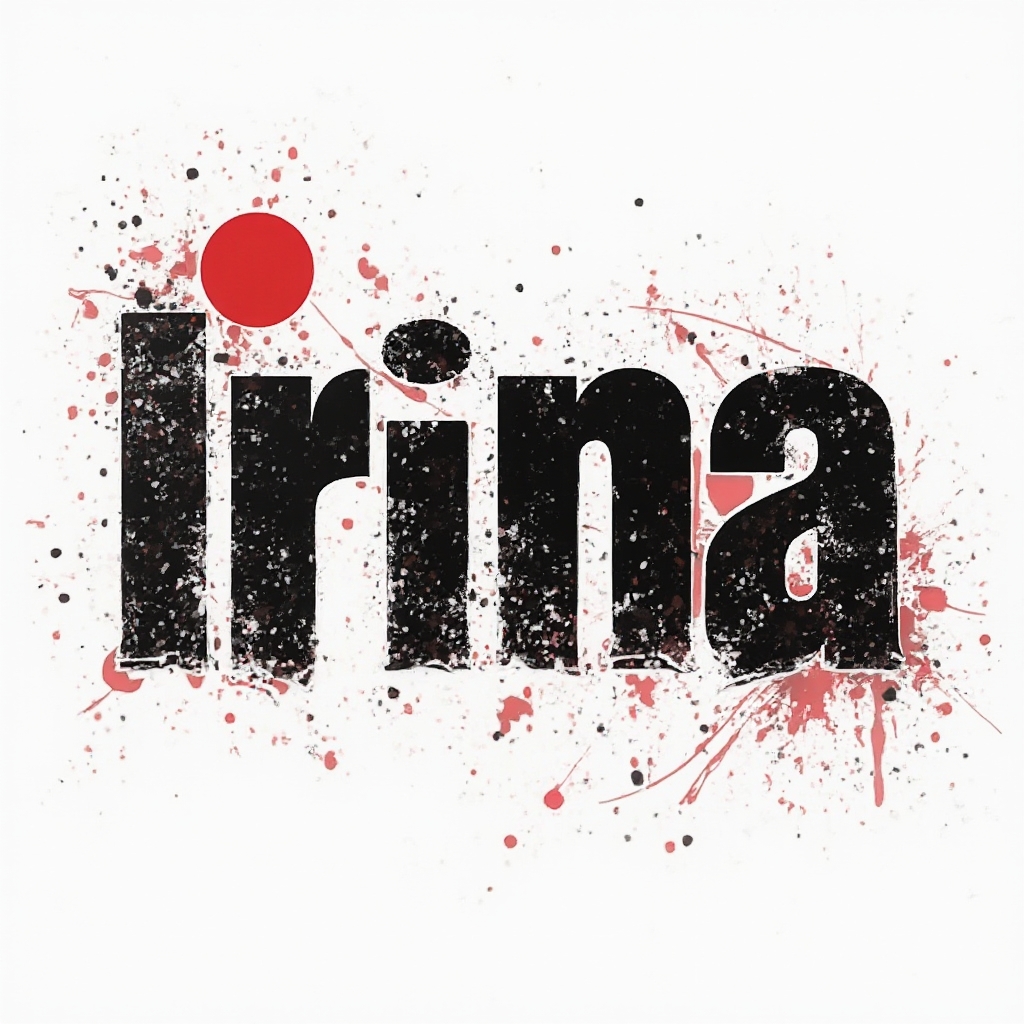
Irina Trash Polka Name Tattoo Design
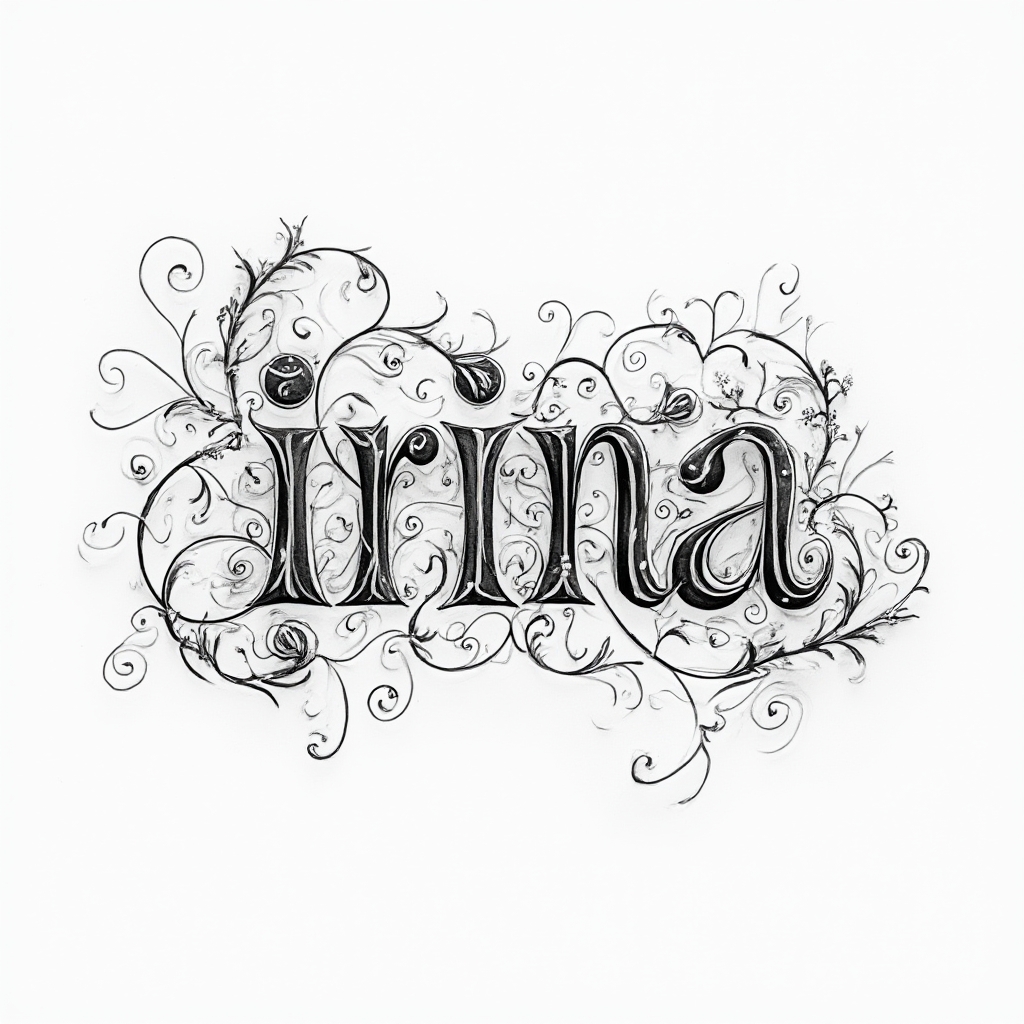
Irina AI-Original-Style Name Tattoo Concept
Global distribution & gender ratio
Russia
49.38% of recorded usage
Female: 99.46% · Male: 0.54%
Ukraine
15.80% of recorded usage
Female: 99.90% · Male: 0.10%
Romania
5.25% of recorded usage
Female: 99.85% · Male: 0.15%
United States
3.99% of recorded usage
Female: 100.00% · Male: 0.00%
Türkiye
2.92% of recorded usage
Female: 98.34% · Male: 1.66%
You may also like
Similar names
Irene
A classic name, peace, deriving from the same Greek origin as Irina.Irini
This variation, meaning peace, is popular in Greek-speaking regions.Ira
A short form, often used as a diminutive, with roots in Greek culture.Irinka
A diminutive form of Irina commonly used in Slavic countries, meaning peace.Serene
An English name that similarly conveys calm and tranquility.Eirene
An ancient variant, representing the original Greek goddess of peace.Irine
A phonetically similar name with the same peaceful connotations.Irena
A popular variant in Eastern Europe, symbolizing peace.Arina
A name variant seen in Russia, maintaining the peace theme.Irini
Another spelling for the name, retaining the ancient Greek origins.
Frequently asked questions about irina
What is the meaning of the name Irina?
Irina signifies peace and tranquility, representing inner strength and balance.
What is the origin of the name Irina?
The origin of Irina is Greek, derived from the word 'Eirene', symbolizing peace.
Is Irina more commonly used for a particular gender?
Irina is predominantly a female name, especially popular in Russia and Greece.
How popular is the name Irina?
Irina is well-known in Eastern Europe and has maintained steady popularity in recent years.
How is the name Irina perceived globally?
Irina is used widely in countries like Russia, Greece, and Bulgaria with regional variations.
What are common careers for people named Irina?
Irinas often pursue careers in artistic fields, healthcare, and education, reflecting their empathetic nature.
What are characteristic features of someone named Irina?
Irinas are known for their peaceful, empathetic, and intelligent nature, often becoming diplomats.
What are names similar to Irina?
Names like Irene, Irini, and Irena are similar to Irina, sharing peaceful meanings.
Who are some famous people named Irina?
Notable Irinas include Irina Shayk, a supermodel, and Irina Bokova, a politician and UNESCO director.