
Meaning of the Name Julian
Origin of the Name Julian
Gender Association of the Name Julian
Popularity of the Name Julian
Global Usage of the Name Julian
Characteristic Features of People Named Julian
Intelligent
People named Julian often show a great capacity for knowledge and learning.
Charming
They have an endearing personality that draws people towards them.
Creative
A flair for innovation and original thinking is commonly associated with them.
Diplomatic
Julian tends to be skilled in handling social situations with tact.
Common Career Paths for People Named Julian
Artist
Often drawn to creative fields such as writing, music, or visual arts.
Diplomat
Julians may pursue careers that involve negotiation and international relations.
Scientist
Their analytical skills can lead to groundbreaking discoveries.
Leader
Many Julians find success in roles that require leadership and management skills.
Unique and Interesting Characteristics of the Name Julian
Historical Significance
Roman emperors and European royalty have borne this name, highlighting its noble roots.
Pop Culture
Famous figures like Julian Lennon and Julián Castro keep the name in the public eye.
Literary Mention
Appears in works by authors like George Orwell.
Famous People Named Julian
- Julian Assange : Founder of WikiLeaks.
- Julian Lennon : Musician and son of John Lennon.
- Julian Casablancas : Lead singer of The Strokes.
Julian Name Tattoo Design Collection

Julian Watercolor Name Tattoo Concept

Julian Surrealism Name Tattoo Artwork
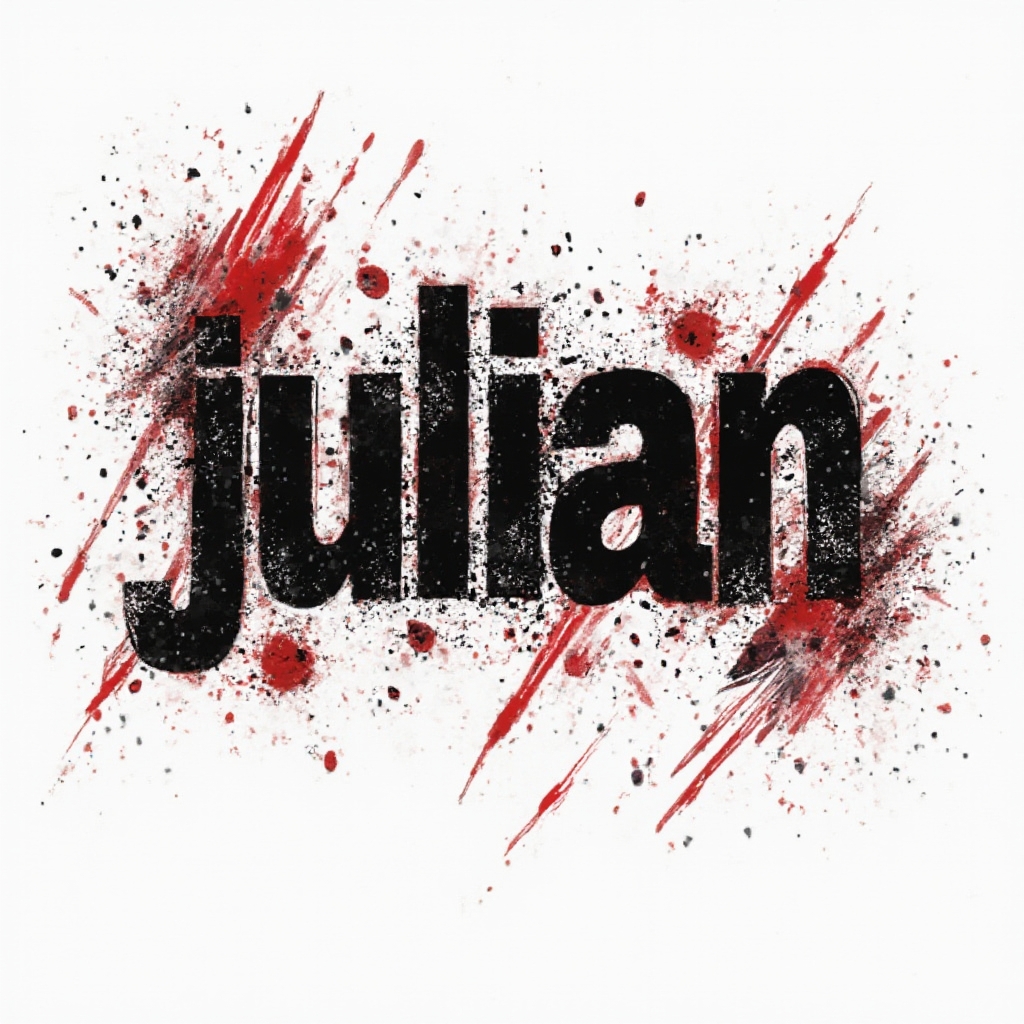
Julian Trash Polka Name Tattoo Design
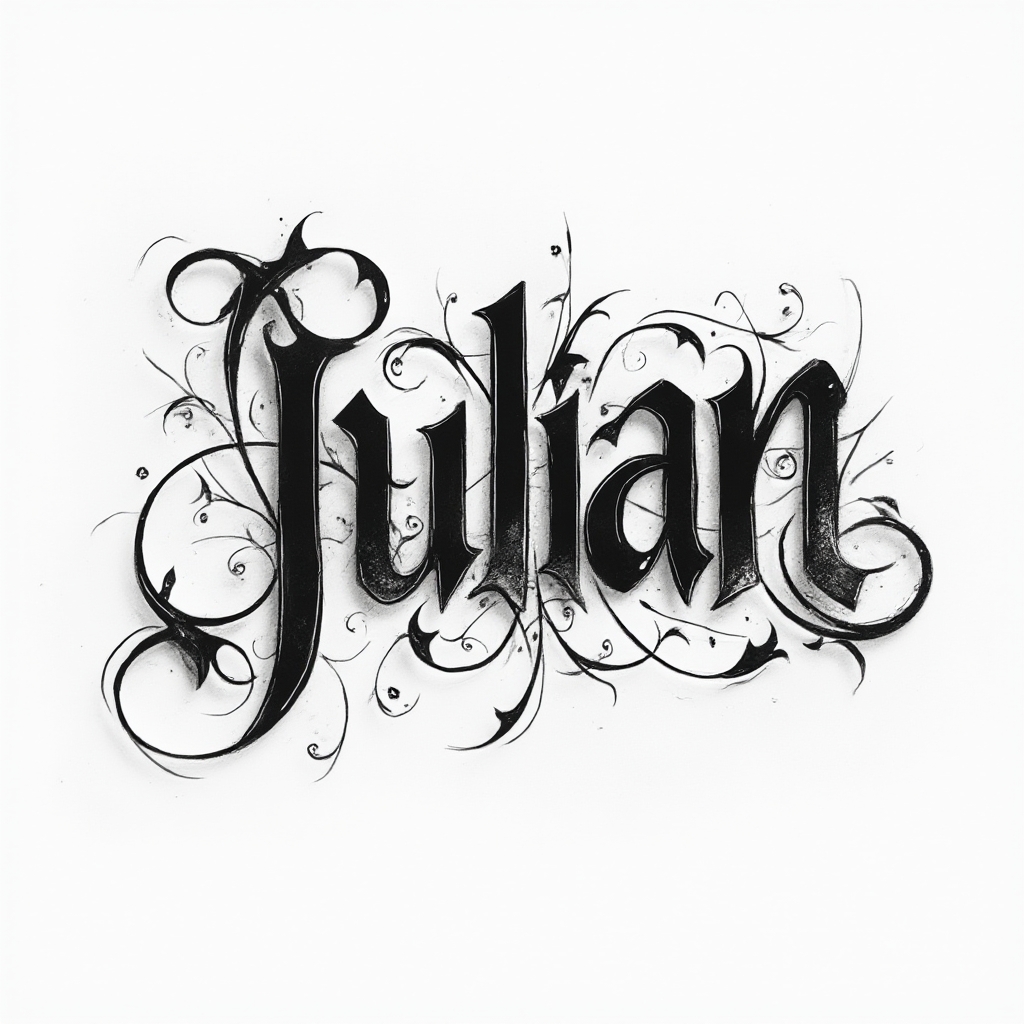
Julian AI-Original-Style Name Tattoo Concept
Global distribution & gender ratio
United States
24.15% of recorded usage
Female: 1.48% · Male: 98.52%
Colombia
14.97% of recorded usage
Female: 0.27% · Male: 99.73%
Mexico
10.29% of recorded usage
Female: 0.26% · Male: 99.74%
Indonesia
6.93% of recorded usage
Female: 10.90% · Male: 89.10%
Germany
5.67% of recorded usage
Female: 0.23% · Male: 99.77%
You may also like
Similar names
Julius
An established name with roots in Rome, also meaning youthful.Julien
A French variant of Julian with similar elegant connotations.Julietta
A feminine form sharing the charm associated with Julian.Julia
A classic feminine variant known for its grace and elegance.Jules
French name implying a youthful and dynamic nature.Juliana
A feminine form that brings out tradition with a modern twist.Julio
A Spanish derivative that conveys strength and youth.Julissa
A modern, lively variation reflecting youthfulness.Julienne
Elegant and chic, this name hints at refinement.Giuliano
An Italian name carrying the legacy of the Julian tradition.
Frequently asked questions about julian
What is the meaning of the name Julian?
Julian is derived from the Latin name Julianus, meaning youthful and downy-bearded.
What is the origin of the name Julian?
The name originates from ancient Roman times, with the Latin name Julianus associated with the Julian clan.
Is Julian a gender-neutral name?
Primarily associated with males, Julian can also be used as a gender-neutral name in various cultures.
How popular is the name Julian?
Julian has enjoyed steady popularity, especially in the United States, Germany, and Australia.
How is the name Julian used globally?
Julian is used in various countries like Europe, Latin America, and North America, with variations such as Julián and Julien.
What are some characteristic features of people named Julian?
Common traits include intelligence, charm, creativity, and diplomacy.
What are common career paths for those named Julian?
Careers often include roles as artists, diplomats, scientists, and leaders.
What are some similar names to Julian?
Names like Julius, Julien, Julia, and Juliana are similar to Julian.
Who are some famous people named Julian?
Notable figures include Julian Assange, Julian Lennon, and Julian Casablancas.