
Meaning of the Name Kris
Origin of the Name Kris
Gender Association of the Name Kris
Popularity of the Name Kris
Global Usage of the Name Kris
Characteristic Features of People Named Kris
Leadership
Individuals named Kris often exhibit strong leadership skills, inspiring those around them.
Adaptability
Flexible in different environments, Kris is known for adjusting well to new challenges.
Creativity
Many named Kris pursue artistic and innovative paths, driven by a natural creative flair.
Insightfulness
Kris often possesses deep wisdom and understanding, providing thoughtful insights.
Common Career Paths for People Named Kris
Arts and Entertainment
Many Kris find themselves drawn to acting, writing, or music due to their creative tendencies.
Leadership Roles
Thanks to their inherent charisma, people named Kris often excel in leadership and managerial positions.
Humanitarian Work
Driven by empathy, those named Kris are frequently involved in community and humanitarian efforts.
Unique and Interesting Characteristics of the Name Kris
Pop Culture Presence
The name Kris gained media attention through celebrities like Kris Jenner and Kris Kristofferson.
Linguistic Versatility
Seen in various languages, Kris adapts well cross-culturally while retaining its identity.
Literary Connections
The name Kris occasionally appears in literature as a character known for wisdom and leadership.
Famous People Named Kris
- Kris Jenner: American television personality and businesswoman
- Kris Kristofferson: American singer-songwriter and actor
- Kris Letang: Canadian professional ice hockey player
Kris Artistic Name Tattoo Design Collection
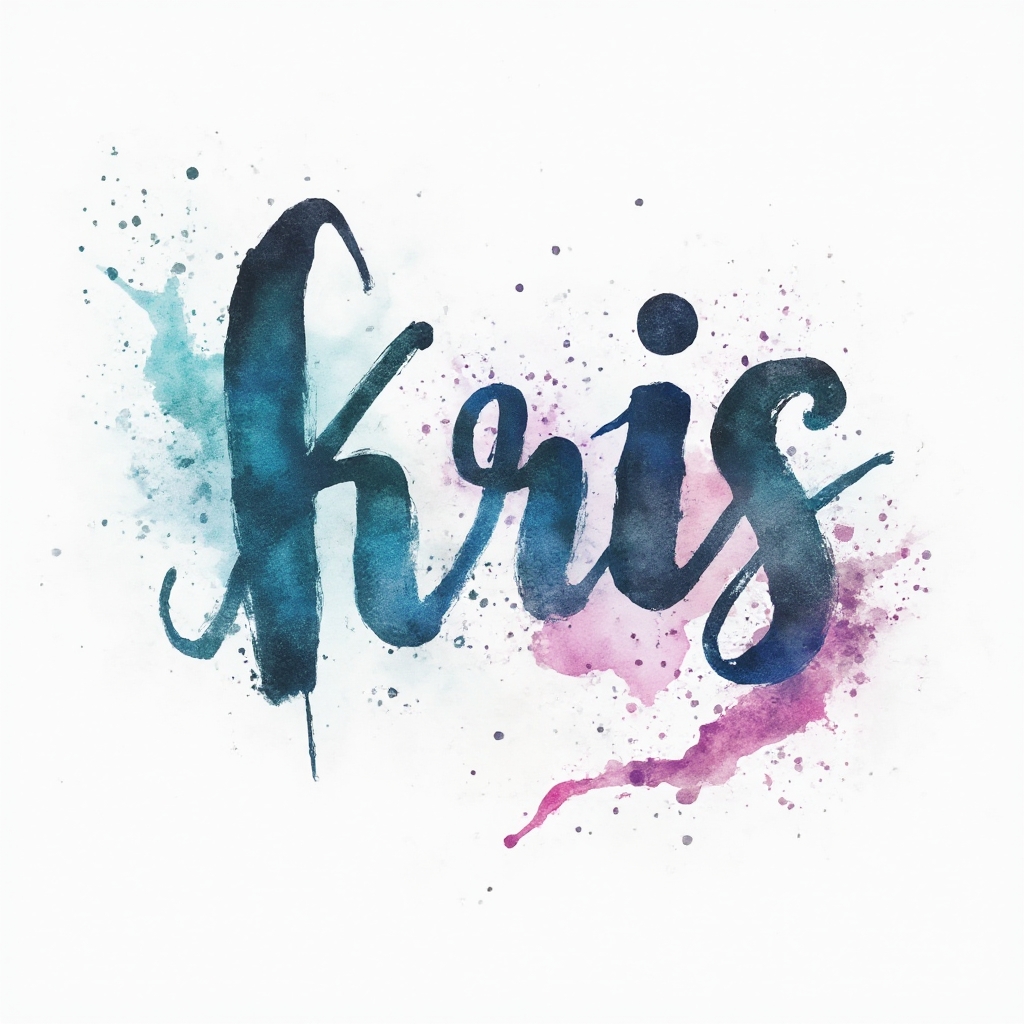
Kris Watercolor Name Ink Tattoo Concept
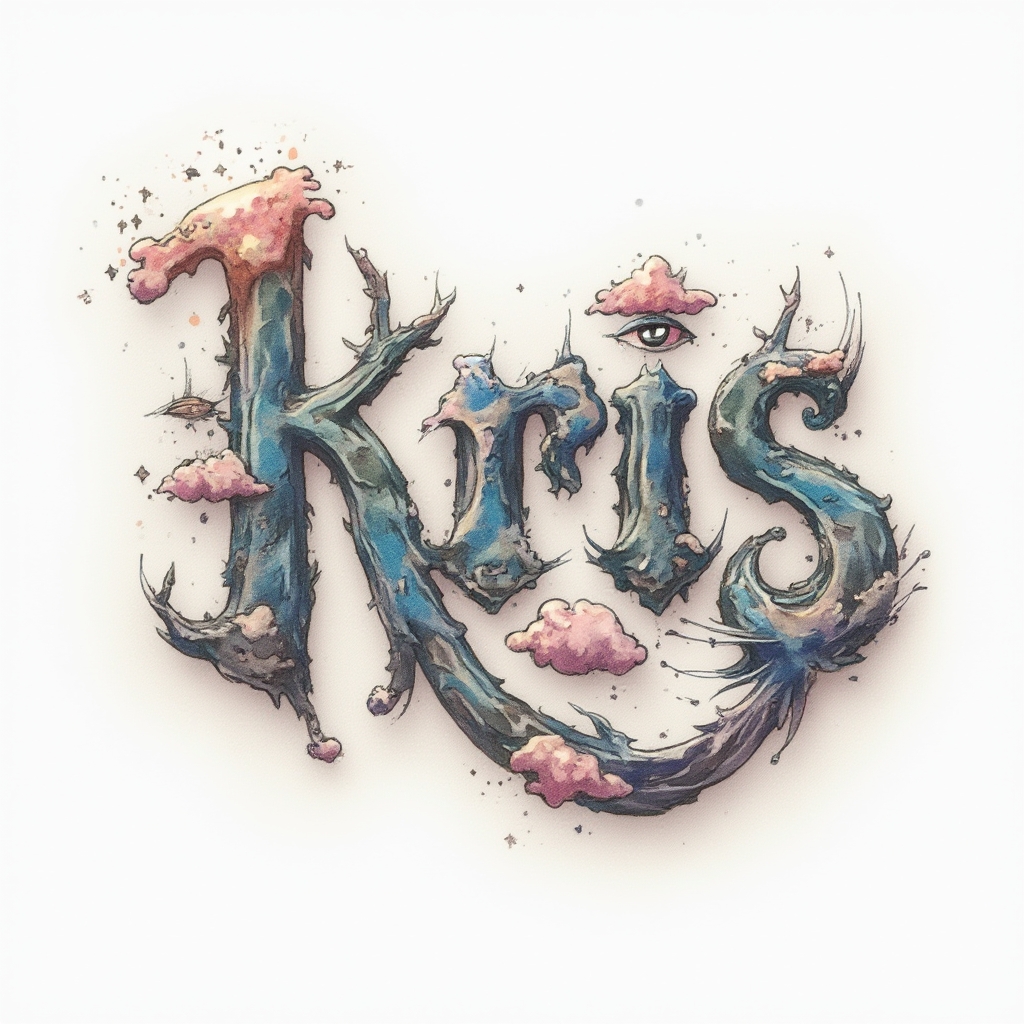
Kris Surrealism Dreamscape Lettering Tattoo Design
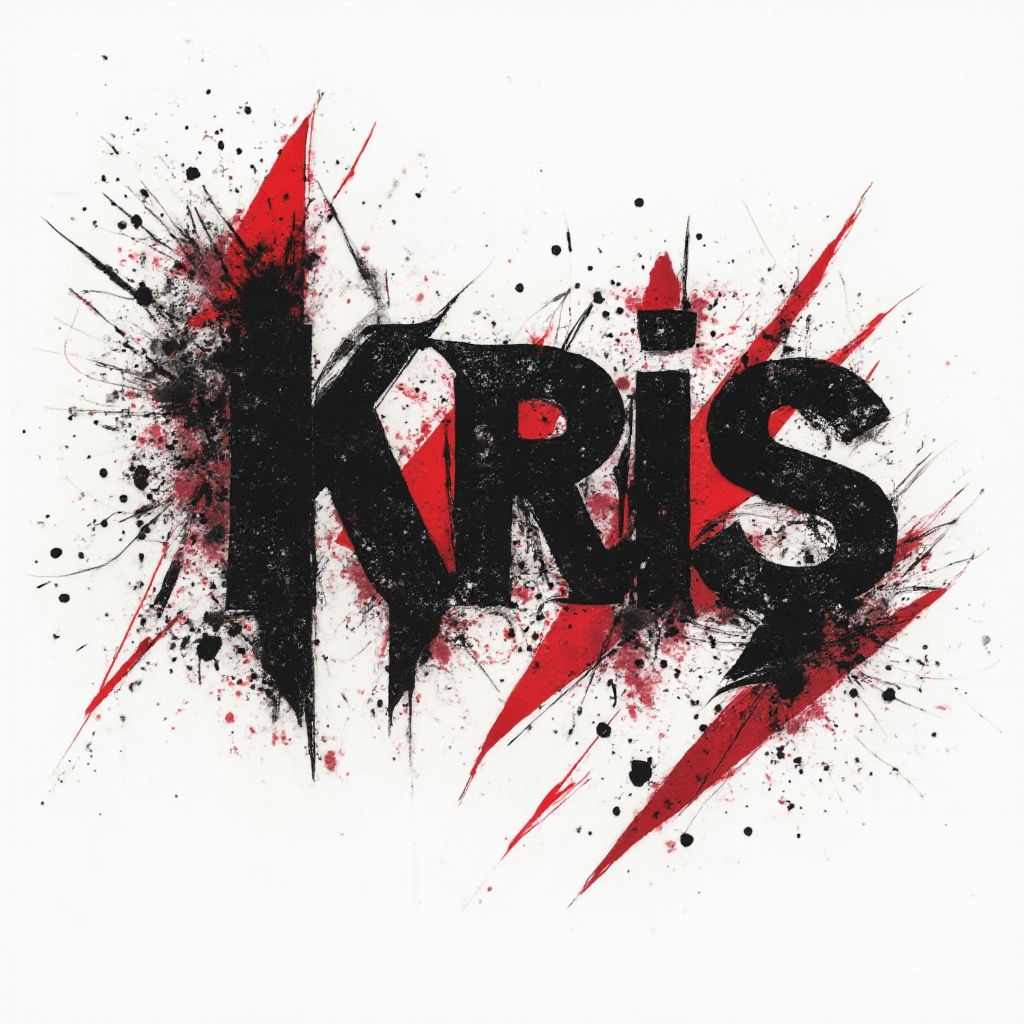
Kris Trash Polka High-Contrast Name Tattoo Concept
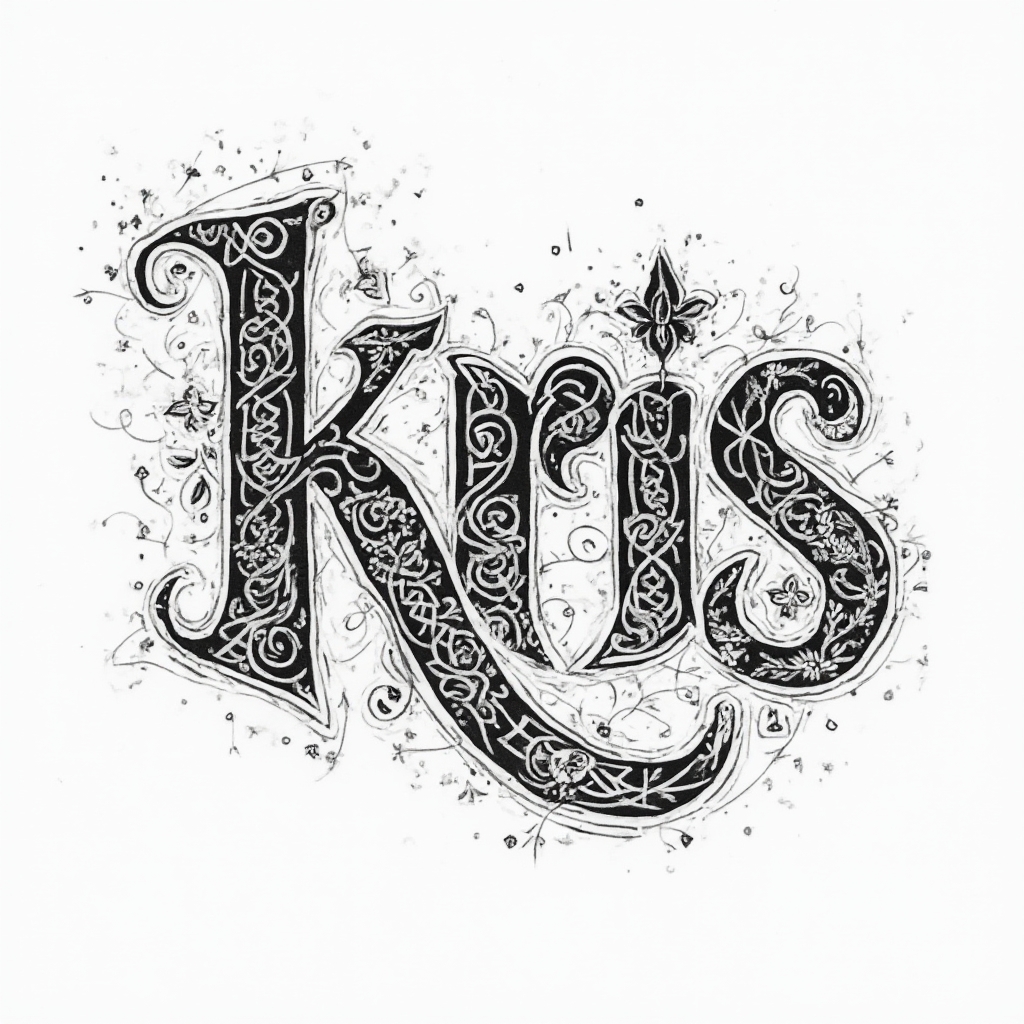
Kris AI-Original-Style Abstract Dimension Name Tattoo
Global distribution & gender ratio
United States
49.08% of recorded usage
Female: 38.39% · Male: 61.61%
Belgium
8.61% of recorded usage
Female: 3.61% · Male: 96.39%
Philippines
7.50% of recorded usage
Female: 67.92% · Male: 32.08%
Indonesia
5.01% of recorded usage
Female: 17.51% · Male: 82.49%
Russia
3.69% of recorded usage
Female: 96.93% · Male: 3.07%
You may also like
Similar names
Chris
A common variant of Kris, Chris shares similar origins and offers a strong, leader-like presence.Krista
This name connects with Kris through its grace and beauty, making it a feminine counterpart.Kristian
Derived from the same roots, Kristian, like Kris, signifies noble and guardian traits.Kristine
This feminine form reflects joy and purity, linking closely with Kris.Kristoff
Similar in phonetics and origin, Kristoff carries the meaning of leader and warrior.Kristy
A softer variant of Kris, often representing kindness and hope.Kristopher
A fuller version of Kris, often associated with strength and nobility.Krista
Linked to Kris, Krista symbolizes grace and beauty with its origins.Kirsten
A Scandinavian counterpart, sharing meanings like guardian and noble.Kirsty
Close in sound, expressing joy and sweetness.
Frequently asked questions about kris
What is the meaning of the name Kris?
The name Kris is associated with meanings such as leader, noble, and guardian.
Where does the name Kris originate from?
Kris originates from Scandinavian culture and is used widely across Northern Europe.
Is Kris a male or female name?
Kris is a gender-neutral name used for both males and females.
How popular is the name Kris?
The name Kris was notably popular in America during the late 20th century and remains favorably used today.
How is Kris used globally?
Kris is popular in countries such as the United States, Canada, and Sweden, with minor variations in pronunciation.
What are common career paths for people named Kris?
Individuals named Kris often pursue careers in arts and entertainment, leadership roles, or humanitarian work.
What are the characteristic features of people named Kris?
People named Kris are often known for leadership, adaptability, creativity, and insightfulness.
Are there any famous people named Kris?
Notable people named Kris include Kris Jenner, Kris Kristofferson, and Kris Letang.