
Meaning of the Name Kübra
Origin of the Name Kübra
Gender Association of the Name Kübra
Popularity of the Name Kübra
Global Usage of the Name Kübra
Characteristic Features of People Named Kübra
Leadership
Individuals named Kübra often exude a natural leadership quality, taking charge in various situations with confidence.
Charisma
Kübras are frequently seen as charismatic, drawing others to them with their engaging manner and robust communication skills.
Ambition
People bearing the name are often driven by high ambitions, seeking to achieve significant goals and leaving a notable impact.
Loyalty
A strong sense of loyalty defines many Kübras, with deep and lasting relationships being a central aspect of their lives.
Wisdom
Often perceived as wise beyond their years, Kübras are known for making thoughtful decisions and offering sound advice to others.
Reliability
They are considered dependable, with friends and family often turning to them in times of need for support and guidance.
Common Career Paths for People Named Kübra
Leadership Roles
Due to their natural leadership qualities, Kübras often find themselves in managerial or executive positions.
Creative Fields
With charisma and passion, many Kübras thrive in professions like arts, music, and writing.
Social Services
Kübras' loyalty and empathy make them well-suited for careers in counseling, social work, or community services.
Education
Many Kübras pursue paths in teaching or academia, where they can share their wisdom and learn continuously.
Entrepreneurship
Their ambition often leads them to start businesses or innovative projects, driving them towards creating substantial enterprises.
Public Service
In politics or public administration, Kübras leverage their leadership and wisdom to effect positive change within society.
Unique and Interesting Characteristics of the Name Kübra
Literature and Media
Kübra has appeared in various novels and films within Turkish and Arabic media, often embodying wisdom and strength.
Historical Significance
There have been historical figures named Kübra who were known for their societal contributions in Turkish history.
Cultural Festivals
In some cultures, the name Kübra is associated with specific festivals or celebrations, reflecting its cultural importance.
Unique Sound
The pronunciation of Kübra (qu-bra) is distinctive, which contributes to its recognition and charm internationally.
Social Media Influence
Some influencers and public figures with the name have contributed to its modern-day popularity and recognition.
Traditional Name Days
In cultures that celebrate name days, Kübra often coincides with festivities or days of significance, further embedding the name in tradition.
Famous People Named Kübra
- Kübra Öztürk: Turkish chess player known for her skill and contribution to the sport.
- Kübra Dağlı: Turkish Taekwondo athlete who has earned international acclaim.
- Kübra Sönmez: Turkish journalist recognized for her impactful reporting.
Tattoo design prompts for the name 'kübra'
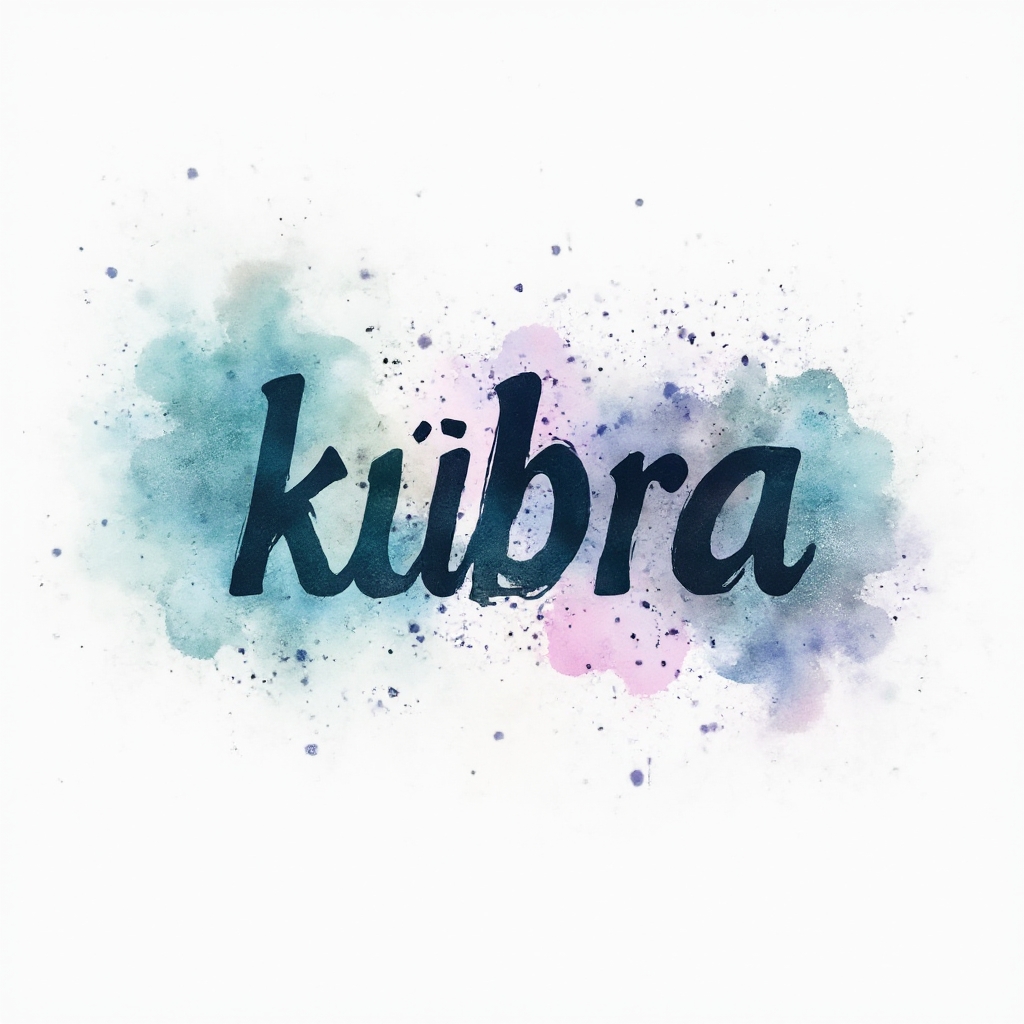
Watercolor Dream

Surreal Script
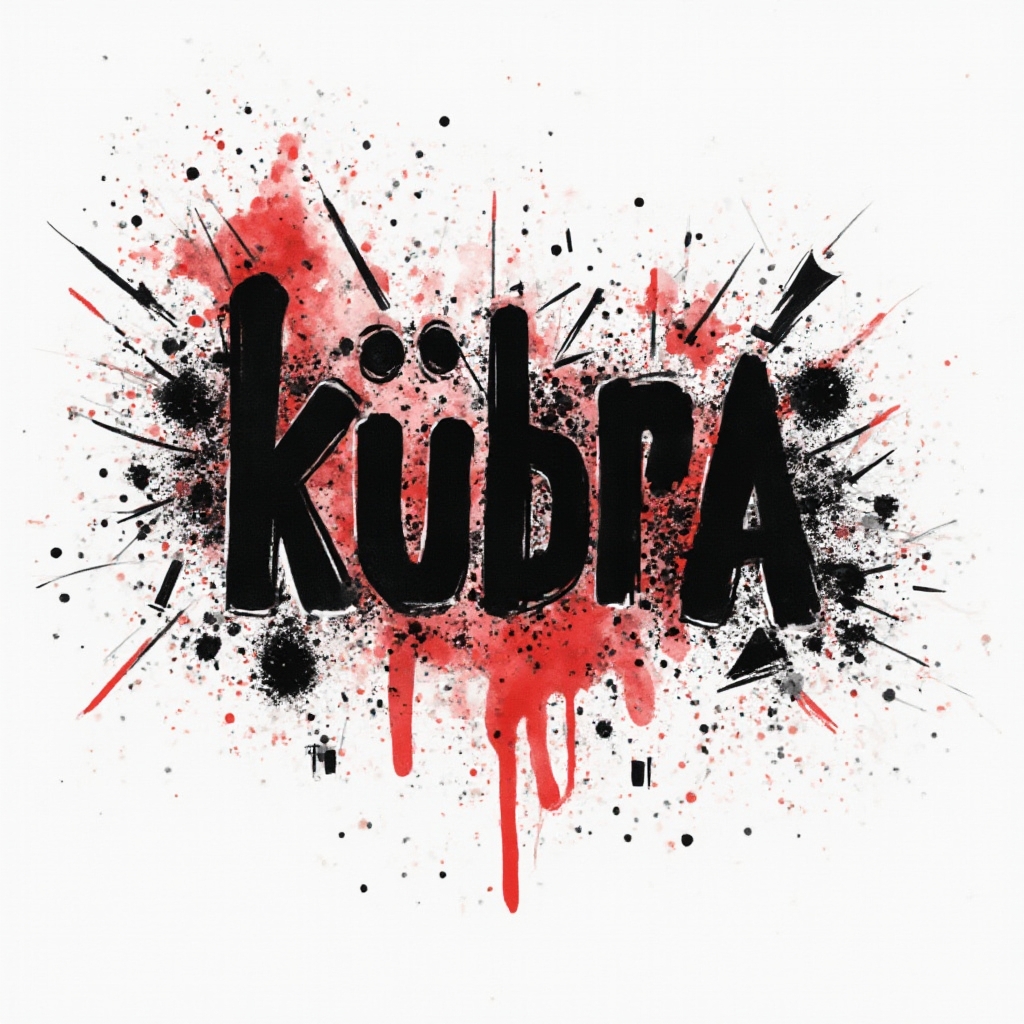
Trash Polka Edge

AI-Original-Style Vision
Global distribution & gender ratio
Türkiye
98.64% of recorded usage
Female: 98.17% · Male: 1.83%
Cyprus
0.36% of recorded usage
Female: 99.00% · Male: 1.00%
Germany
0.29% of recorded usage
Female: 98.15% · Male: 1.85%
United States
0.09% of recorded usage
Female: 96.15% · Male: 3.85%
Greece
0.07% of recorded usage
Female: 100.00% · Male: 0.00%
You may also like
Similar names
Ayla
Ayla, meaning moonlight, shares a gentle phonetic rhyme with Kübra and is similarly popular in Turkey.Esra
Esra, meaning night journey, offers phonetic similarity and cultural resonance with Kübra.Nehir
Nehir, meaning river, aligns in rhythm and melodic sound with Kübra, within Turkish naming conventions.Zehra
Zehra, meaning bright or radiant, bears significance and phonetic similarity to Kübra.Melis
Melis, meaning sweet as honey, shares phonetic qualities with Kübra and is widely appreciated in Turkey.Aylin
Aylin, meaning moon halo, carries a serene sound that complements Kübra.Elif
Elif, meaning first letter of the alphabet, shares cultural context with Kübra.Seda
Seda, meaning voice or echo, mirrors Kübra in sound and popularity.Beyza
Beyza, meaning pure or white, resonates closely with Kübra in terms of popularity and tone.Ceren
Ceren, meaning young gazelle, symbolizes grace and charm, akin to what Kübra signifies.