
Understanding the Meaning of Lee
The Origins of the Name Lee
Gender Association of the Name Lee
Popularity of the Name Lee
Global Usage of the Name Lee
Characteristic Features of People Named Lee
Intelligence
Many Lees are known for their quick wit and ability to solve complex problems with ease.
Creativity
Lees often have a strong artistic side, excelling in fields like music, writing, and art.
Leadership
They possess a natural ability to lead and inspire others, making them effective in managerial roles.
Adaptability
Lees tend to adapt quickly to new situations, showing resilience in the face of change.
Empathy
Many are highly empathetic, able to understand and share the emotions of others, which makes them excellent communicators.
Common Career Paths for People Named Lee
Creative Roles
Many Lees thrive as artists, musicians, or writers due to their creative instincts.
Leadership Positions
Their organizational skills often lead them into leadership roles in business or education.
Social Sciences
Due to their empathetic nature, they excel in psychology, teaching, or social work.
Technology
Analytical skills also incline them towards fields like data analysis or software development.
Entrepreneurship
The adaptability and leadership qualities make them natural entrepreneurs.
Unique and Interesting Characteristics of the Name Lee
Cultural Influence
The name Lee is heavily featured in pop culture, with notable mentions in films, books, and music.
Historical Significance
The name is associated with renowned figures like Robert E. Lee, a general in the Confederate Army.
Versatile Use
Apart from being a first name and surname, Lee is used in fictional settings as a symbol of strength and resilience.
Commonality
Despite its simplicity, Lee is remarkably common across various languages, adapting phonetically and in meaning.
Fame in Media
The name has been part of legendary figures in martial arts, courtesy of Bruce Lee, enhancing its association with discipline and determination.
Famous People Named Lee
- Bruce Lee: Legendary martial artist, actor, and film director.
- Lee Radziwill: American socialite and interior decorator known for her influential lifestyle.
- Lee Child: British author famous for his thriller novels.
Lee Name Tattoo Design Collection
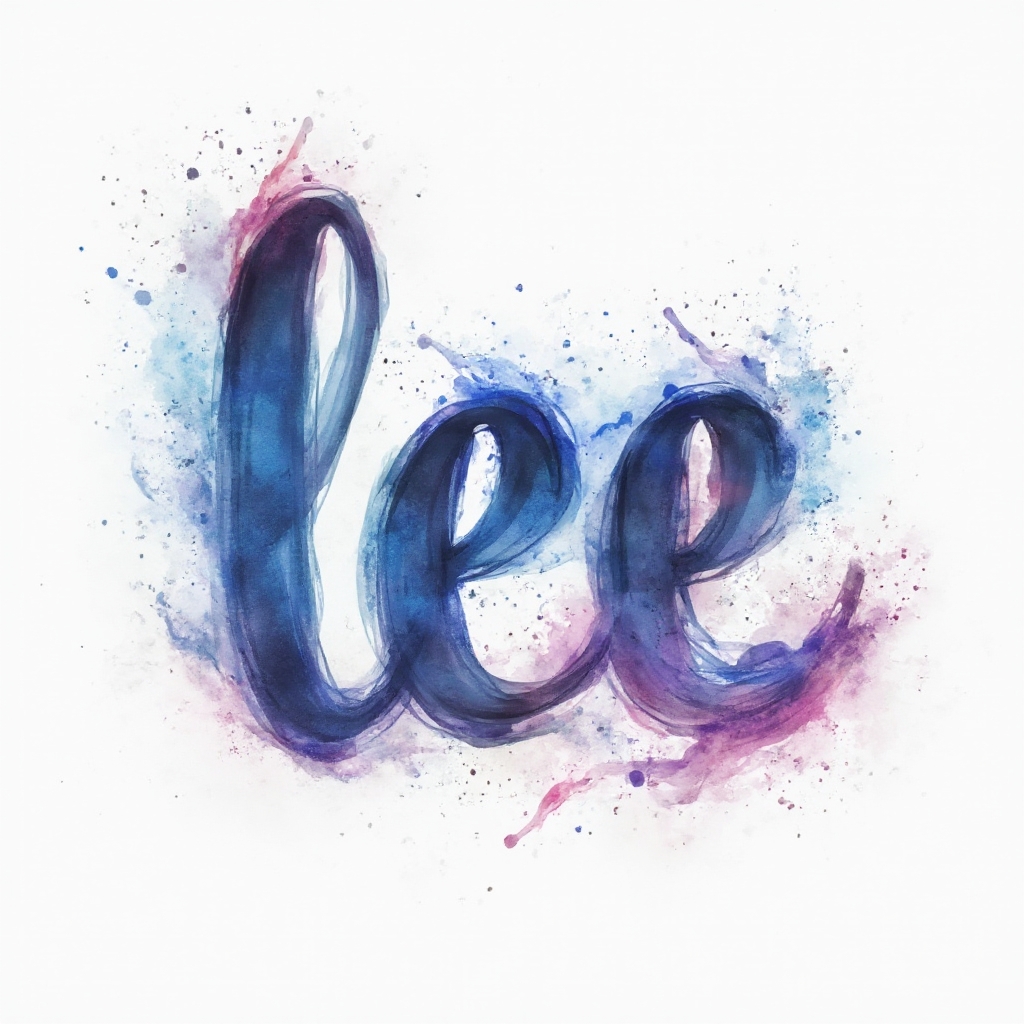
Lee Watercolor Ink Splash Tattoo Concept

Lee Surrealism Dreamscape Tattoo Design
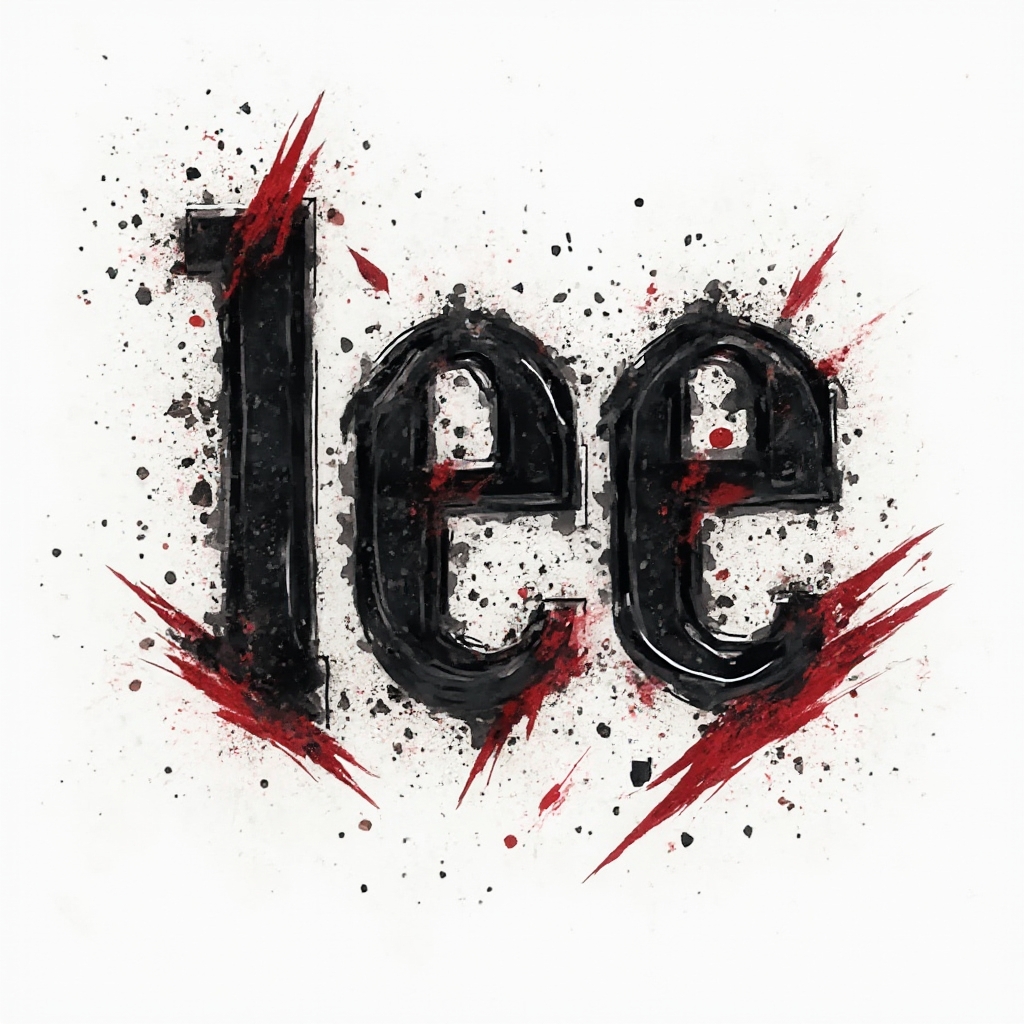
Lee Trash Polka Monochrome Splash Tattoo
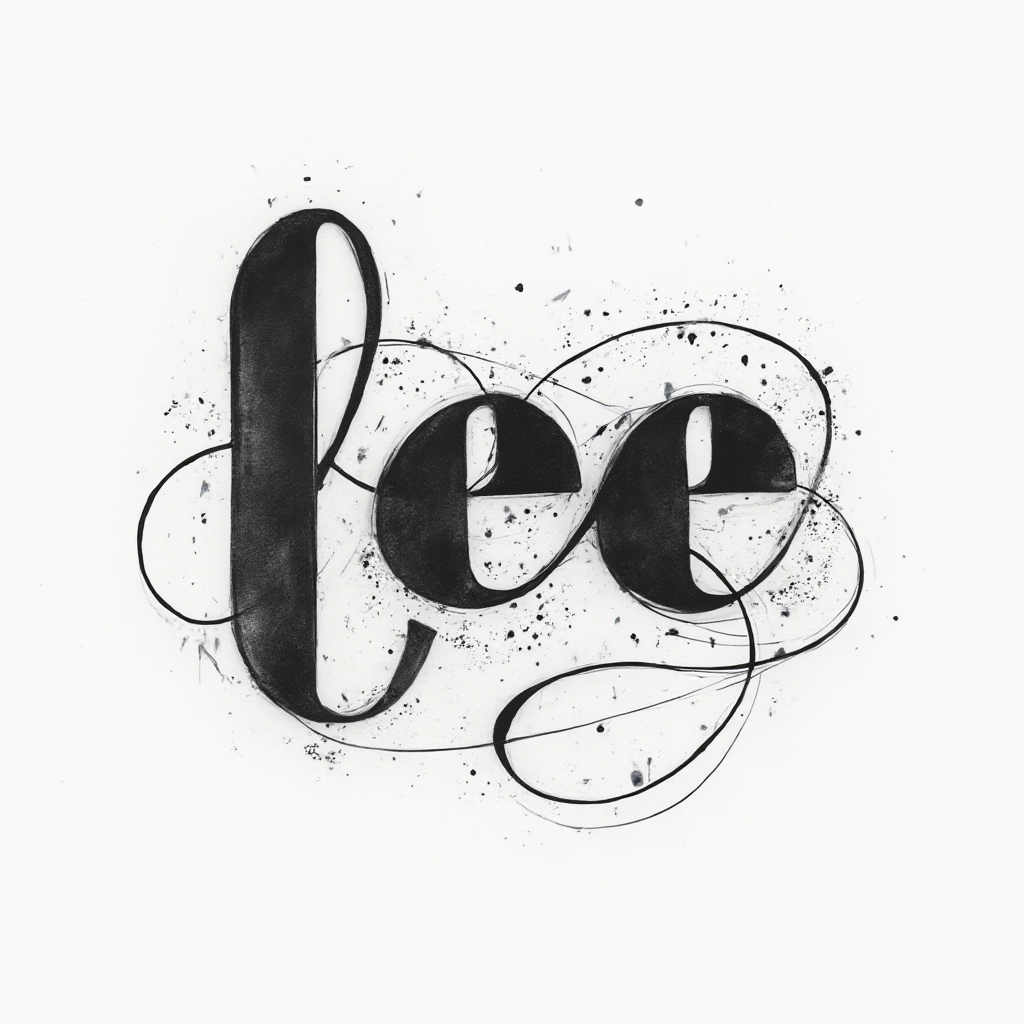
Lee AI-Original-Style Abstract Ink Geometry Tattoo
Global distribution & gender ratio
United States
30.61% of recorded usage
Female: 30.13% · Male: 69.87%
Malaysia
22.97% of recorded usage
Female: 42.40% · Male: 57.60%
United Kingdom
8.74% of recorded usage
Female: 7.09% · Male: 92.91%
South Korea
7.05% of recorded usage
Female: 32.95% · Male: 67.05%
Singapore
5.76% of recorded usage
Female: 37.05% · Male: 62.95%
You may also like
Similar names
Leo
Derived from Latin, meaning lion. Associated with strength and bravery.Liam
Originating from Irish, meaning strong-willed warrior.Leah
From Hebrew, meaning weary or meadow.Levi
Hebrew name meaning joined in harmony.Lina
Short form of names ending in -lina, meaning light or palm tree.Len
Old German origin, diminutive of Leonard, meaning lion strength.Lacy
Old French origin, meaning cheerful or happy.Lyle
From Old French, meaning island.Loren
Latin origin, meaning laurel or bay tree.Lou
Short form of Louis, German origin, meaning renowned warrior.
Frequently asked questions about lee
What is the meaning of the name Lee?
The name Lee signifies a clearing or a meadow, derived from Old English origins.
What is the origin of the name Lee?
Lee originates from both Old English and Chinese cultural backgrounds.
Is Lee a gender-neutral name?
Yes, Lee is considered gender-neutral and used for both males and females.
How popular is the name Lee?
Lee has moderate popularity, ranking within the top 1000 baby names in the United States.
How is the name Lee used globally?
Lee is used as both a first name and surname across English-speaking countries and Asian cultures.
What are common career paths for people named Lee?
Lees often pursue careers in creative arts, leadership positions, social sciences, technology, and entrepreneurship.
What are the characteristic features of individuals named Lee?
People named Lee are often intelligent, creative, adaptable, empathetic, and good leaders.
What are some similar names to Lee?
Similar names include Leo, Liam, Leah, Levi, and Lina, among others, sharing phonetic or meaning similarities.
Who are some famous people named Lee?
Famous individuals with the name include Bruce Lee, Lee Radziwill, and Lee Child.