
Meaning of the Name Lev
Cultural and Historical Origins of Lev
Gender Usage of Lev
Popularity of Lev Around the World
Global Usage and Pronunciation of Lev
Personality Traits Associated with Lev
Courageous
Often linked to the lion, Lev is associated with bravery and a willingness to face challenges directly.
Warm-hearted
Many perceive this name as reflecting emotional openness and kindness toward others.
Independent
The short, strong sound suggests self-reliance and a clear personal identity.
Creative
Bearers of the name are often imagined as original thinkers with artistic or intellectual interests.
Loyal
The name is frequently connected with reliability and steadfast commitment to friends and family.
Professional Paths for the Name Lev
Writer or Philosopher
The name is associated with depth of thought, making it fitting for literary or academic careers.
Leader or Entrepreneur
Its connection with strength and initiative suits roles in business, management, or startups.
Artist or Designer
The concise, modern feel of Lev pairs well with creative and visual professions.
Scientist or Researcher
Its serious tone also aligns with analytical and investigative fields.
Activist or Advocate
The name’s strong presence complements roles that require conviction and public engagement.
Unique and Interesting Facts About Lev
Cross-cultural resonance
Lev appears in both Hebrew and Slavic traditions, giving it a rare blend of religious, literary, and historical depth.
Short yet symbolic
Despite having only three letters, the name carries rich meanings related to both lion imagery and the heart.
Literary connections
Several notable authors and thinkers have borne this name, reinforcing its association with intellect.
Modern minimalist style
Its clean, simple structure appeals to contemporary parents who favor sleek, international names.
Famous People Named Lev
- Lev Tolstoy: Renowned Russian writer, author of "War and Peace" and "Anna Karenina."
- Lev Landau: Nobel Prize–winning Soviet physicist known for his work in theoretical physics.
- Lev Yashin: Legendary Soviet football goalkeeper, often regarded as one of the greatest goalkeepers in history.
- Lev Vygotsky: Influential Soviet psychologist known for his work on cognitive development.
- Lev Grossman: American author and journalist, best known for "The Magicians" trilogy.
How to Pronounce Lev in Hebrew and Russian
/lɛv/ — לב / Лев
- /l/: a clear "l" sound as in "life."
- /ɛ/: an open "e" sound, like in "met."
- /v/: a soft "v" sound as in "voice."
lev (rhymes with "rev")
Tattoo Design Ideas Featuring the Name Lev

Watercolor Lev Tattoo Design
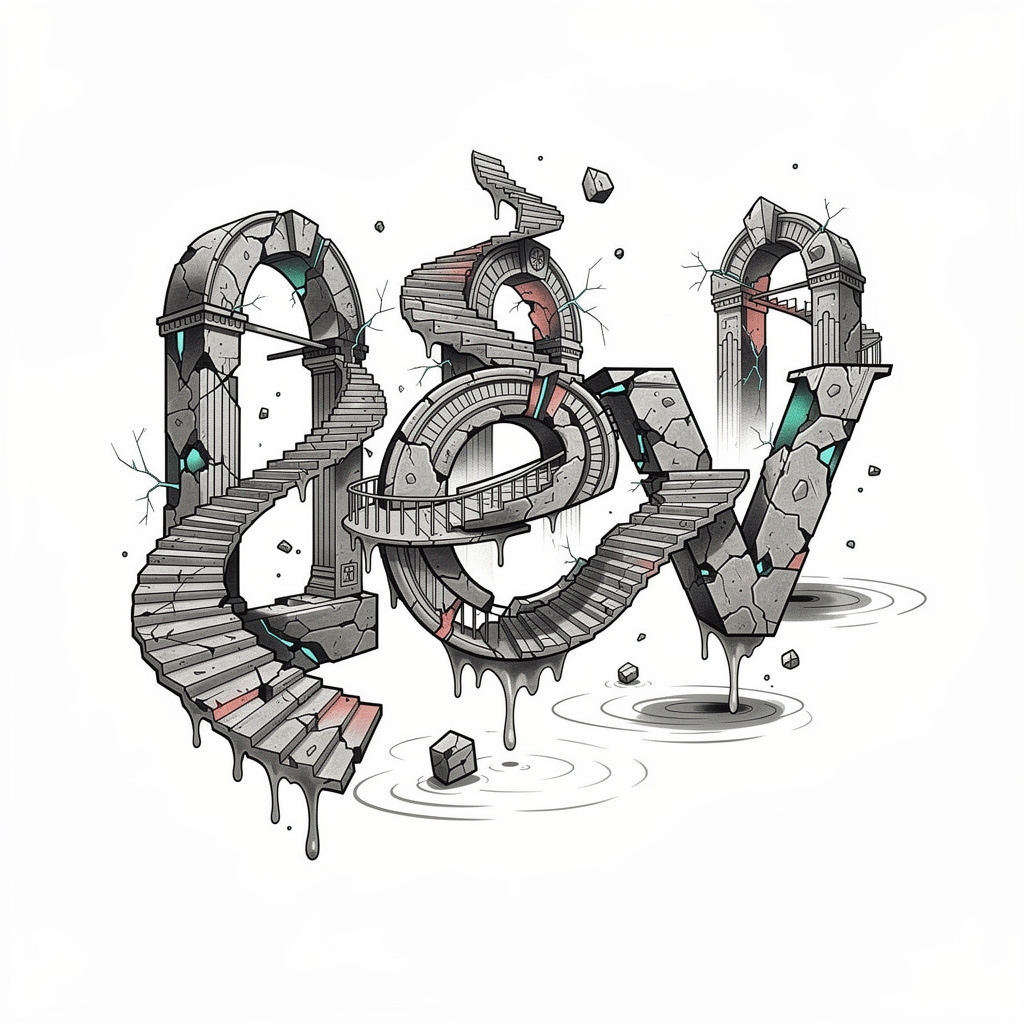
Surrealism Lev Tattoo Design
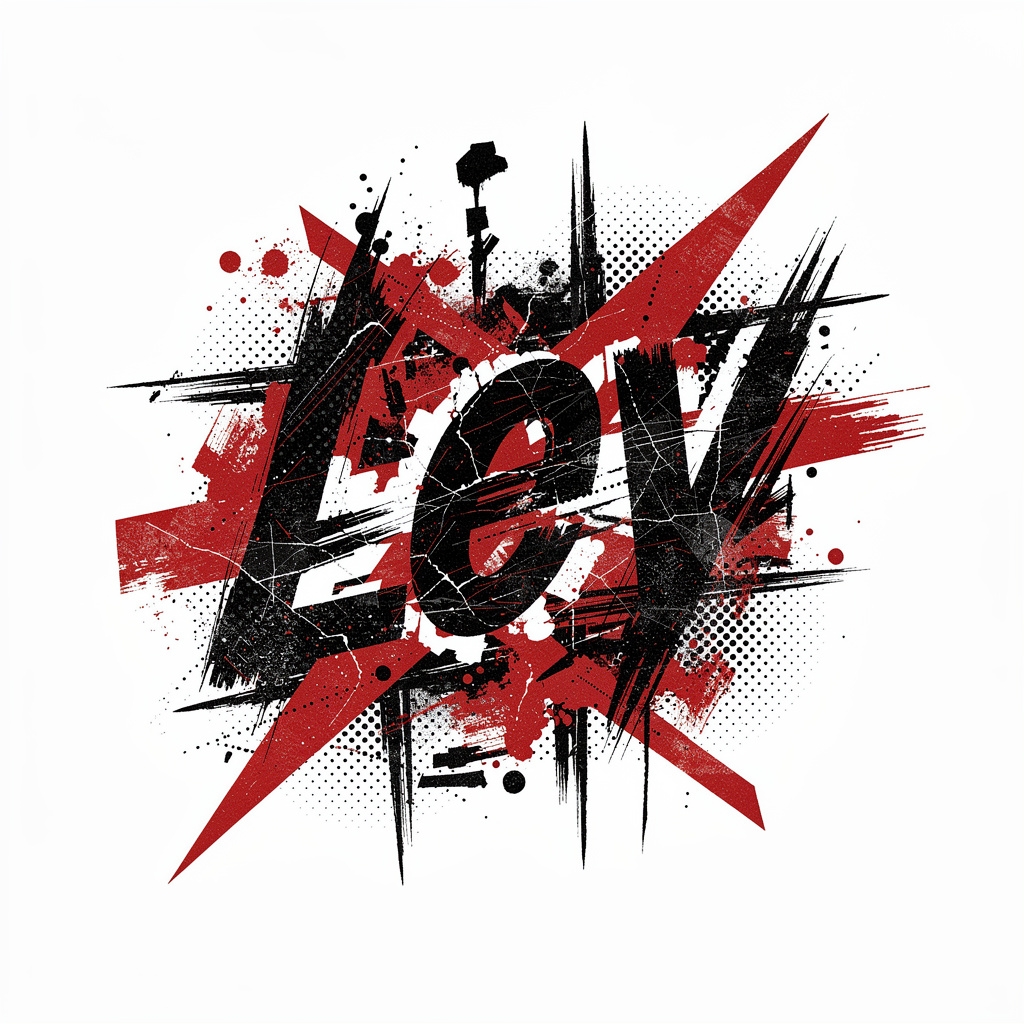
Trash Polka Lev Tattoo Design
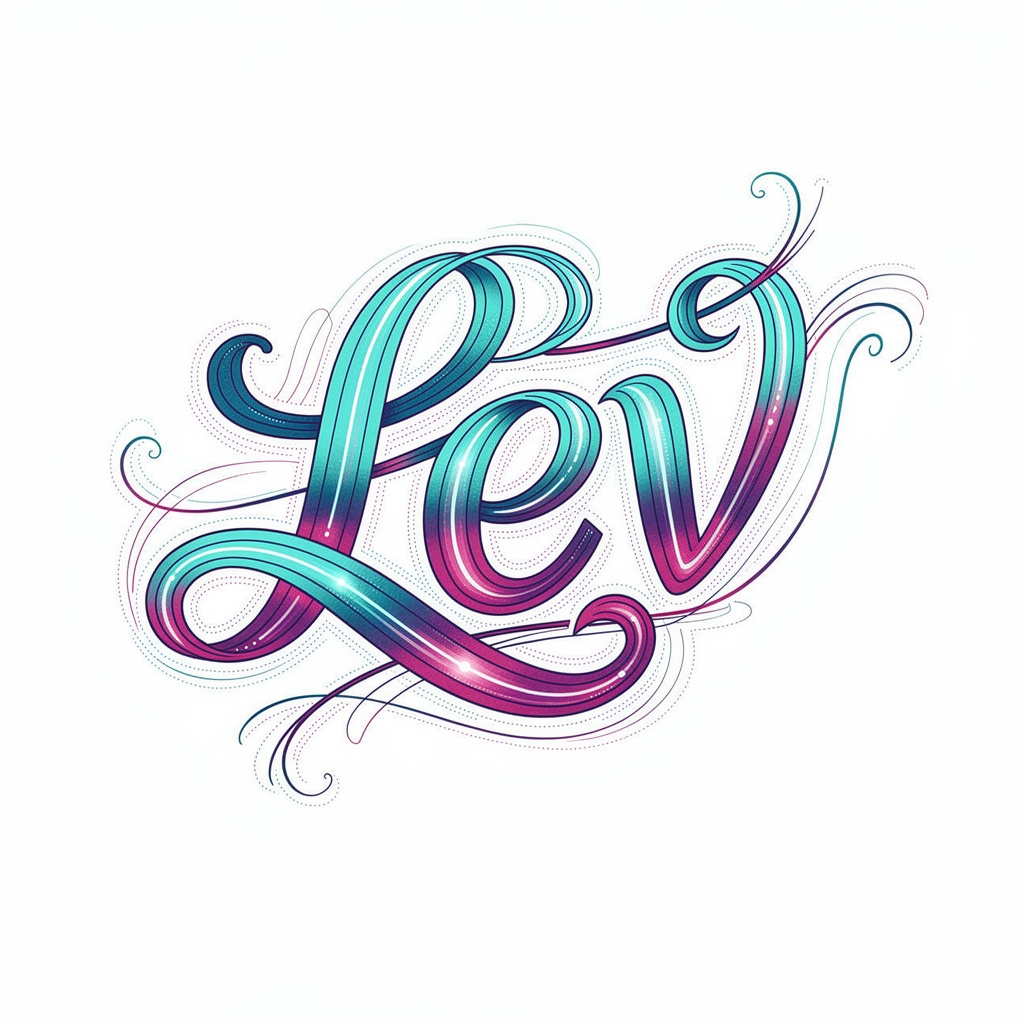
AuroraGlyph Lev Tattoo Design (AI-Original-Style)
Global distribution & gender ratio
Russia
46.11% of recorded usage
Female: 1.20% · Male: 98.80%
United States
13.70% of recorded usage
Female: 5.41% · Male: 94.59%
Türkiye
7.59% of recorded usage
Female: 26.83% · Male: 73.17%
Israel
5.00% of recorded usage
Female: 0.00% · Male: 100.00%
Ukraine
3.89% of recorded usage
Female: 0.00% · Male: 100.00%
You may also like
Similar names
Leo
A classic name closely related in origin, often meaning lion and symbolizing courage and strength.Leon
Derived from the Greek for lion, this name conveys nobility and bravery.Levi
A Hebrew name commonly interpreted as joined or attached, suggesting connection and belonging.Levian
A modern, elaborated form that retains associations with lion and strength.Levon
Used in Armenian and other cultures, often linked to the meaning lion and symbolizing royalty.Liev
A variant spelling sometimes connected to the same lion-related roots and strong, bold character.Lior
A Hebrew name meaning my light, associated with brightness and hope.Arie
A Hebrew name that can mean lion, sharing themes of bravery and nobility.Aryeh
Traditional Hebrew form meaning lion, rich in spiritual and symbolic significance.Leonid
A Slavic-influenced name from Greek roots meaning lion-like, conveying strength and valor.
Frequently asked questions about lev
What does the name Lev mean?
Lev is most commonly associated with the meaning "lion," symbolizing strength, courage, and leadership. In some contexts it is also linked with the heart, suggesting warmth and love.
What is the origin of the name Lev?
Lev has roots in both Hebrew and Slavic traditions. In Hebrew it is linked with the lion, while in Russian and other Slavic cultures it appears as a classic male given name with literary and historical associations.
Is Lev a boy or girl name?
Lev is traditionally a male name, especially in Hebrew and Slavic cultures, but in modern usage some parents choose it as a unisex or gender-neutral option due to its short, international form.
How do you pronounce Lev?
Lev is usually pronounced as "lev" with a short e sound, rhyming with "rev." In Hebrew and Russian, the pronunciation is very similar, with minor regional variations.
How popular is the name Lev?
Lev is well-established in Israel and Russia and is gaining quiet popularity in English-speaking countries. It remains relatively uncommon overall, making it an appealing choice for parents seeking a distinctive yet traditional name.